Brazil is huge, fly between regions. Buses are comfortable for medium distances. Car useful in the South (Florianópolis, wine country).
Travel information
Before you go to Brazil
✈️
Airports & entry
Brazil has 4 major international airports. Consider Rio de Janeiro (GIG) as your main entry point, or fly in and out from different cities to see more.
🗓️
Best trip length
Most visitors spend 14–21 days in Brazil. Shorter trips work well for focused regions; longer trips let you explore more deeply.
🗺️
Regions to know
Brazil has 4 distinct regions. Rio & Southeast and Northeast & Bahia are the most popular starting points for first-time visitors.
🚗
Getting around
Brazil is huge, fly between regions. Buses are comfortable for medium distances. Car useful in the South (Florianópolis, wine country).
💡
Smart planning tip
Generate a personalised trip plan with Wayloha: just enter your budget, travel style and travel dates. Our AI reads 62 travel blogs to build your perfect route.
📋
Preparation guide
After generating your trip plan, Wayloha creates a full preparation guide, including packing list, visa info, SIM card tips, money advice and local customs tailored to your trip.
Travel inspiration
Brazil in pictures
Real travel content from the community. See the latest photos, videos and stories from people who've already been.
Content is hosted on third-party platforms. Wayloha links to public hashtag pages and does not store any social media content.
Ready to visit Brazil?
Tell Wayloha your travel style, budget and travel dates. We'll build your complete day-by-day trip plan. Your first draft is on your screen within a minute.
Booking.com affiliate links: Wayloha earns a small commission at no extra cost to you
Travel guide
All about Brazil
Brazil is a country where the jungle teems with life, where waterfalls disappear into mist, and where cultural richness unfolds along rivers and in mountain villages. This isn't just a destination: it's an experience that transforms your soul and redefines what travel means.
Why visit Brazil
Brazil speaks to travellers seeking something real. The country offers far more than Instagram moments; it gives you the chance to reinvent yourself among the world's largest ecosystems. The combination of natural wonders and authentic cultural experiences makes Brazil unique in South America. This is a place where you can truly escape the beaten path, where villages like Alto Paraíso act as gateways to untouched wilderness, and every river and waterfall tells a new story.
What sets Brazil apart is the chance to pursue raw adventure and forge deep connections with the land at the same time. Local communities, biodiversity, and the sheer physical beauty of places like Chapada dos Veadeiros create travel experiences that feel like discovery rather than tourism. You leave not just with photographs, but with memories that have touched your soul.
Mix different ecosystems: combine mountain hikes with jungle experiences for full variety
Learn basic Portuguese: locals value the effort far more than perfection
Consider multi-day treks in protected areas for deeper connection with the landscape
When to go
The best time to visit Brazil depends on what you're after. For trekking and outdoor activities in mountain areas like Chapada dos Veadeiros, the dry season is ideal, roughly May to September. Days are clear, trails are passable, and waterfalls are spectacular because they run at full force. These months are more popular, though, so you'll encounter more travellers in villages like São Jorge and Cavalcante.
If you want to explore the jungle and take river trips along Amazon tributaries, like routes departing from Leticia, the wet season (October to April) actually works in your favour. Water levels rise, which means you can penetrate deeper into inaccessible areas. Weather is unpredictable, so pack rain gear, but you'll have fewer tourists and more birds to watch. Jungle temperatures stay fairly constant year-round.
Avoid peak season in popular trekking villages by travelling outside July-August
Check local rainfall patterns for each region: the Amazon and mountain areas have different systems
Time waterfall visits for after rain to see maximum volume and power
Getting there and logistics
Most international travellers fly to Brazil via major cities like São Paulo or Rio de Janeiro, but if you're heading to natural highlights, better routes exist. If you're arriving from elsewhere in South America, Colombia or Peru for example, you can travel by river boat, which is an adventure in itself. The notorious Leticia route (the border region between Colombia, Peru, and Brazil) is reachable by boat and serves as a springboard for Amazon expeditions. Budget roughly 150,000 to 300,000 BRL for well-organised jungle tours with a guide.
Once in Brazil, especially when reaching mountain villages like Alto Paraíso and São Jorge in Chapada dos Veadeiros, buses are reliable and affordable. Local transport networks are well-established, though travel times can be long. For jungle adventures, book tours through recognised local outfitters, not just for safety, but to enable authentic interactions with indigenous communities. Hire a car only if you're comfortable with local roads.
Book jungle tours through respected local guides to support indigenous communities directly
Don't travel solo in remote areas: group tours offer both safety and cultural richness
Budget more time for transport than you'd expect; distances are larger than maps suggest
Must-do experiences
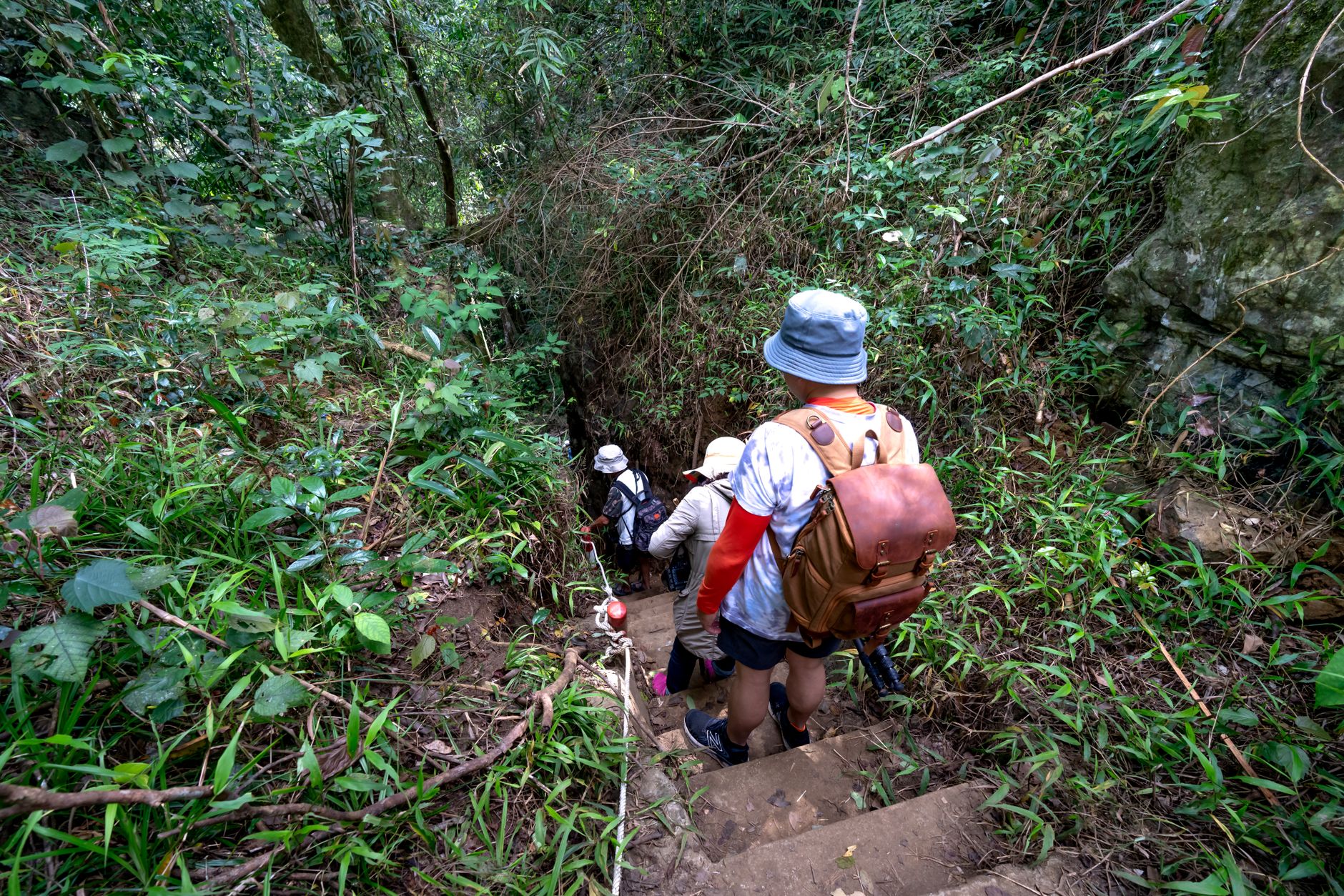
Chapada dos Veadeiros is the epicentre of outdoor adventure in this region. The national park itself offers impressive trails with views across plateaus that stretch for kilometres. The village of São Jorge serves as basecamp and feels intimate: it's where hikers, artists, and nomads converge. Many accommodations here are eco-lodges where you truly connect with the landscape. Cavalcante, slightly further out, combines waterfall hikes with cultural insight; you can meet local communities and learn how they live sustainably within this ecosystem.
Beyond mountain trekking, experiencing the Amazon, however briefly, is transformative. River boats from Leticia take you deeper into the jungle, and stops at indigenous villages aren't kitschy attractions but genuine encounters. Birds, freshwater dolphins, and the sheer massive growth of the forest give you a visceral understanding of why this ecosystem must be protected. Plan at least three to four days for a jungle expedition.
Start Chapada dos Veadeiros treks early morning to avoid heat and spot birds
Hire a guide for Amazon tours: they know hidden rivers and indigenous villages that mass tours miss
Wear DEET-based insect repellent and long sleeves to prevent malaria and dengue
Practical information
Brazil is relatively accessible for foreign travellers; many nationalities don't need a visa for tourist visits (this varies by country, so check before you go). The currency is the Brazilian Real (BRL); ATMs are widespread in larger towns and cities. Since you'll be in remote natural areas, you'll need cash: small notes are preferred. Portuguese is the only official language; English is less common as you move further from tourist centres. Learn basic phrases; locals appreciate the effort, and it helps in emergencies.
Responsible travel in Brazil means engaging intentionally with the rainforest. Avoid tourist attractions that use captive animals for entertainment: many maltreat animals in poor conditions. Instead, support guide-organised tours that funnel money directly to indigenous communities. Given the enormous role of cattle ranching and soya cultivation in rainforest degradation, consider reducing your meat consumption: the HappyCow app helps find vegetarian and vegan options in cities. This may sound insignificant, but cumulatively, millions of choices determine whether sustainable tourism is possible.
Carry cash to remote villages; credit cards don't work everywhere
Buy travel insurance covering medical evacuation from remote areas
Book eco-lodges and guides via platforms that support indigenous entrepreneurs directly, not mass-tour operators
Generated from 8 travel guides and experiences · Sources