Six experiences that define a visit to Buenos Aires.
1
San Telmo Sunday market and antique fair on Defensa street
2
Watch a tango show in La Boca or dance at a milonga in San Telmo
3
Recoleta Cemetery. Eva Perón's resting place among ornate mausoleums
4
Steak dinner at a classic parrilla, malbec wine is mandatory
5
Palermo Soho: design shops, street art, and the best café culture
6
Catch a Boca Juniors match at La Bombonera, pure passion
Local tip
Before you go to Buenos Aires
Porteños eat dinner at 10 PM, restaurants are empty before 9. The blue dollar exchange rate is much better than official, use Western Union or exchange houses. Tipping: 10%.
Content is hosted on third-party platforms. Wayloha links to public hashtag pages and does not store any social media content.
Ready to visit Buenos Aires?
Tell Wayloha your travel style, budget and travel dates. We'll build your complete day-by-day Buenos Aires trip plan. Your first draft is on your screen within a minute.
Buenos Aires feels like a continent in itself: a city where 19th-century European architecture collides with raw street art, where coffee mornings turn into tango nights, and where every neighbourhood tells its own story. This is South America's most dynamic capital, a place that keeps surprising you.
Why visit Buenos Aires
It's no surprise Buenos Aires appears on global lists of the most fascinating cities. The city gives off an unusual energy: it's refined and rough at the same time, nostalgic and ultramodern. You won't find one uniform tourist experience here, but rather a kaleidoscope of different Buenos Aireses. It's a place where you can really feel how locals live, not just tick off tourist highlights.
The food scene alone is worth the trip. Buenos Aires has become a food lover's paradise, where world-class steak restaurants sit next to Peruvian ceviche bars, and where coffee culture and vermouth rituals are as common as football is elsewhere. But it goes further: the art galleries, music scenes, theatre district (especially around Corrientes Street), and nightlife together form a cultural ecosystem with something for everyone.
The city also has a real neighbourhood culture. Every barrio, from chic Palermo and exclusive Recoleta to bohemian La Paternal and cultural Mataderos, feels like its own microcosm, with its own restaurants, design shops and energy. This is what makes Buenos Aires unique: you could come back dozens of times and still discover new corners.
Plan at least 5-7 days if you want to really get to know the different neighbourhoods
Buenos Aires rewards walkers - many of the best discoveries happen between the main attractions
Join in with local rituals: drink maté in the parks, have a vermouth before dinner, and seek out tango away from the tourist clichés
When to go
Buenos Aires doesn't really have a bad season, but timing depends entirely on what you want to experience. Spring and autumn (September to November and March to May) are ideal: the weather is mild, the city comes alive, and you mostly avoid the grey winter or the heavy summer heat. April is particularly good if you time it right: the city revives after summer with new restaurant openings and cultural programmes.
Summer (December to February) can be very hot and busier with tourists, but the energy on the streets is electric. Winter (June to August) is cold and can feel gloomy, but this is when Buenos Aires feels more introverted, maybe more authentic. Here's something worth knowing: the city moves to the rhythm of festivals and events. Art markets, theatre season, new restaurant openings - many of these highlights are announced through local media and social media.
Easter week (the date changes each year) brings its own culinary traditions, with rituals built around food. The cultural calendar is pretty full: international art fairs, exhibitions, and the events leading up to them are likely to be on whenever you plan your trip.
Check local events before you book - the cultural calendar shapes a lot of the atmosphere
Avoid an afternoon nap in July/August (winter) - most restaurants and shops close
March marks the end of summer and the start of many new openings in the food scene
How to get there and get around
Most international travellers land at Ezeiza International Airport, about 45 minutes from the city centre. It's Argentina's main international gateway. Some use Jorge Newbery Airport for domestic flights and trips to neighbouring countries, which is faster and more central. If you're already elsewhere in Argentina, Buenos Aires connects well by long-distance bus, with routes to cities like Córdoba, Mendoza and Bariloche.
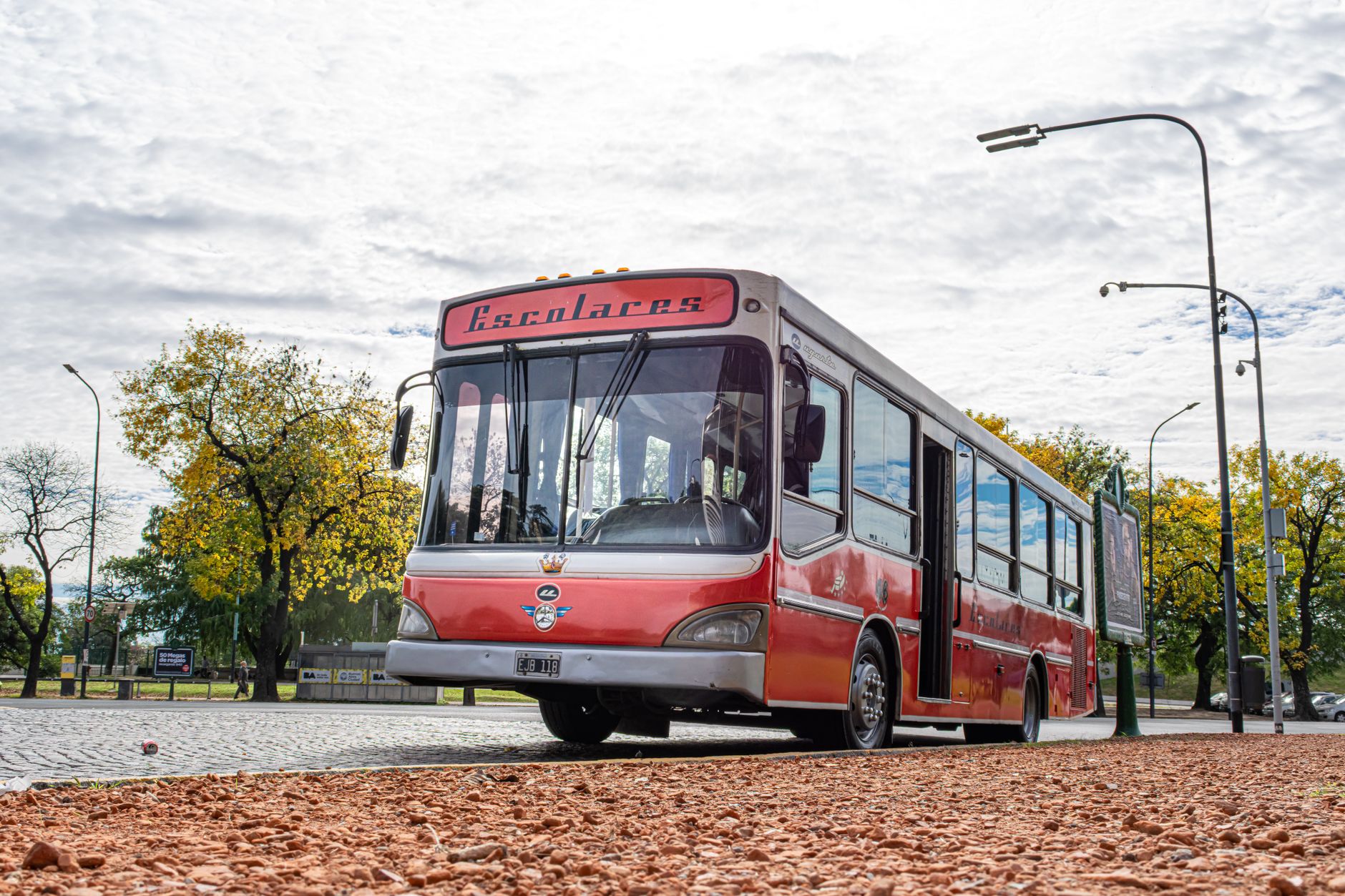
Once you're in the city, getting around is easy and cheap. The Subte (metro) is fast, the colectivos (buses) are a real Buenos Aires experience, and taxis or rideshares like Uber are affordable. Many travellers find that cycling has become an essential part of life in Buenos Aires - the bike infrastructure has expanded hugely over the past decade - and it feels much more local than other means of transport.
Retiro central bus station is huge and busy, so keep a close eye on your things. Within Buenos Aires, you'll also need to travel between neighbourhoods: some are within walking distance (Palermo and Recoleta, for example), others need a short metro ride or bus trip. The Subte's A Line is special - many locals say it's worth riding just for the experience.
Get a SUBE card as soon as you arrive - it's much cheaper than single tickets and works everywhere
Only cycle during the day and on routes you know - night-time cycling is best left to locals
Take photos of the bus line numbers you need - drivers don't always speak English
Top experiences and hidden gems
Buenos Aires isn't just one thing: it's a collection of very different experiences. Many visitors start with the icons: Recoleta Cemetery (yes, really - it's fascinating), the Boca neighbourhood for La Bombonera football stadium, and San Telmo's Sunday market, full of antiques and crafts. But the real Buenos Aires reveals itself elsewhere. Every neighbourhood has its own energy: the food boom in Devoto, the artistic underground culture of Colegiales, the literary, mystical feel of La Paternal, and the traditional football-and-culture heart of Mataderos.
The food scene deserves attention of its own. Yes, you have to try a parrilla (steakhouse) - it's a core part of the culture here - but don't forget the hidden grill joints in neighbourhoods where word of mouth rules. Buenos Aires has thrown itself into Peruvian cuisine, from affordable ceviche in Abasto to refined Nikkei fusion in Palermo. Then there are the newest openings: innovative restaurants keep popping up, from pizza served with champagne to Japanese ramen in old workshops turned into eateries.
Nightlife here is legendary and inclusive. Club 69 (every Thursday at Niceto Club, Palermo) offers drag, dance, circus acrobats and pure chaos - it's raw, sexy and never the same twice. For cocktails, look for Florería Atlántico (hidden behind a flower shop that doubles as a record store), Verne Cocktail Club (leather armchairs and house-made spirits), or speakeasies with real passwords. For slower moments, try learning tango away from the tourist clichés, take a graffiti walk through neighbourhoods like Colegiales, or just sit for hours in a café with maté and a book.
Visit the Tigre Delta as a day trip - about an hour away, but it feels like another world
The best restaurants sometimes need booking in advance - check their social media
For authentic tango, look for working dance halls instead of touristy dinner shows
Feria Americana thrift markets are advertised on social media or with paper flyers tied to trees - it's worth seeking them out
Practical tips and local etiquette
Buenos Aires is generally safe for tourists, but as in any big city: stay alert in crowded places and use common sense at night. Pickpocketing happens, so wear your backpack on your front in crowded buses and metro trains. The biggest practical shock? Prices. Thanks to inflation and strict import rules, branded clothing is expensive, but locals know better: ferias Americana (second-hand markets) sell the same brands for a fraction of the price. For unique, original pieces, many independent designers sell directly from their studios (book ahead).
Language: many tourists speak English in hotels and popular restaurants, but it's not the case everywhere. Learn a few basic phrases in Spanish - locals really appreciate it, and it opens doors to real restaurants and small shops. Money: pay in cash (pesos) where you can, because card fees can be surprisingly high. The exchange rate varies, so check local money changers for a better rate than at the airport.
Cultural quirks: Argentinians are football-mad, so avoid the topic unless you're ready for passionate debate. Drinking vermouth is a ritual: usually done around 17:00-18:00, before dinner, not as an evening drink. And maté? Sharing it from the same cup is a form of social bonding, so don't refuse it if someone offers you some. Buenos Aires feels informal, but people appreciate respect: say hola and gracias (hello and thank you) when you walk into a shop.
Bring dollars to exchange - the local exchange rate is much better than bank rates
Learn basic Spanish - your experience will be much richer than if you only speak English
Keep some cash separate from your wallet - pickpocketing does happen, but it's fairly rare if you stay careful
Reservations: table bookings are essential at popular restaurants, especially on Friday and Saturday nights