4x4 rental strongly recommended, many roads are unpaved. Shuttle services available between popular spots if you prefer not to drive.
Travel information
Before you go to Costa Rica
✈️
Airports & entry
Costa Rica has 2 major international airports. Consider San José (SJO) as your main entry point, or fly in and out from different cities to see more.
🗓️
Best trip length
Most visitors spend 10–14 days in Costa Rica. Shorter trips work well for focused regions; longer trips let you explore more deeply.
🗺️
Regions to know
Costa Rica has 4 distinct regions. Arenal & Central Valley and Monteverde & Northwest are the most popular starting points for first-time visitors.
🚗
Getting around
4x4 rental strongly recommended, many roads are unpaved. Shuttle services available between popular spots if you prefer not to drive.
💡
Smart planning tip
Generate a personalised trip plan with Wayloha: just enter your budget, travel style and travel dates. Our AI reads 62 travel blogs to build your perfect route.
📋
Preparation guide
After generating your trip plan, Wayloha creates a full preparation guide, including packing list, visa info, SIM card tips, money advice and local customs tailored to your trip.
Travel inspiration
Costa Rica in pictures
Real travel content from the community. See the latest photos, videos and stories from people who've already been.
Content is hosted on third-party platforms. Wayloha links to public hashtag pages and does not store any social media content.
Ready to visit Costa Rica?
Tell Wayloha your travel style, budget and travel dates. We'll build your complete day-by-day trip plan. Your first draft is on your screen within a minute.
Booking.com affiliate links: Wayloha earns a small commission at no extra cost to you
Travel guide
All about Costa Rica
Costa Rica is more than a destination - it's a way of life. In this small but incredibly diverse country, you're surrounded by roaring waterfalls, lazy sloths and some of the most welcoming people you'll ever meet, while 'Pura Vida' isn't just a phrase, but the essence of every moment.
Why visit Costa Rica
Costa Rica reaches travel on a deeper level. Here, nature isn't just a picture to admire, it's a living, breathing thing that wraps around you completely, from the sounds of the jungle to the warmth of local hospitality you can actually feel. The people, known as 'Ticos' and 'Ticas', approach life with a relaxed attitude that's contagious. You feel it in the music, the dances, and festivals like Fiestas Palmares, which colour the country all year round. For nature lovers, it's a playground without limits: think natural hot springs in La Fortuna, untouched beaches in Manuel Antonio and the misty cloud forests of Monteverde. Costa Rica is also known worldwide for its leading position in sustainability and ecotourism, meaning you're visiting a destination that actively protects its nature. For adventurers, the terrain offers endless options - white water rafting, ziplining over the treetops, diving, or simply enjoying the 'pura vida' way of life. And you get to do all this in a country with one of the lowest violent crime rates in Central America.
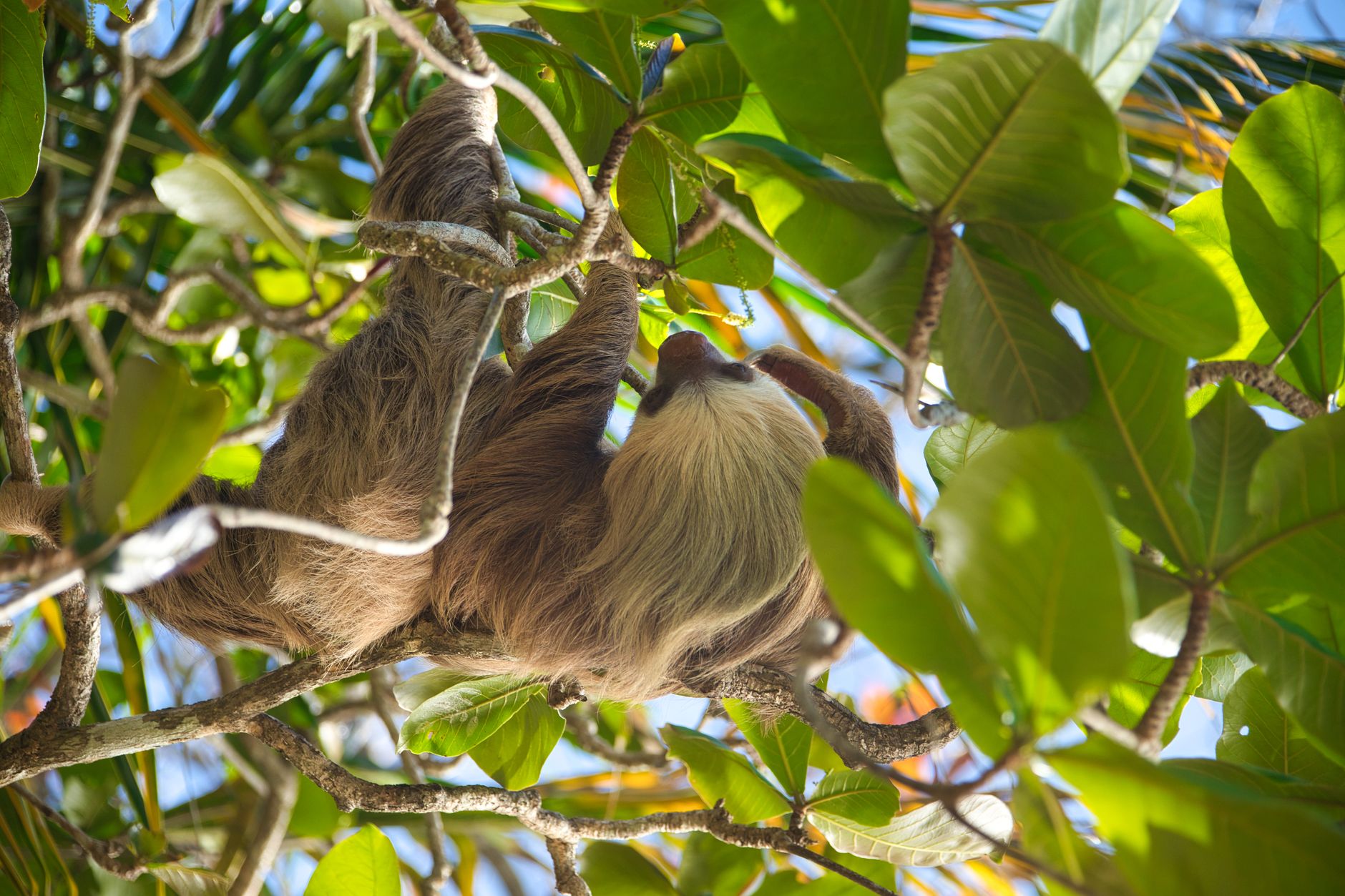
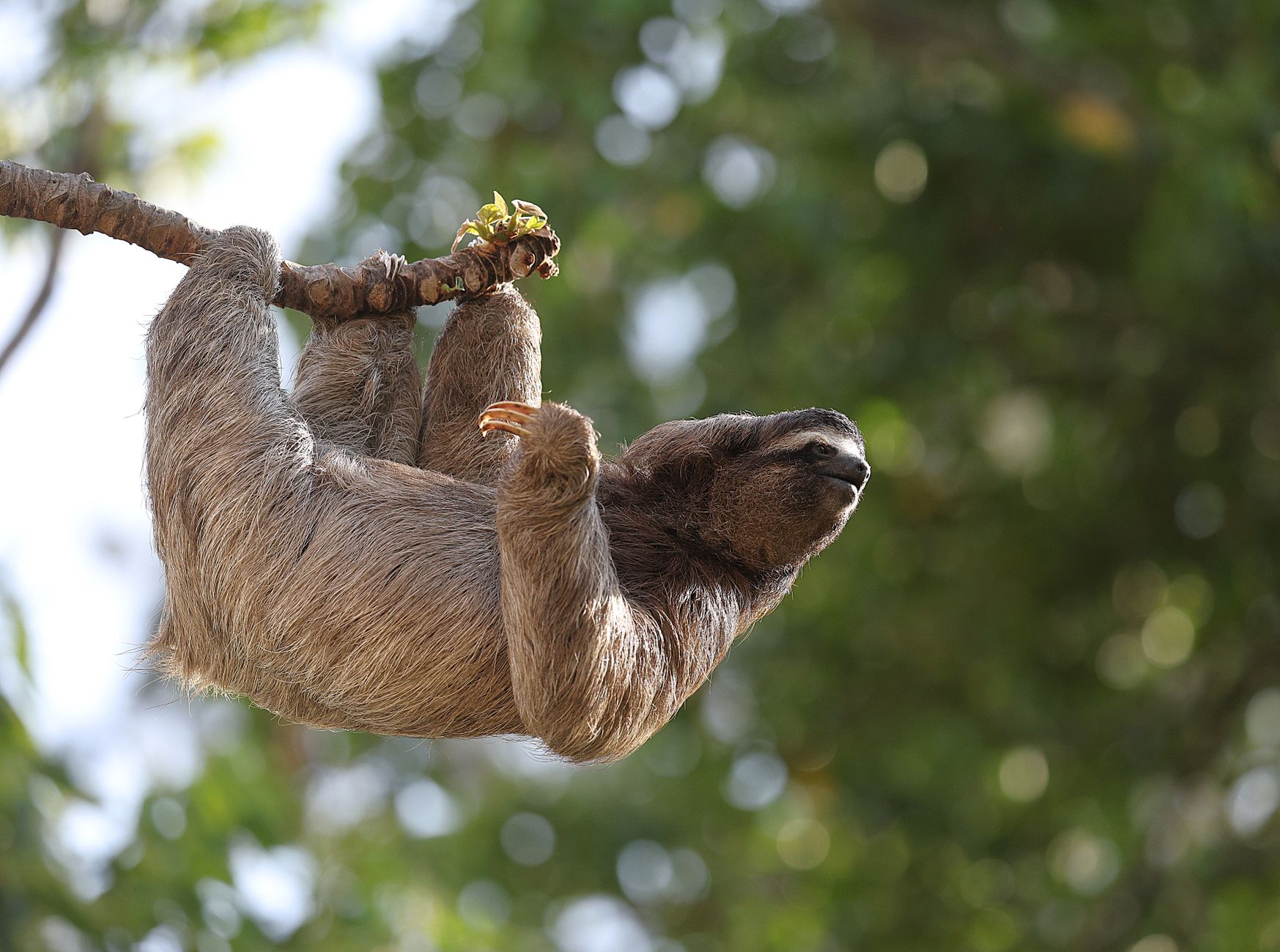
Every moment of your trip in Costa Rica feels like a gift, from watching baby turtles take their first steps to sloths moving slowly through the treetops
The locals are so welcoming and warm that you feel like a guest, not a tourist
This country proves that luxury doesn't have to mean big; it's about connecting with nature and culture
When to visit Costa Rica
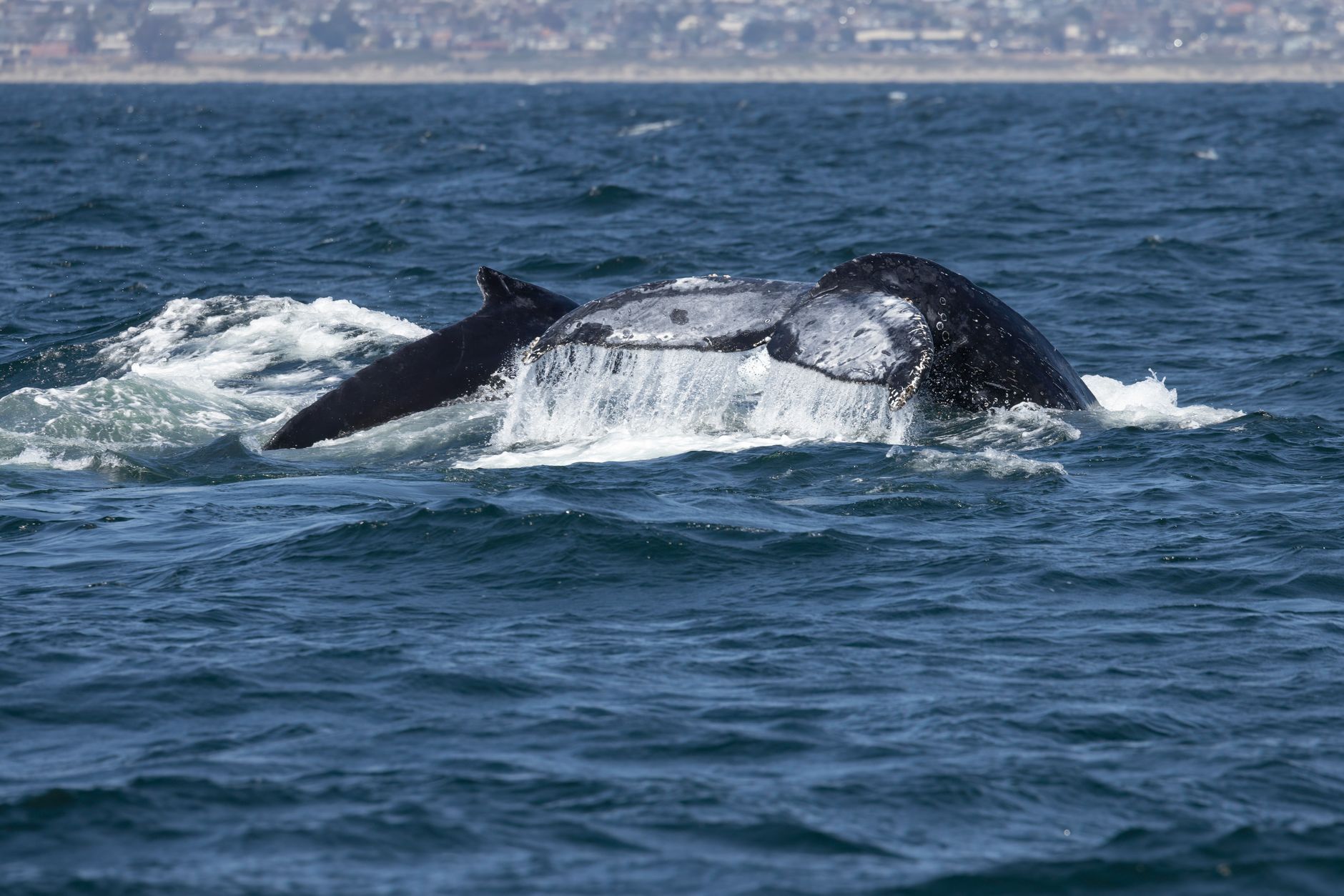
Costa Rica's climate keeps reinventing itself. This tropical country has more than twenty microclimates, so you can go from scorching sun to a refreshing downpour within minutes. The dry season (mid-December to April) is traditionally the 'best' time to visit, and it's true: the sun shines more often, the beaches suit less experienced surfers, and tourists arrive with higher prices close behind. But don't write off the rainy season (May to November): October is the wettest month, though showers rarely last long, and nature bursts into colour. This season only draws the hardier surfers and brings lower prices if you're flexible. For wildlife watchers, bullfrogs can be spotted year-round, but humpback whales appear from December to April and July to November, green sea turtles nest from July to October, and leatherback turtles come ashore from February to April. October and November are the best months for birdwatching. Whichever month you choose, Costa Rica adapts to what you're after.
Even in the dry season, sudden showers can happen, so always pack a light rain jacket
The rainy season means lower prices and fewer tourists, which makes it ideal if you're after an authentic experience
If you're hoping to spot specific animals, check the seasonal timing first to avoid disappointment
Arrival and transport
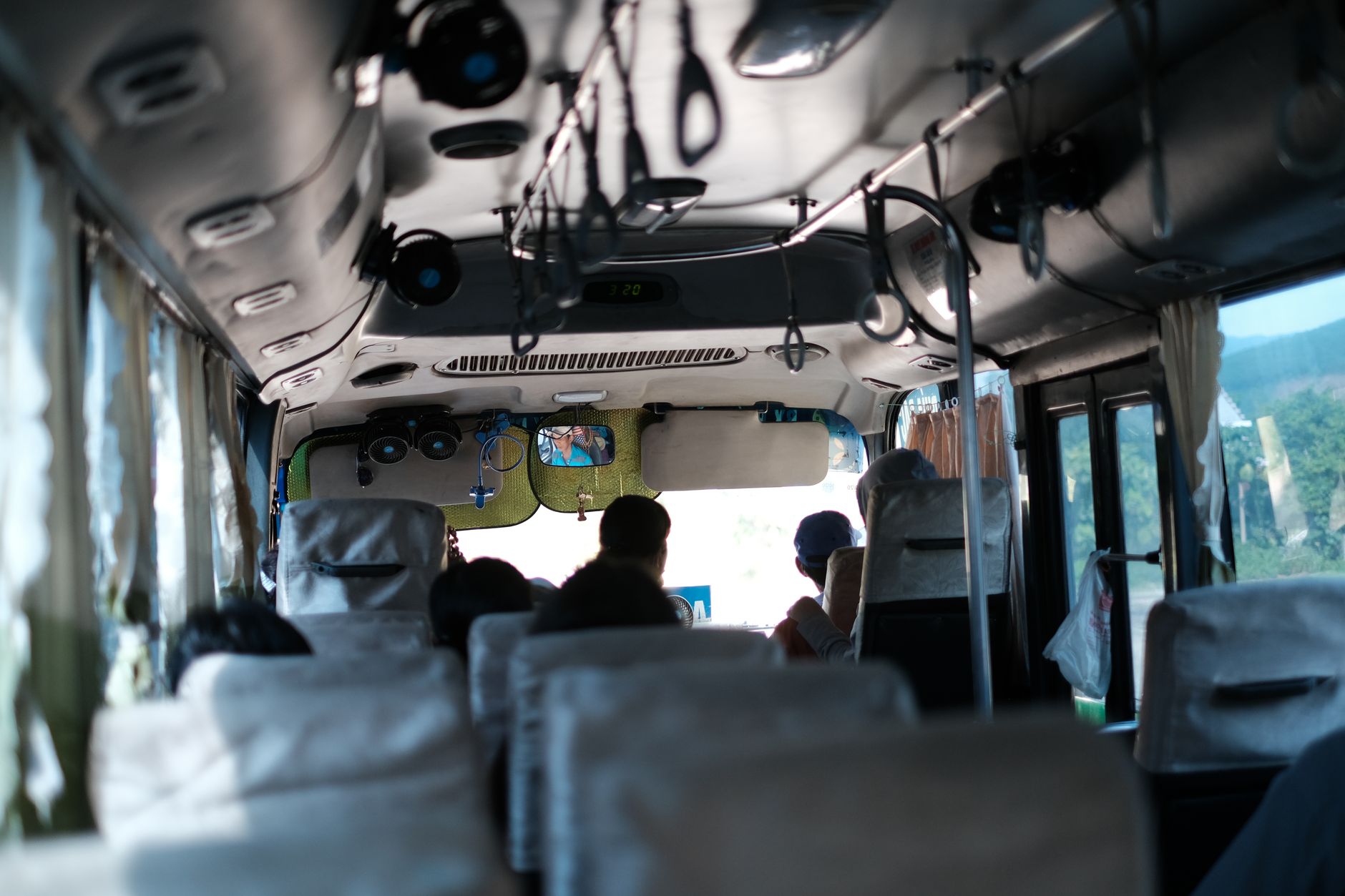
Flying to Costa Rica is the first adventure. Most passport holders don't need a visa for stays of up to 90 days, but you do need a valid passport and a return flight to get in. Once you've landed, your transport options depend on your style. Renting a car gives you freedom, but be aware: the roads have improved a lot over the years, though quality still varies, and some remote areas require four-wheel drive. Take traffic lights and speed limits seriously. Buses offer an authentic experience: long but affordable rides through landscapes that let you soak up the local culture, though timetables are about as flexible as the Pura Vida philosophy itself. For shorter distances and transfers, 12Go and local taxi services are reliable. Worth knowing: Costa Rica uses type A and B electrical outlets (120V), so bring an adaptor or buy one at the airport. Tap water is safe to drink in most areas, so save money with a reusable bottle or buy a 10-litre jug at the supermarket.
Rent a car if you want to explore independently, but be careful on mountain roads and when driving at night
Buses are a budget-friendly and culturally authentic alternative, though patience is a virtue
Make sure you bring an adaptor and a bottle holder - a small investment for a lot of convenience
Top experiments
Costa Rica's top attractions cover every kind of pure sensation. Start with Nauyaca Waterfall, considered the most breathtaking waterfall in the country, where you can swim right under the crashing water. La Fortuna is your gateway to the active Arenal volcano and natural hot springs. Picture yourself in clear water surrounded by jungle, in case you thought relaxation couldn't get any more intense. Beach lovers will find a bohemian vibe in Santa Teresa, with palm trees and waves suited to surfers of every level. Uvita's Rocas de Amancio is a hidden local gem for sunsets, while Marino Ballena National Park is famous for its unusual whale-tail-shaped beach, a geological wonder that's genuinely worth seeing. Manuel Antonio combines white sand beaches with wildlife you can spot right along the coast, thanks to the national park next door. For the more adventurous, Rio Celeste Waterfall with its surreal clear blue water, Bajos del Toro with its cascade of waterfalls, and the ziplines above the rainforest are all worth doing with a guide. Puerto Viejo and Tortuguero National Park offer promising spots for wildlife watching and can be part of a deeper adventure.
Book guides in advance, especially for waterfall hikes and wildlife tours, for both safety and local knowledge
Every beach and swimming spot has its own character, so plan at least a week to experience a few of them
Bring swimwear and waterproof bags, because jungle trips and beach days often mean getting wet
Practical tips
Let's talk money: Costa Rica has grown so popular in recent years that it's earned the nickname 'the Switzerland of Central America.' Budget an average of between 860 and 2,650 USD per person per week, depending on how you like to travel. Budget-friendly options exist, but don't expect the cheapest prices in Central America. Language: Spanish is the lingua franca, though English is widely spoken in tourist areas. Basic Spanish phrases - 'Hola' (hello), 'Gracias' (thank you), 'Disculpe' (excuse me) - will get you a long way, especially once you venture off the beaten track. Safety is generally strong, since Costa Rica has one of the lowest violent crime rates in Central America and an exceptionally welcoming population. That said, petty crime does exist, so keep your belongings secure, avoid poorly lit areas at night, and stay extra alert in busy places like San José. Natural disasters are rare but possible, given the volcanoes and earthquakes, so follow local authorities' guidance. Travel insurance isn't optional: it covers you for medical emergencies, cancelled flights and lost luggage. As for the food, try Gallo Pinto (rice and beans, the national dish), ceviche, and local fruit. Coffee here is more than a drink, it's a culture, so join a coffee tour to hear the full story.
Plan your budget and keep an eye on currency conversions - the local currency is simple, but converting it can catch you out
Learn at least ten Spanish words - it connects you with locals on a deeper level than you'd expect
Travel insurance isn't something to skip; the peace of mind it gives you is priceless in a foreign country
Generated from 2 travel guides and experiences · Sources