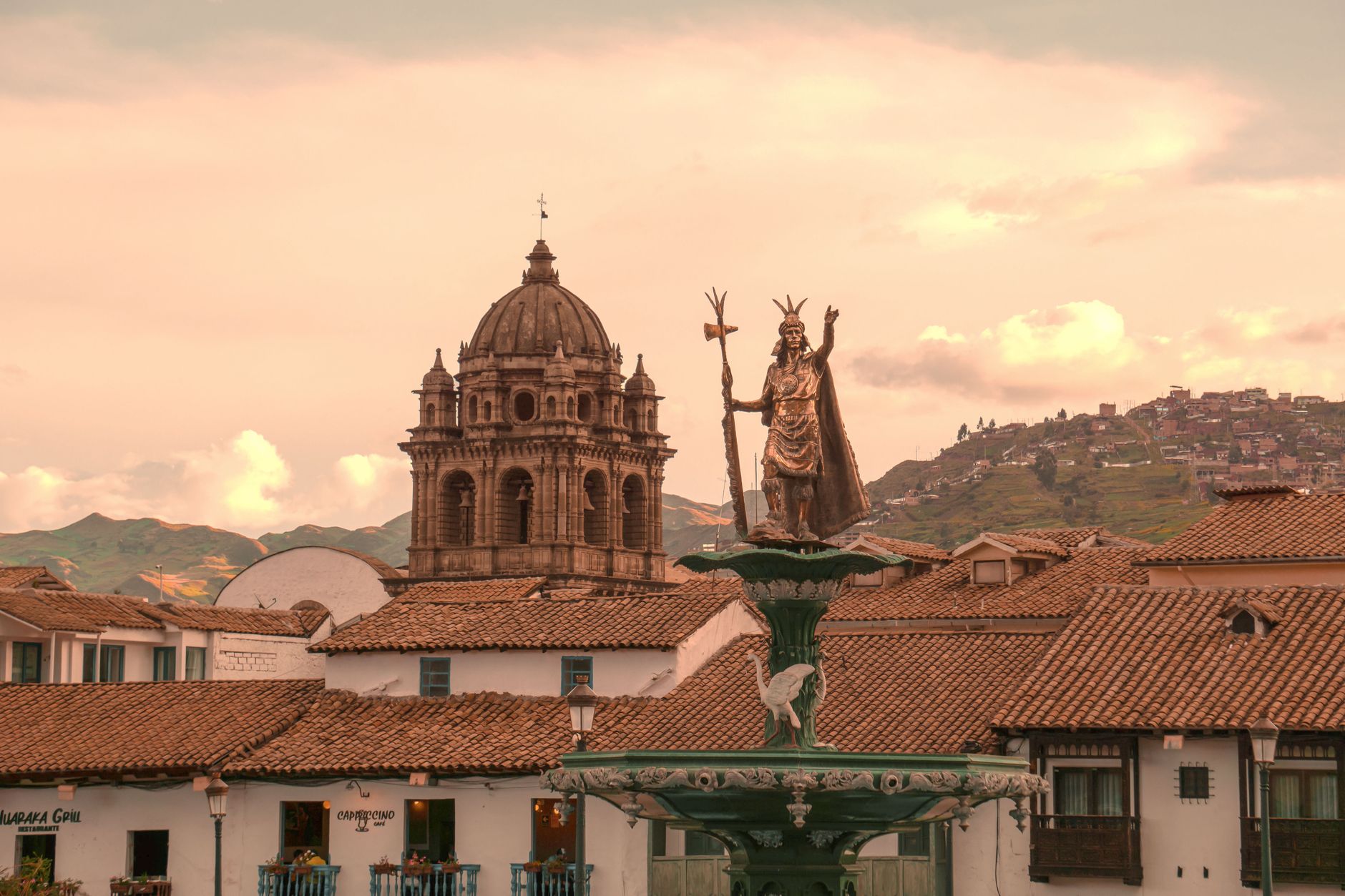
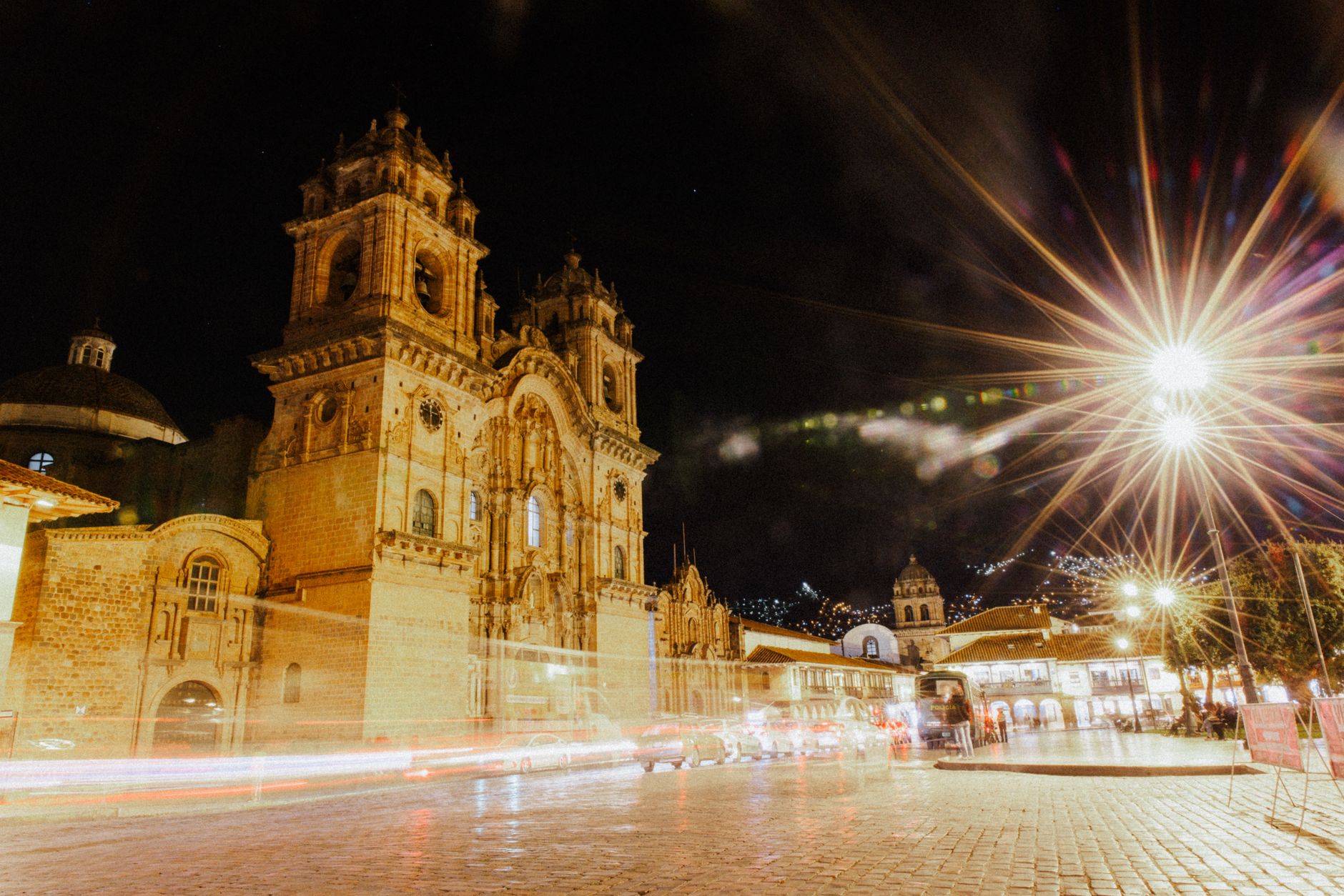
Plaza de Armas, the historic heart surrounded by colonial churches
2
Sacsayhuamán fortress, massive Inca stonework above the city
3
Day trip to the Sacred Valley: Pisac, Ollantaytambo, and salt mines of Maras
4
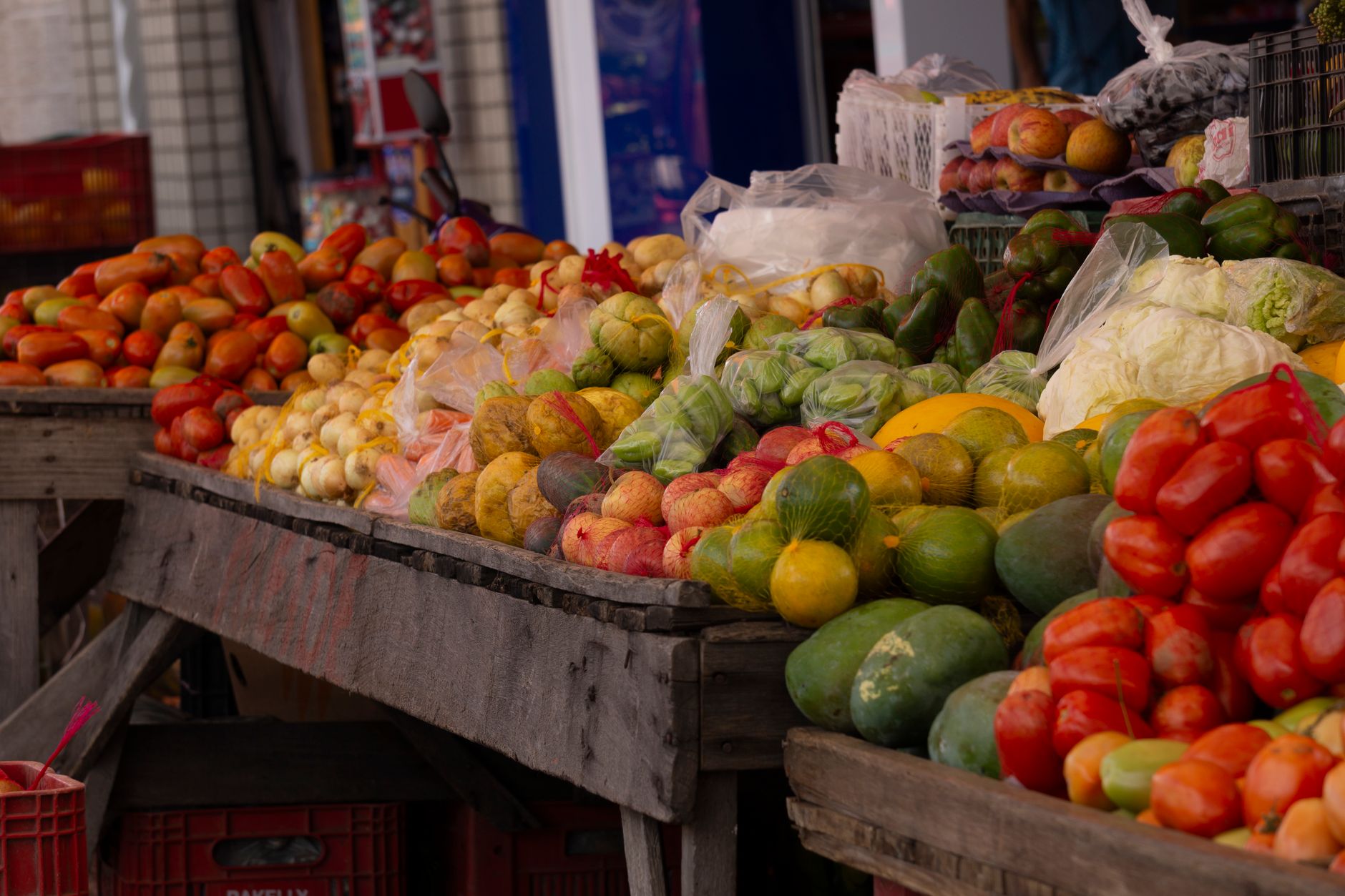
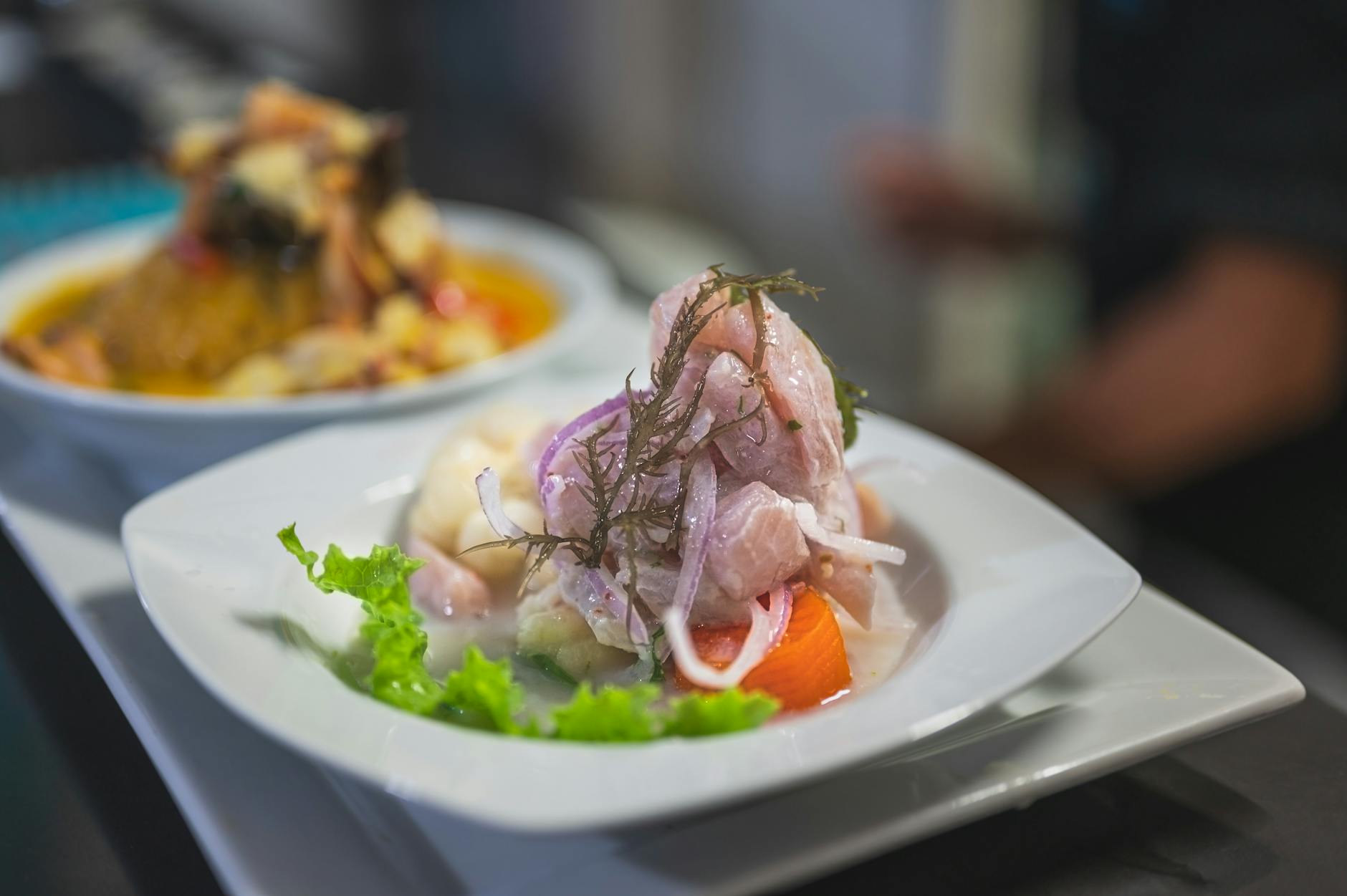
San Pedro Market, fresh juices, ceviche, and alpaca steaks
5
Rainbow Mountain (Vinicunca), a challenging high-altitude day hike
6
Train to Machu Picchu via Aguas Calientes, the bucket-list experience
Local tip
Before you go to Cusco
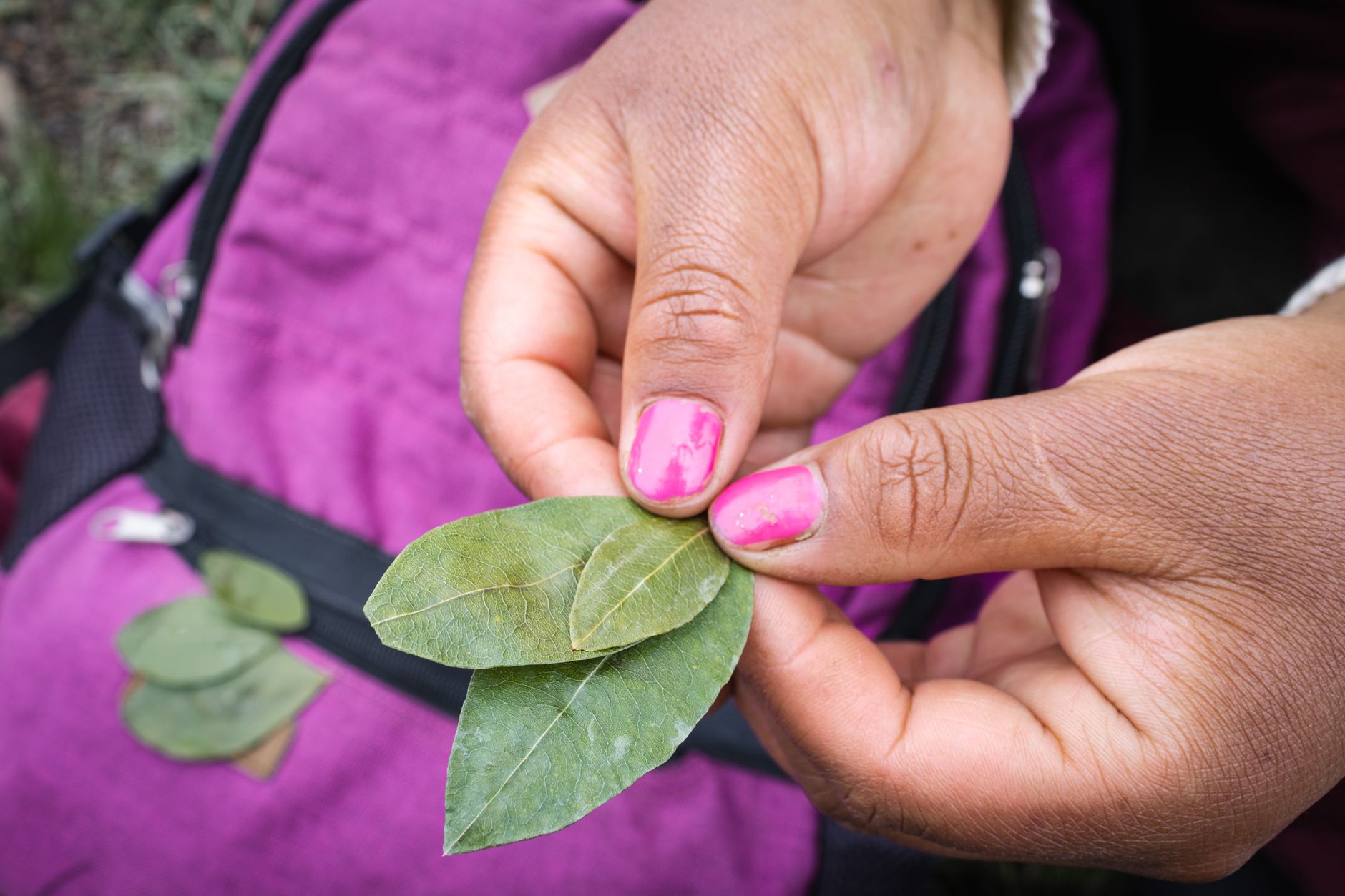
Arrive and rest day 1, altitude sickness is real at 3,400m. Drink coca tea, eat light, and avoid alcohol. Book Machu Picchu tickets and Inca Trail permits months ahead.
Content is hosted on third-party platforms. Wayloha links to public hashtag pages and does not store any social media content.
Ready to visit Cusco?
Tell Wayloha your travel style, budget and travel dates. We'll build your complete day-by-day Cusco trip plan. Your first draft is on your screen within a minute.
Cusco isn't just a destination - it's a leap back in time to the heart of the Inca empire. This UNESCO World Heritage city combines mystical ruins with colourful Spanish architecture, all wrapped in the thin, magical air of the Andes at 3,400 metres. It's the base for Peru's most spectacular adventures, and at the same time a city where you can lose yourself in winding alleys and discover why millions of travellers seek this place out every year.
Why visit Cusco
Cusco breathes history from every corner, but it doesn't feel tucked away in a museum. The city is living proof of two civilisations meeting: the architecture shows Inca ruins with Spanish churches built right on top, and cobblestone alleys lead you past small balconies where you can drink Peruvian coffee while looking out over an endless mountain valley. What really makes Cusco special is that it's not just a historic site, but a lively city with world-class restaurants, drawing in chefs from abroad thanks to the mix of rich culinary traditions and highland ingredients. For adventurers, it's the perfect base: you can visit Saqsayhuamán in the morning (an impressive old fortress with panoramic views), stroll around the San Blas neighbourhood in the afternoon with its bohemian feel, and enjoy ceviche in the evening that locals describe as the best in all of Peru. The city also works as a springboard to legendary trekking routes and the mystical Sacred Valley - all within one to two hours' drive.
Take acclimatisation seriously on your first day - it's not a weakness, your body genuinely needs time to adjust to 3,400 metres
Stay in San Blas if you're after that authentic feel: picturesque, close to the centre (a 15 to 20-minute walk) and full of boutique hostels and restaurants
Visit San Pedro Market for local energy and produce, but have dinner in a restaurant instead - the ceviche at Morena is legendary
The best time to go
Cusco has two clearly different seasons, and when you visit shapes your experience dramatically. From May to September - Peruvian winter - you get clear blue skies, comfortable temperatures around 15-17°C and very little rain. This period is hugely popular with tourists, especially June to August when things get busiest and prices rise. If you prefer quieter streets and more patient taxi drivers, April-May and September-October are your ideal months: you still get mostly good weather, but with far fewer tourists and better prices for accommodation. In the wet season (December to March) it rains regularly, which makes treks harder and can hide views behind clouds, though the landscape does look green and lush. Here's a practical detail many people overlook: because of the altitude, water takes longer to boil, so ordering food and taking a shower both take more time - worth factoring into your planning.
Plan your visit for April-May or September-October to find the perfect balance between good weather and manageable crowds
Avoid June-August if mass tourism and high prices don't appeal to you
If you want to avoid rain, skip December to March altogether
How to get there and get around
You have two practical options for reaching Cusco, and both have their advantages. If you fly, there are direct connections to Cusco's international airport from Lima (1 hour), Arequipa, La Paz in Bolivia and Bogotá in Colombia. A quick 15-minute taxi ride takes you into the city centre - efficient, but it gives your body no time to adjust to the altitude. The train option - especially the night bus from Arequipa (12 hours) - is calmer and better for your body: it gradually acclimatises to the rising altitude, which can help prevent acute altitude sickness. Within the city, getting around is easy since most sights are within walking distance, though watch your step on the steep little streets, as going uphill feels harder because of the thin air. Taxis are reliable and cheap (a standard fare is 3-6 soles, roughly USD 1-2 per ride), perfect for when your feet get tired. Many travellers combine both: flying in for speed, then taking overland routes to build in acclimatisation time in other cities.
Take the night bus from Arequipa if you have the time - it's a cheap way to adjust to altitude slowly
Taxis have fixed fares, so there's no need to haggle: 3-6 soles for a standard ride
Walking is a great way to explore, but respect your body and take it slowly for the first few days
Unmissable experiences in Cusco
Your first day in Cusco should be a quiet one - wander through San Blas, grab a coffee and let your body acclimatise. Qoricancha, the former Inca temple, is an essential visit: the site shows how Spanish conquistadors literally built on top of Inca architecture. For bigger adventures, many visitors spend a full day in the Sacred Valley to see ruins like Pisac and Ollantaytambo, plus the spiral terraces of Moray - a full-day tour from Cusco includes transport and a guide. Rainbow Mountain (Vinicunca or Palccoyo) is for those who are reasonably fit: you drive for 3 hours, then hike for 1-2 hours at over 5,000 metres to see yellow, orange, blue and red peaks. It calls for an early start (around 3am), but many tours include meals and transport, which makes the logistics easy. Machu Picchu, the legendary 'lost city of the Incas', can be visited as a day trip by train from Ollantaytambo, or you can stay overnight in Aguas Calientes to catch sunrise. Finally, Humantay Lake (at 4,200 metres) is a good way to round off your trip: a pristine blue lake reached with a 3-hour drive and a 2-hour hike - no horse rides needed, it's easily done on foot.
Book Machu Picchu tours that include transport, a guide and tickets - it takes the planning hassle off your hands
For Rainbow Mountain, set off early and make sure your tour includes meals - thin air means you'll tire faster
Humantay Lake is perfect as a final stop - quieter than Machu Picchu but just as impressive
Practical tips and preparation
Altitude sickness is the harsh reality here that nobody escapes: at 3,400 metres, almost everyone, regardless of fitness, gets symptoms like headaches, laboured breathing, dizziness and trouble sleeping. The best remedy is prevention: take it easy for your first two to three days, drink plenty of water and try coca tea (or take altitude sickness medication). Locals swear by coca leaf tea, which is cheap and legal in Peru. As for money, Cusco is pricier than other Peruvian cities, but the world-class restaurants make it worth it - banking is easy and credit cards work everywhere. When it comes to food, besides the restaurants already mentioned (Green Point for vegans, Takysan for sushi), Rucula (pizza) and Qura Bowl Bar are also worth trying. One practical detail: because of long boiling times, heating water takes a while, so meals and showers both take patience. The city is relatively safe compared to other Peruvian destinations, but use common sense at night. Finally, don't forget travel insurance - medical emergencies, theft, flight delays and lost luggage are all covered, with help available 24/7.
Drink coca tea or take altitude sickness medication to prevent problems - it's not overreacting, it's just being sensible
Cusco is pricier than other Peruvian cities, but the restaurants really are world-class - it's worth the money
Take out travel insurance before you leave - medical emergencies at altitude can be serious and expensive