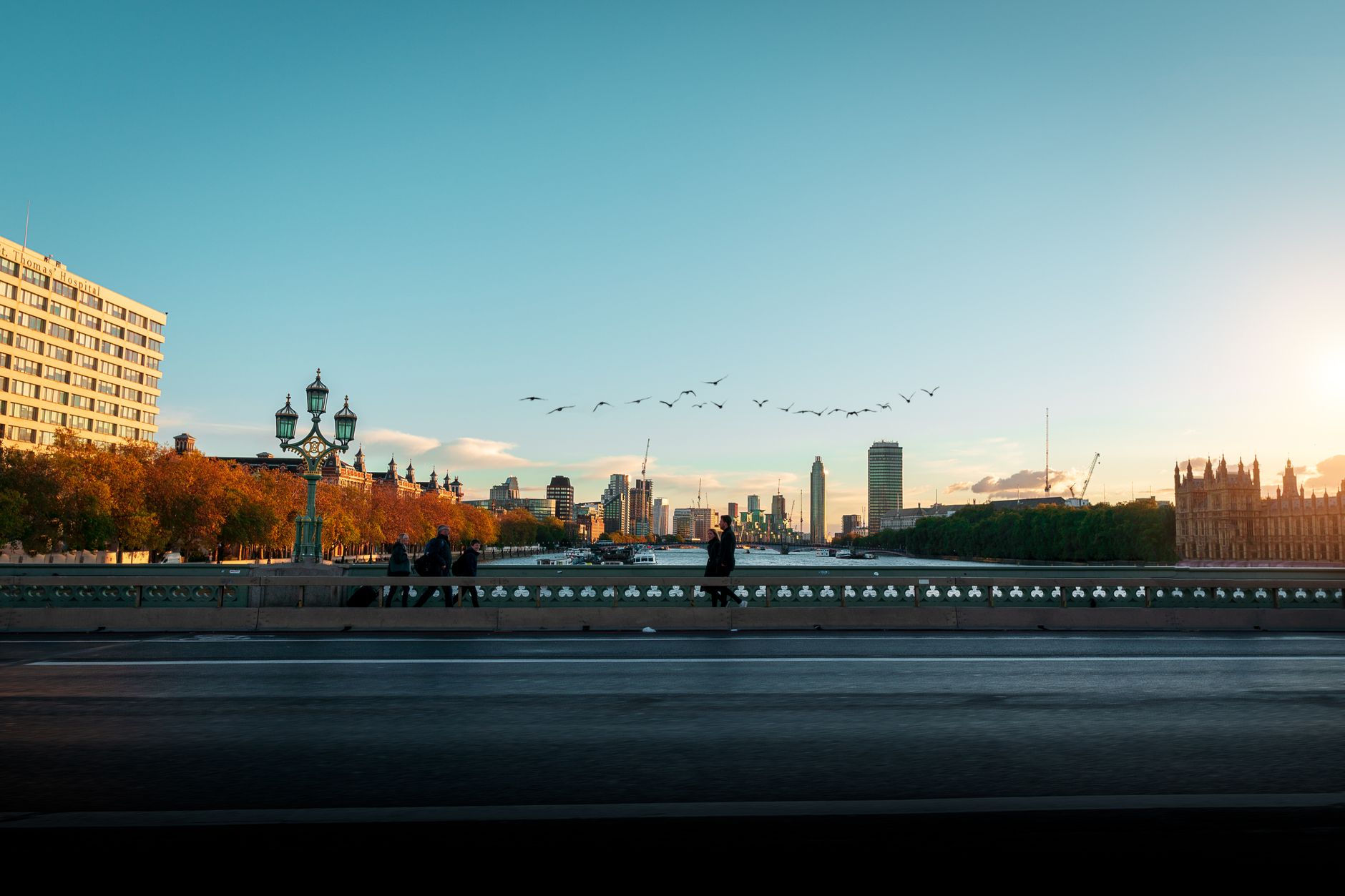
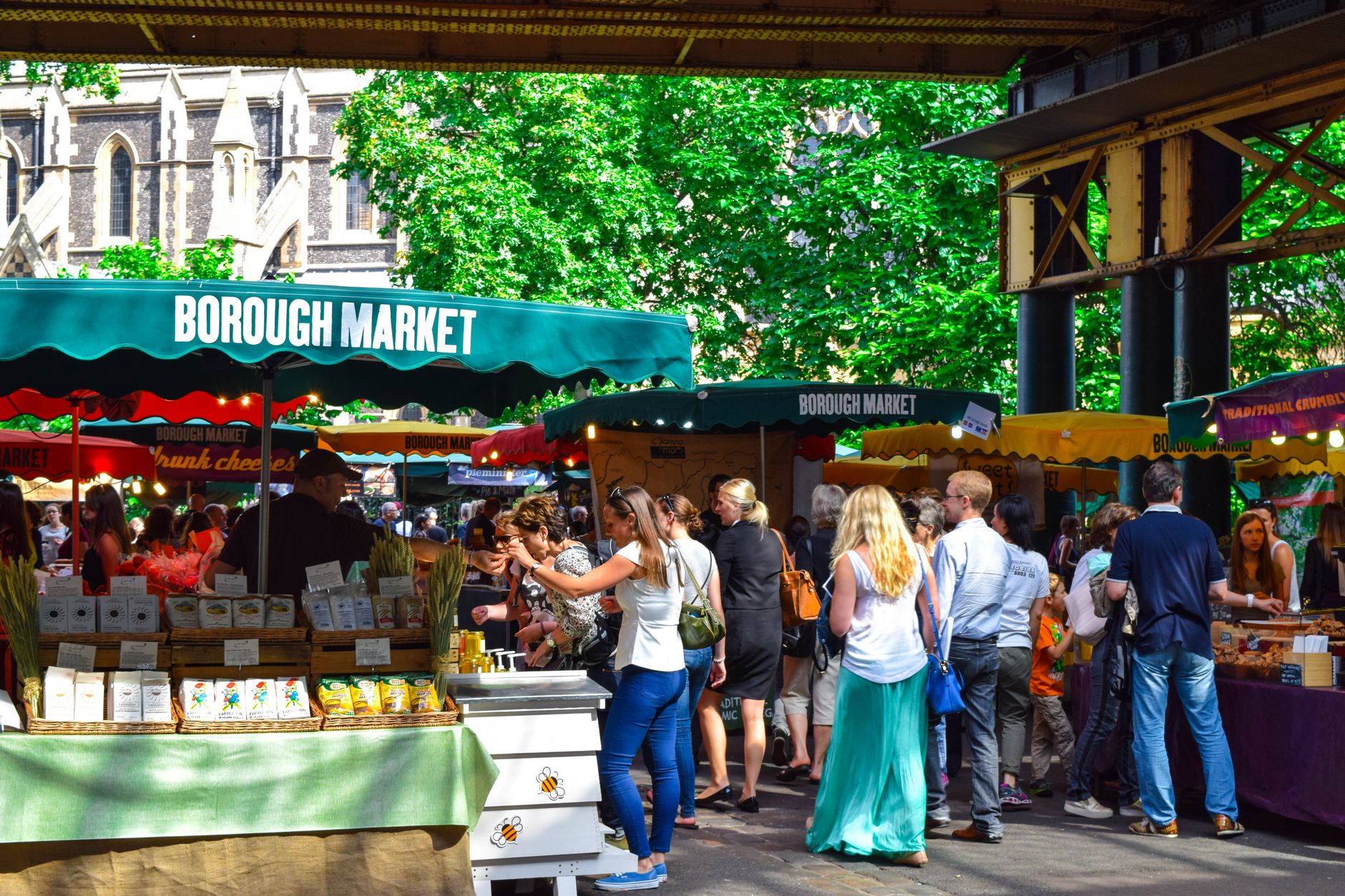
Walk the South Bank from Tower Bridge to Westminster via Borough Market
2
Explore the British Museum, Tate Modern, and the National Gallery, all free
3
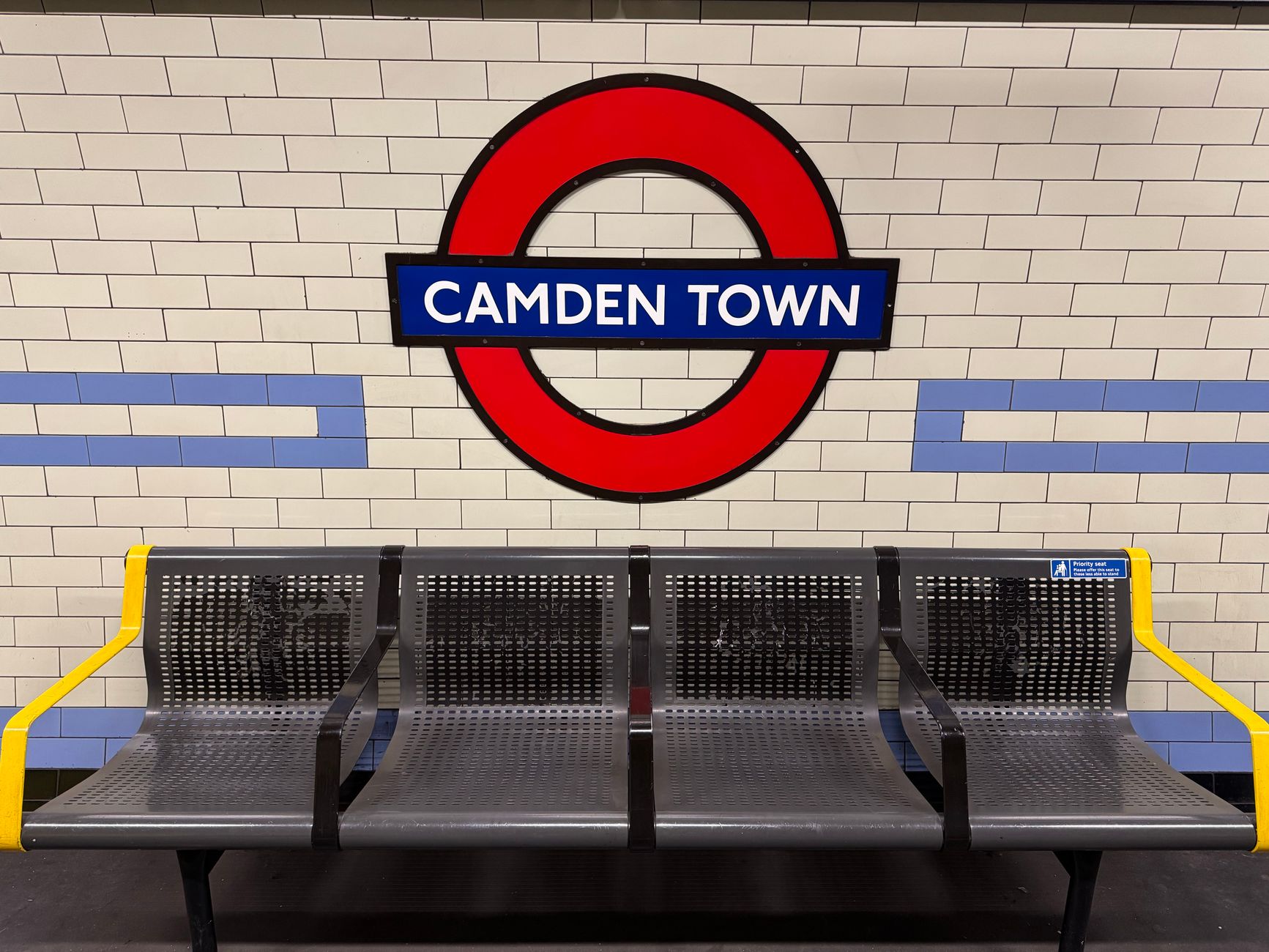
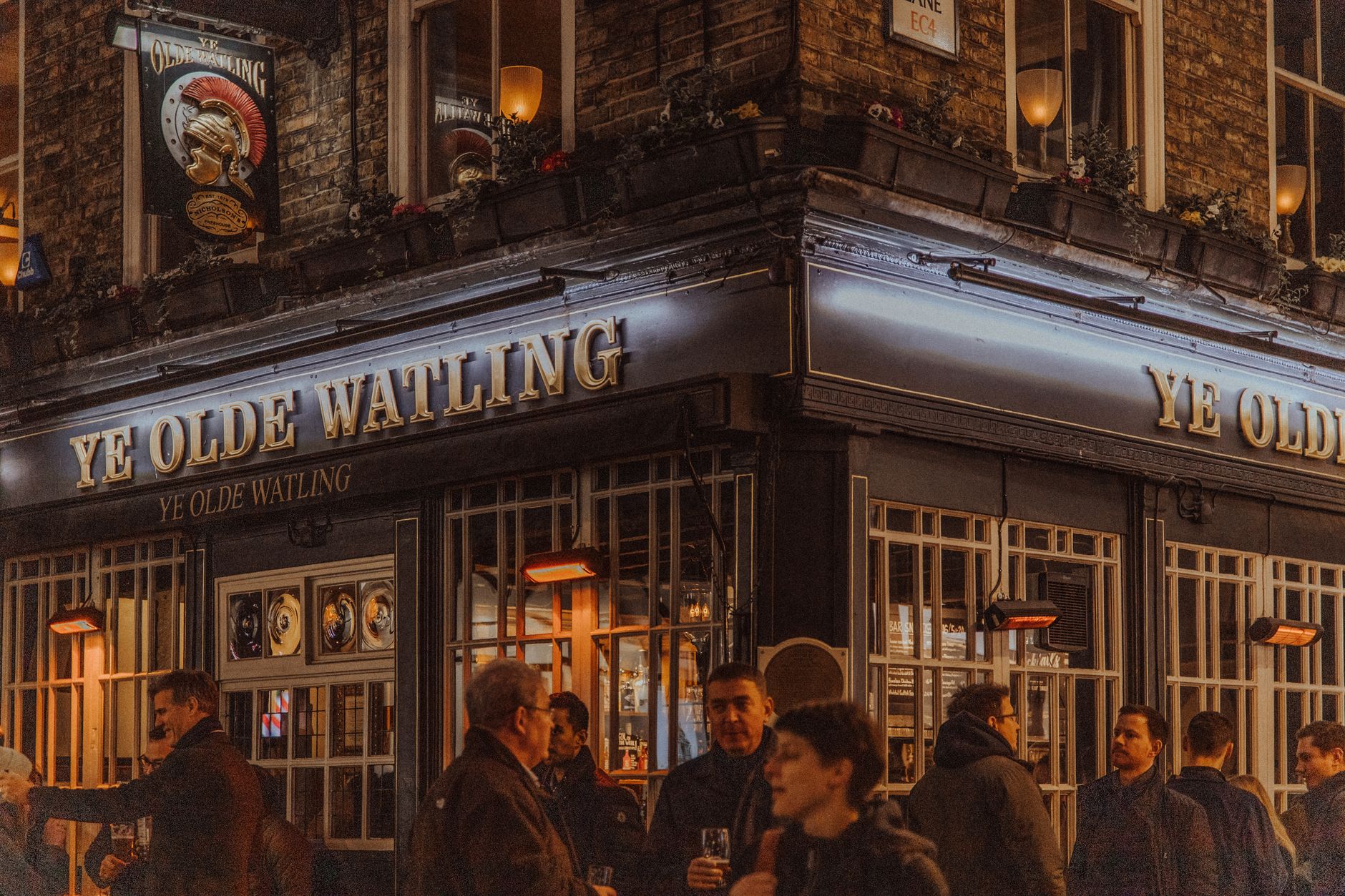
Camden Market, Portobello Road, and the hidden pubs of Bermondsey
4
See a West End show in the Theatre District
5
Brick Lane curry mile and the street food of Seven Dials Market
6
Day trip to Windsor Castle, Stonehenge, or the Cotswolds
Local tip
Before you go to London
Use contactless payment (debit card or phone) on all TfL transport, it auto-caps at the daily Oyster rate. Avoid the Heathrow Express; the Piccadilly line is much cheaper.
Content is hosted on third-party platforms. Wayloha links to public hashtag pages and does not store any social media content.
Ready to visit London?
Tell Wayloha your travel style, budget and travel dates. We'll build your complete day-by-day London trip plan. Your first draft is on your screen within a minute.
London is far more than a capital city: it's a place where history and modernity collide on every corner. Whether you're here for iconic landmarks or simply to unwind after hectic months at home, this vibrant metropolis has something for everyone who loves culture, culinary adventures and connecting with locals.
Why go to London
London draws not just first-time visitors, but travellers who keep coming back. The city has a magnetic pull that goes beyond tourist attractions. It's about the freedom to reinvent yourself, whether you're twenty or thirty. For many people escaping colder climates, whether Boston, Amsterdam or elsewhere, London offers a dynamic, lively atmosphere with endless museums, galleries and cultural spaces. What makes London truly special is the chance to treat yourself according to where you are in life. You can choose fancy restaurants without guilt, spend hours in world-class museums, or simply settle into a cosy pub. The city invites you to set your own pace, whether that means rest or adventure. Here you grow as a traveller; every neighbourhood tells a new story, and locals happily share their favourite corners with curious visitors.
Mix famous sights with lesser-known neighbourhoods for an authentic experience
Leave room for spontaneity: your best memories often happen unplanned
Embrace the London rhythm: tea, walking, conversation in cosy cafés
When to visit London
London is attractive year-round, but choosing the right time depends on what you want to experience. Summer months draw bigger crowds, which means popular museums and sights can get packed. Conversely, shoulder seasons (April to June and September to October) offer pleasant weather with far fewer tourists. Winters are cold and sometimes grey, but they bring their own magic, especially around the holidays when the city sparkles. For those fleeing warmer climates for London, such as people escaping Boston's chill or Amsterdam's cold, every season appeals. London feels more energised as seasons shift: crocuses in spring, warm evenings in summer when terraces fill up, and golden light in autumn. Before you book, check for special events, theatre season and festivals that could make your visit extra meaningful.
May to June and September to October offer ideal weather with fewer visitors
Summer is lively but crowded; book ahead and visit popular spots early in the day
Winter can feel grey, but snow and decorations make it festive
Getting there and getting around
London is easy to reach via multiple transport options, making it practical for both short and long trips. International travellers have several options: flying into one of the major airports, or taking trains and ferries, which offer greener alternatives. Europe's rail network is well-maintained and connects London directly to neighbouring countries like the Netherlands, Belgium and Germany via Eurostar. For visitors from the Netherlands, international trains are not only more environmentally friendly than flying, but often cost less too, especially when you factor in airport transfers. Once in London, public transport, Underground, bus and tram, is efficient and affordable with an Oyster Card or mobile ticket. The city is compact enough to explore much on foot, letting you absorb real London atmosphere, discover hidden alleyways and have chance conversations with locals. For trips outside the city, trains are reliable and frequent.
Buy an Oyster Card or use your phone for daily tickets, which is far cheaper than individual journeys
Consider Eurostar if you're travelling from Europe; it's comfortable and skips exhausting airports
Much of London is walkable; invest in comfortable shoes and explore neighbourhoods organically
Top sights and experiences
London is packed with world-famous museums and historic sites, but the real magic often lies in lesser-known experiences. Of course there are the iconic symbols, such as Big Ben, Tower Bridge and the British Museum, that are worth seeing. But equally valuable are intimate moments: tea in a hidden café, starting conversations with strangers in a pub, or an hour in a small museum devoted entirely to your interests. London has a rich cultural scene with theatres, galleries and performance spaces that aren't just for tourists. The best way to discover the city is by walking through different neighbourhoods, each with its own character, favourite spots and stories. Some travellers find they enjoyed a quiet moment in a park more than a crowded famous sight. This isn't because London lacks activities; it's because the city invites you to set your own pace. Reading in parks, long walks, trying food you've never had at home, visiting bars without getting drunk as the goal: these are the moments that make London unforgettable.
Book museum tickets online beforehand for faster entry
Ask your guide and the tourism office for free tips on hidden local favourites
Plan both structured activities and free time: serendipity makes the best trips
Practical tips for your visit
London is recognised as an expensive city: by international comparisons, costs can match cities like Paris, Zurich or Moscow. This means you need to plan your budget carefully. The good news is that many of London's best experiences don't have to cost much: many museums offer free or pay-what-you-wish hours, parks are free, and simply walking through neighbourhoods costs nothing. For food and drink, you can eat well and affordably in local pubs, or splash out on fancy restaurants; the choice depends on where you are in life and what your budget allows. Practically speaking, London is well connected to international services, so it's easy to arrange travel insurance. Watch your belongings in busy areas, but London generally feels safe. English is spoken, so communication isn't an issue. Finally, Londoners appreciate genuine interest in their city and culture. Strike up conversations, ask questions, and locals will happily share their favourite spots.
Use free museum hours and parks to stretch your budget
Compare prices across neighbourhoods: eating outside the centre costs significantly less
Always carry basic travel insurance; it protects you against unexpected costs
Generated from 10 travel guides and experiences · Sources