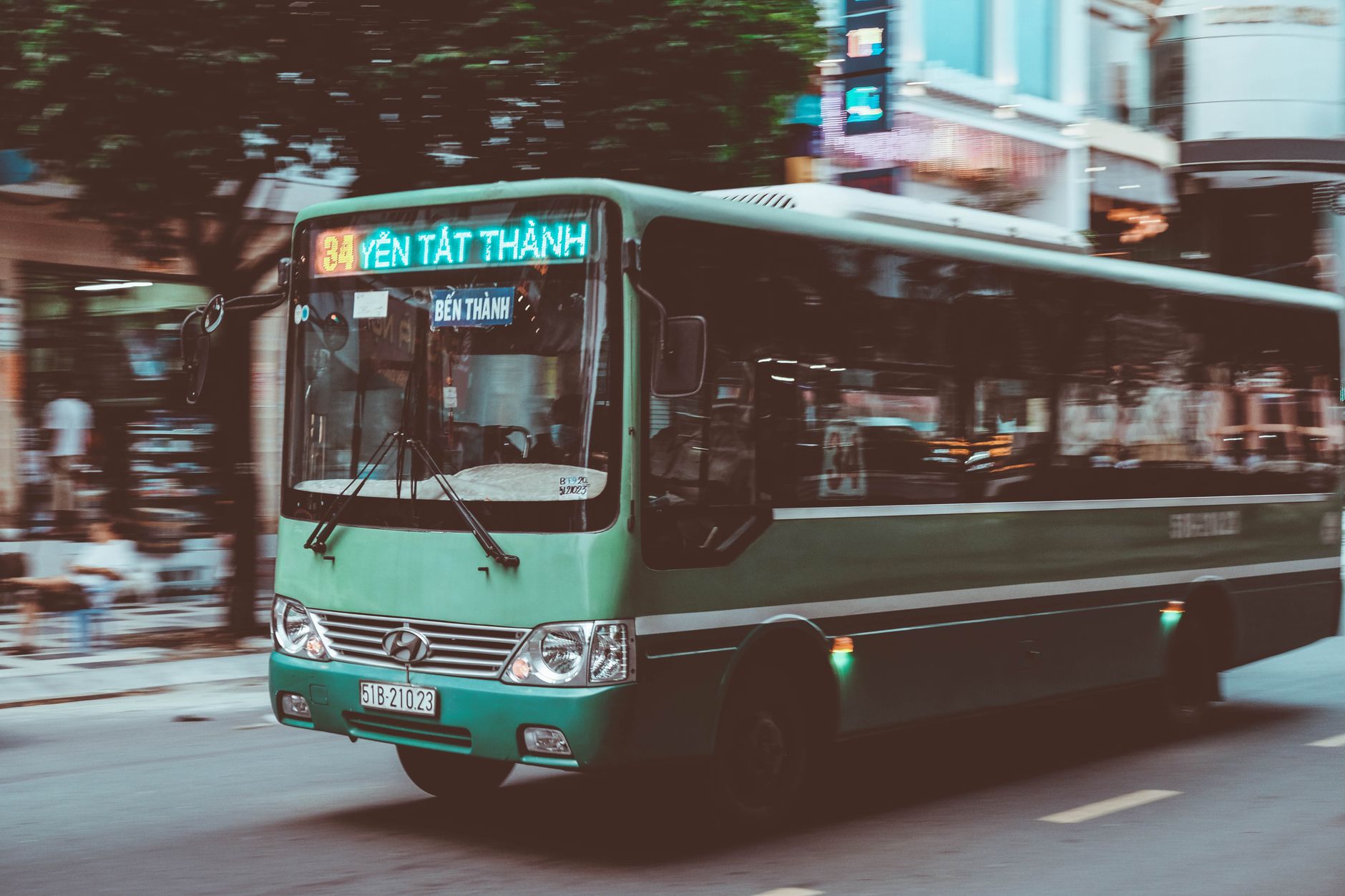
Roads are excellent in Peninsular Malaysia. KL has metro + Grab. Borneo needs car or tour packages.
Travel information
Before you go to Malaysia
✈️
Airports & entry
Malaysia has 5 major international airports. Consider Kuala Lumpur (KUL) as your main entry point, or fly in and out from different cities to see more.
🗓️
Best trip length
Most visitors spend 10–16 days in Malaysia. Shorter trips work well for focused regions; longer trips let you explore more deeply.
🗺️
Regions to know
Malaysia has 4 distinct regions. Kuala Lumpur & West and Penang & North are the most popular starting points for first-time visitors.
🚗
Getting around
Roads are excellent in Peninsular Malaysia. KL has metro + Grab. Borneo needs car or tour packages.
💡
Smart planning tip
Generate a personalised trip plan with Wayloha: just enter your budget, travel style and travel dates. Our AI reads 62 travel blogs to build your perfect route.
📋
Preparation guide
After generating your trip plan, Wayloha creates a full preparation guide, including packing list, visa info, SIM card tips, money advice and local customs tailored to your trip.
Travel inspiration
Malaysia in pictures
Real travel content from the community. See the latest photos, videos and stories from people who've already been.
Content is hosted on third-party platforms. Wayloha links to public hashtag pages and does not store any social media content.
Ready to visit Malaysia?
Tell Wayloha your travel style, budget and travel dates. We'll build your complete day-by-day trip plan. Your first draft is on your screen within a minute.
Booking.com affiliate links: Wayloha earns a small commission at no extra cost to you
Travel guide
All about Malaysia
Malaysia is a fascinating destination that delivers the best of both worlds: a maritime region full of islands, beaches and jungle, with connections to mainland Southeast Asia. Whether you're exploring Kuala Lumpur's modern skylines or losing yourself in Borneo's natural beauty, this country offers incredible diversity for every traveller.
Why visit Malaysia
Malaysia has a strong identity as part of Southeast Asia's maritime region, alongside Indonesia, Singapore, the Philippines and Brunei. This gives the country a unique position combining cultural richness with natural wonders. The location makes it an ideal hub for travellers wanting to pack multiple experiences into one trip: you can spend a day in a buzzing metropolis and wake up the next morning in tropical rainforest or on untouched beaches. The mix of modern infrastructure with traditional culture, accessibility across different budgets, and the ability to move quickly between contrasting landscapes, makes Malaysia distinctly appealing. The country blends travel convenience with genuine adventure.
Combine a city trip to Kuala Lumpur with island-hopping or jungle experiences for a complete Malaysia experience
The maritime location means you can play with weather and climate by timing your regional movements well
Accommodation ranges from budget hostels to luxury resorts, giving you flexibility in what you spend
When to go: seasons and planning
The climate in Southeast Asia shifts considerably depending on where you are and when you travel. Malaysia experiences monsoon rainfall, with the northwest and certain coastal areas hit hard from June to October. The southeastern coast and the Gulf of Thailand are affected more heavily a bit later, from October to December. These rainy periods bring heavy downpours and regular storms, making boat travel risky and forcing many accommodations and ferry services to close. Yet travellers who brave the wet season enjoy significantly lower prices and far fewer tourists. You'll need to pack rain gear and keep realistic expectations about service availability. Always book essential activities well ahead, especially popular boat trips, train journeys or trekking tours. Peak season from November to March brings dry weather and full accommodation.
Book your stay at least several weeks ahead for the dry season (November to March) to secure availability
Consider the wet season if you have flexibility: lower prices and smaller crowds often outweigh the uncertain weather
Always check directly whether attractions are open before you leave, especially during or just after the rainy period
Getting in and getting around
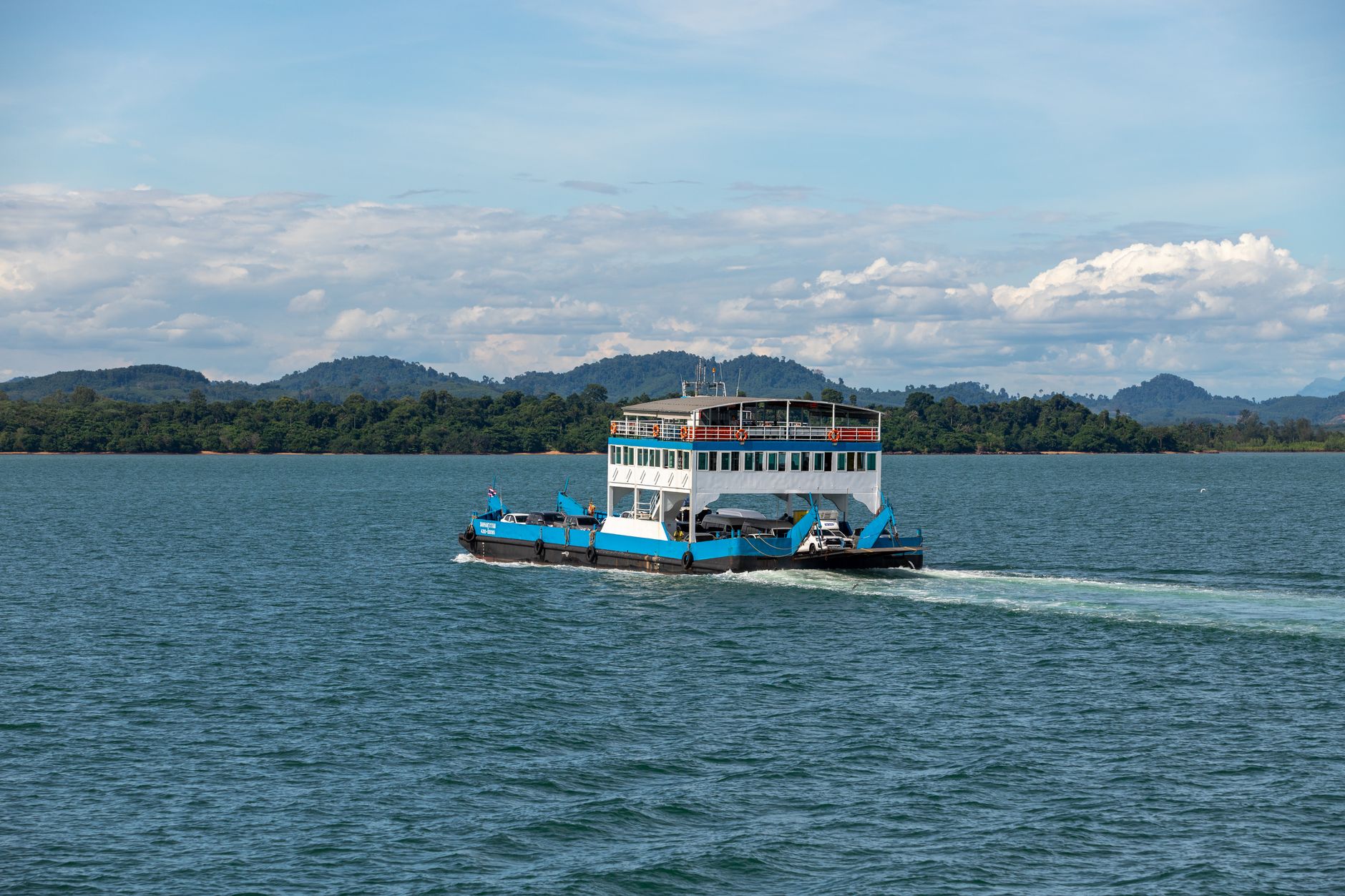
Malaysia is easily reached through its major airports, with Kuala Lumpur as the primary gateway for international flights. Once in the country, local transport is affordable and reliable. For short stays, like a three-day visit to Kuala Lumpur, expect modest spending: accommodation around $50 per night, flights vary but regional connections can run to around $435. Local transport within cities is extremely cheap: many travellers report monthly transport costs of roughly $133 when staying longer. Public transport in major cities is well developed, with buses, trains and taxis available at all hours. Car rental is an option, though many travellers prefer public transport for its convenience and cost savings. For islands and coastal areas, boat services are essential, with frequency heavily dependent on the season.
Use public transport in cities where possible: it's cheap, reliable and well signposted in English
Check boat schedules and frequencies before you book, especially if you're travelling outside peak season
Save on longer stays: a month's accommodation can run to $600-700 for simple lodgings
Highlights and experiences
Malaysia offers a wealth of experiences you can mix to suit your style. If you're a planner, it makes sense to book your top priorities in advance: popular boat trips, jungle trekking and boutique stays can fill up quickly. The maritime nature of much of the country means island-hopping is a core activity; many travellers combine urban exploration with access to coastal paradises. Jungle experiences are most prominent in parts of Borneo and other forested areas. Whether you're doing a quick three-day city trip or staying longer, the flexibility to shift your plans is valuable. The ability to linger where you're enchanted, or move on fast if something doesn't grip you, gives you a far richer experience than strict planning allows.
Book popular boat and train trips well in advance, especially outside the wet season
Leave space in your itinerary for spontaneous discovery: many travellers find their favourite spots through local tips along the way
Combine at least one island or coastal experience with your city time for the full Malaysia experience
Practical information: money, language and culture
When planning your trip to Malaysia, you can travel budget-consciously. A three-day visit to Kuala Lumpur on your own can run to about $750 if you choose basic hostel accommodation. For longer stays of one to three months, daily costs drop significantly - many travellers report simple lifestyles with monthly accommodation costs between $150 and $350, depending on comfort level. English is widespread in urban areas, with much public signage and restaurant menus available in English, making travel particularly easy. This sets Malaysia apart as one of Southeast Asia's most accessible destinations for independent visitors. Culturally, respecting local customs is essential. If invited into a Malaysian home, remove your shoes before entering: a gesture that earns appreciation in many places. Avoid pointing the soles of your feet towards people, which is seen as disrespectful. The population is predominantly Muslim-oriented in many areas, so clothing that covers shoulders and upper legs is recommended, especially in religious or rural contexts.
Many English speakers in cities and tourist areas make communication relatively straightforward for international visitors
Always remove your shoes when entering a local home: this is a universal sign of respect
Dress modestly, especially outside tourist areas, to honour local norms and to feel more comfortable yourself
Take advantage of flexible budgeting: you can experience luxury for the same price as basic living elsewhere
Generated from 11 travel guides and experiences · Sources