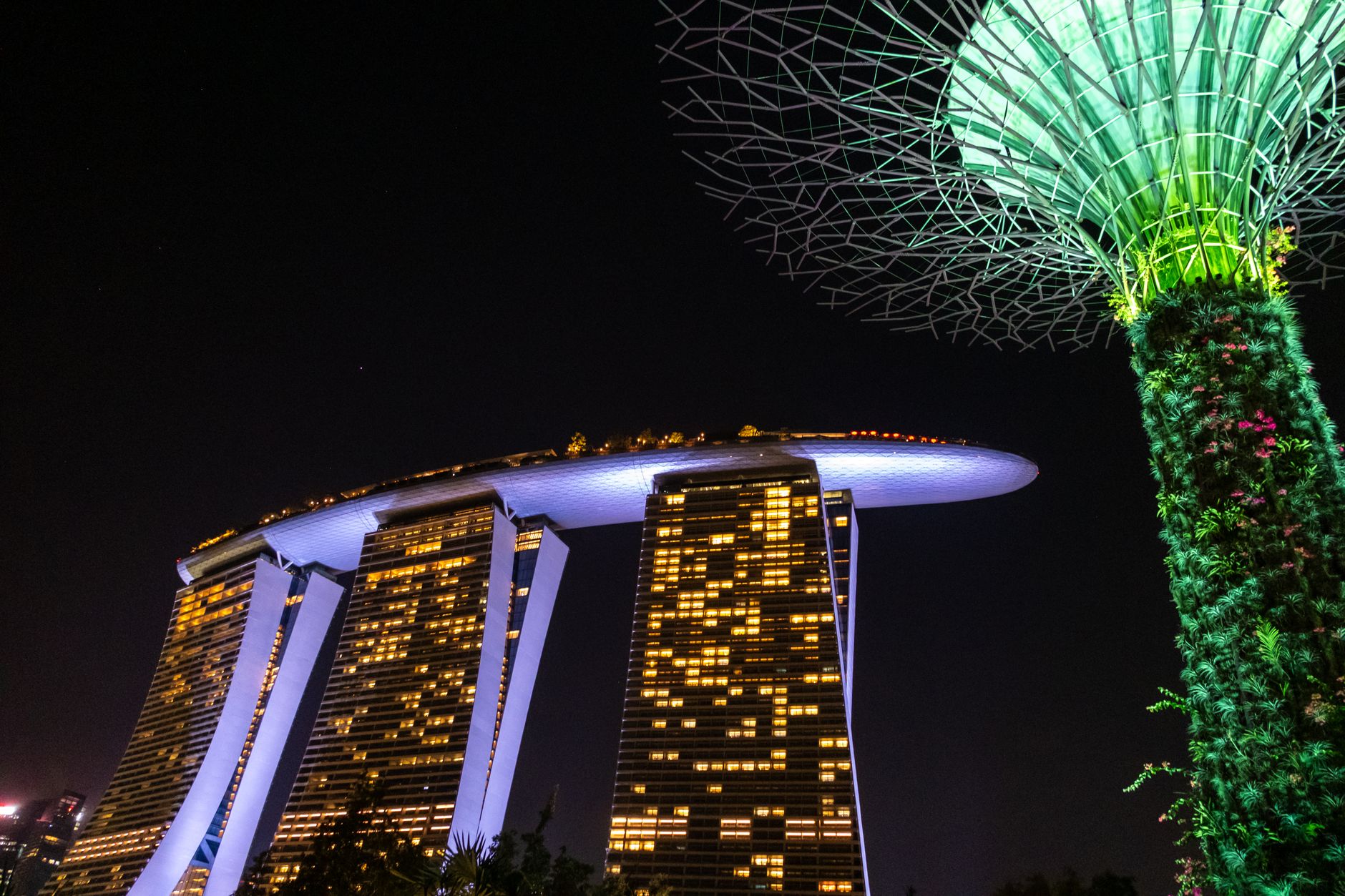
Gardens by the Bay Supertree Grove, free light show every evening
2
Marina Bay Sands SkyPark observation deck for the iconic skyline view
3
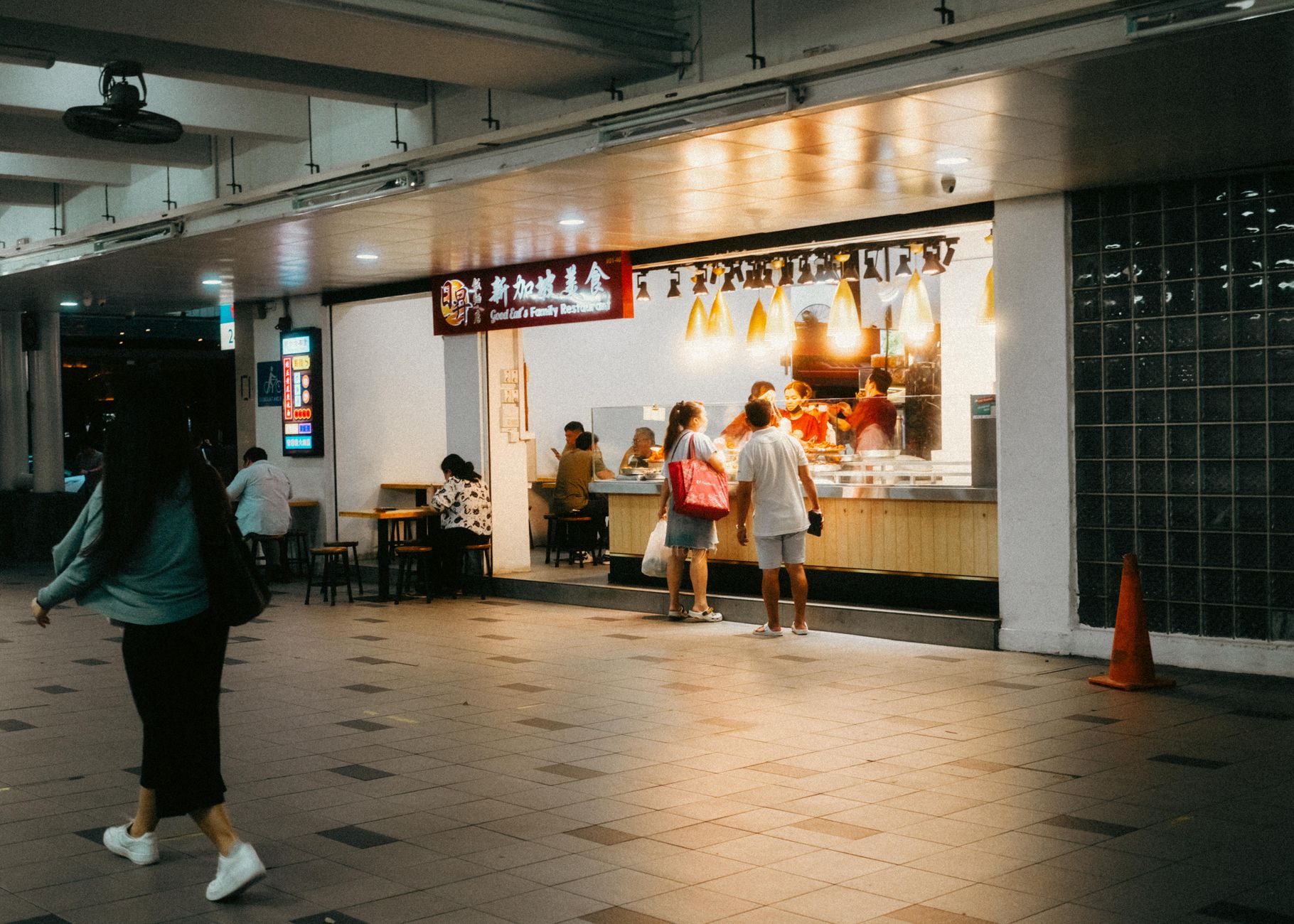
Hawker centres: Maxwell, Lau Pa Sat, and Chinatown Complex for $3 meals
4
Little India and Kampong Glam, colourful cultural quarters
5
Singapore Zoo and Night Safari, world-class wildlife experience
6
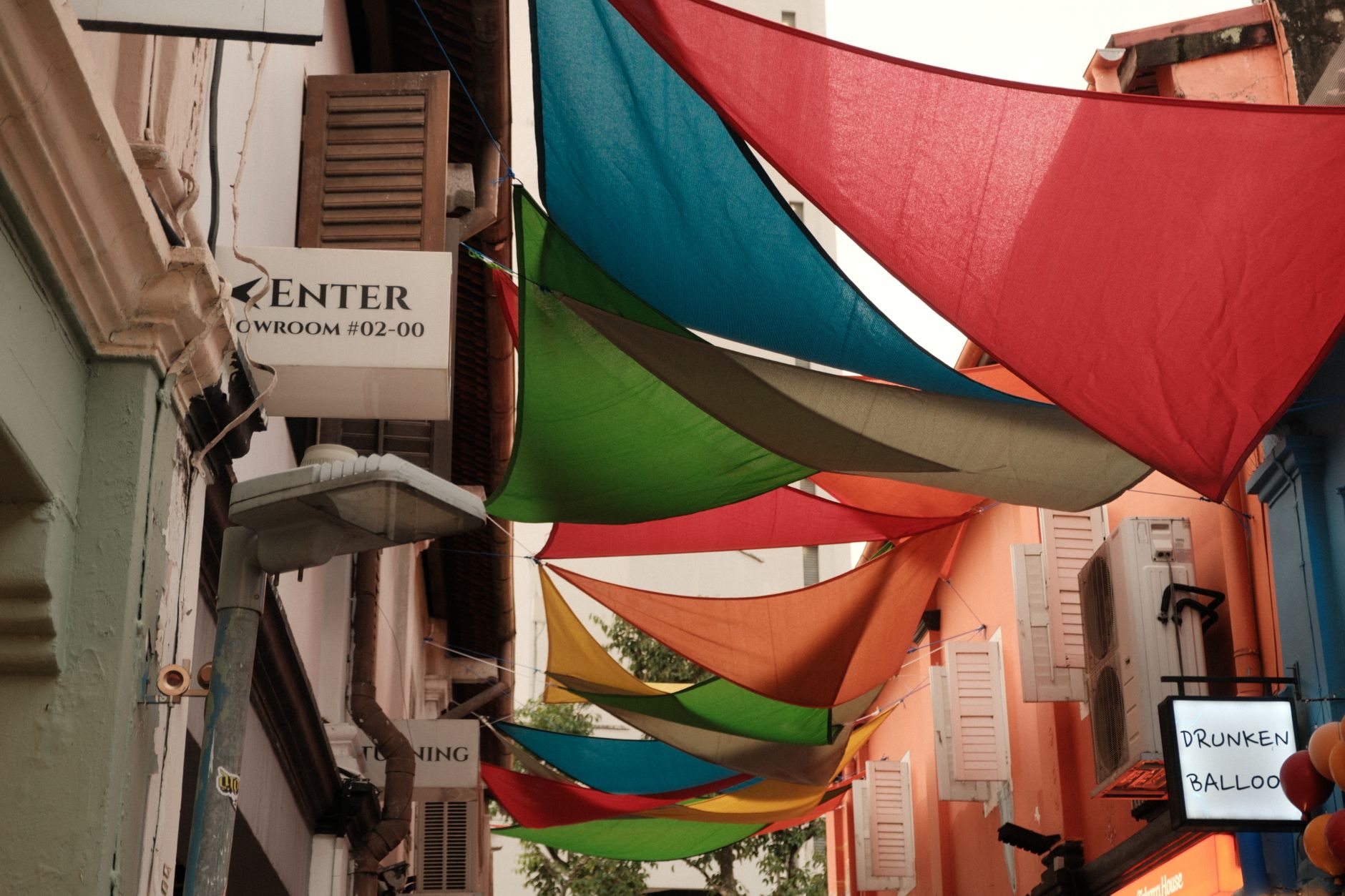
Clarke Quay riverside bars and the Haji Lane boutique strip
Local tip
Before you go to Singapore
Singapore is compact and the MRT covers everything. Get a Singapore Tourist Pass for unlimited rides. Hawker centres are the real dining experience, look for Michelin Bib Gourmand stalls.
Content is hosted on third-party platforms. Wayloha links to public hashtag pages and does not store any social media content.
Ready to visit Singapore?
Tell Wayloha your travel style, budget and travel dates. We'll build your complete day-by-day Singapore trip plan. Your first draft is on your screen within a minute.
Singapore is a fascinating destination, blending futuristic architecture seamlessly with centuries-old traditions and green oases. This city-state, sitting between the Pacific and Indian Oceans, proves that a small island can hold enormous charm and diversity, which makes it an ideal stopover on your Asian adventure.
Why visit Singapore
Singapore is known as a crucial hub in Asia, where trade routes converge and cultures meet. The city-state works perfectly as a connecting point for travellers making their way through Southeast Asia, thanks to its strategic position between the Indian and Pacific Oceans. But what really makes Singapore special is how it has built a modern metropolis without losing its multicultural heritage. Here you'll find not just glass and steel, but meaningful encounters with local traditions, excellent transport, and one of Asia's most efficient infrastructures. The city draws globetrotters who want to spend a few days here before exploring deeper into Southeast Asian territory, or who see it as a fitting final stop on a bigger Asian adventure.
Singapore works as the perfect springboard to other Asian destinations thanks to its central location
The efficient infrastructure and organised chaos make it ideal if you're looking for a contrast to more chaotic Asian cities
Plan at least 3 days if you want to explore the many sides of the city
Best time to visit
Singapore has a tropical climate with high temperatures and high humidity all year round, so you can always expect warm weather. The dry seasons (December to March and June to September) offer the most pleasant travel conditions with less rain, though the winter months from December to February form peak tourist season. This is exactly when many international travellers are in Asia looking for cheaper flights to nearby hubs like Singapore, which pushes up prices for accommodation and attractions. If you have some flexibility, try to avoid school holidays outside of May; outside these periods, you can save a good amount on flight tickets. The summer months (April-May and October-November) bring more rain, but far fewer tourists, which can mean better prices and more authentic experiences without the crowds.
Book your flight outside peak season (May, October-November) for significantly cheaper fares
December to February is peak season; expect higher prices but also the driest weather
Keep your itinerary loose so you have room for spontaneous changes to your route and activities
Getting there and getting around
Singapore is an excellent gateway for Asian travel, mostly because it's one of the most accessible and affordable hubs in the region. You'll find cheap connections here through budget airlines like AirAsia to places such as Thailand, Malaysia and the Philippines. Singapore's airport is well connected to global networks, which means you'll often find cheaper flight routes here than flying direct to other destinations. Once you've landed, public transport is reliable and affordable, much better than taking a taxi from the airport, where aggressive touts try to talk you into a ride. Singapore's metro and bus fleet are modern and efficient, perfect for getting around the city. If you want to head to nearby destinations, Johor Bahru, just across the border in Malaysia, offers train connections to Kuala Lumpur and onward to Thailand, an epic roughly 48-hour train journey for around 80 US dollars.
Avoid pricey taxi rides from the airport - use the modern, affordable public transport instead
Look into budget airline connections through Singapore to nearby Asian countries
The train route via Johor Bahru to Kuala Lumpur and Bangkok is one of Asia's most enjoyable travel experiences
Highlights and experiences
The best way to explore Singapore is to give yourself 3 days and walk deliberately through its different neighbourhoods. The Marina Bay area is the heart of modern Singapore, where futuristic architecture dominates and you can enjoy parks and waterfronts. Beyond this glossy surface, though, lie deeper experiences: traditional temples, street markets where local food is cooked up, and cultural enclaves that carry you into different worlds. This is where Singapore reveals its real charm, not in the highlights, but in the nuances in between. Hawker centres aren't just places to eat, they're social hubs where locals gather; here you'll find authentic, multi-flavoured experiences that reflect the city's multicultural history. Green spaces, from botanical gardens to parklands, offer a break from the city buzz and are essential for pacing yourself if you're staying several days.
Spend at least one full day exploring hawker centres and street food - this is where the real Singapore lives
Combine modern sights (Marina Bay) with traditional spots (temples, local neighbourhoods) for balance
Take the time to walk through different cultural enclaves to see beyond the tourist surface
Practical travel information
When it comes to money, Singapore is more efficient and transparent than many other Asian destinations, though it's not the cheapest region. Your budget depends a lot on your travel style; you can find everything from basic hostels to luxury hotels, much like the accommodation choices in Bali or other Asian destinations. The currency is the Singapore Dollar, which you can easily exchange at the airport and via ATMs all over the city. English is widely spoken as a second language, which makes communication easier than in many other Asian cities. When it comes to safety and etiquette, Singapore is extremely safe and orderly, perhaps too orderly for anyone chasing adventure, but that also means you won't need to worry about many of the uncertainties that come with other Asian cities. Local customs matter: Singapore has strict rules of conduct, and you'll want to be respectful in temples and public spaces. Do some research beforehand on what's acceptable and what isn't, especially around the local customs and religions represented in this multicultural city.
English is widely spoken; communication is much easier than in many other Asian destinations
Singapore is extremely safe and orderly, a notable difference from more chaotic Asian cities
Respect local customs and religious sites; research cultural etiquette beforehand
Generated from 5 travel guides and experiences · Sources