Korea's KTX bullet train connects major cities quickly. Cars useful for Jeju Island and rural areas only.
Travel information
Before you go to South Korea
✈️
Airports & entry
South Korea has 4 major international airports. Consider Seoul Incheon (ICN) as your main entry point, or fly in and out from different cities to see more.
🗓️
Best trip length
Most visitors spend 5–16 days in South Korea. Shorter trips work well for focused regions; longer trips let you explore more deeply.
🗺️
Regions to know
South Korea has 4 distinct regions. Seoul & Gyeonggi and Busan & Southeast are the most popular starting points for first-time visitors.
🚗
Getting around
Korea's KTX bullet train connects major cities quickly. Cars useful for Jeju Island and rural areas only.
💡
Smart planning tip
Generate a personalised trip plan with Wayloha: just enter your budget, travel style and travel dates. Our AI reads 62 travel blogs to build your perfect route.
📋
Preparation guide
After generating your trip plan, Wayloha creates a full preparation guide, including packing list, visa info, SIM card tips, money advice and local customs tailored to your trip.
Travel inspiration
South Korea in pictures
Real travel content from the community. See the latest photos, videos and stories from people who've already been.
Content is hosted on third-party platforms. Wayloha links to public hashtag pages and does not store any social media content.
Ready to visit South Korea?
Tell Wayloha your travel style, budget and travel dates. We'll build your complete day-by-day trip plan. Your first draft is on your screen within a minute.
Booking.com affiliate links: Wayloha earns a small commission at no extra cost to you
Travel guide
All about South Korea
South Korea is a country where centuries-old traditions flow seamlessly alongside ultramodern cities, and where every alley leads you towards a new adventure. Whether you're walking through the graceful architecture of Gyeongbokgung Palace or losing yourself in the narrow streets of a traditional hanok village, you feel the pulse of a culture that embraces both its past and its future at once.
Why visit South Korea
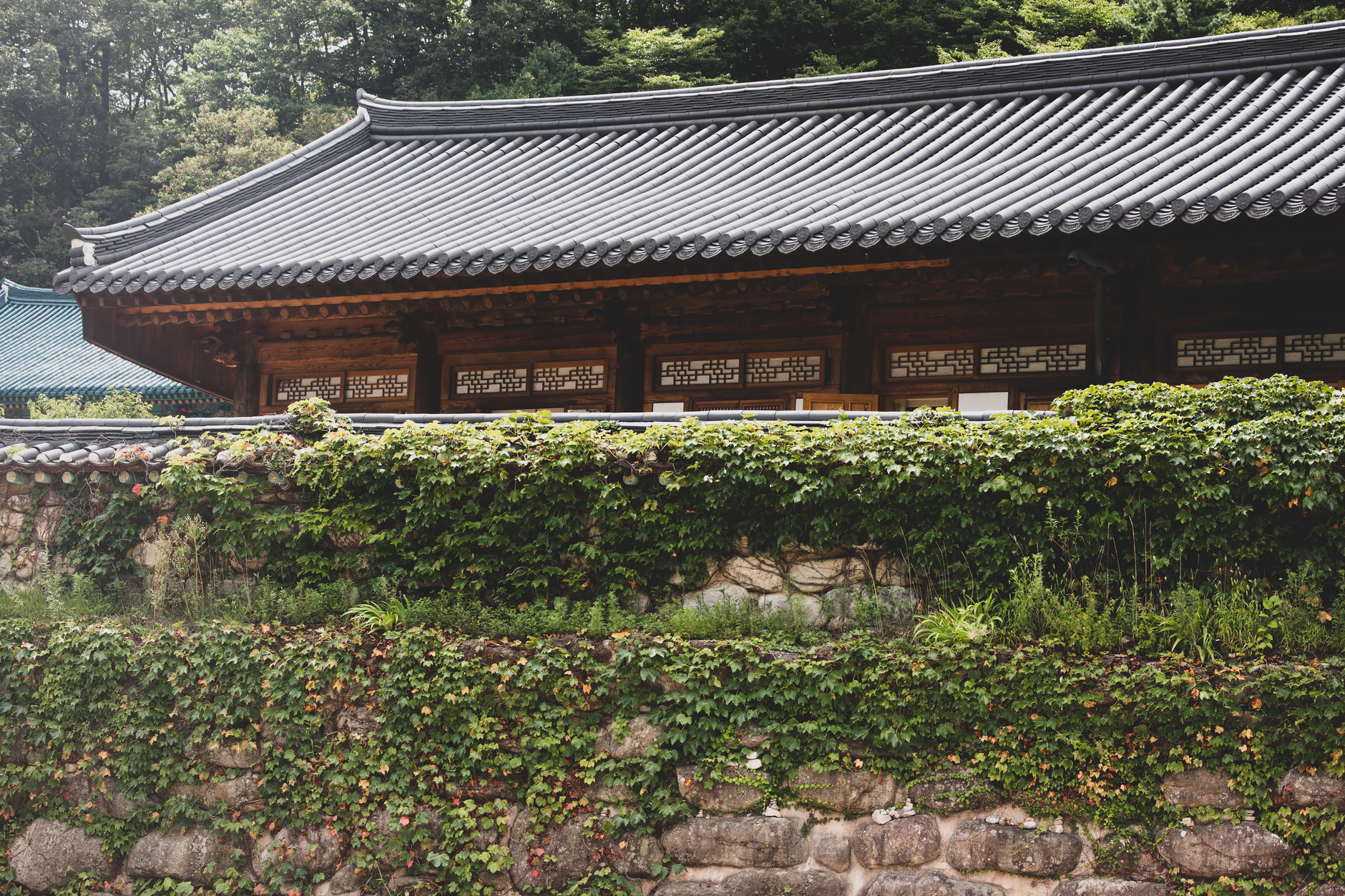
South Korea speaks to your senses in a way few destinations do. The country offers a unique blend of architectural stories from the Joseon dynasty, where every roof and corner carries meaning that runs far deeper than surface beauty. At the same time, you discover living heritage in places like Bukchon Hanok: not something locked in a museum, but houses where real residents shape their lives today against the backdrop of timeless design.
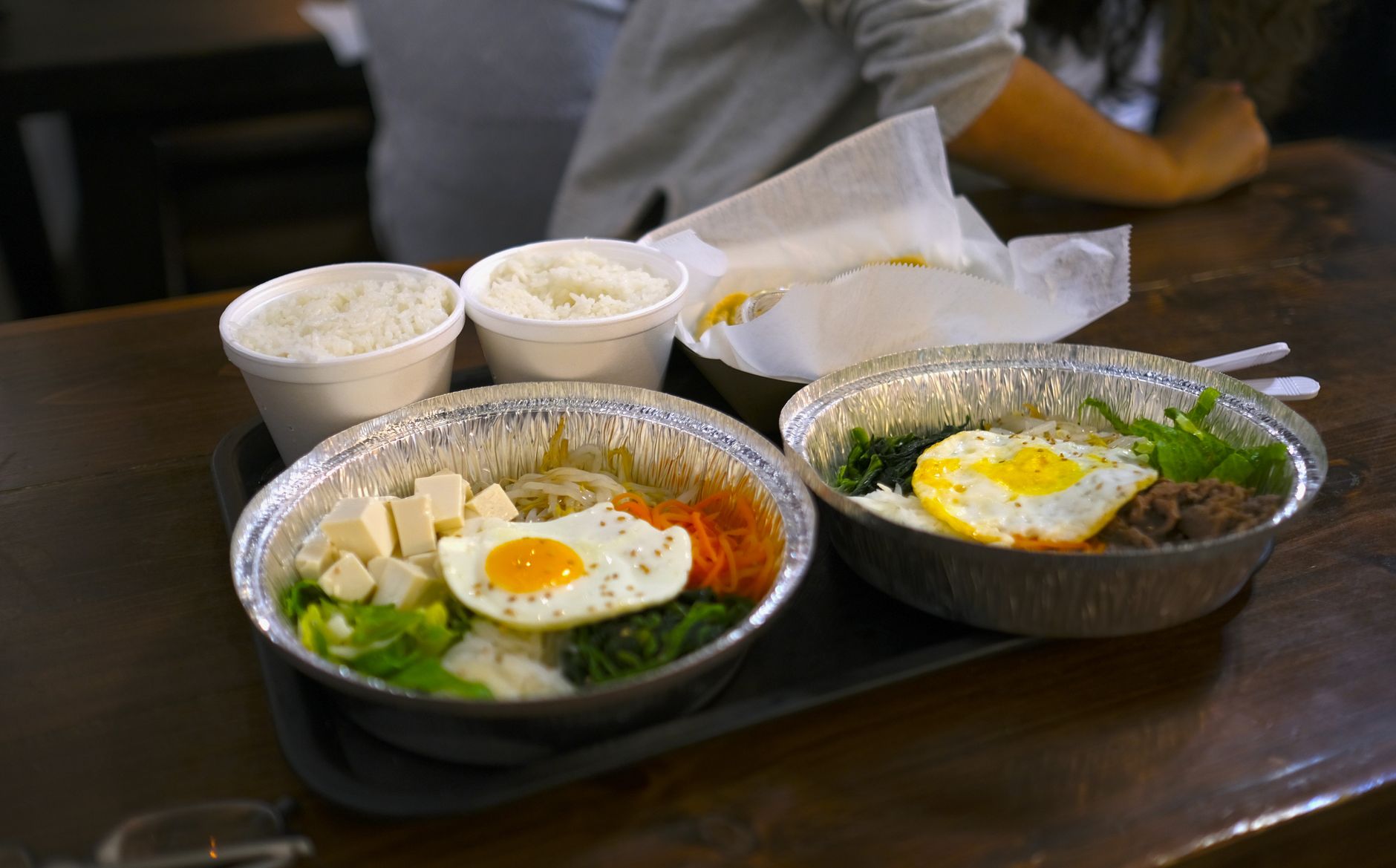
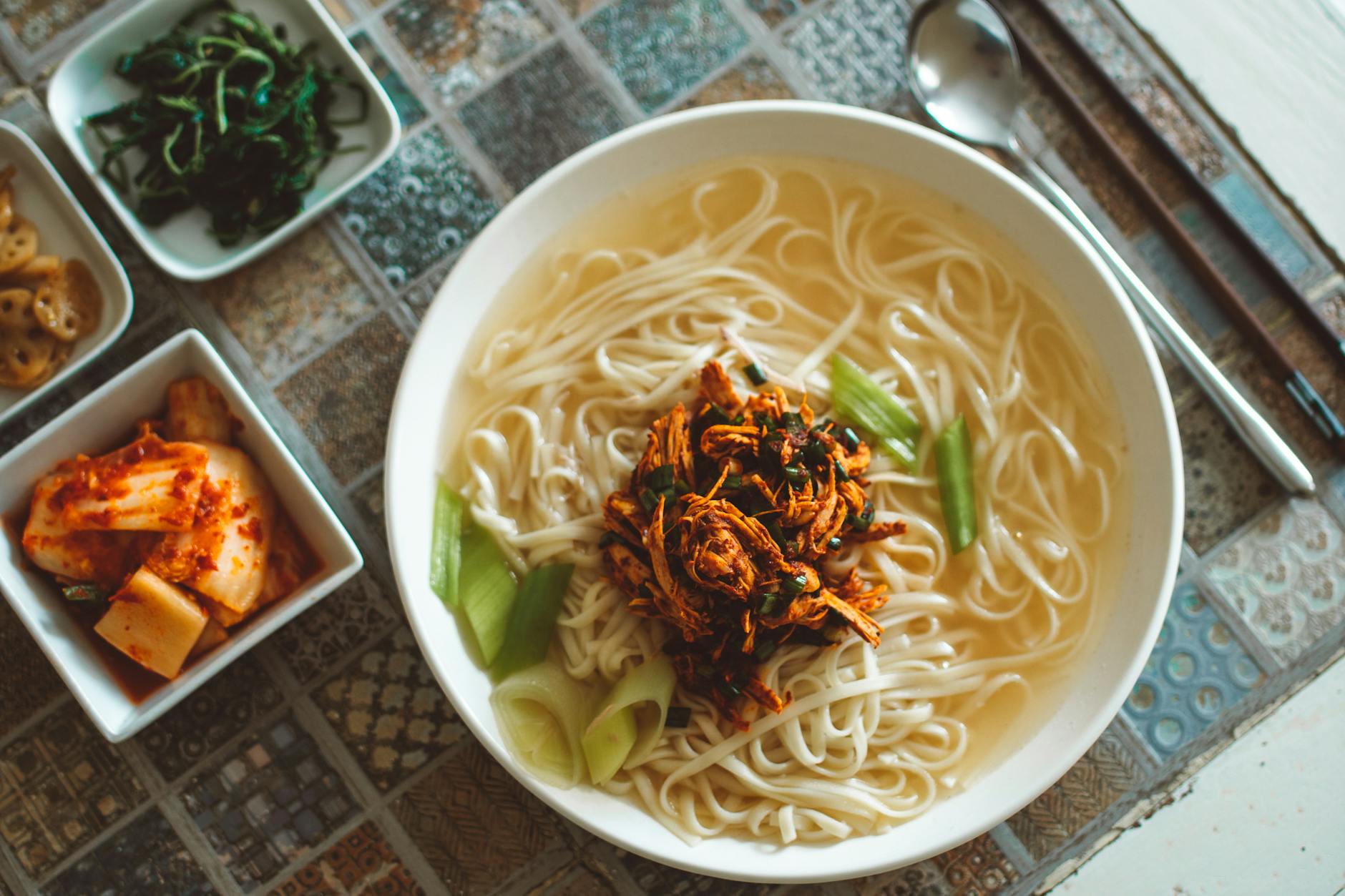
The culinary experience cuts just as deep. Jeonju, famous for its bibimbap, isn't simply a place to eat; it's an encounter with generations of craftsmanship. Local guides lead you along hidden alleys where handmade noodles are still crafted by hand and fermentation remains an art form. These experiences go beyond tourism; they feel like hospitality that stays with you.
Visit Gyeongbokgung Palace early in the morning or just before closing for the most serene moments without crowds
Hire a local guide in Bukchon Hanok to discover the hidden architectural details most tourists miss
Join a food tour instead of just visiting restaurants - the real flavour lives in the markets and street stalls
When you should go
The season shapes your experience in South Korea more than you might expect. The autumn months offer ideal conditions for exploring palace complexes and historic villages without extreme weather. This is also the period when tourist crowds are lighter, giving you more space to absorb the finer details of architecture and culture.
Spring months can be equally appealing, though they vary in crowds depending on when you arrive. Winter in December and January is colder, but it brings a certain calm to many popular sites. Summer, by contrast, can be very warm and humid, making long walks through villages and market explorations less pleasant. Always check local weather patterns for your specific travel dates.
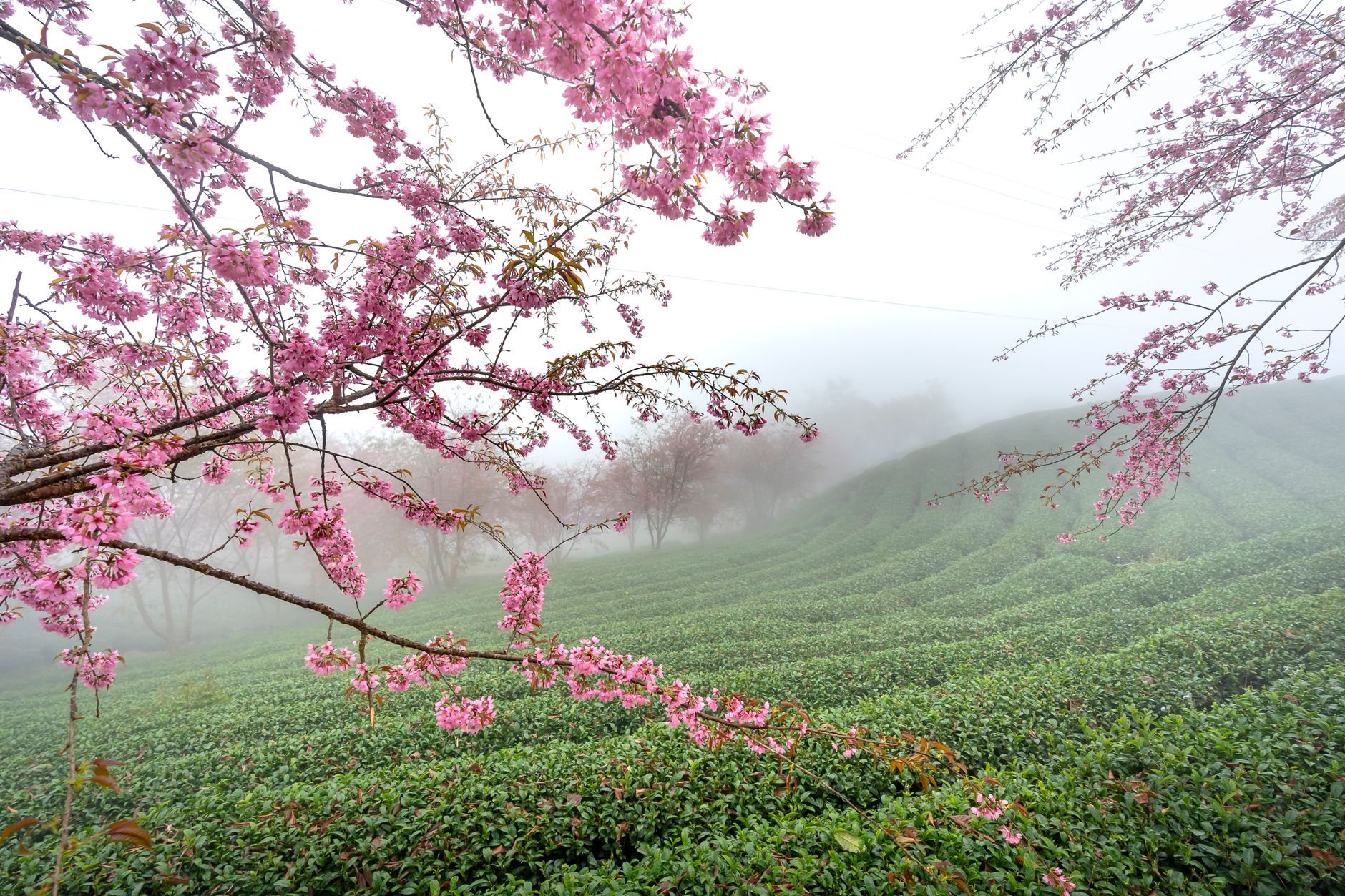
Plan your visit to Boseong tea fields early in the season when mist still hangs lightly over the hills
Avoid peak times through local expertise - experts know exactly when sites are quietest
Check whether special cultural events are happening that could enrich or complicate your visit
How to get there and get around
Most international travellers land at one of South Korea's major airports, from which modern transport systems quickly get you to your destination. Once in the country, you can rely on excellent public transport infrastructure linking cities and regions. This makes it relatively straightforward to travel from Seoul to Jeonju, to the tea fields in Gangwon, or to Jeju Island, each revealing a different side of the country.
For deeper discovery of specific neighbourhoods and hidden spots, a local guide truly makes the difference. Guides know not only the best routes, but also when to avoid crowds. They can help you navigate between traditional districts and modern centres, so you experience the full richness of South Korea's contradictions. Local public transport is affordable and reliable, giving you plenty of freedom to explore further.
Download local transport apps before you arrive - they're in English and essential for navigation
Consider working with vetted local experts who can coordinate transport and logistics with 24/7 support
Use public transport instead of taxis to get a better sense of how local residents get around
Top experiences in South Korea
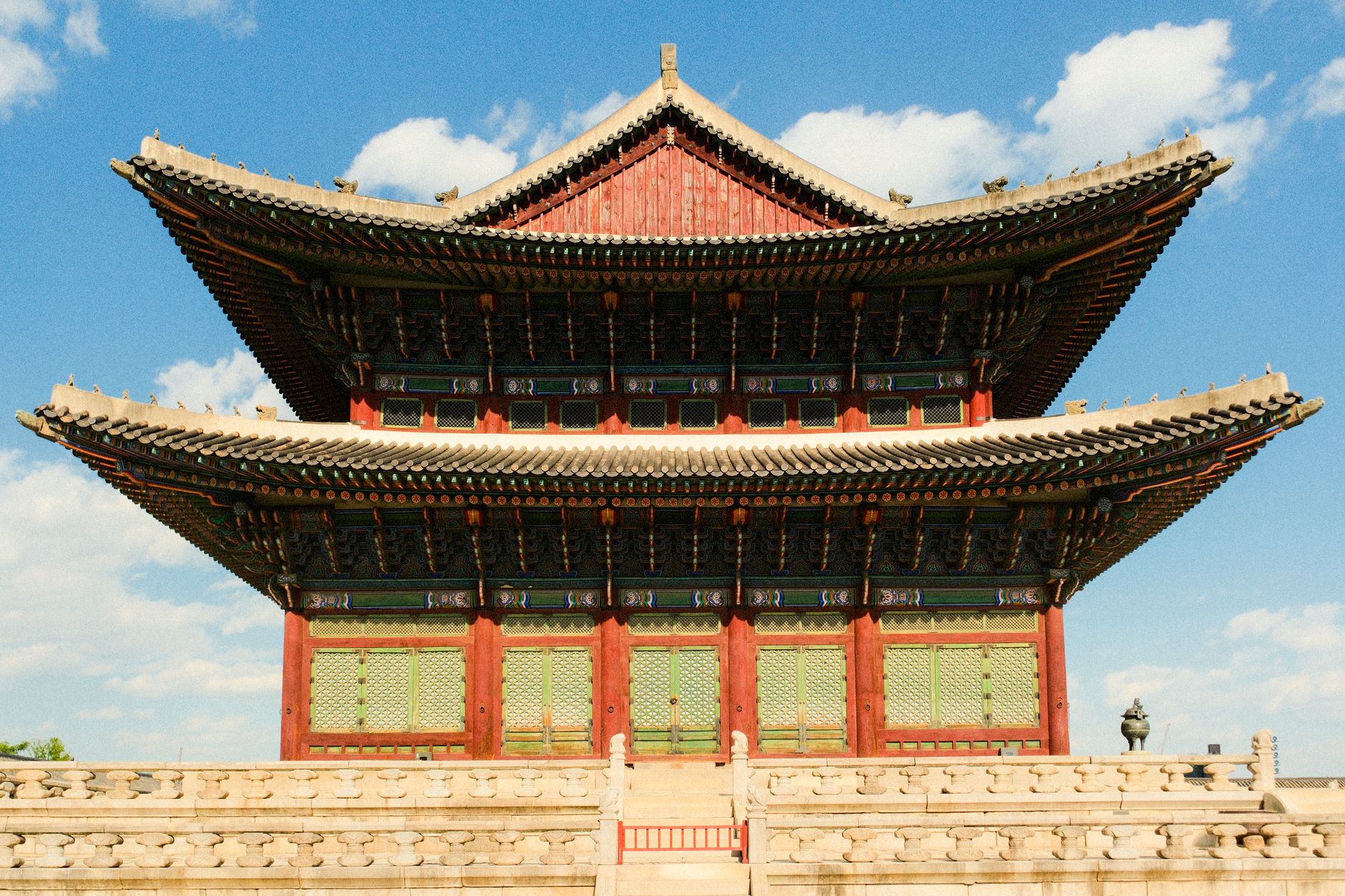
Begin your journey at Gyeongbokgung Palace, where you see not just imposing gates and colourful pavilions, but also discover stories about daily court life in the Joseon era that come fully alive only through local knowledge. The hidden symbolism in the architecture: how buildings are positioned, what roof tiles mean, tells a far richer story than standard information boards can convey.
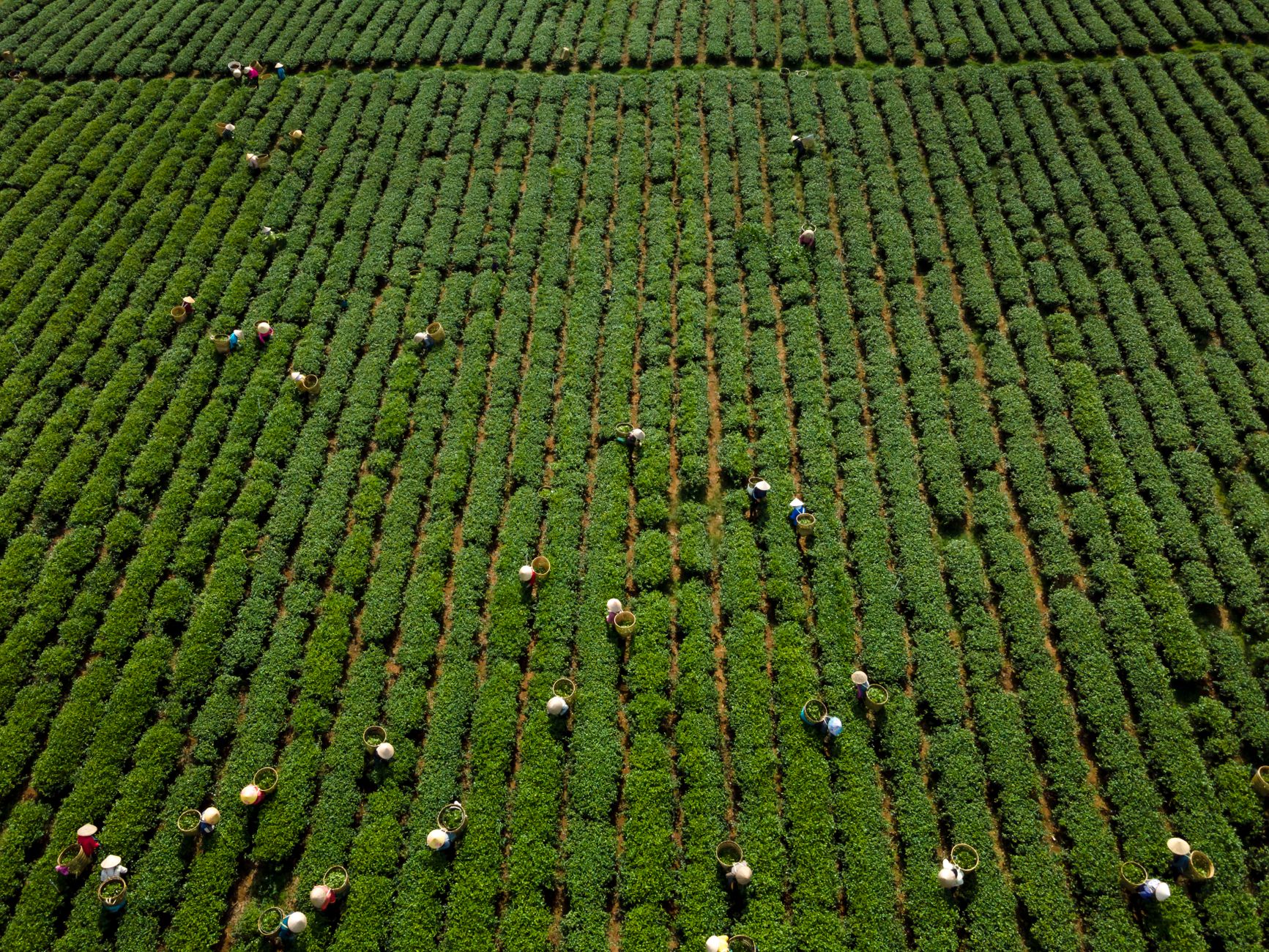
Next, step into Bukchon Hanok Village at a different pace. The sloping streets lined with traditional wooden houses amid modern buildings form no museum piece, but a working neighbourhood where households continue their lives. This contrast, how the past physically lives on in the present, is what makes South Korea so unique. In Jeonju, you finally experience the culinary soul of the country. Bibimbap here isn't just a dish; it's the heart of a food tradition where local market guides introduce you to specialties crafted by generations. Handmade noodles, fermented delicacies and crispy jeon pancakes aren't simply eaten, but understood as heritage. Finally, the tea fields of Boseong offer a quieter counterbalance. Here you don't stand in queues for a photo, but truly relax, learn how tea is grown and harvested, and taste in silence while mist veils the hills.
Start every monument visit early or late for fewer tourists and better light for genuine reflection
In food tourism, skip fancy restaurants and hunt for the hidden stall alleys where locals actually eat
Take time in Boseong - the goal is rest and learning, not rushing through; sit quietly and watch the workers
Practical tips
South Korea is relatively accessible for international travellers when you prepare. Local currency is standard, though major cities accept cards widely. When it comes to communication, English is reasonably spoken in Seoul, but beyond the capital you're better served by translation apps or local guides who can bridge this gap. This is actually one of the benefits of working with vetted local experts: they speak your language and can explain cultural nuances that otherwise get lost in translation.
Safety isn't really a concern; South Korea ranks among the safest destinations. When it comes to etiquette, respect for elders and sacred spaces matters, so remember to remove your shoes at certain sites and behave respectfully in religious spaces. When eating, chopsticks are standard, and it's polite to wait for the oldest person to begin. These small things make the difference between tourism and genuine connection.
Learn a few basic Korean words - locals appreciate the effort, however imperfect
Make sure your travel insurance plan is checked; 24/7 concierge service from vetted experts offers extra peace of mind
Be prepared for cash payments at many traditional markets and small establishments, though major cities are digital
Generated from 1 travel guide and experience · Sources