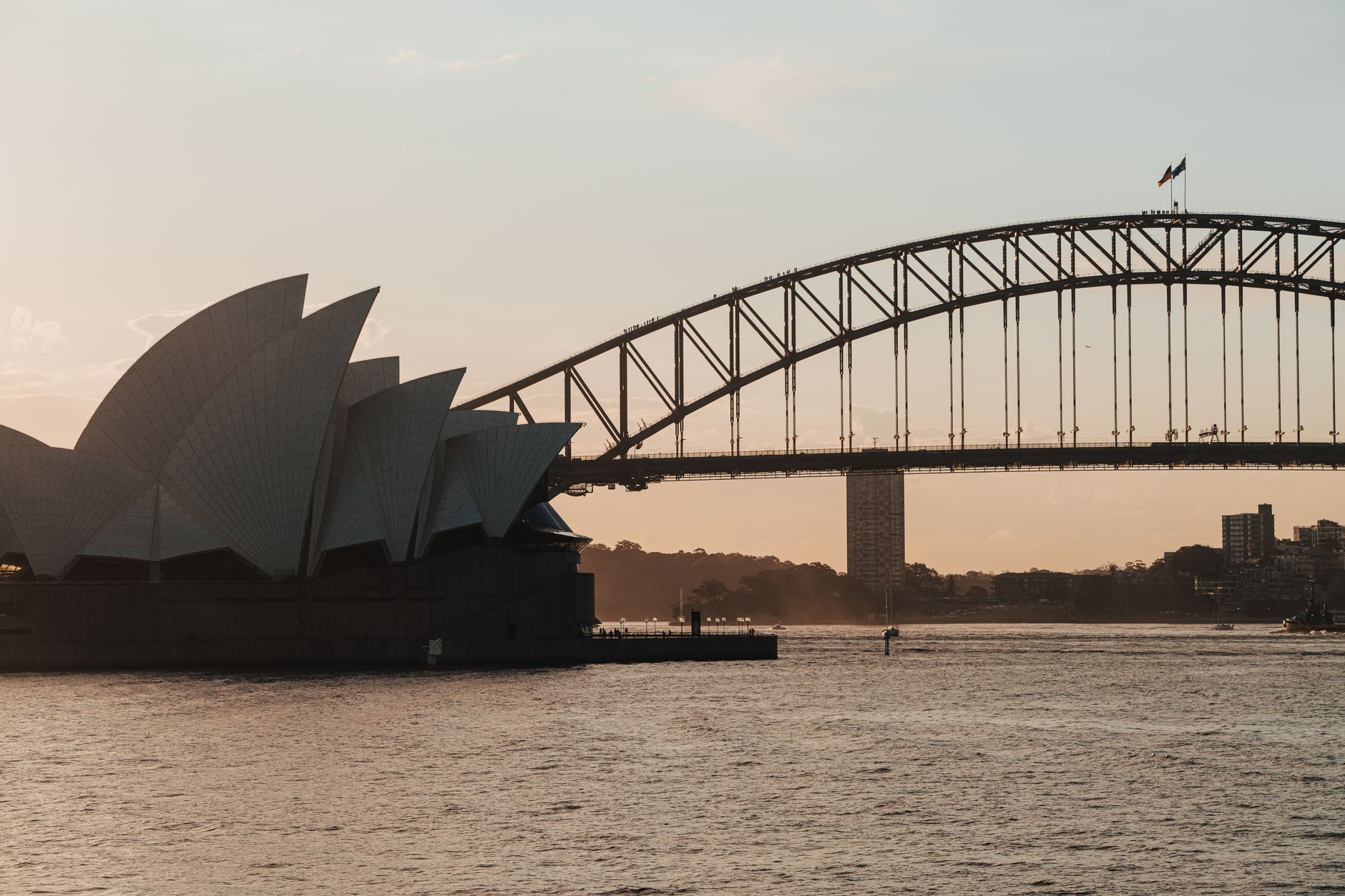
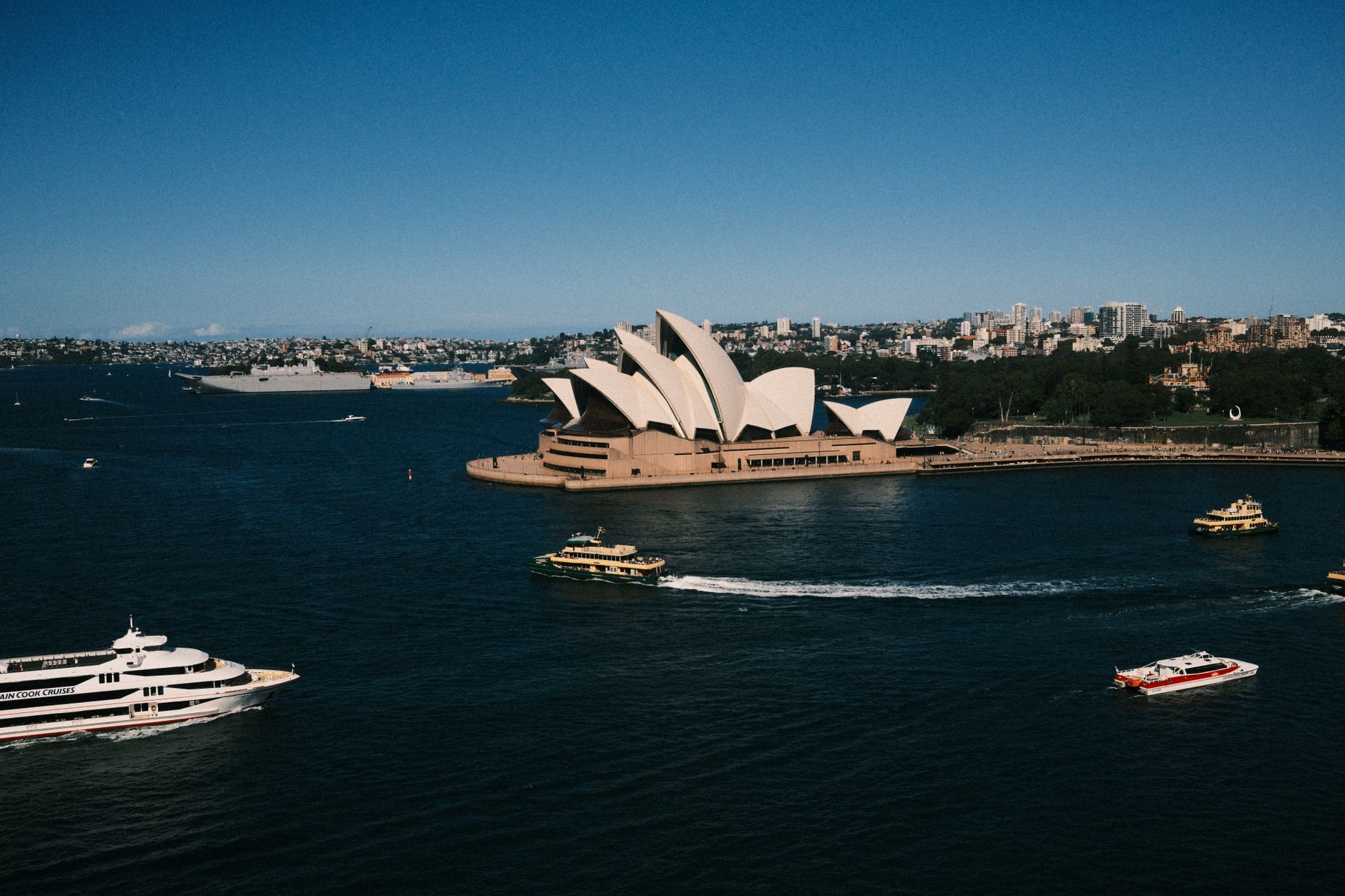
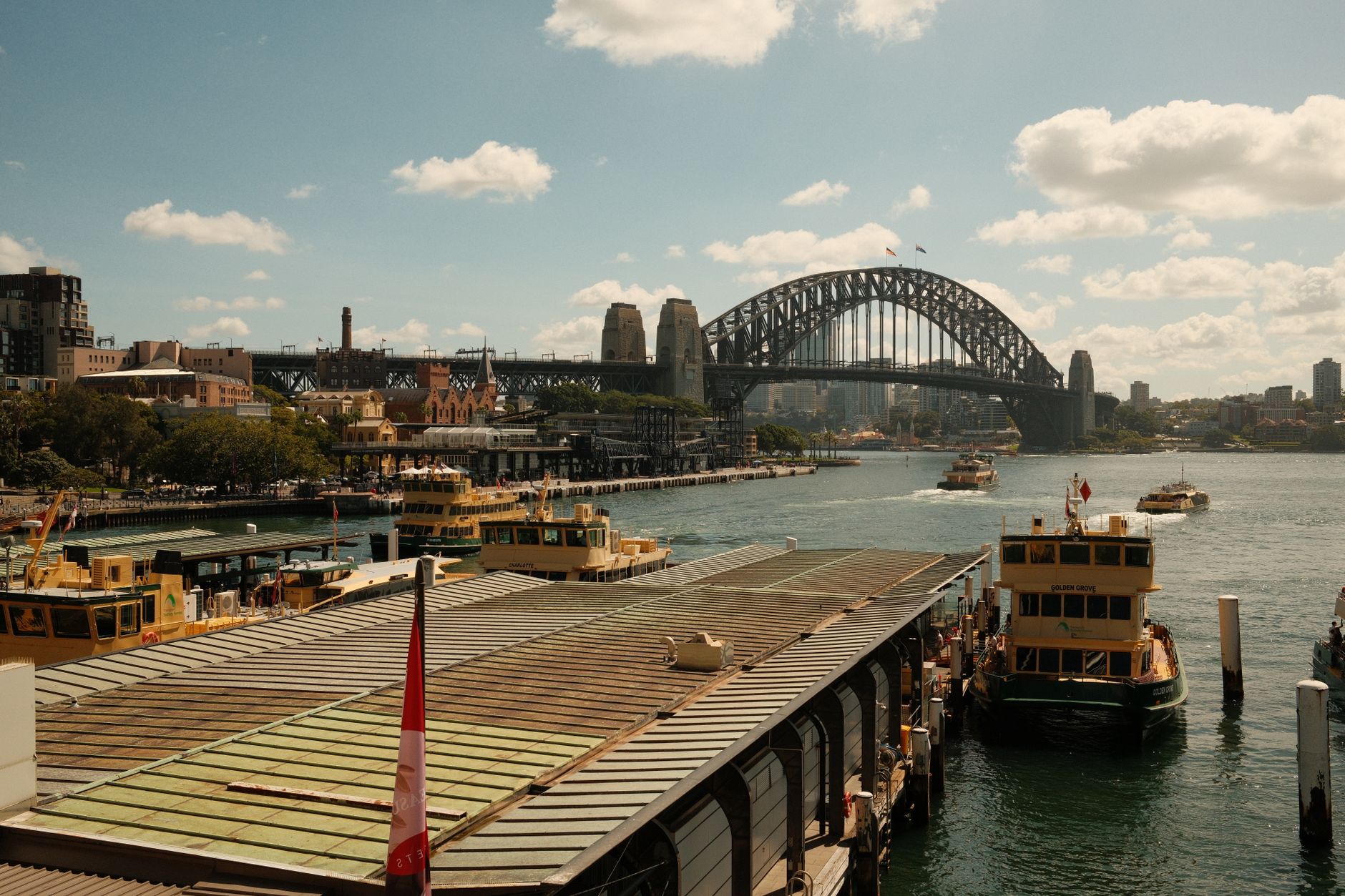
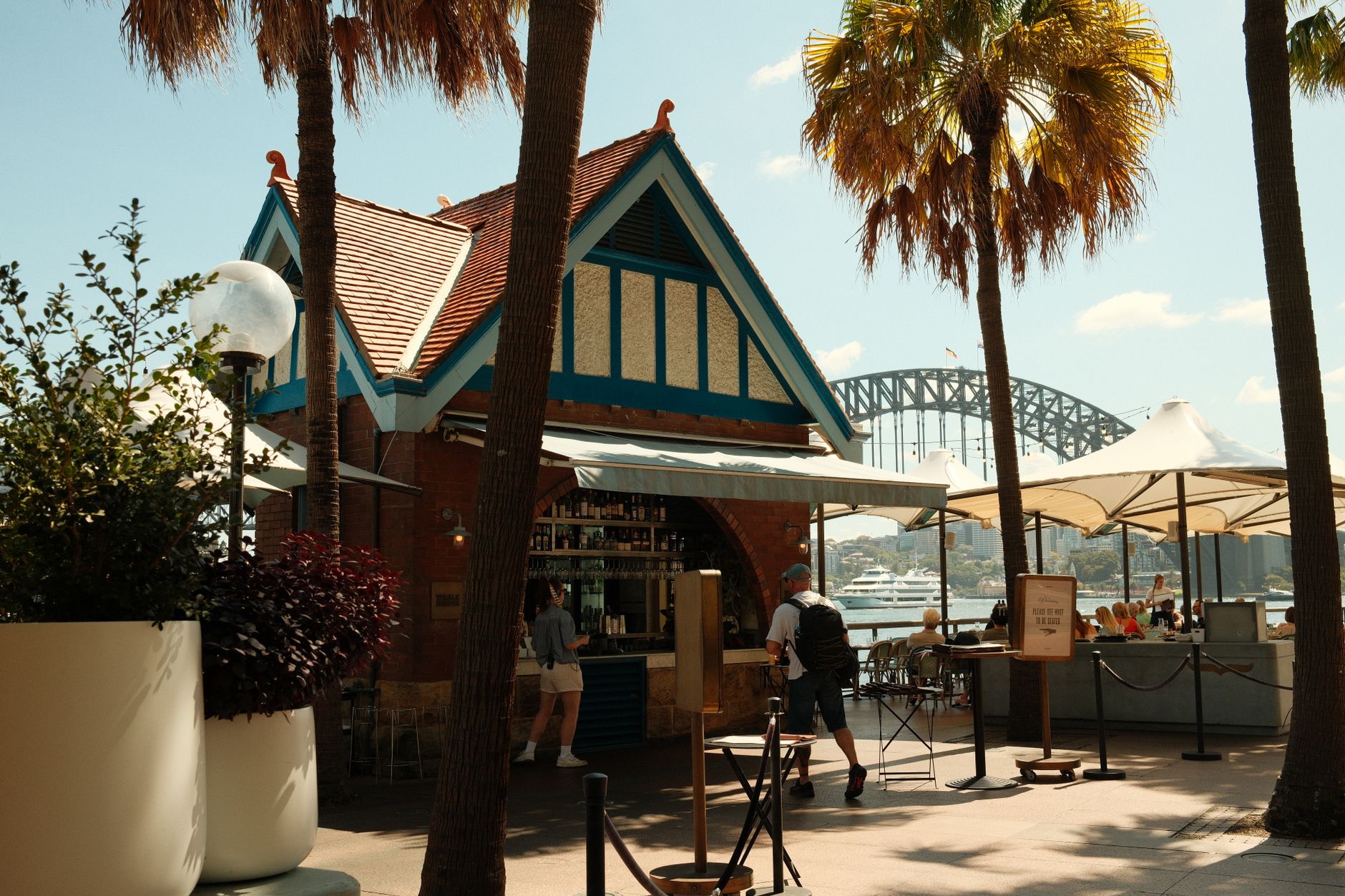
Sydney Opera House and Harbour Bridge, walk or climb the bridge
2
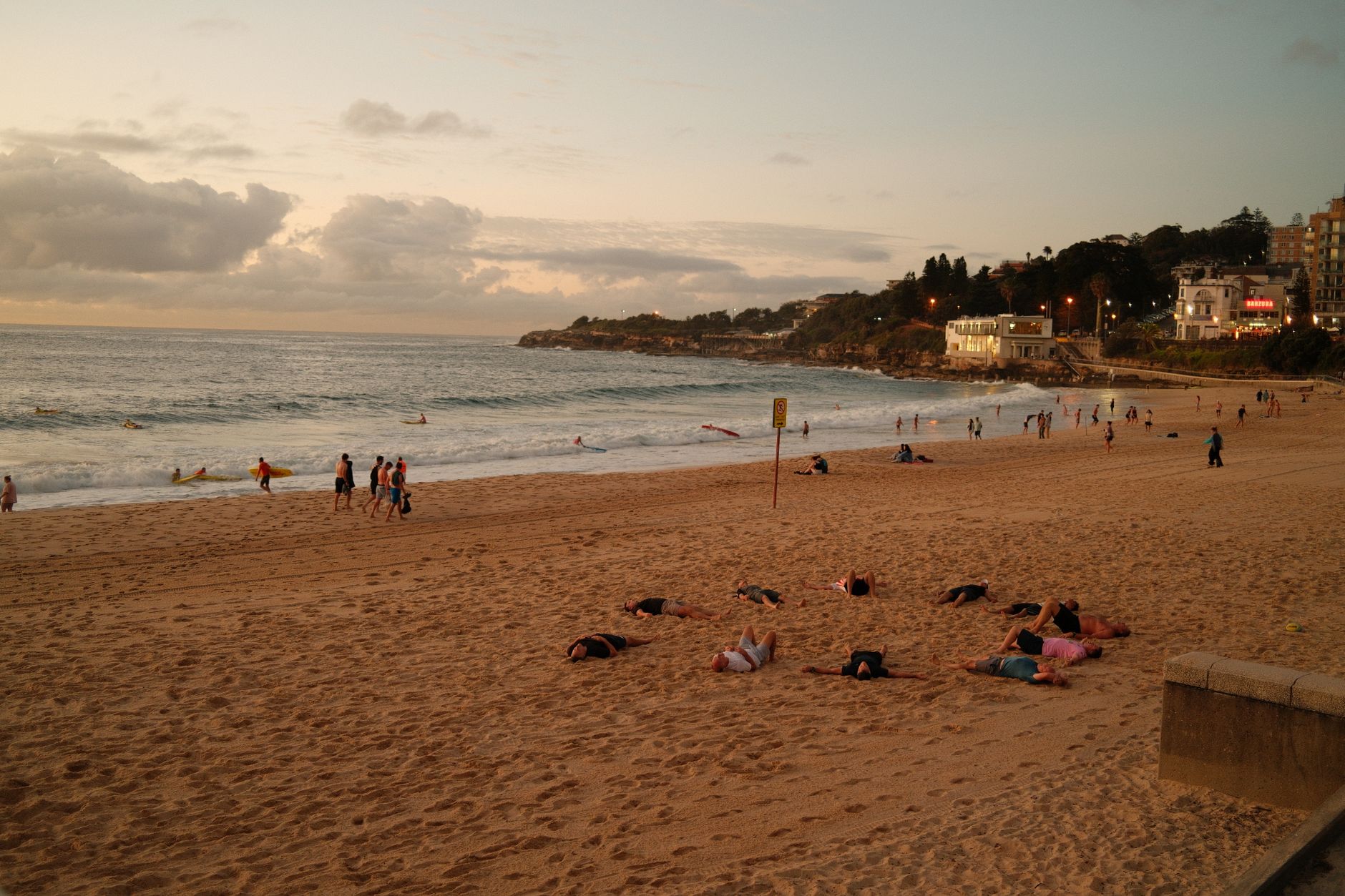
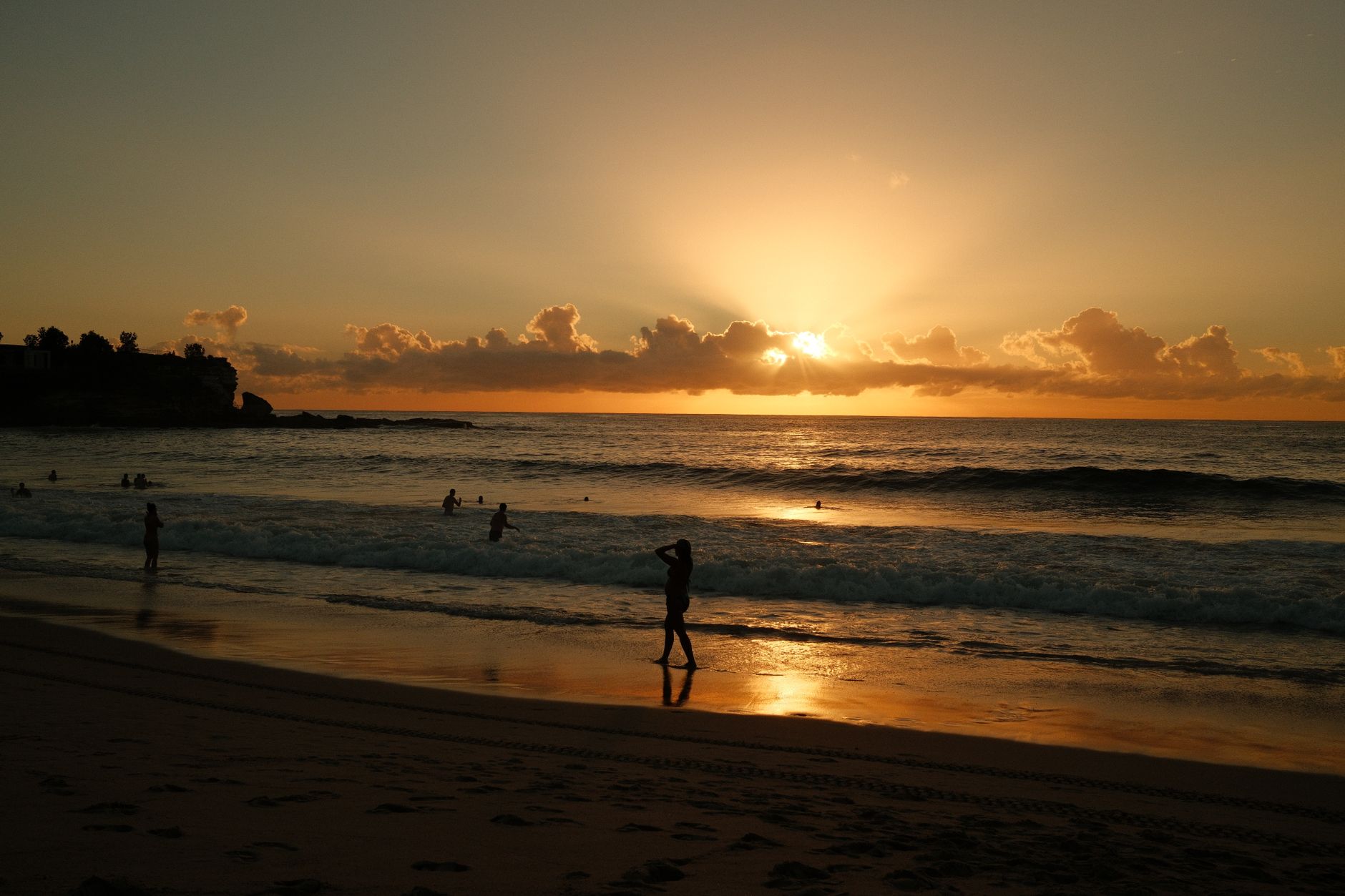
Bondi to Coogee coastal walk, dramatic cliffs and ocean pools
3
The Rocks: Sydney's oldest neighbourhood with weekend markets
4
Ferry to Manly Beach, the best 30 minutes of public transport in the world
5
Blue Mountains day trip. Three Sisters and scenic railway
6
Taronga Zoo for native wildlife with harbour views
Local tip
Before you go to Sydney
Get an Opal card for all public transport. The ferry to Manly is a must. Bondi is iconic but Coogee and Bronte are more relaxed. Summer (Dec, Feb) is peak, book ahead.
Content is hosted on third-party platforms. Wayloha links to public hashtag pages and does not store any social media content.
Ready to visit Sydney?
Tell Wayloha your travel style, budget and travel dates. We'll build your complete day-by-day Sydney trip plan. Your first draft is on your screen within a minute.
Sydney is a city where striking architecture and raw natural beauty meet on every corner. This is where the Sydney Harbour Bridge rises above clear blue water, where you switch between culture and easygoing beach life, and where you can experience both urban adventure and tropical calm - all in the same city.
Why visit Sydney
Sydney is not just a destination you visit once - it's a city that changes your life in small, lasting ways. This harbour city combines world-famous landmarks like the Opera House and the Harbour Bridge with a constantly evolving culture, where what existed last season is gone by next month. You'll find long, golden sandy beaches here that form the perfect backdrop to city life, surrounded by restaurants with a view, rooftop bars and theatre shows that constantly refresh their line-up. What makes Sydney truly special is how perfectly it balances urban excitement - afternoons on the sand, evenings in the city and nights under the stars, all in one of the most liveable cities in the world. The city is also known as one of the best cities in the world for 2026, underlining its lasting appeal.
Plan at least 3-4 days to explore both the iconic sights and the hidden spots
Use Sydney as a base for day trips to spectacular natural areas nearby
You can experience the vibrant Aboriginal culture year-round through special tours and events
When to go
Sydney's weather is reliable and follows four distinct seasons, which makes planning easier. The warmest and most popular time falls between November and February - this is when the famous long, golden sandy beaches are at their best, and when lots of festivals and events take place. It's also the time of year when rooftop bars and outdoor venues fill up and the city feels at its liveliest. If you prefer fewer crowds and a more relaxed experience, March to August is cooler, though Sydney winters are rarely truly cold. Many visitors mistakenly assume they won't need swimwear during these months - in reality, it's quite normal to enjoy warm, sunny days and go for a swim in the sea, even in winter. This season is ideal if you prefer a more relaxed pace and smaller crowds. Festivals and events run all year round, so you can time your visit around one and add an extra layer to your experience.
Book ahead if you're travelling in summer (November-February), as it's the busiest time
Winter months (June-August) offer better deals on accommodation without losing much in terms of weather
Check the events calendar before you book - big concerts and theatre shows can shape your whole visit
Getting there and around
Sydney Kingsford Smith Airport is just 9 kilometres from the city centre, which makes arriving and leaving straightforward. International and domestic flights land daily, and you have several ways to reach the city: you can hire a car (handy if you're planning day trips), use a rideshare service, or simply take a taxi. The cheapest and easiest option, though, is the city train line that runs directly from the airport to the centre. Once you're in Sydney, the public transport network is clean, reliable and affordable - buses, trains and ferries connect every neighbourhood, so exploring without a car is entirely doable. If you're travelling with a wheelchair or mobility device, most of the public transport network is accessible, and you can use the 'Accessible services only' option in the Trip Planner tool for real-time information. Special assistance is available when you arrive and depart at the airport, including support for hidden disabilities.
Book a rideshare or shuttle in advance for peace of mind, but you can also arrange one on the spot
Get an Opal card for public transport - it's significantly cheaper than single tickets
Ferries aren't just transport, they're also a lovely way to see the harbour
Top experiences
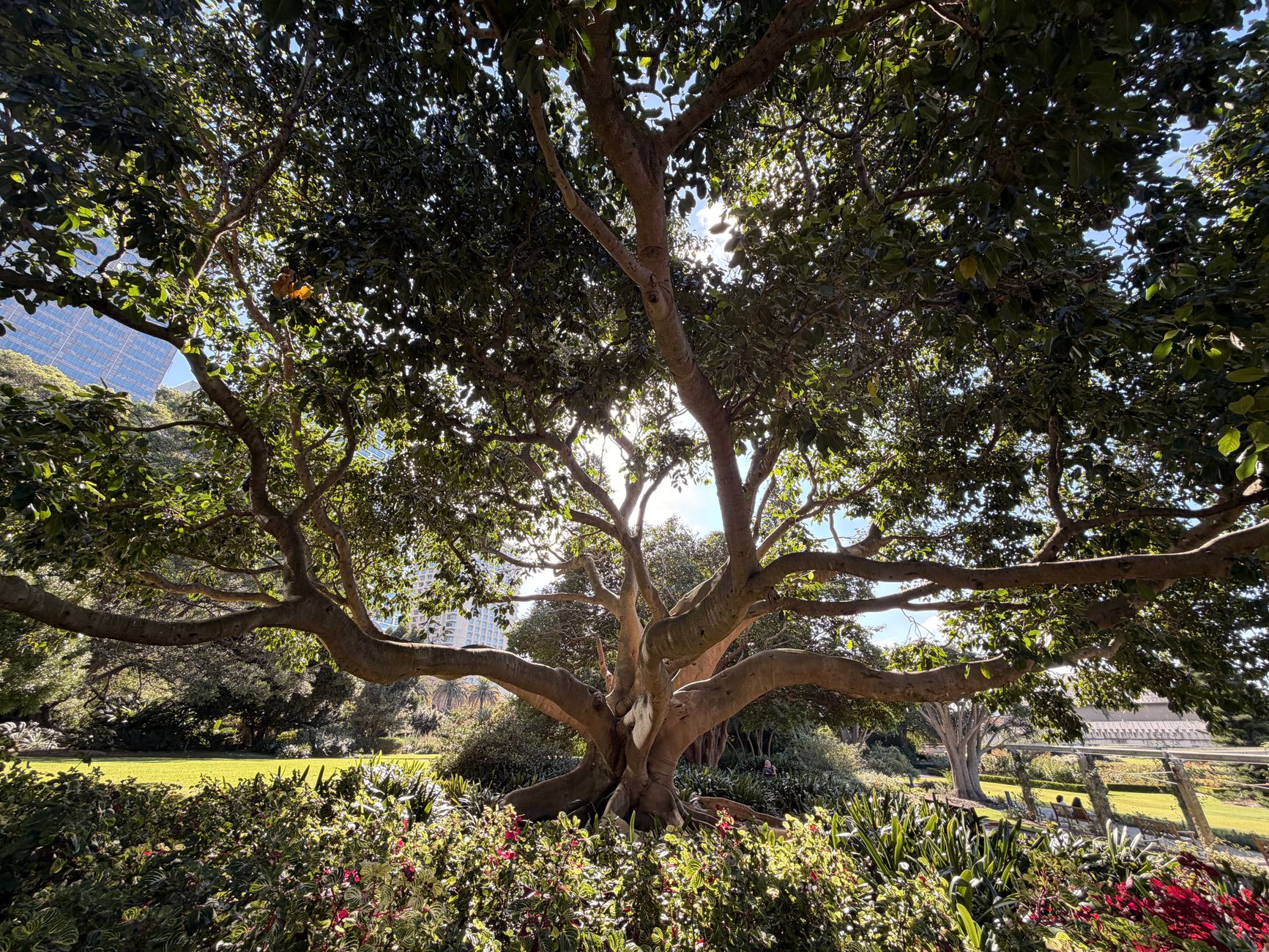
The iconic sights - the Opera House and the Harbour Bridge - deserve their fame, but Sydney's real magic lies in its mix of culture, culinary surprises and natural beauty. Visit the Royal Botanic Garden for spectacular summer events, or discover Aboriginal culture through guided tours and exhibitions available all year round - essential if you want to understand Warrane (the traditional name for the Circular Quay area) and the heritage of the Gadigal people. For foodies, Sydney offers a bewildering choice, from cheap eateries serving genuine Australian flavours to fine-dining bites in restaurants with a view. The rooftop bars and hidden drinking spots are places where local culture truly comes alive - many are tucked away down side streets you'd otherwise miss. If you're feeling more adventurous, nearby areas like the Blue Mountains and the Sapphire Coast offer day trips with spectacular views and natural wonders, just an hour or two's drive away. Theatre and music events, ranging from the Sydney Symphony Orchestra to shows at the Opera House, give you a glimpse into the culture of a city that never stops evolving.
Book ahead for popular restaurants and Opera House shows - they fill up fast
Take an Aboriginal cultural tour to hear Sydney's ancient stories from the people who have lived here since time immemorial
Seek out rooftop bars and hidden drinking spots - many tourists overlook these places where locals actually hang out
Practical tips
Sydney is accessible for all kinds of travellers, though there's some basic information worth knowing. English is the local language, so language barriers aren't an issue for Dutch speakers. Aboriginal culture is an integral part of Sydney's identity - when you say Gadigal, pronounce it as 'War-rang', which shows respect for the traditional owners. Many restaurants and bars accept credit cards, but keep some cash on you - not every place accepts cards, especially smaller shops. Prices in Sydney can be steep, especially in tourist areas, so look for local spots that offer a more authentic experience and better value. The city is generally safe, but as in any big city, stay aware of your surroundings late at night. If you're travelling with a physical disability, Vacayit offers immersive audio guides for selected attractions, and the access and inclusion map helps you explore the city your own way. Accessibility has become a real priority here - from specialised tours for wheelchair users to professionals on hand to help everyone enjoy activities like surfing at Bondi.
Check the access and inclusion map before you go if you have specific accessibility needs
Pronounce Aboriginal place names correctly and be respectful when talking about Indigenous culture
Restaurants in trendy neighbourhoods can be pricey - explore areas like Parramatta for better value and a taste of local life
Generated from 3 travel guides and experiences · Sources