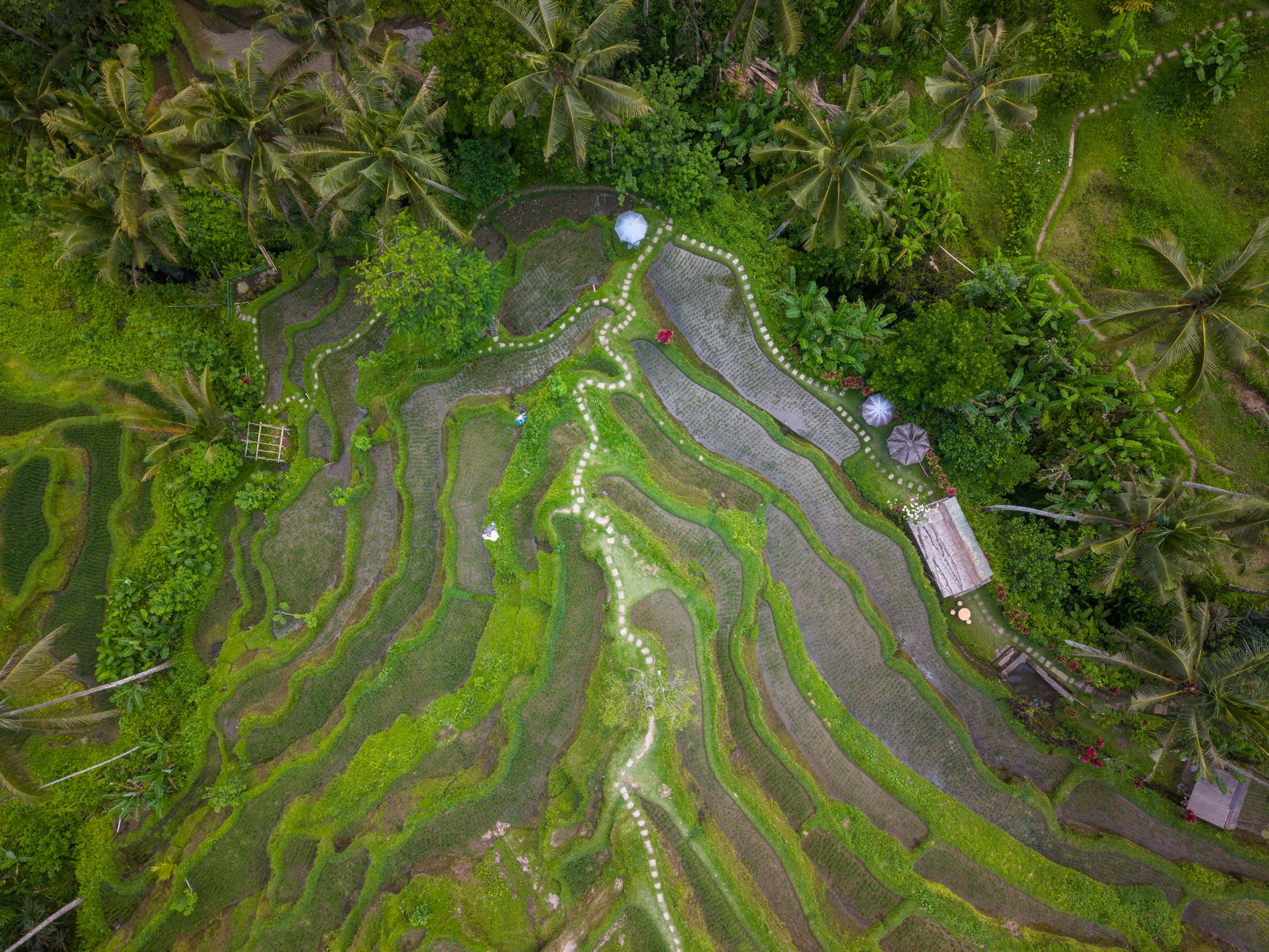
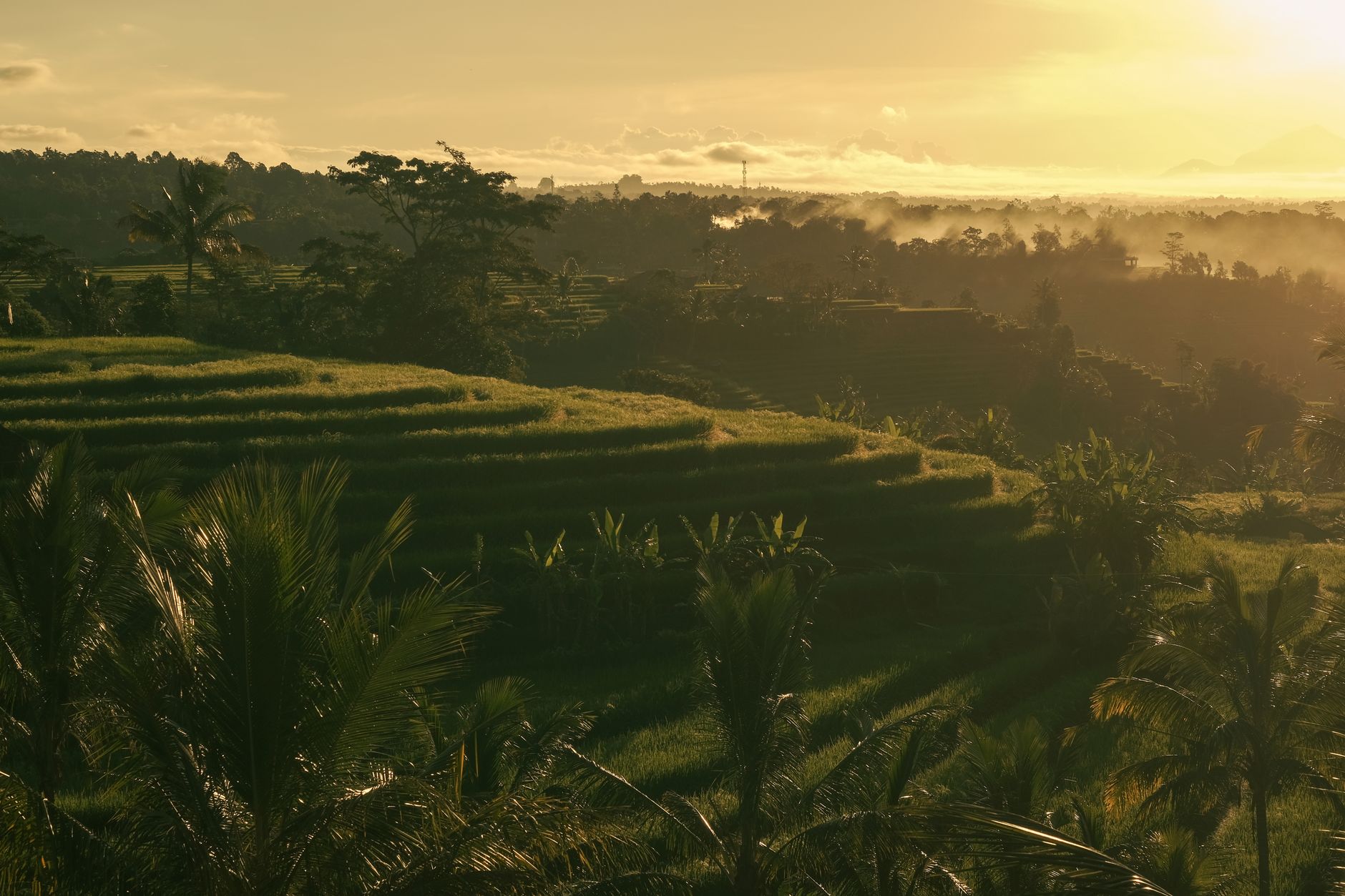
Tegalalang Rice Terraces at sunrise before the crowds
2
Sacred Monkey Forest Sanctuary
3
Traditional Kecak fire dance at Pura Uluwatu at sunset
4
Cooking class with a local family, learn to make sambal and lawar
5
Tirta Empul temple purification ceremony
6
Mount Batur sunrise trek (2-3 hours up, active volcano)
Local tip
Before you go to Ubud
Rent a scooter from your accommodation (€4/day), it's the only practical way to explore. Sarong required for temple visits (usually provided at the entrance).
Content is hosted on third-party platforms. Wayloha links to public hashtag pages and does not store any social media content.
Ready to visit Ubud?
Tell Wayloha your travel style, budget and travel dates. We'll build your complete day-by-day Ubud trip plan. Your first draft is on your screen within a minute.
Ubud is more than a destination: it's a feeling. This cultural heart of Bali stands apart from the busy tourism elsewhere on the island, with lush rice fields in an almost unreal shade of green and locals who greet you with genuine warmth. Here you discover that peace and adventure go together perfectly.
Why visit Ubud
Ubud appeals to travellers for very different reasons, but what everyone notices is the remarkable balance between authenticity and modernity. The centre thrums with activity, with busy markets and restaurants, but step a few minutes beyond the built-up area and you're suddenly in untouched nature where traditional Balinese countryside life still thrives. This contrast makes Ubud unique: you can do yoga on a picturesque terrace in the morning, hunt for handmade souvenirs at the market in the afternoon, and eat well at one of many stylish restaurants in the evening, a lifestyle that's been the standard here for decades.
For creative people and spiritual seekers, Ubud is practically a second home. The town has earned its reputation as Bali's spiritual capital, with a dense network of yoga schools, meditation practices and wellness activities, from traditional yoga to breath work, ecstatic dance and cacao ceremonies. But you don't need to be a yogi to enjoy Ubud. The friendliness of local people is genuinely striking; the moment you leave the busy streets and walk through the rice fields, you meet smiling faces everywhere who welcome you warmly.
Stay just outside the centre for more peace, but close enough to explore Ubud's heart easily
Plan at least 3-4 days if you want to experience both nature and cultural attractions
Join a cycling tour through the rice fields to have genuine encounters with locals
Best time to visit
Ubud draws visitors year-round, which means quiet moments have become rare, especially at the most popular spots. However, the timing of your visit shapes your experience considerably. The dry season (April to October) offers the best weather for outdoor activities and walks through the rice fields. This period also attracts the most tourists.
The rainy months (November to March) mean fewer crowds but less predictable weather, which can make some outings difficult. For the most authentic experience with locals and smaller groups, experts recommend visiting outside peak season, though you'll need to be prepared for possible rain showers. A smart move: come at the start or end of the season, when the weather is still fairly stable but the large groups have gone. For sunrise walks to the Tegalalang rice terraces, where you'll find plenty of other photographers, it's essential to go very early, regardless of the season.
Check weather conditions before outdoor activities, especially during the rainy season
Visit popular spots like Tegalalang at sunrise to avoid crowds
Book your accommodation and guides in advance, especially if you're travelling in the dry season
Getting there and getting around
Bali has no public transport system, so you depend on private taxis, apps or guided tours. Most travellers use Grab, the local transport app similar to Uber, because you see what your ride costs upfront and drivers usually arrive within minutes. For a day trip from Ubud, you'll pay on average EUR 8.50 for local rides via Grab. It's extremely affordable and reliable.
For longer routes or sightseeing days, it's worth hiring a private driver. A full day with a driver (8-9 hours) costs around EUR 50-60 and offers incredible flexibility: your driver can take you to hidden temples and local spots you'd never find alone. A journey from Kerobokan to Ubud (9 hours) costs about EUR 60, while shorter routes like Amed to Sanur (4 hours) are around EUR 30. It's absolutely worth it, because you avoid navigation headaches, and your guide can tell you about local culture and show you the real Bali.
Download Grab before you arrive and make sure your credit card is registered
Book a day driver (around EUR 60 per day) for sightseeing if you want to explore deeper into the island
Allow extra time for traffic, especially during peak hours in Ubud
Top experiences in Ubud
The Tegalalang rice terraces, just 15 minutes' drive from Ubud, are unsurprisingly one of Bali's most popular attractions. The terraced rice fields are truly breathtaking, but many visitors only look from the viewpoint and leave. Here's the secret: descend and walk a footpath right through the fields themselves. You then walk right through the rice, feel the humid air, and only then truly understand the scale of this agricultural wonder.
For a less touristy but equally compelling moment, seek out Pura Gunung Kawi Sebatu. This serene temple, just 14 kilometres from Ubud (roughly 25 minutes' drive), is one of Bali's oldest and was probably built between the 10th and 11th centuries. The complex is dedicated to Vishnu, the Hindu god of water and protection, essential for rice farming. Unlike the busy Pura Tirta Empul, Gunung Kawi Sebatu feels authentic and peaceful. Make sure you wear a sarong (you can borrow one for 30,000 IDR).
For quieter walks near the town: the Campuhan Ridge Walk is a picturesque path along a narrow ridge with wide views. Although it's grown busier, it still feels like real nature, far removed from Ubud's crowds. The Sweet Orange Walk Trail through the Kajeng rice fields offers an alternative hiking route. For water and adrenaline, you can head to local waterfalls outside Ubud where you can swim. An e-bike cycling tour is a unique way to explore rice fields via narrow paths inaccessible to cars, and you'll even learn from locals and gain insight into their lives.
Climb down into the Tegalalang terraces and walk through them, don't just look from the platform
Choose a guide for temple visits to learn about authentic rituals and stories
Try an e-bike cycling tour to reach spots most travellers miss
Practical tips
Accommodation in Ubud deserves special attention because the range is so varied. This is one of the few places on Bali where it's worth spending a bit more than you normally would. Options range from open-air bamboo bungalows (like Le Sabot Ubud, with views over rice fields and a swimming pool) to small hotels close to the centre with air conditioning (Taman Amartha Hotel is a 10-minute walk from the busy heart but feels peaceful, with rates around EUR 63 per night for two rooms). Tigata Ubud Cottage is just 5 minutes' walk from the main street yet offers plenty of privacy and Balinese style.
For food: eating well and healthily isn't expensive in Ubud, it's simply the norm. Hundreds of small restaurants and cafés serve delicious dishes at fair prices. The market is the place for affordable, handmade souvenirs. Many visitors don't spend much in Ubud because everything is relatively inexpensive: a cycling tour costs less than you'd expect, and a market meal costs a fraction of what you'd pay at home.
Cultural etiquette: always wear a sarong when you visit temples (available to borrow for a small fee). When you walk through rice fields, respect the farm workers and don't interrupt their work. Locals respond extremely positively to attempts to speak Bahasa Indonesia, even if you only manage 'terima kasih' (thank you). Money: use Grab for price certainty, but always carry cash (Indonesian Rupiah) because not everything can be paid for digitally.
Spend a bit extra on accommodation for a memorable stay, you won't regret it
Wear a sarong in temples: it's about culture and respect, not complicated
Bring cash with you; many local restaurants and shops don't accept cards
Generated from 2 travel guides and experiences · Sources