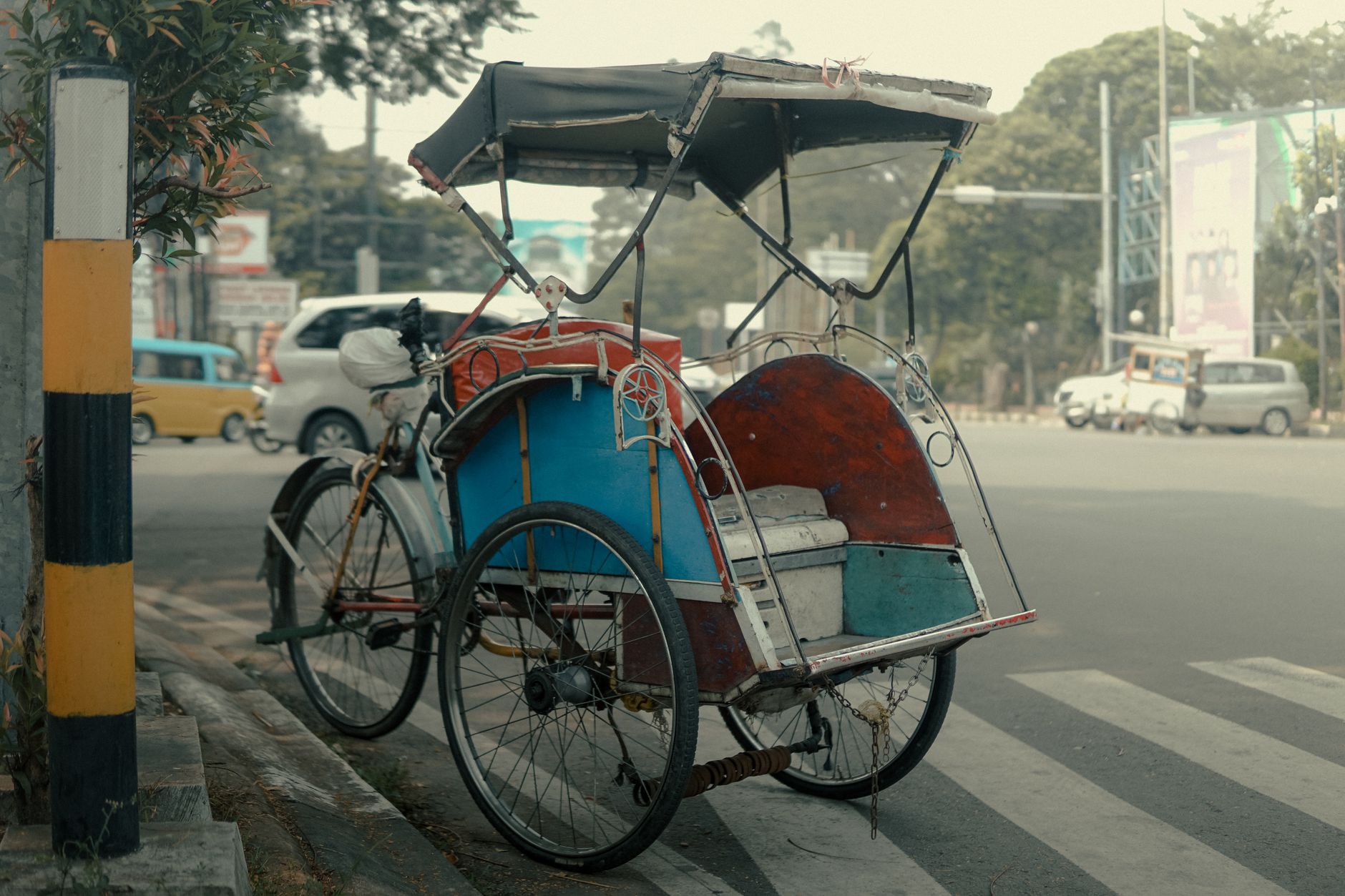
Scooter rental is the main transport in Bali (€4/day). Private drivers for day trips. No public transport.
Travel information
Before you go to Bali / Indonesia
✈️
Airports & entry
Bali / Indonesia has 2 major international airports. Consider Bali (Ngurah Rai) (DPS) as your main entry point, or fly in and out from different cities to see more.
🗓️
Best trip length
Most visitors spend 8–16 days in Bali / Indonesia. Shorter trips work well for focused regions; longer trips let you explore more deeply.
🗺️
Regions to know
Bali / Indonesia has 6 distinct regions. South Bali and Ubud & Center are the most popular starting points for first-time visitors.
🚗
Getting around
Scooter rental is the main transport in Bali (€4/day). Private drivers for day trips. No public transport.
💡
Smart planning tip
Generate a personalised trip plan with Wayloha: just enter your budget, travel style and travel dates. Our AI reads 62 travel blogs to build your perfect route.
📋
Preparation guide
After generating your trip plan, Wayloha creates a full preparation guide, including packing list, visa info, SIM card tips, money advice and local customs tailored to your trip.
Travel inspiration
Bali / Indonesia in pictures
Real travel content from the community. See the latest photos, videos and stories from people who've already been.
Content is hosted on third-party platforms. Wayloha links to public hashtag pages and does not store any social media content.
Ready to visit Bali / Indonesia?
Tell Wayloha your travel style, budget and travel dates. We'll build your complete day-by-day trip plan. Your first draft is on your screen within a minute.
Booking.com affiliate links: Wayloha earns a small commission at no extra cost to you
Travel guide
All about Bali / Indonesia
Bali isn't just a destination, it's a feeling. This Indonesian island casts a spell over travellers with its unlikely mix of rugged volcanoes, glittering coastlines, lush jungles and a spirituality you can feel in every corner. Whether you want to surf the waves, explore temples or simply hang out under palm trees, Bali has something magical in store for everyone.
Why visit Bali
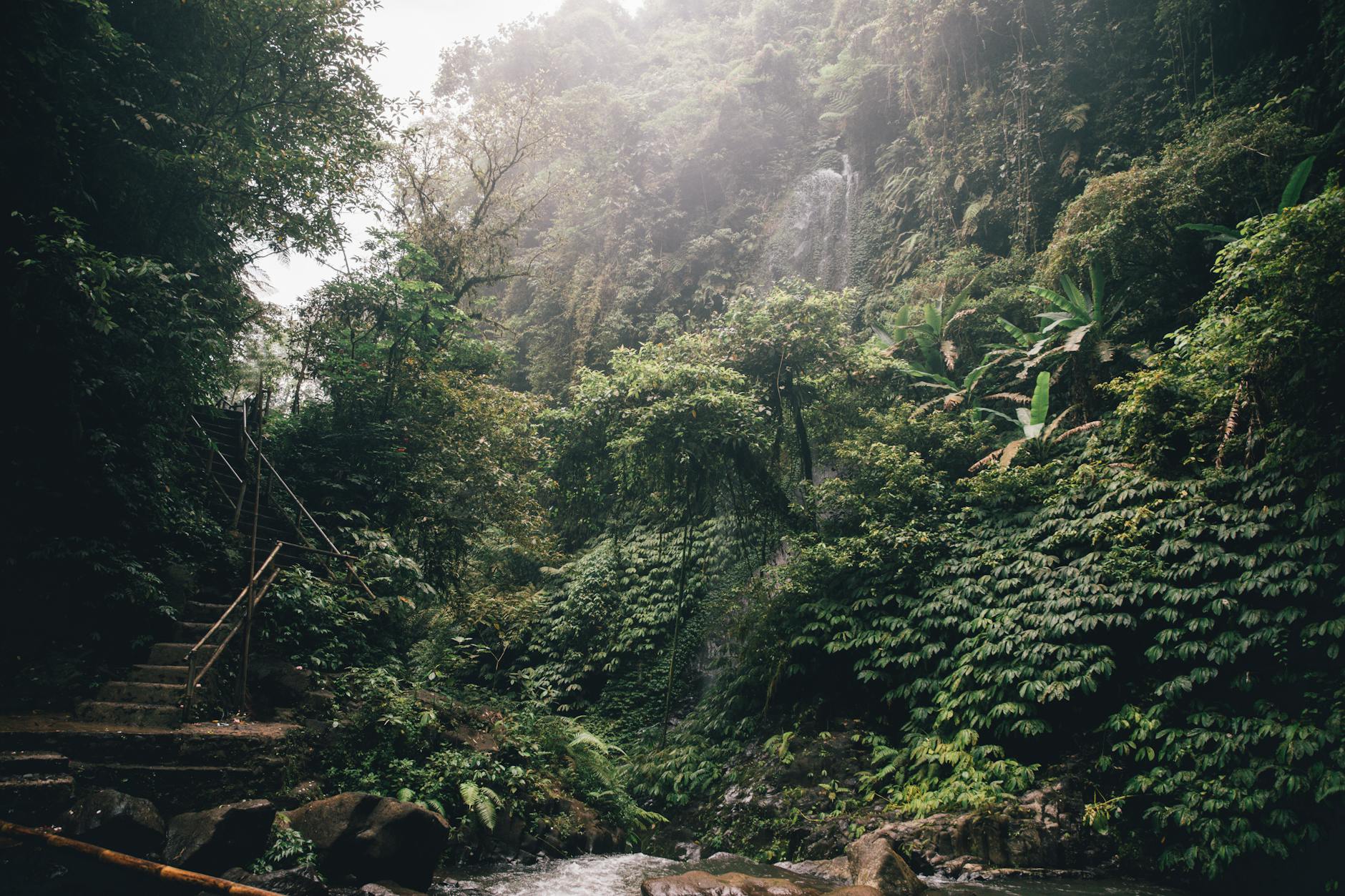
Bali's reputation as a top destination is well earned. The island offers an incredible variety that's hard to fit into one single holiday. You'll find adrenaline-fuelled activities here, from surfing to volcano trekking, alongside quiet moments in bamboo huts overlooking rice fields. The mix of nature is genuinely unique: you get impressive waterfalls next to lush jungles, dramatic cliff coastlines at Uluwatu, and sandy beaches where live music plays late into the night.
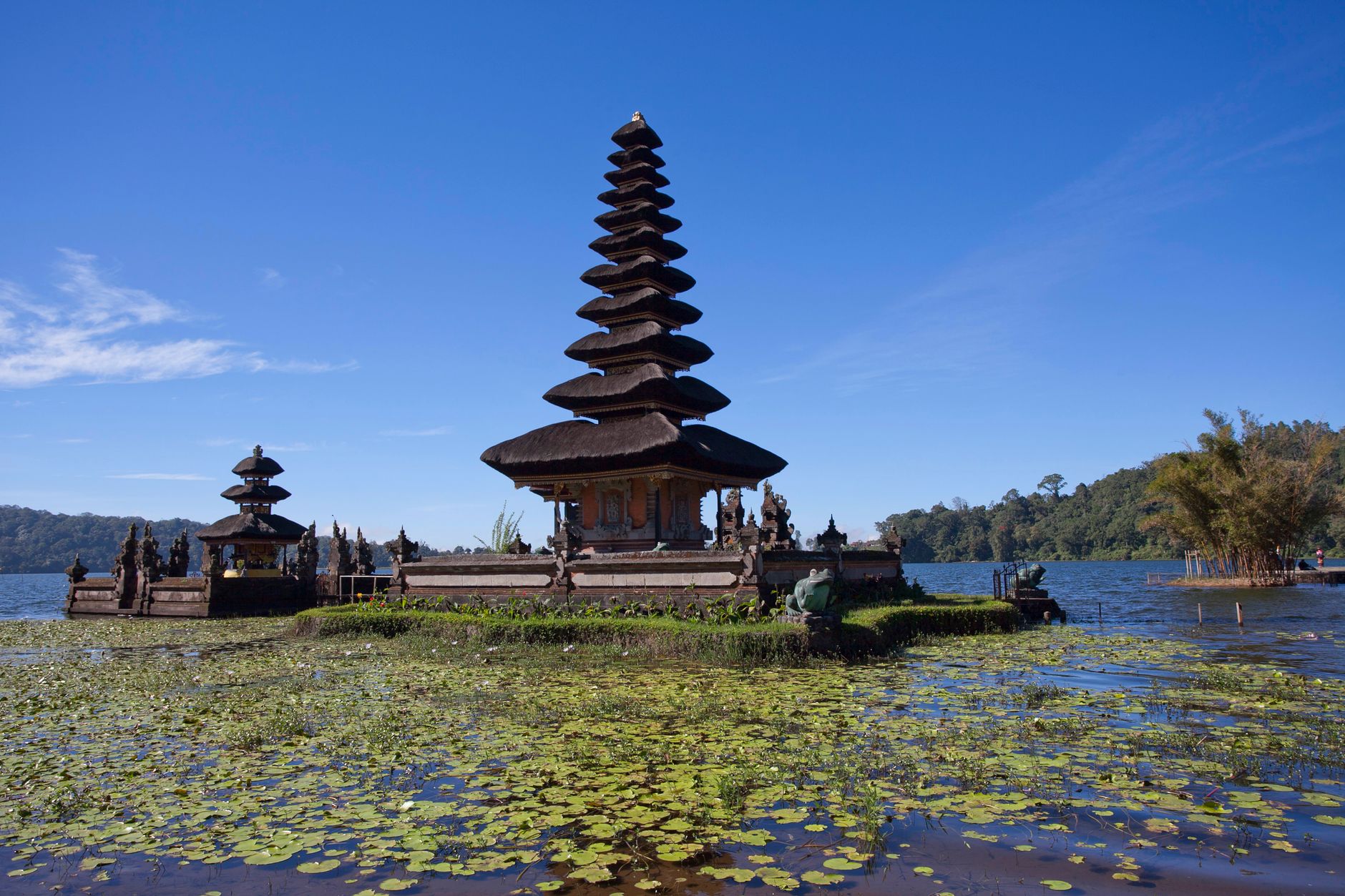
The island is rightly known as the 'Island of the Gods', not just for its temples and spirituality, but also for a way of life that combines calm and joy. Hindu culture lives here side by side with Islam and other religions, always with a smile and a deep appreciation for life. This makes Bali feel like a place where you can find both adventure and inner peace. And we haven't even mentioned the food yet: the culinary scene ranges from juicy satay skewers to authentic nasi goreng, with fresh seafood and tropical fruit for dessert.
Visit Ubud, Bali's jungle oasis: this area is the island's spiritual heart, with temples, art markets and quiet walks.
Explore nearby islands like Nusa Penida and Gili Air for clear blue waters, manta rays and a real escape-from-it-all feeling.
Plan your activities around religious festivals like Galungan and Kuningan, which bring the island to life with colour and tradition.
When to go to Bali
Bali looks beautiful all year round, but the time you choose really shapes your experience. The dry season (April to October) is the most popular time, and for good reason. The sky is bright blue, the sun shines steadily, and the waves are at their best, especially on the west coast for surfers. These months are ideal if you want to enjoy the beach and birdwatching without waterfalls splashing in your face. On top of that, festivals like Galungan and Kuningan fall in this period, when the island really comes alive.
If you don't mind the rain, or want to turn it to your advantage, many travellers treat the rainy season (November to March) as their secret weapon. Yes, showers do fall, but they usually last just a few hours. Then the sun breaks through again, rewarding you with an island that's sparkling green. Prices are lower too, and tourists are scarce. For surfers, May to September is the golden period. For hikers and culture lovers, plenty of festivals fall in the summer months. The fact is, every season has its own Bali charm. It just depends on what you want to experience.
Book the dry season (April to October) for perfect beach weather and surf conditions, but expect more tourists and higher prices.
Go in the rainy season (November to March) for lush landscapes, full waterfalls and lower prices, plus far fewer crowds.
May to September is peak time for surfers. August is popular, so it's pricier. February and March give you the greenest landscapes.
How to get there and get around
Bali is easy to reach, with less hassle than you might expect. For most nationalities, you can apply for a Visa on Arrival (VOA) for up to 30 days, and the good news is you can now do this online before you arrive. That saves you valuable time queuing at the airport. Just check your country's specific visa requirements beforehand, since some nationalities face stricter rules. Since February 2024, there's also a tourist tax of around 9 euros per person, which you can pay online or arrange on the spot.
Once you're on the island, traffic is... interesting. It can get pretty chaotic, especially in popular areas like Canggu and Ubud. Many travellers rent a scooter, which feels very local, but be careful: always wear a helmet, get travel insurance, and remember that roads can turn slippery in the rainy season. A safer option is hiring a driver or taxi. For longer distances, minibuses are available. Travelling from Bali to islands like Nusa Lembongan and Nusa Penida is easy by ferry, and there you'll find foot traffic only, no cars, just pure calm.
Apply for your VOA online before you arrive. It costs around 30 euros per person and saves you time at the airport.
Always wear a helmet on a scooter and ride carefully, especially in the rainy season. Travel insurance is compulsory.
Consider hiring a driver for day trips. It's cheaper and safer than driving yourself through the chaotic traffic.
Top experiences in Bali
What you get out of Bali depends on what makes your heart beat faster. Beach lovers can choose from countless coastlines, from the long beaches with live music in Canggu to the dramatic cliff coastline at Uluwatu with its roaring waves. Nusa Penida is for those after more adventure: here you can see giant manta rays swimming, rocky islands and the beautiful Diamond Beach. For relaxed island hopping, Gili Air and Gili Meno are ideal, with no cars, just your feet and the sand. You'll spot turtles, colourful coral and tropical fish.
Locals will tell you Ubud is the heart of Bali. Here you'll find the iconic Tegalalang rice terraces (a UNESCO-listed landscape you won't believe your eyes), the Monkey Forest with temples and playful monkeys, and genuine art markets. For culture lovers: visit the Taman Ujung water palace or follow a trail like the Campuhan Ridge Walk, both free and unforgettable. If you want something more extreme, climb Mount Batur in the dark for sunrise, or go zip-lining through gorges. For relaxation: hammocks swaying under coconut palms, Balinese massage, and dining under the stars.
Combine Ubud (culture and nature) with coastal towns like Seminyak or Canggu for a balance of spirituality and beach time.
Nusa Penida is worth a day trip. Hire a private boat for snorkelling (around 1,500,000 IDR for groups).
Try free activities: the Campuhan Ridge Walk in Ubud, walks through the rice fields, or exploring temples without a guide for genuine encounters.
Practical tips for your trip
Bali is pretty affordable, especially once you know how to go about it. You can find street food for under 10 euros and stay in charming bamboo huts for under 50 euros a night. That makes the island ideal for backpackers and budget travellers. As you travel around, though, you'll notice Bali has a range of prices, so you can travel cheaply or go for luxury. Travel insurance isn't optional. It protects you against flight delays, lost luggage and medical costs. Once you're there, don't drink tap water. Buy a reusable bottle with a built-in filter, or refill it with filtered water at restaurants. For electricity, you'll need an adapter (type F and C plugs).
Bali is generally safe, but petty theft does happen. Leave valuables at home, keep an eye on your belongings and avoid isolated spots at night. Respecting the culture matters here: Bali is the 'Island of the Gods', and Hinduism runs through everything. Take off your shoes before entering temples, wear respectful clothing in spiritual places, and greet locals with 'Selamat Pagi' (good morning) in Bahasa Indonesia. Finally, natural disasters like earthquakes are rare, but register with your embassy so you can receive emergency alerts.
Pack light and bring travel insurance. It protects you against flight problems and medical emergencies.
Learn a few basic phrases in Bahasa Indonesia (Selamat Pagi, Terima Kasih) for warmer encounters with locals.
Be careful in traffic and stay alert, especially in busy tourist areas, but enjoy the island without worry.
Generated from 2 travel guides and experiences · Sources