A car is essential for the Ardennes. Cities are better by train.
Travel information
Before you go to Belgium
✈️
Airports & entry
Belgium has 3 major international airports. Consider Brussels (BRU) as your main entry point, or fly in and out from different cities to see more.
🗓️
Best trip length
Most visitors spend 3–8 days in Belgium. Shorter trips work well for focused regions; longer trips let you explore more deeply.
🗺️
Regions to know
Belgium has 3 distinct regions. Ardennes and Flanders are the most popular starting points for first-time visitors.
🚗
Getting around
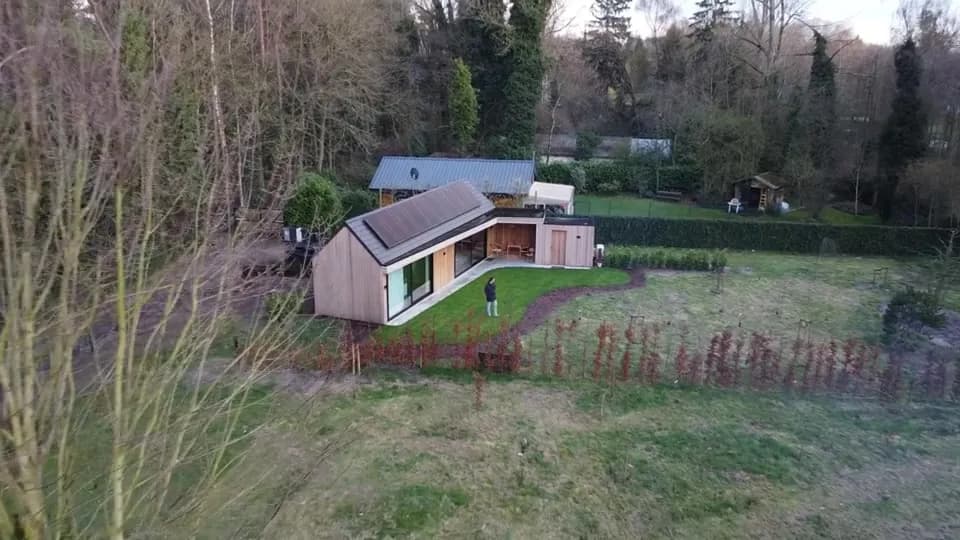
A car is essential for the Ardennes. Cities are better by train.
💡
Smart planning tip
Generate a personalised trip plan with Wayloha: just enter your budget, travel style and travel dates. Our AI reads 62 travel blogs to build your perfect route.
📋
Preparation guide
After generating your trip plan, Wayloha creates a full preparation guide, including packing list, visa info, SIM card tips, money advice and local customs tailored to your trip.
Travel inspiration
Belgium in pictures
Real travel content from the community. See the latest photos, videos and stories from people who've already been.
Content is hosted on third-party platforms. Wayloha links to public hashtag pages and does not store any social media content.
Ready to visit Belgium?
Tell Wayloha your travel style, budget and travel dates. We'll build your complete day-by-day trip plan. Your first draft is on your screen within a minute.
Booking.com affiliate links: Wayloha earns a small commission at no extra cost to you
Travel guide
All about Belgium
Belgium is often underrated as a destination, but this small country punches well above its weight, with a rich history, fascinating cultural contrasts and culinary highlights that will surprise you. From the canals of Brugge to the green valleys of the Ardennes, this is one of Europe's most intriguing corners.
Why visit Belgium
In many ways, Belgium is a country of contrasts that has repeatedly found itself at the centre of world events. This was once the Roman frontier against the Germanic tribes, here the Habsburgs were challenged by Dutch Protestants, here Napoleon lost his final battle, and here the horrors of the First World War unfolded. All of this has left behind a complex heritage that you'll find in every alley and every monument.
But Belgium deserves your attention for contemporary reasons just as much. The historic cities - Brussels, Brugge, Antwerp and Ghent - rival any other European centre for architecture and art. The spread of culture is unique: Flanders in the north feels Dutch, with its flat landscape and Dutch-style architecture, while Wallonia in the south is hilly and wooded. This duality means you can travel from medieval cloth towns to alpine forests within a few hours.
Perhaps the most refined aspect of Belgium is its food. Chocolate isn't a tourist gimmick here, but a fundamental part of daily life. Belgians eat several kilograms of it per person every year. Belgium is also known for having the most diverse beer culture in the world. This country is genuinely a first-rate culinary destination, not just a weekend trip.
Expect big regional differences in mentality, architecture and even food choices between north and south
Belgium is extremely compact; excellent public transport lets you cover long distances quickly
Visit independent chocolatiers alongside the big brands for higher quality and a more authentic taste
When to go
The best time to visit Belgium depends a lot on what you're after. The climate varies between the North Sea coast, where cold, salty winds dominate, and the Ardennes, where autumn and spring bring milder temperatures and beautiful scenery. Summer draws large numbers of tourists to the most popular cities, especially Brugge, which means crowded streets and higher prices.
Festival-goers should aim for June to December, when the Festival van Vlaanderen takes place. This ambitious cultural event features more than 500 classical music concerts in churches, castles and historic venues across more than eighty towns and cities in Flanders. Each of the major Flemish cities, Antwerp, Mechelen, Ghent and Brugge, gets around two weeks of festival programming, as does Brussels.
If you head to the coast for beach and sea, keep in mind that the North Sea is pretty cold. Coastal towns like De Haan do offer charming dunes and pleasant company, but if you're expecting anything like the Mediterranean, you'll be disappointed. Travelling outside peak months gets you better prices and more authentic experiences in the big cities.
Avoid July and August if you want to dodge the crowds, especially in Brugge
Spring and autumn are ideal for hiking in the Ardennes and cycling trips
Plan around the Festival van Vlaanderen if you love culture and classical music
Getting there and around
Belgium is one of Europe's smallest nations, which makes getting around a lot easier. With around 10 million people split between Flanders (5.5 million), Wallonia (3.5 million) and a small German-speaking community in the east, the country is extremely compact. Public transport is excellent, so you can reach almost anywhere without a car.
Brussels, the capital and home to around a million people, is the country's logistical heart and central enough to serve as a base for day trips. From there, you can easily reach Brugge and Ghent in the west, the university town of Leuven in the east, or the cathedral city of Mechelen, halfway to Antwerp. If you want to explore the region further, you can also travel from Brussels to Nivelles and the abbey ruins of Villers-la-Ville in Walloon Brabant. The Ardennes, the region with Belgium's most striking landscapes, stretches across Namur, Liège and Luxembourg, and is easy to reach from cities like Namur or Luxembourg City itself.
The distances are so short that you can explore a different part of the country every day. If you'd rather get around on two wheels, the flat north is ideal. For hikers and cyclists, the Ardennes reveal deep, wooded valleys and open heathland, with plenty of opportunities for hiking, cycling and canoeing.
Buy a multi-day Belgian rail pass; the network is efficient and affordable
Cycling is the preferred way to travel around Flanders, thanks to its flat landscape
Learn the German and French versions of place names, since they differ a lot from the Dutch ones
Top experiences
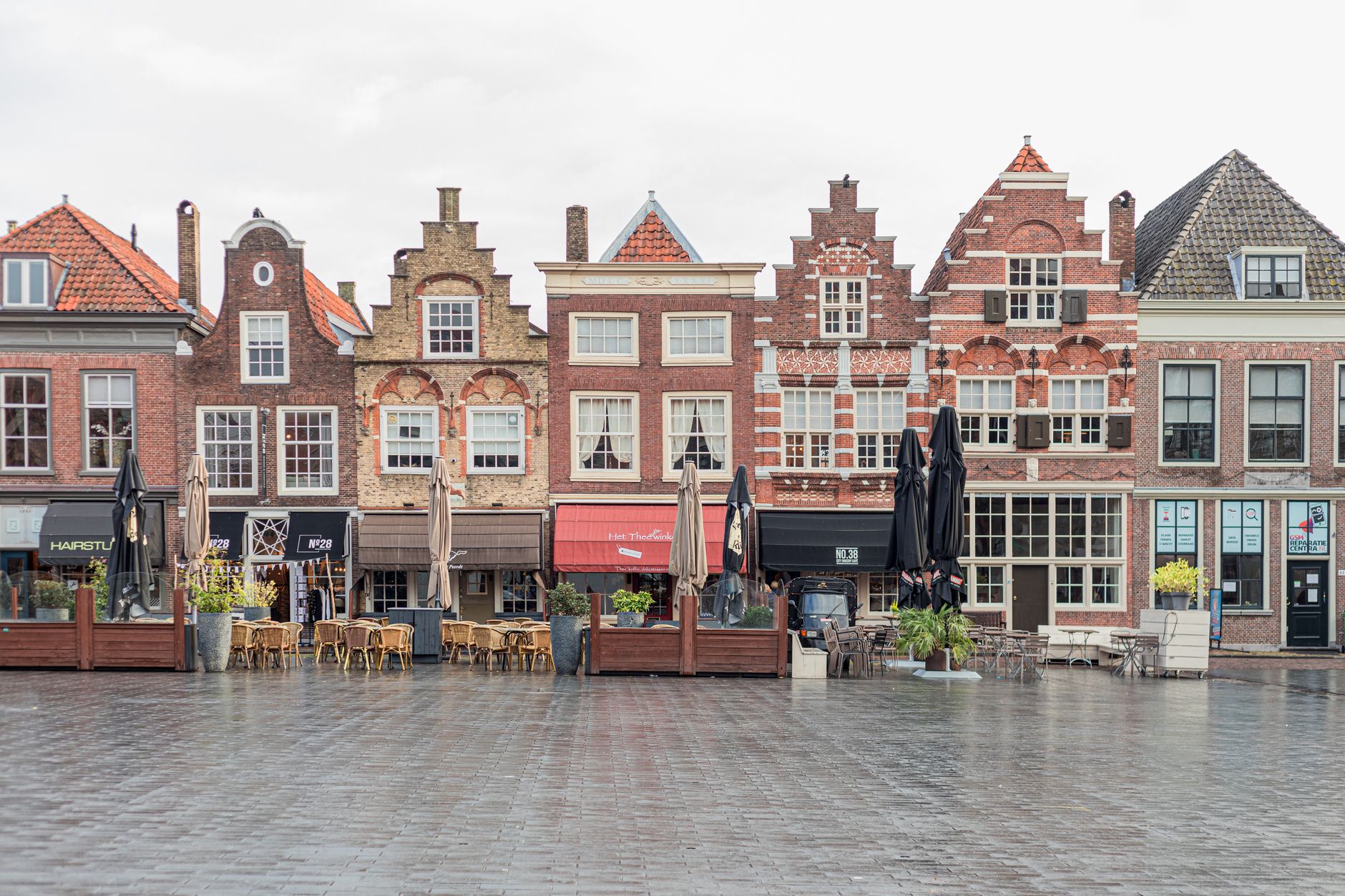
Brugge attracts by far the most visitors, and for good reason: its medieval architecture and canals are essential Belgian heritage. The crowds can be overwhelming, but don't skip it. Ghent offers similarly beautiful history with fewer tourists, while Antwerp, the largest city in the north, delivers a raw burst of energy through its working port, haute couture and a string of art museums.
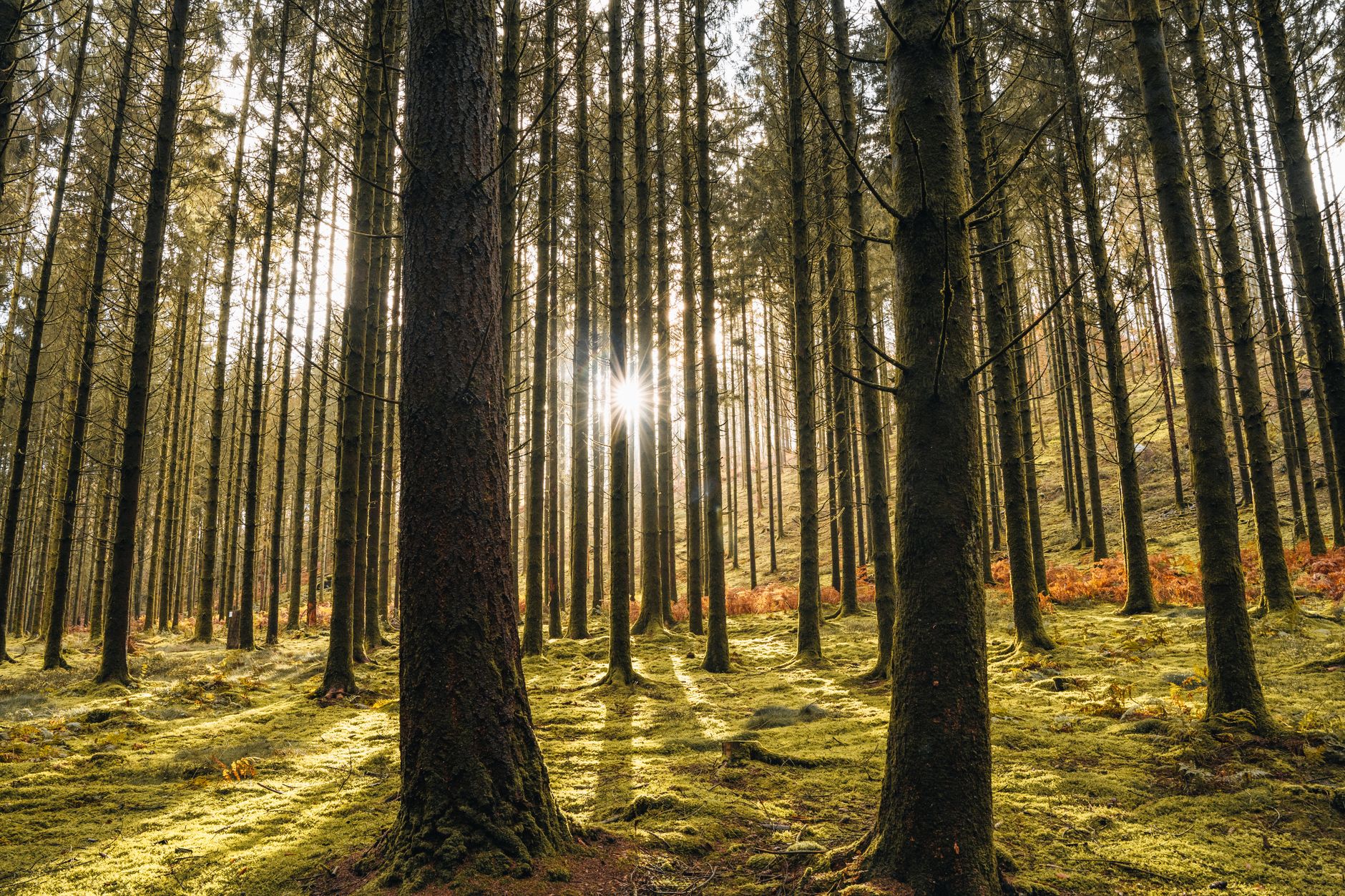
If you prefer quieter experiences, Ieper (formerly Ypres) draws visitors each year who want to reflect on the First World War. The surrounding battlefields and numerous cemeteries tell stories of immense human tragedy. In the south, the Ardennes are the landscape highlight: deep wooded valleys, heather-covered plateaus and villages like Bouillon and La Roche-en-Ardenne serve as a springboard for outdoor adventures.
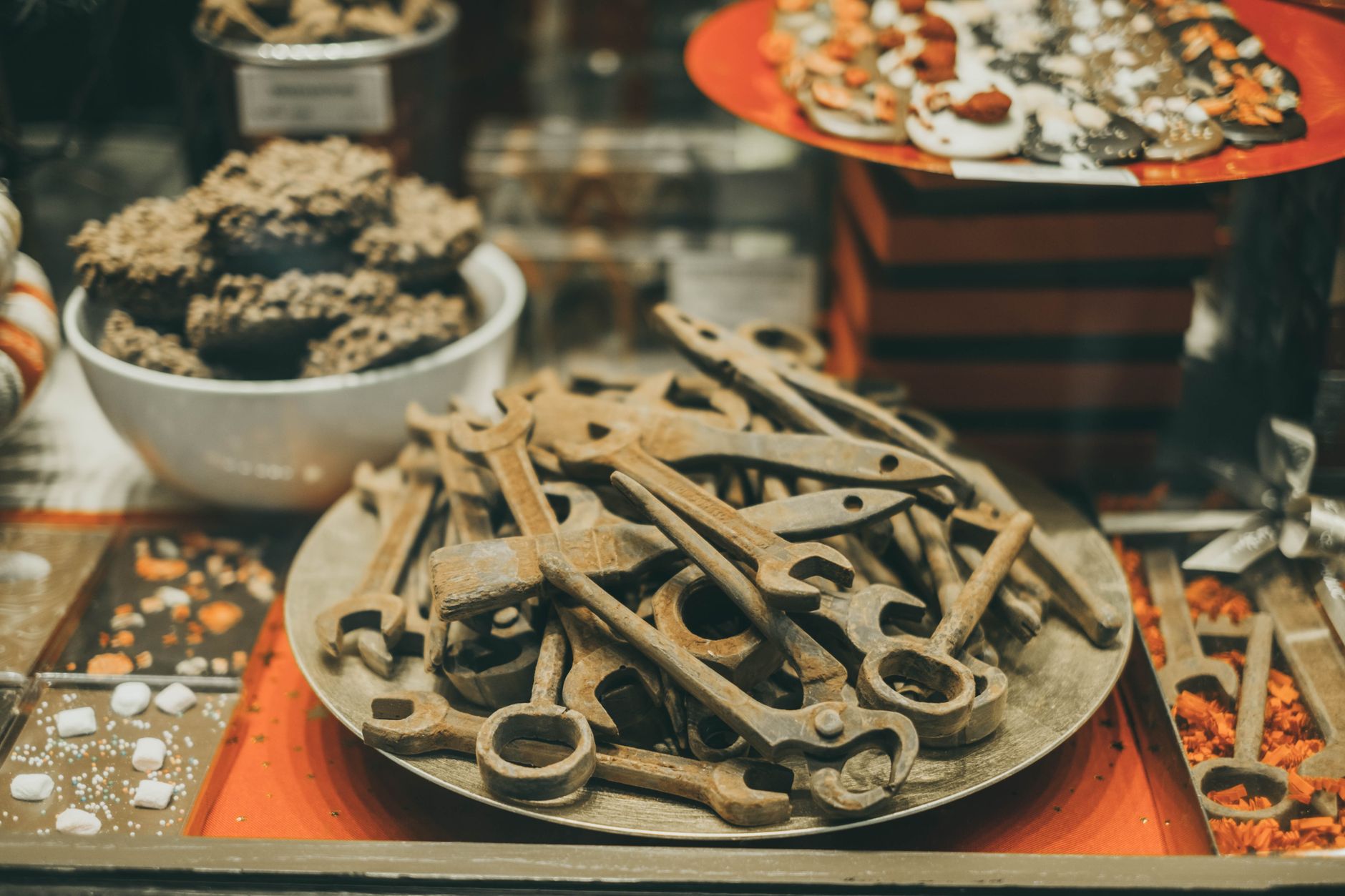
But one experience is universally Belgian: chocolate and beer. Around two thousand chocolate shops dot the country; even the smallest village has at least one. Brand names like Leonidas and Godiva are everywhere, but seeking out independent makers like Wittamer or Pierre Marcolini in Brussels, or Chocolate Line in Brugge, gets you better quality. As for beer, no other country in the world produces such a range of styles. It's a genuine culinary pilgrimage.
Visit Brugge early in the morning or late in the evening to avoid the crowds
Seek out local chocolatiers; Belgian chocolate is cheaper in Belgium itself than anywhere else
Try as many different Belgian beer styles as you can, from abbey beers to kriek
Practical tips
Belgium is a federal state with two major language regions, plus a German-speaking minority in the east. This gives the country a unique complexity. Flanders speaks Dutch, Wallonia speaks French, and Brussels is officially bilingual. It sounds more complicated than it is. English speakers get by just fine everywhere, and city names often come in two versions (Brugge/Bruges, Gent/Gand, Antwerpen/Anvers), both of which are valid.
Belgium uses the euro. Prices are reasonable by Western European standards, and your money goes further here than in many neighbouring countries. Food and drink are your main expenses, though you can eat cheaply if you choose local cafés over tourist restaurants. Chocolate and beer are notoriously cheaper in Belgium than what you'd pay to import them at home.
Safety is rarely an issue in Belgium. The country is stable, and the big cities are safe for tourists, especially in popular areas. Etiquette calls for basic politeness and respect for local customs. Belgians appreciate people who adapt to their surroundings rather than barrel straight through them. Given the Belgian obsession with food and drink, showing enthusiasm for regional specialities will make you welcome everywhere.
Learn a few basic phrases in Dutch and French; even clumsy attempts are appreciated
Pay cash in small villages; credit cards are common in the cities
Respect the regional sensitivities between Flanders and Wallonia by avoiding political comments
Generated from 5 travel guides and experiences · Sources