Great Pyramids of Giza and the Sphinx, arrive early to beat the crowds
2
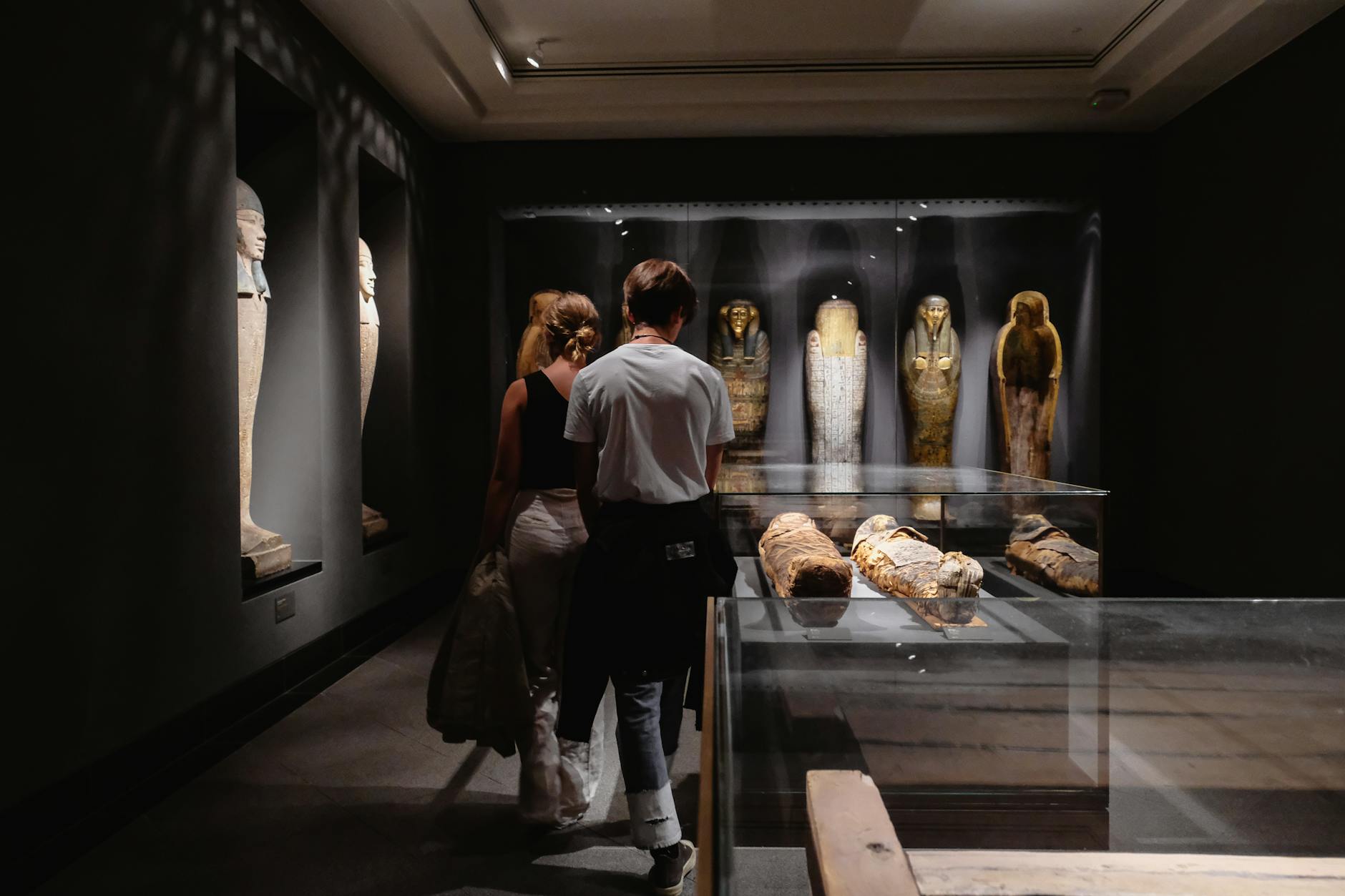
Egyptian Museum (or new Grand Egyptian Museum). Tutankhamun's treasures
3
Khan el-Khalili bazaar, haggle for spices, lamps, and perfume
4
Al-Azhar Mosque and the Islamic Cairo quarter
5
Nile felucca ride at sunset, the most peaceful moment in chaotic Cairo
6
Day trip to Memphis and Saqqara, the Step Pyramid predates Giza
Local tip
Before you go to Cairo
Cairo traffic is legendary, use the metro for key spots. Uber works well. Negotiate everything at bazaars (start at 30% of asking price). Friday is the quietest day.
Content is hosted on third-party platforms. Wayloha links to public hashtag pages and does not store any social media content.
Ready to visit Cairo?
Tell Wayloha your travel style, budget and travel dates. We'll build your complete day-by-day Cairo trip plan. Your first draft is on your screen within a minute.
Cairo is a city caught between different worlds - donkey carts rattle past honking cars, muezzins call out while modern engines rev, and a thousand years of history presses down on you. It's chaotic, overwhelming and absolutely magical: welcome to one of the most fascinating cities in the world.
Why go to Cairo
Cairo isn't just a destination - it's a journey through time. This city of millions holds the world's largest collection of ancient Egyptian artefacts, from royal burial tombs to preserved mummies you can see in the flesh. But it goes beyond museums: around 10% of Egypt's population is Christian, which means you'll find a unique mix of religions and cultures here. Mosques and churches stand side by side in the same neighbourhoods, a sign of centuries of coexistence. The city feels like a living palimpsest, where the moment you arrive matters just as much as the history beneath your feet. If you're willing to embrace its chaos instead of running from it, Cairo gives you a warm welcome you won't forget in a hurry.
Don't let what you've heard put you off - explore the city your own way and form your own opinion
Set aside at least two full days to see the main sights without wearing yourself out
The city's chaotic energy is actually its strength: accept it, and you'll enjoy your trip far more
When to go
Cairo works as a destination all year round, but timing shapes your experience a lot. The city stays lively and busy no matter when you visit, but you can plan smarter by paying attention to visitor flows and practical details. Most tourists visit the top attractions in the morning, so an afternoon or evening visit to popular spots means fewer crowds. This is especially useful at the Egyptian Museum, where you'll not only find it quieter in the afternoon but also pay less to get in - a smart way to stretch your travel budget. Unlike many other destinations, Cairo doesn't demand season-based planning; you can visit sights and explore religious sites all year round without major obstacles.
Visit the Egyptian Museum in the afternoon for smaller crowds and cheaper tickets (around 200 EGP, about €8)
You need to buy a separate ticket for the mummy rooms on site
Set aside 2 to 4 hours for a proper museum visit without rushing
How to get there and get around
Cairo is Egypt's biggest city and an international hub, with an international airport that receives flights from all over the world every day. Arriving is usually straightforward, but once you're in the city, you need to know how to get around. The most practical option is using ride services like Uber or Careem, which work all over Cairo and take you from place to place without you having to navigate the chaotic traffic yourself. For more independence, you can hire a car through a reliable provider - these usually include free cancellation and insurance, so you stay flexible if your plans change. The city itself is huge, so it pays to choose where you stay strategically. If the Pyramids of Giza are your main focus, staying in the Giza district is practical; for a central base near the big museums and attractions, downtown Cairo near Tahrir Square is ideal, and for a trendier, quieter feel, try Zamalek, an island with plenty of hotel choice and a lively nightlife.
Taxi apps like Uber and Careem are reliable and available all over the city - use them for both short and long rides
A hire car gives you freedom, but Cairo traffic is chaotic; make sure you're comfortable with intense city driving
Pick your neighbourhood based on your plans: Giza for the pyramids, downtown for museums, Zamalek for atmosphere
Top experiences and highlights
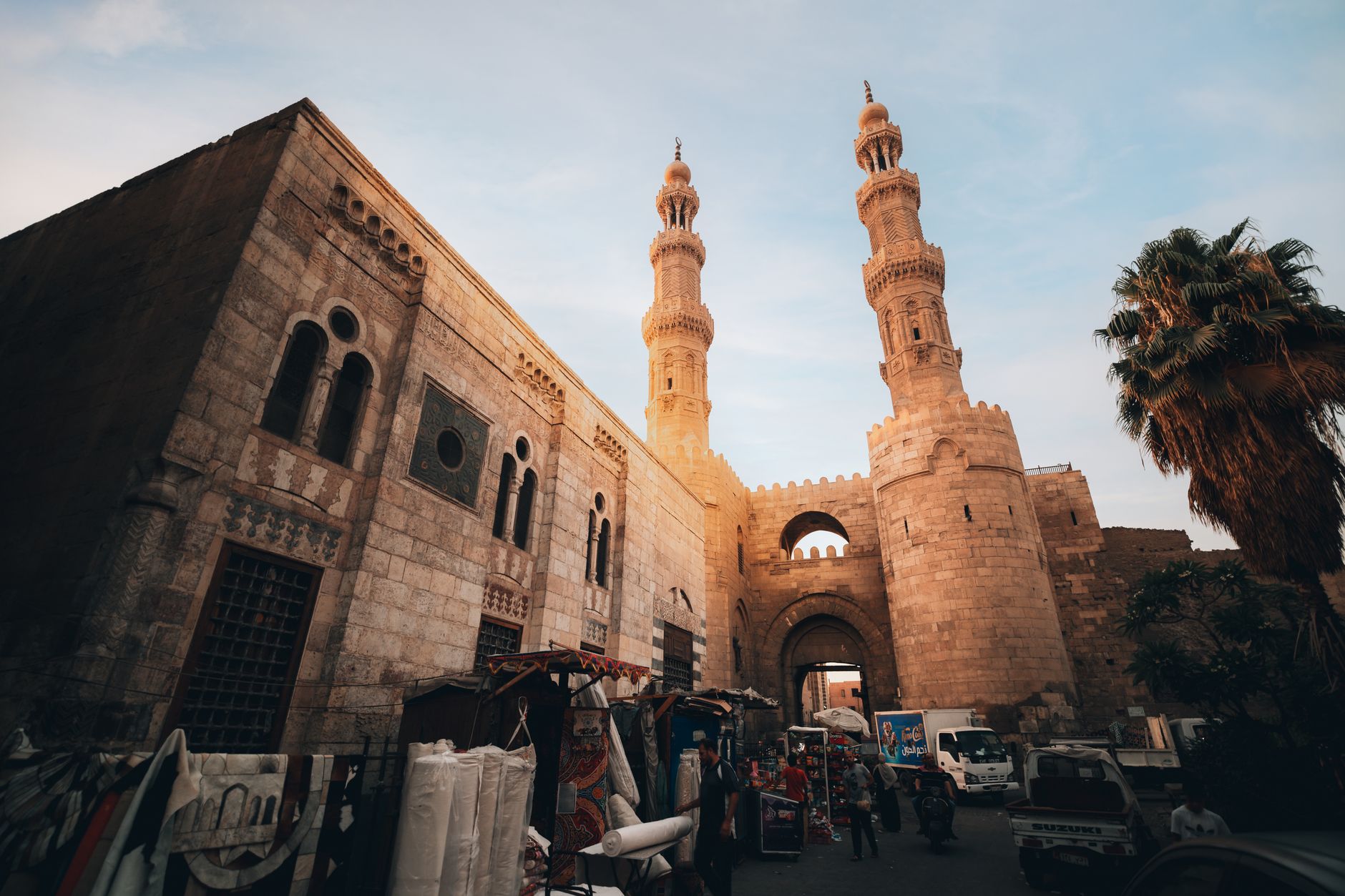
The Pyramids of Giza are the undisputed highlight of everything Cairo offers. They sit just outside the city, so they're easy to reach, and they literally dominate the skyline - the Great Pyramid soars to 139 metres and is visible from all over the city. These royal tombs aren't just old ruins; archaeologists are still making discoveries there, including mummies. The Great Sphinx of Giza, a huge limestone statue with a human head and a lion's body, is the iconic symbol of Egypt itself. Further into the city, you'll find Khan El-Khalili, one of the world's oldest open-air markets - a maze of alleys full of spices, food, clothing, leather bags and antiques. Bargaining is part of the deal, and local traders expect you to knock the asking price down by about 50%. Around the market, you'll find cafés serving Arabic coffee and shisha. For a calmer moment, head to Gezira Island, an island in the Nile where creative young Egyptians live, with galleries and a quiet atmosphere away from the mainland's noise. On this island, you'll find Abou El Sid, a restaurant serving authentic Egyptian dishes. Cairo is rich in religious sites too: the Mosque of Ibn Tulun, tucked away in a non-touristy neighbourhood, is one of Cairo's most beautiful mosques, with intact detailed work and views from an adjoining tower. The Hanging Church, built on an old Roman fort, is a working church with fine ornaments and mosaics that have been in use for centuries. Finally, the Egyptian Museum houses the world's largest collection of ancient Egyptian artefacts - a must, especially for history lovers.
Skip the camel rides at the pyramids; you can explore everything on foot via good paths
In Khan El-Khalili, watch out for pickpockets who use scarf tricks as a distraction - check your bag regularly
For mosques like Ibn Tulun, women should wear a headscarf; it's a respectful custom worth following
Practical travel information
Cairo is fairly affordable for this kind of destination. The Egyptian Museum, for example, costs only around 200 EGP (about €8) to enter, and plenty of street food is even cheaper. Bargaining is the norm in markets like Khan El-Khalili; expect to negotiate rather than accept fixed prices - you have more room to haggle than you'd think. Restaurants range from street food to fine dining; Abou El Sid serves authentic Egyptian cuisine at reasonable prices, while places like Crimson Bar & Grill offer Nile views and pricier food. Culture and religion shape the food scene too: many restaurants serve traditional Egyptian dishes, and you'll find plenty of vegetarian options given the city's large Christian and Muslim population. Language can be a challenge - English is spoken in tourist areas, but Arabic is the everyday language outside those bubbles. Safety is more about common sense than fear: Cairo is chaotic and intense, but it isn't a hotspot for violence against tourists. Keep an eye on your valuables, avoid very remote neighbourhoods at night, and trust your instincts - the same caution you'd use in any major world city is enough. Women can travel solo, but generally dress more modestly and avoid revealing outfits, which helps limit unwanted attention. Religious respect matters: mosques and churches deserve respect for their space and purpose - always ask before you take photos, and dress appropriately. Accepting Cairo's rhythm and culture, rather than fighting it, makes your experience far richer.
Carry 200 EGP (€8) in cash for the museum; many places still work on cash, and cash machines are easy to find
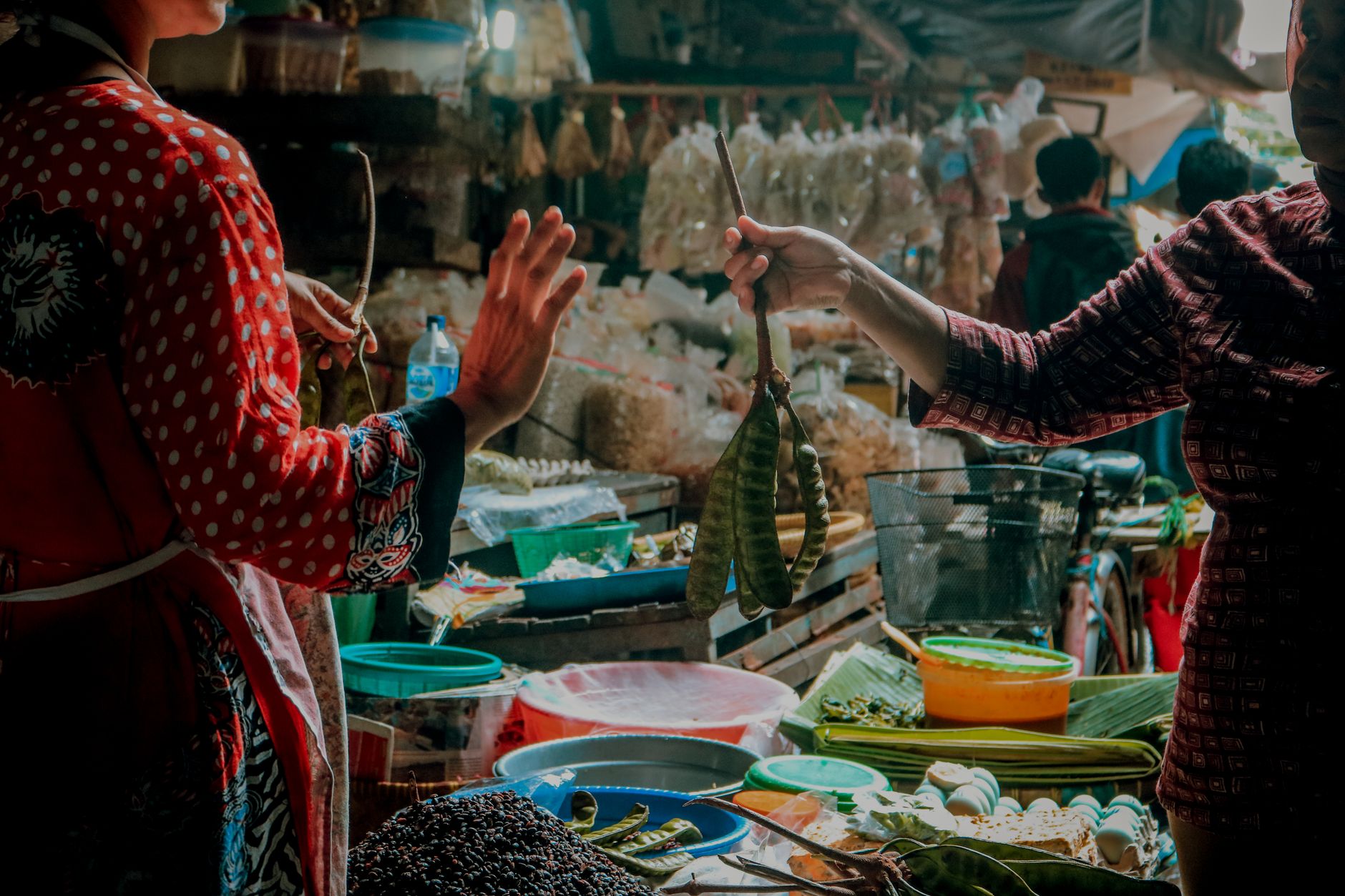
Bargaining isn't a rough process, it's a social dance; don't hesitate to go back to a shopkeeper and keep talking
Modest clothing helps you blend in, especially for women; long trousers and shirts that cover the shoulders are the standard