No car needed. Nile cruises, domestic flights, and guided tours cover everything. Traffic in Cairo is intense.
Travel information
Before you go to Egypt
✈️
Airports & entry
Egypt has 4 major international airports. Consider Cairo (CAI) as your main entry point, or fly in and out from different cities to see more.
🗓️
Best trip length
Most visitors spend 8–12 days in Egypt. Shorter trips work well for focused regions; longer trips let you explore more deeply.
🗺️
Regions to know
Egypt has 3 distinct regions. Cairo & Giza and Nile Valley are the most popular starting points for first-time visitors.
🚗
Getting around
No car needed. Nile cruises, domestic flights, and guided tours cover everything. Traffic in Cairo is intense.
💡
Smart planning tip
Generate a personalised trip plan with Wayloha: just enter your budget, travel style and travel dates. Our AI reads 62 travel blogs to build your perfect route.
📋
Preparation guide
After generating your trip plan, Wayloha creates a full preparation guide, including packing list, visa info, SIM card tips, money advice and local customs tailored to your trip.
Travel inspiration
Egypt in pictures
Real travel content from the community. See the latest photos, videos and stories from people who've already been.
Content is hosted on third-party platforms. Wayloha links to public hashtag pages and does not store any social media content.
Ready to visit Egypt?
Tell Wayloha your travel style, budget and travel dates. We'll build your complete day-by-day trip plan. Your first draft is on your screen within a minute.
Booking.com affiliate links: Wayloha earns a small commission at no extra cost to you
Travel guide
All about Egypt
Egypt draws you in with the force of ancient heritage and the mystical beauty of the Nile. Whether you're visiting for the first time or returning, this land of imposing temples, vibrant cities and warm hospitality promises a journey that touches your soul and shifts your perspective.
Why Egypt
Egypt is more than a destination: it's a step back in time where ancient civilisations still pulse through every stone. The grandeur of the pyramids and temples stands as evidence of remarkable human achievement that you experience in real time. This land has a magnetic pull on travellers who want to feel what it was like to live within one of humanity's oldest and most influential civilisations. Beyond the monumental heritage, you'll find modern vitality too: Cairo thrums with energy, the bazaars overflow with colour and life, and the local culture invites you to immerse yourself in authentic experiences. Many travellers choose Egypt precisely because they want a deeper connection with the past, not as an observer, but as a participant in a story thousands of years old. The combination of archaeological wonders with hospitable people makes Egypt remarkable.
Book through a reliable travel agency that can advise you well on safety and logistics
Plan multiple bases to truly know the country: Cairo, Luxor, and the Nile
Give yourself time: Egypt doesn't deserve to be rushed
When to go
The best time to visit Egypt is between October and April, when temperatures are pleasant and you can walk comfortably without sinking into the oppressive heat of summer. During this period you can spend full days in open-air museums and at excavation sites without exhaustion. December and January are the busiest months, which means more tourists, but also that all services run at full capacity. Spring (March-April) offers a nice balance: you avoid the winter crowds and still enjoy temperatures around 25-30°C. Make sure you carry plenty of water and wear high SPF sunscreen, as the sun remains intense even in the milder months. The summer months (May to September) are generally not ideal for sightseeing; temperatures can climb above 40°C, which is physically draining. Early morning and late afternoon are the best times to be outside.
Avoid July and August due to extreme heat and tourist crowds
Book accommodation and flights several months ahead for peak season
Check the local calendar for religious and cultural holidays that might enrich your visit
How to get there and get around
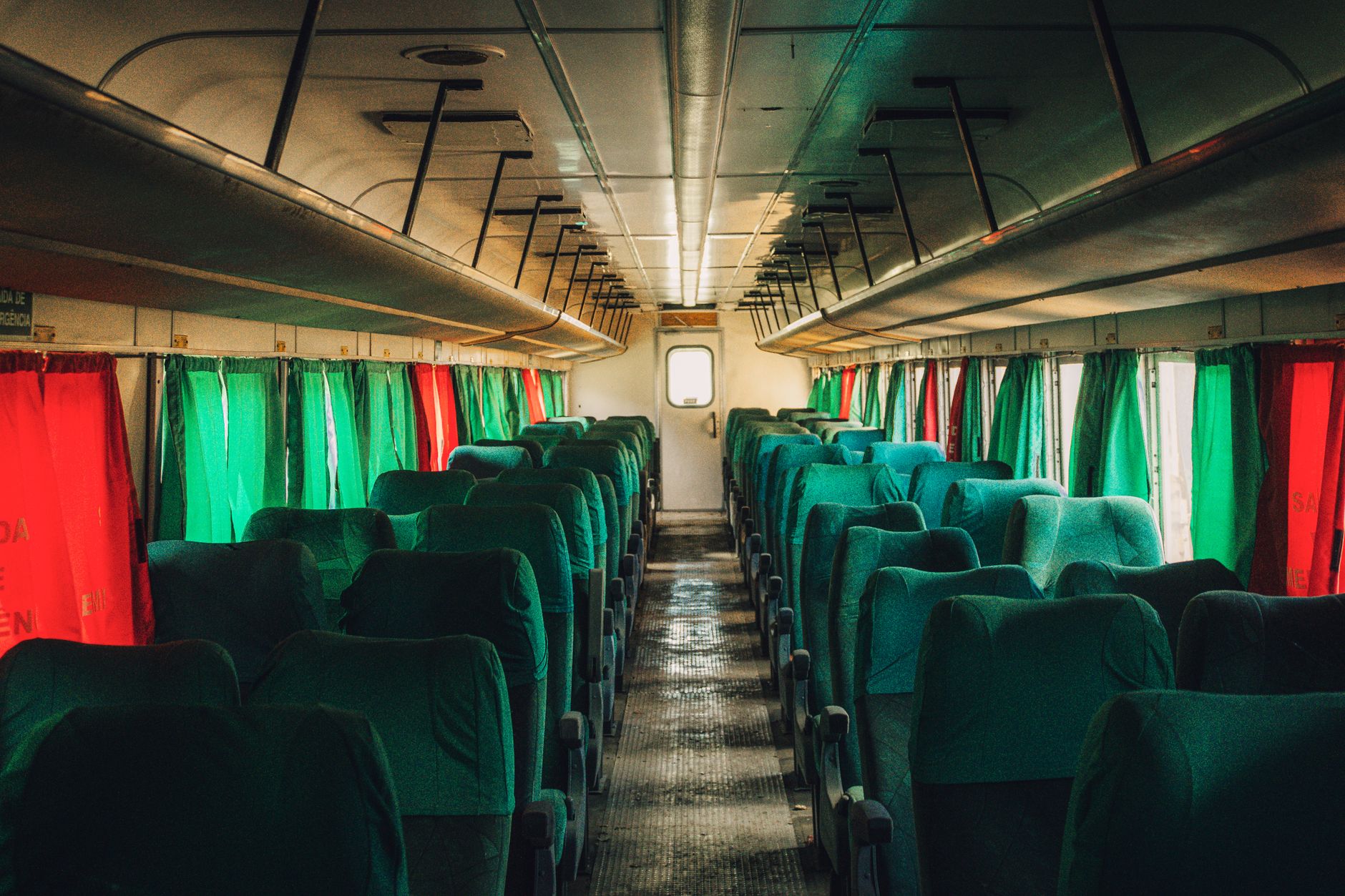
From the Netherlands, flying is the easiest way to reach Egypt. Flight time from Amsterdam to Cairo typically runs 5 to 6 hours, depending on any stops. Major airlines offer direct and connecting flights, giving you flexibility on timing and price. Once you arrive at Cairo International Airport, you can get a visa on arrival or arrange one beforehand; just make sure your passport is valid for at least six months. For travel within Egypt you have several options: domestic flights connect Cairo quickly to Luxor and Aswan (each roughly 1 to 1.5 hours); trains offer a more immersive way to travel the country and meet local passengers; and buses are economical but can take a long time. On the Nile itself, river cruises are a classic experience where you sail past temples and see traditional villages. Local taxis and Uber operate in major cities, though traffic can feel chaotic. Many visitors choose to hire guides for tours, which is not only safer but also gives deeper insight into what you're seeing.
Structure multiple stops on your trip (Cairo, Luxor, Aswan) so you explore the country thoroughly
Book your Nile cruise ahead through reputable operators that are well equipped
Carry cash (Egyptian pounds) and ensure you have change; credit cards don't work everywhere
Top excursions and unforgettable experiences
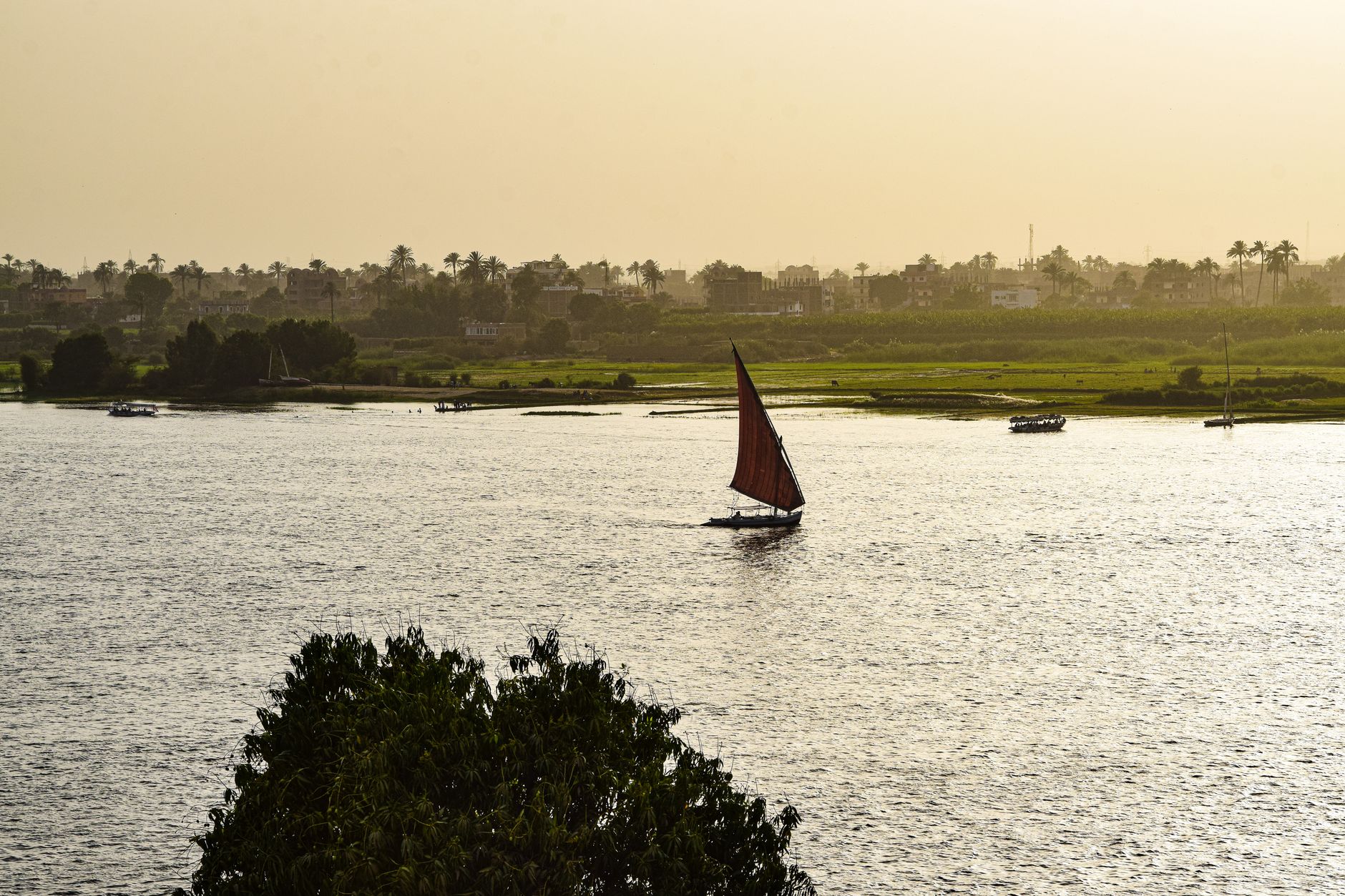
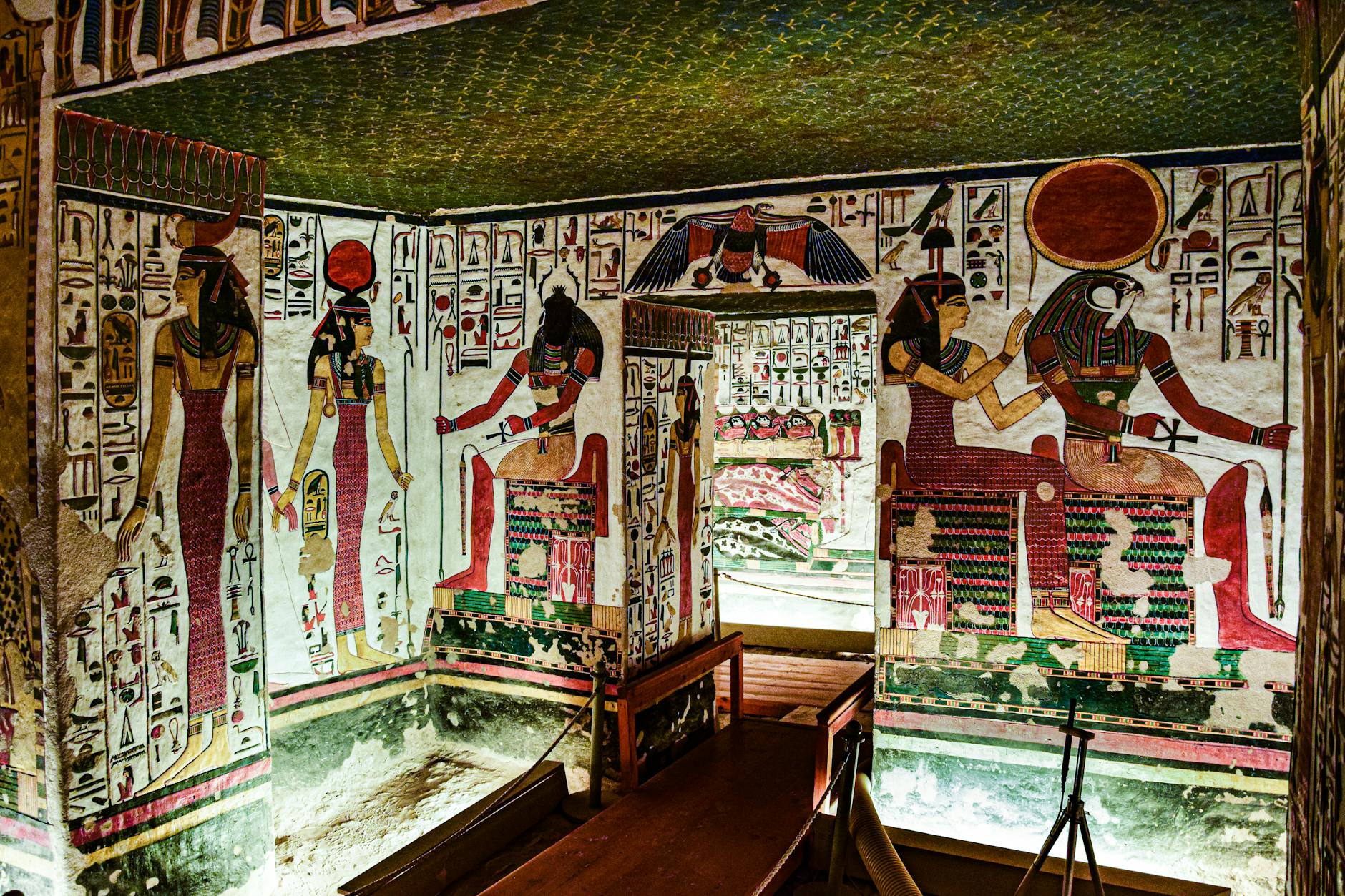
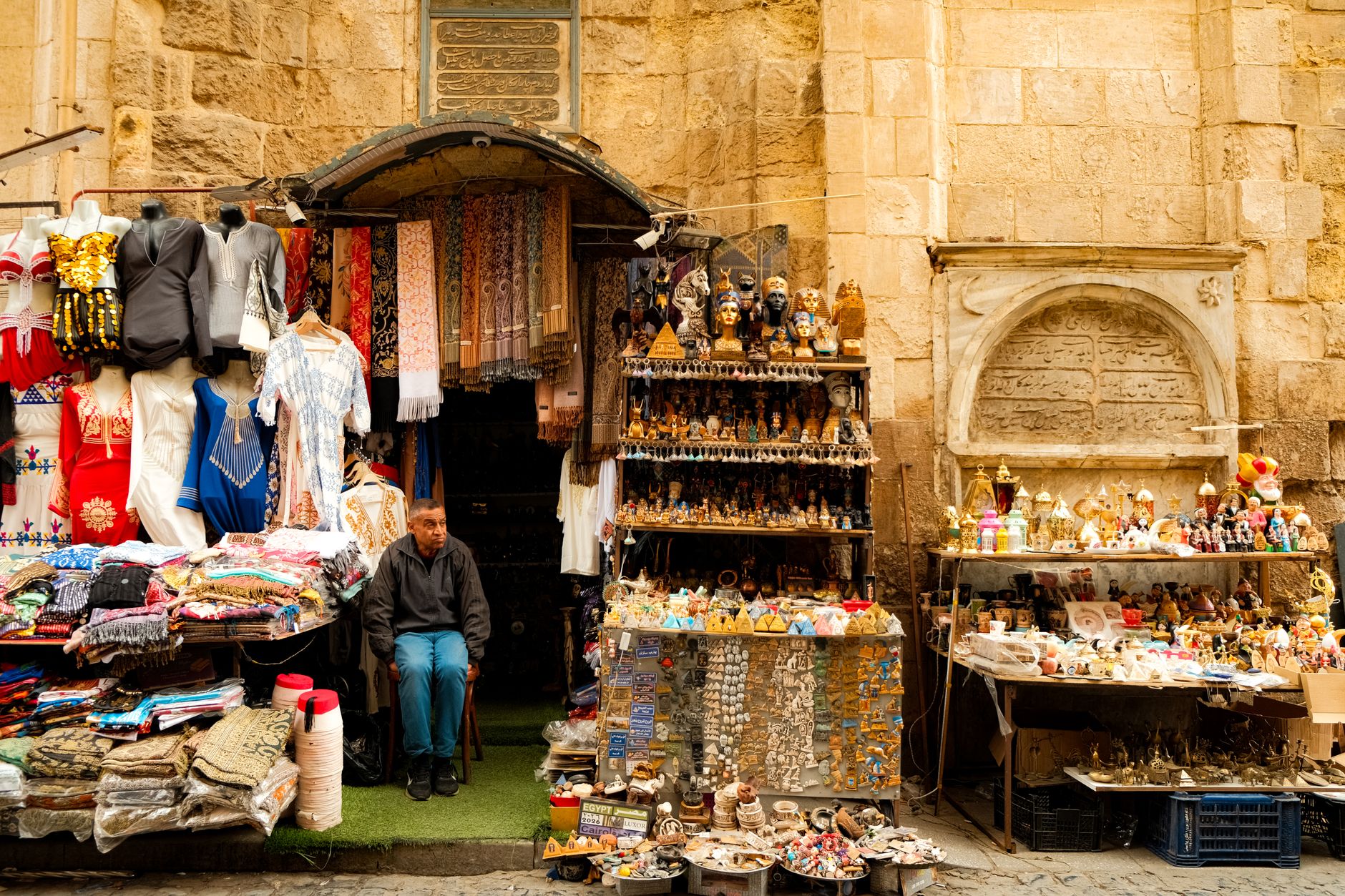
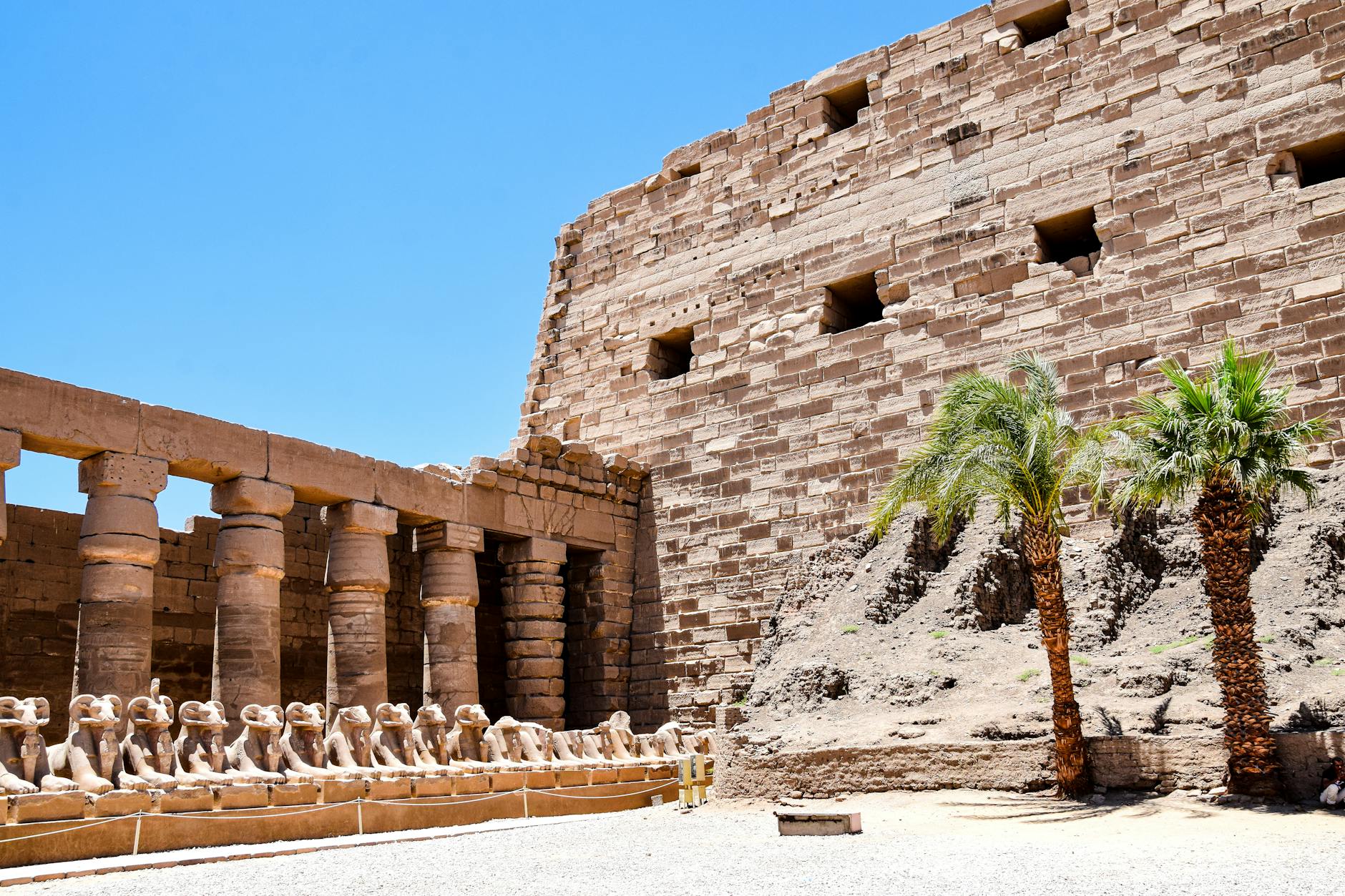
No trip to Egypt is complete without seeing the Great Pyramid of Giza and the Sphinx with your own eyes. These aren't just photographs; they're an overflow of wonder when you first see the massive stone silhouettes rise from the desert. Luxor, with the temples of Karnak and the Luxor Temple Complex, offers far more than architecture: it's where you can feel the daily life of ancient Egyptians. A cruise on the Nile feels like time stops as you drift past green banks and small villages. Aswan, at the southern border, feels calmer and more moving; the Nile islands and felucca sailboats paint a more intimate picture of life here. In Cairo itself, the Egyptian Museum takes you through thousands of years of civilisation's story, with mummies from Egypt and artefacts from surrounding regions that show the continent's connectivity. For those who want to dig deeper: visit the lesser-known temples in Dendera or the white desert outside Cairo for landscapes that take your breath away. The local bazaars and souks in Khan El-Khalili are not just shopping spaces but cultural hubs where you can eat, drink and watch authentic crafts being made.
Start temple and museum visits early to avoid the worst heat and crowds
Hire an accredited guide; their knowledge of history and local stories transforms what you see
Try local food at bazaars and markets; this gives you insight into daily life beyond tourist zones
Practical information for your trip
Egypt uses the Egyptian Pound (EGP) as currency; exchange rates fluctuate, so check them beforehand. Many hotels and tourist businesses accept international credit cards, but always carry cash, especially outside major cities. The local language is Arabic, but English is widely spoken in tourist areas. It's wise to learn basic Arabic words and phrases, which locals appreciate. On safety: Egypt is generally safe for tourists in mainstream tourist areas, but as anywhere, be careful with your belongings and stay aware of your surroundings. Check your government's travel advice first. For health: drink only filtered water, wear sunscreen and anti-mosquito spray (dengue and malaria can occur in certain regions), and bring essential medicines with you. Egyptians are generally hospitable and tolerant, though it's an Islamic culture: dress respectfully (covered shoulders and legs at religious sites), and be sensitive around prayer times and meal times, especially during Ramadan. Tip: work with a reliable travel agency that can advise you well on entrance tickets, accommodation across different locations and travel logistics, which takes the stress out of your trip and ensures you don't miss anything.
Book through accredited agencies that offer helpful advice and arrange multiple bases
Buy travel insurance that covers medical emergencies and cancellation
Do you need a visa? Check requirements for Dutch passport holders and arrange it in time
Generated from 7 travel guides and experiences · Sources