Tuk-tuks everywhere. Buses between major cities are comfortable and cheap. Internal flights save time.
Travel information
Before you go to Cambodia
✈️
Airports & entry
Cambodia has 2 major international airports. Consider Siem Reap (REP) as your main entry point, or fly in and out from different cities to see more.
🗓️
Best trip length
Most visitors spend 10–14 days in Cambodia. Shorter trips work well for focused regions; longer trips let you explore more deeply.
🗺️
Regions to know
Cambodia has 3 distinct regions. Angkor & Northwest and Phnom Penh & Central are the most popular starting points for first-time visitors.
🚗
Getting around
Tuk-tuks everywhere. Buses between major cities are comfortable and cheap. Internal flights save time.
💡
Smart planning tip
Generate a personalised trip plan with Wayloha: just enter your budget, travel style and travel dates. Our AI reads 62 travel blogs to build your perfect route.
📋
Preparation guide
After generating your trip plan, Wayloha creates a full preparation guide, including packing list, visa info, SIM card tips, money advice and local customs tailored to your trip.
Travel inspiration
Cambodia in pictures
Real travel content from the community. See the latest photos, videos and stories from people who've already been.
Content is hosted on third-party platforms. Wayloha links to public hashtag pages and does not store any social media content.
Ready to visit Cambodia?
Tell Wayloha your travel style, budget and travel dates. We'll build your complete day-by-day trip plan. Your first draft is on your screen within a minute.
Booking.com affiliate links: Wayloha earns a small commission at no extra cost to you
Travel guide
All about Cambodia
Cambodia draws you in with a mix of spiritual grandeur and reckless adventure. Whether you're immersed in the atmosphere of centuries-old temples where roots creep through the stone, confronting the intense history of the capital, or unwinding in laid-back coastal villages where beer costs less than a euro, this country feels authentic and unfiltered.
Why visit Cambodia
Cambodia speaks to travellers drawn to contrast. The country is home to Angkor Wat, the world's largest religious monument, surrounded by mystical temples like Ta Prohm with its massive tree roots that have conquered stone walls. At the same time, it offers insight into complex history that confronts you with the reality of the recent past in places like Phnom Penh. Beyond the major tourist routes, adventure awaits: motorbike rides over mountain passes, floating markets, local cooking classes, and yes, even culinary experiments with scorpions and tarantulas for the brave. The country combines spirituality, history, natural beauty and an extremely affordable backpacker infrastructure that lets you stay for months without breaking your budget.
Book temple tours ahead during peak season (November to March) to avoid disappointment
The combination of Phnom Penh, Siem Reap and Kampot gives you culture, monuments and relaxation in one trip
Expect authentic chaos, and that's exactly why people come back
When to go
Cambodia's weather follows Southeast Asia's monsoon seasons, but that doesn't have to complicate your planning. The driest and most popular season runs from November to March, when temperatures are pleasant and rain is rare. This is also peak tourism season, so expect larger crowds at Angkor Wat and higher accommodation prices. The rainy season (May to October) brings intense downpours, but the landscape turns spectacularly green and you avoid the cruise-ship-like crowds at popular tourist spots. For a balance between comfort and a more authentic experience, April to May is ideal: it's hotter, but you meet fewer tourists. Note: check ahead whether places are open during the rainy season, and book activities like boat trips in advance during peak season.
November to March: best weather, busiest season, book accommodation ahead
May to October: greener landscape, fewer crowds, more rainfall; check opening times
Avoid religious holidays if you want to dodge crowds; book ahead so you're not disappointed
Getting there and around
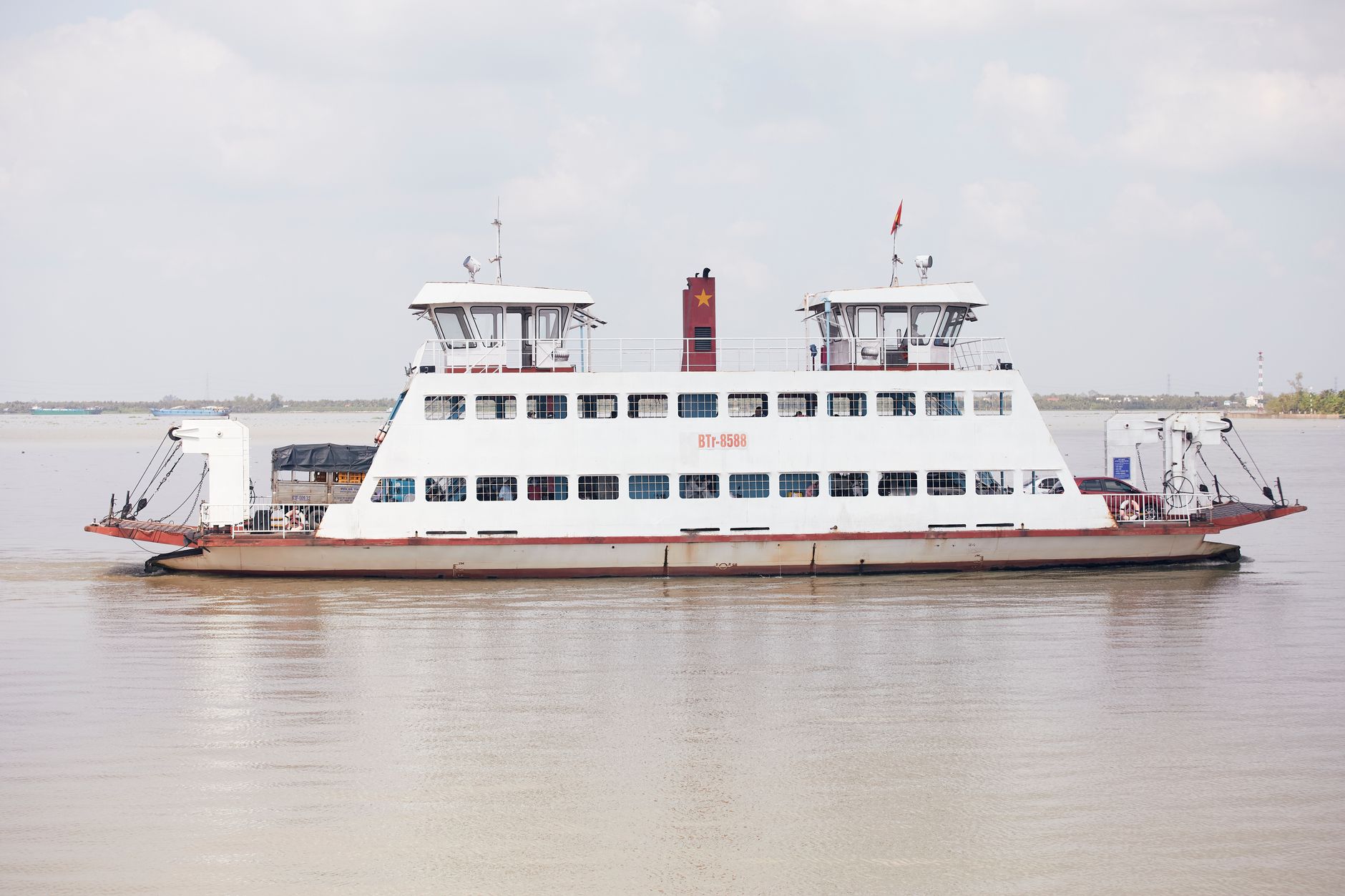
Most international travellers land at airports in Phnom Penh or Siem Reap. From there, buses are the cheapest transport, with routes connecting all major cities reliably. Phnom Penh and Siem Reap lie around 300 kilometres apart and are served regularly. Local transport is affordable and sometimes chaotic; tuk-tuks are everywhere and cost just a few dollars for short rides. For those wanting more freedom and willing to rough it a little: hiring a motorbike is popular, especially around Kampot, and gives you the flexibility to explore mountain roads and remote villages. Ferries connect mainland Cambodia with islands and with Vietnam: if you're combining a regional trip, you can travel from Kampot to the Vietnamese island of Phu Quoc by ferry, or explore the Mekong Delta from Can Tho in Vietnam, reachable by bus.
Buses are cheap (a few dollars for long distances) and the standard way between cities
Hiring a motorbike for local exploration gives freedom; arrange insurance and understand local traffic rules
Tuk-tuks are mass transport and far cheaper than taxis, so negotiate the price beforehand
Top experiences
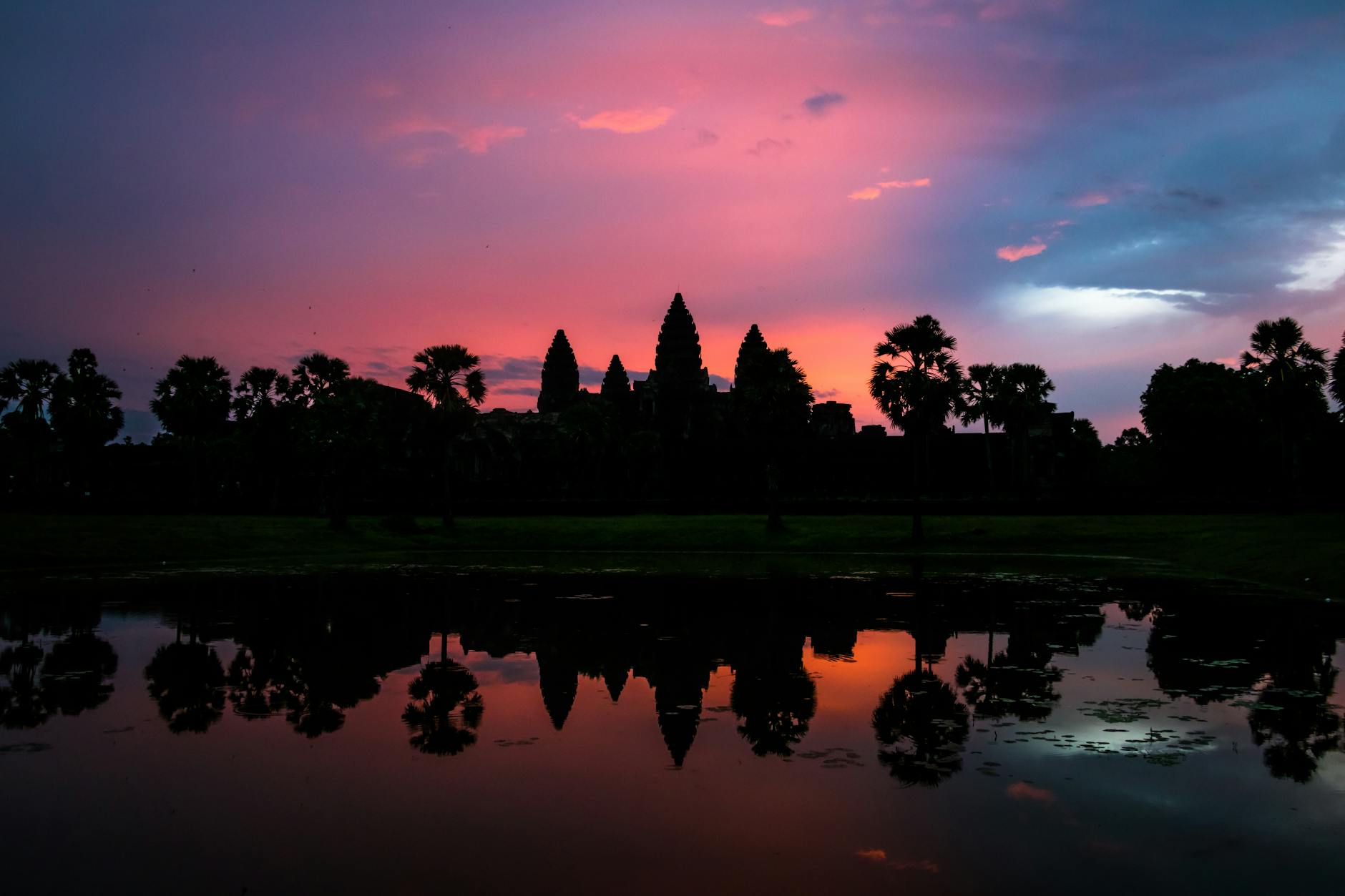
Angkor Wat looks unique in the soft light of sunrise, when tourists have already gathered: this isn't optional, this is why you're here. Ta Prohm, where nature has literally taken over the stonework, feels mystical and hidden through its dark passages and enormous roots. In Phnom Penh you do the opposite: you confront yourself with the recent past at the Tuol Sleng Genocide Museum and the Killing Fields, intense experiences that are essential for understanding. The royal palace and Silver Pagoda offer religious grandeur without the jungle backdrop. Further from the crowds, Kampot is a small coastal town where you can relax and hire motorbikes to explore the nearby mountains and villages. For pure backpacker vibes and budget-friendliness, Sihanoukville is a festival destination with 50-cent beers and three-dollar rooms, grungy yes, but exactly the authentic feel many travellers seek. Complete your Cambodian experience with a cooking class (many places offer this), local street food, and yes, if you dare, a taste of scorpions or tarantulas at local markets.
Sunrise at Angkor Wat is essential; make sure you have two full days for the temples
Phnom Penh deserves 3 days for Tuol Sleng, the Killing Fields and the palaces, so prepare yourself emotionally
Kampot-Kep combines beach relaxation with adventure; ideal after the intensity of Siem Reap
Practical tips
Cambodia is extremely affordable for European visitors: budget 25 to 40 euros a day if you sleep in hostels and eat cheaply, up to 70 euros or more if you want more comfort. Both dollars and local Riel are used; dollars are more convenient for tourists. English-speaking guides and locals are widespread in tourist areas, so the language barrier isn't major. Health-wise, arrange tetanus and hepatitis A vaccinations, and consider rabies if you expect close contact with animals. Malaria is present along border areas, so use insect repellent and preventive medicine if you visit remote areas. Respect is crucial: Buddhism runs through everything, so dress modestly, avoid pointing your feet at Buddha statues or monks, and remove your shoes in temples and private homes. The local greeting is a deep bow with hands clasped; handshakes are not customary unless someone initiates. Safety is generally good: theft can happen in backpacker places, so use a locker, and avoid anything that might be seen as offensive to the royal family (yes, really).
Always remove your shoes in temples, homes and some restaurants; this is non-negotiable respect
Pay in dollars in tourist areas, Riel in villages; both are widely accepted
Insect repellent is essential even in the city; dengue and malaria exist
Generated from 9 travel guides and experiences · Sources