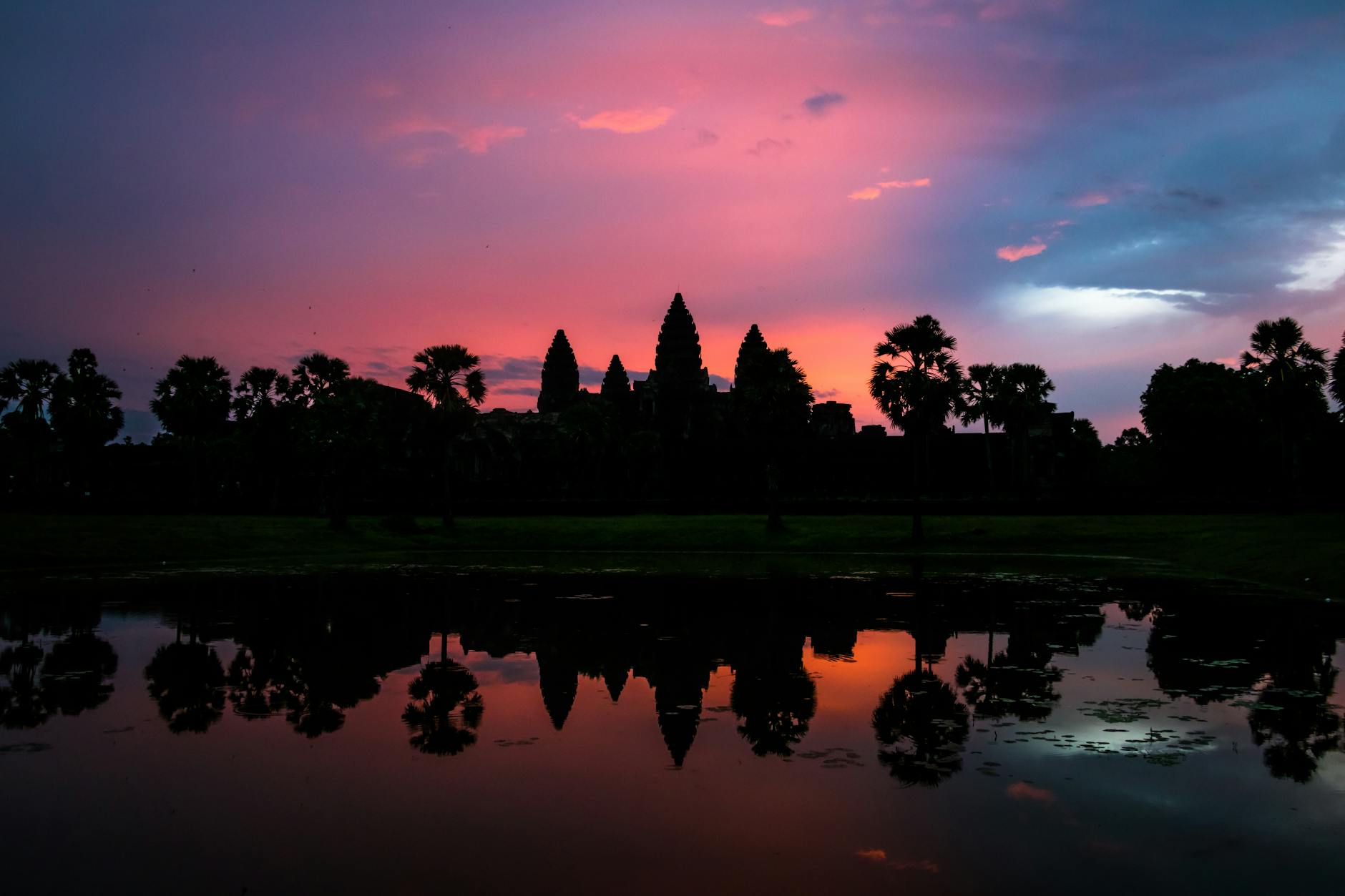
Angkor Wat at sunrise, arrive by 5 AM for the iconic reflection shot
2
Bayon Temple, 216 serene stone faces in the jungle
3
Ta Prohm, the 'Tomb Raider temple' wrapped in tree roots
4
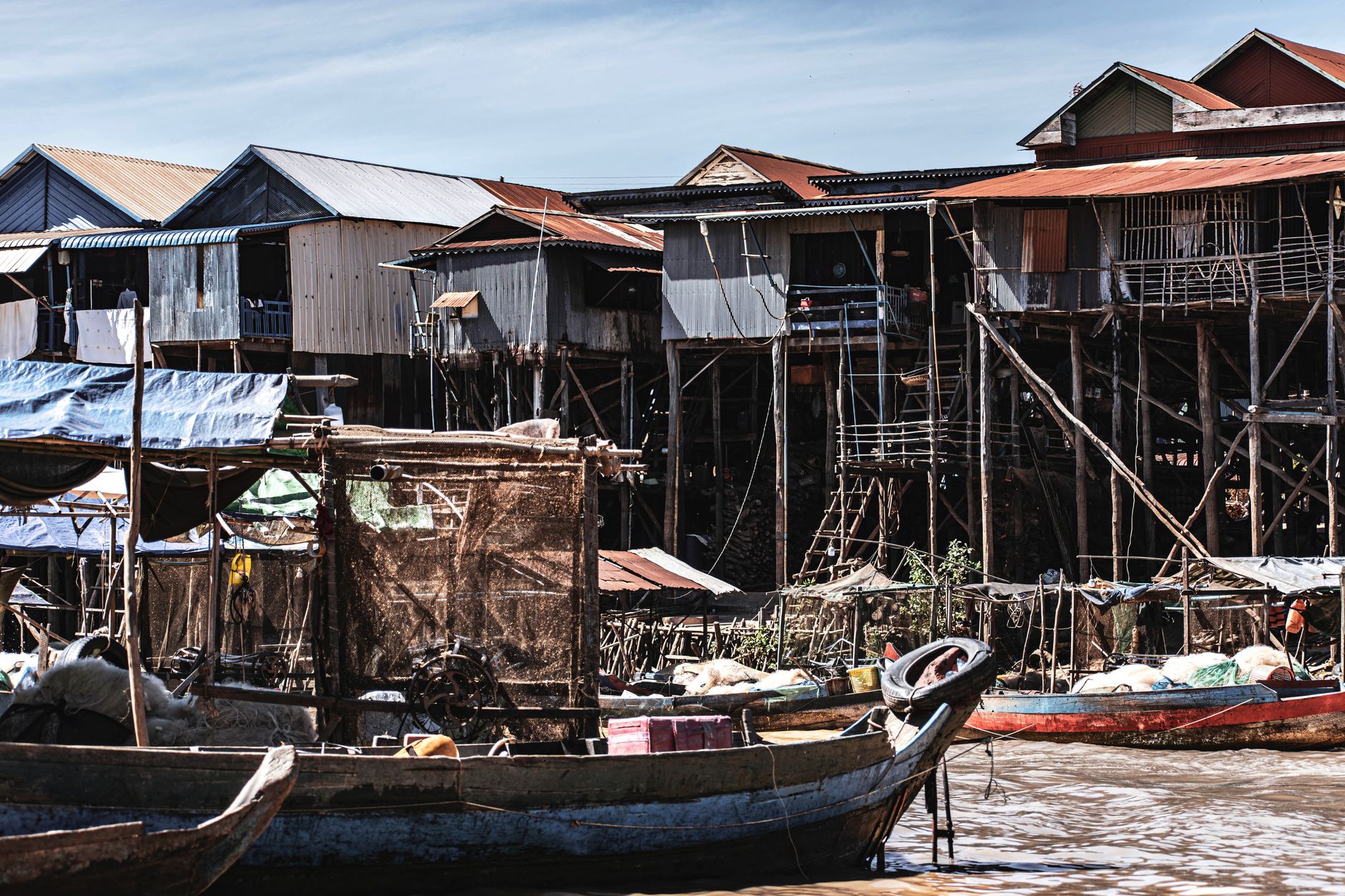
Floating village of Kompong Khleang on Tonle Sap Lake
5
Pub Street for backpacker nightlife, $0.50 beers, and Khmer food
6
Phare Circus, a powerful Cambodian circus arts performance
Local tip
Before you go to Siem Reap
Buy a 3-day Angkor pass ($62), one day is not enough. Hire a tuk-tuk driver for the day ($15-20). Visit the outer temples (Banteay Srei, Beng Mealea) on day 3.
Content is hosted on third-party platforms. Wayloha links to public hashtag pages and does not store any social media content.
Ready to visit Siem Reap?
Tell Wayloha your travel style, budget and travel dates. We'll build your complete day-by-day Siem Reap trip plan. Your first draft is on your screen within a minute.
Siem Reap isn't just a destination - it's a leap back in time to one of humanity's greatest structures. As you wander through the ancient temples and try local dishes, you can feel the pulse of a country reinventing itself. Give it a week, and you can explore Angkor Wat and discover much more besides.
Why visit Siem Reap
Siem Reap draws travellers from all over the world for one reason: Angkor Wat, the largest religious monument on earth. But if that's the only reason you come, you'll miss the real story. The city and its surroundings offer a rich mix of exploration and relaxation. You can wander through mystical temples where huge tree roots grow through centuries-old stone walls, as at Ta Prohm, one of the most photographed temple complexes in the area. At the same time, you'll find French cafés, night markets and a lively cultural scene here that outshines many other popular destinations.
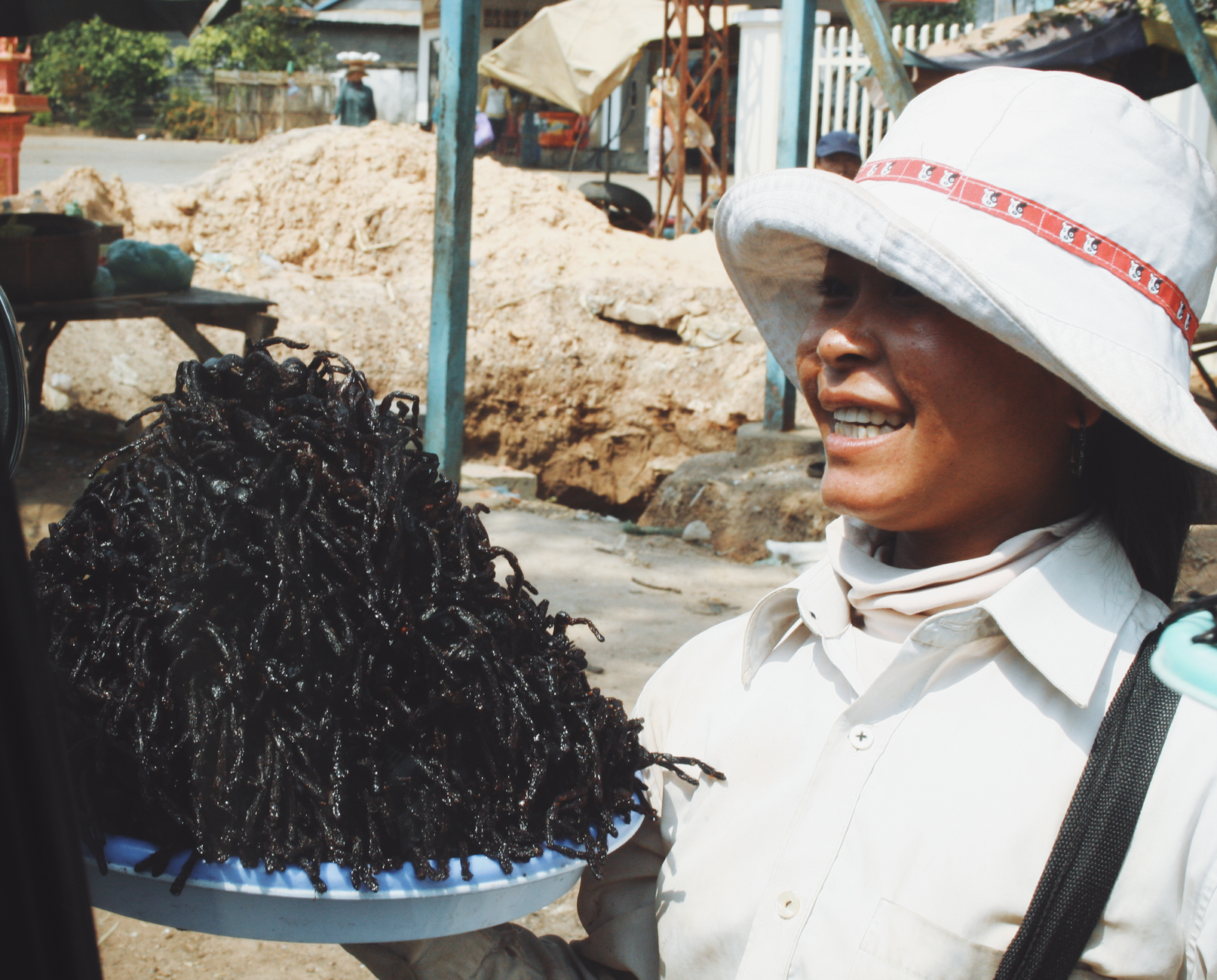
The area around Siem Reap offers more than stone monuments. You can take a trip to Tonle Sap, a fascinating water world full of floating villages and local fishermen who build their whole lives on the water. The chance to take a cooking class, watch traditional Apsara dances and even try local delicacies like scorpions and tarantulas makes Siem Reap a place where culture comes alive on every street corner.
Plan at least 7 days for Siem Reap so you can combine the highlights with quieter moments
Visit Ta Prohm early in the morning or late afternoon to avoid the tour groups
Take a cooking course to understand the authentic flavours of Cambodia and bring them home with you
When to go
The best time to visit Southeast Asia, including Siem Reap, runs from November through to March. Temperatures during this period are pleasant - around 21-27 degrees Celsius - and it stays mostly dry. This is the preferred season for many travellers, so expect more crowds and higher prices, especially around Christmas and early January.
If you want to avoid the crowds but still want pleasant weather, early March is a good alternative, though it's already starting to warm up by then. Avoid April, the hottest month of the year, when temperatures can climb above 34 degrees Celsius. From May to September it rains a lot, which isn't just uncomfortable but can also get in the way of certain activities. However, this period brings fewer tourists and lower prices, which can appeal to budget-conscious travellers.
Book your accommodation in advance for December and January, as this is peak season
January to March offers ideal conditions, with dry weather and pleasant temperatures
Wear light, breathable clothing and plenty of sunscreen all year round, because of the intense sun
Getting there and getting around
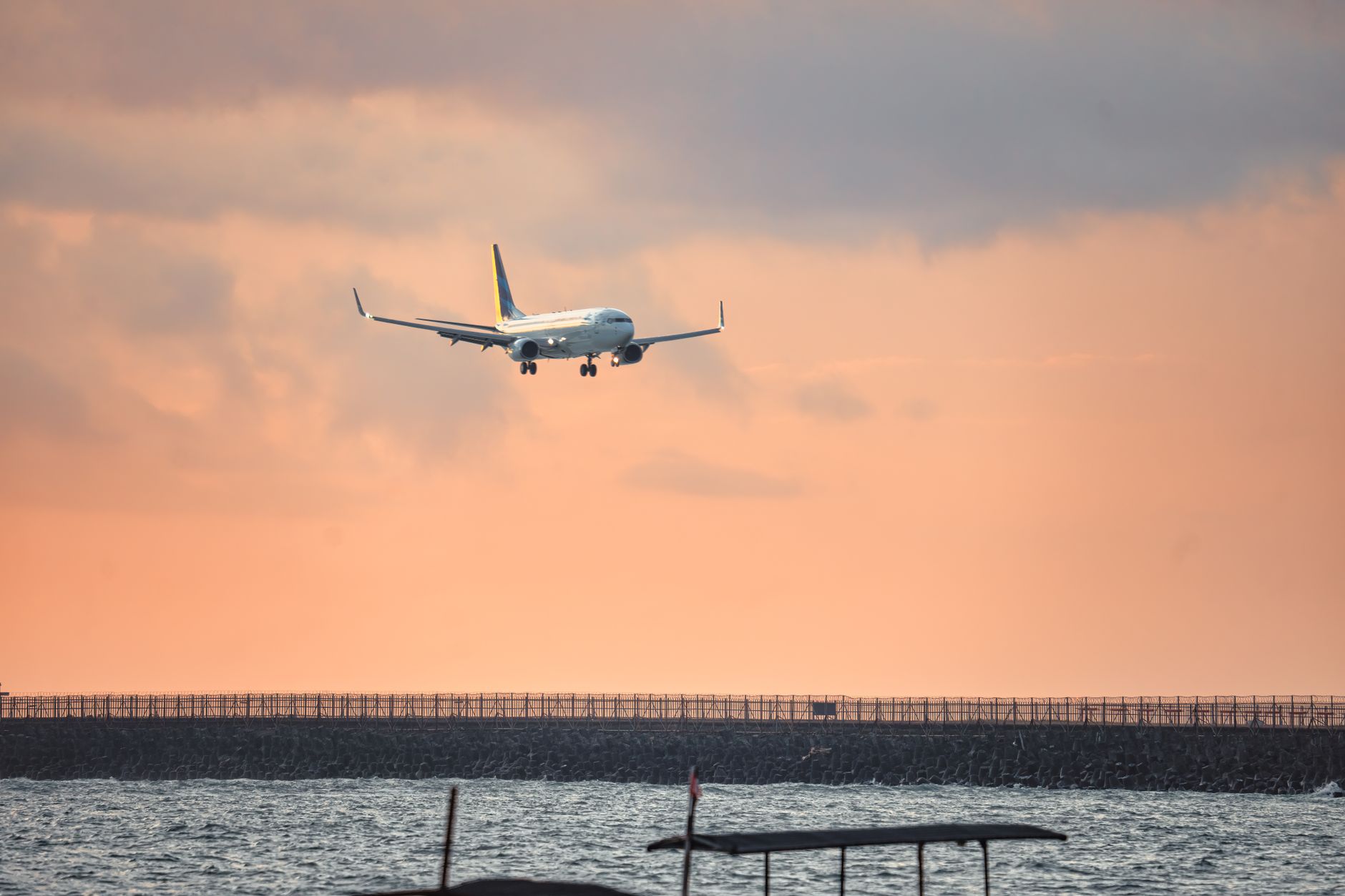
There are two ways to reach Siem Reap, depending on where you're coming from. From Laos, specifically Luang Prabang, flying is the most practical option - a quick connection that gets you to Siem Reap in an hour or two. If you'd rather skip the flight, bus routes are available, though you should count on a journey of two to three days. Many travellers choose to fly so they don't lose precious holiday time.
Once you're in Siem Reap, getting around is easy with tuk-tuks (three-wheelers), scooters or bikes. Bikes are ideal for temple visits close to the city, while tuk-tuks work better for longer distances or if you'd rather not drive yourself. For exploring the more distant Tonle Sap lake, a guided day trip can be a good idea. Don't worry about the visa: tourists can get a one-month visa for 36 dollars on arrival at the airport, and all you need is a passport photo.
Book your flight from Luang Prabang to Siem Reap to save 6-8 hours of bus travel
Rent a bike to explore the nearest temples yourself in the morning and dodge the tour groups
Make sure you bring one passport photo for your Cambodian visa on arrival
Top experiences
Angkor Wat naturally tops everyone's list, and rightly so - no photo does justice to the scale and complexity of this monument. But make sure you also visit the other temples in the complex, where you'll feel the same mystical energy without the walls of tourists. Ta Prohm deserves a special mention: the giant tree roots growing over the ruins give it a fairy-tale quality that catches you off guard.
Beyond the temples, a visit to Tonle Sap lake offers a completely different perspective on Cambodian life. Here you'll see floating villages where families spend their whole lives on the water, fishing houses built on stilts, and an ecosystem that supports the lives of millions of Cambodians. An evening Apsara dance show - traditional dances with costumes weighing tens of kilos - will leave you spellbound. And there's no need to be nervous: eating local delicacies like roasted scorpions and tarantulas is an authentic experience that sounds far braver than it tastes, with a flavour closer to nuts and spices.
Book your temple tour before sunrise to catch the best light and fewer tourists
Hire a private guide instead of joining group tours for a deeper look at the history
Plan your Tonle Sap trip for the end of your stay, once you've already built up some local contacts
Practical tips
With a visa you get on arrival and a monthly rate of 36 dollars, the paperwork side of things is simple. You don't need much money either - Cambodia is incredibly cheap. Meals cost just a few dollars, and staying in simple guesthouses can cost just as little. English is widely spoken in Siem Reap, especially among younger people and in tourist-facing businesses, so communication is rarely a problem. In remote villages or the countryside it can be trickier, but a simple smile and a bit of patience always go a long way.
Take hydration and sun protection seriously - the intensity of the Cambodian sun can be overwhelming, especially if you're not used to tropical climates. Respect local traditions, especially around temples: wear modest clothing (shoulders and knees covered), stay calm and avoid touching religious statues. Think of a pre-arranged cooking or language lesson not just as an activity, but as a way to genuinely connect with locals and hear their stories.
Bring a large water bottle and drink plenty of water, especially around midday - dehydration creeps up on you
Wear loose, light clothing in neutral colours, and definitely shoes you can slip off easily for the temples
Don't see a local guide as a tourist obligation, but as a chance to uncover the deeper stories behind the temples and culture
Generated from 2 travel guides and experiences · Sources