Domestic flights are cheap and essential for covering distance. Buses are comfortable for shorter trips. No car needed.
Travel information
Before you go to Colombia
✈️
Airports & entry
Colombia has 3 major international airports. Consider Bogotá (BOG) as your main entry point, or fly in and out from different cities to see more.
🗓️
Best trip length
Most visitors spend 14–21 days in Colombia. Shorter trips work well for focused regions; longer trips let you explore more deeply.
🗺️
Regions to know
Colombia has 4 distinct regions. Caribbean Coast and Medellín & Antioquia are the most popular starting points for first-time visitors.
🚗
Getting around
Domestic flights are cheap and essential for covering distance. Buses are comfortable for shorter trips. No car needed.
💡
Smart planning tip
Generate a personalised trip plan with Wayloha: just enter your budget, travel style and travel dates. Our AI reads 62 travel blogs to build your perfect route.
📋
Preparation guide
After generating your trip plan, Wayloha creates a full preparation guide, including packing list, visa info, SIM card tips, money advice and local customs tailored to your trip.
Travel inspiration
Colombia in pictures
Real travel content from the community. See the latest photos, videos and stories from people who've already been.
Content is hosted on third-party platforms. Wayloha links to public hashtag pages and does not store any social media content.
Ready to visit Colombia?
Tell Wayloha your travel style, budget and travel dates. We'll build your complete day-by-day trip plan. Your first draft is on your screen within a minute.
Booking.com affiliate links: Wayloha earns a small commission at no extra cost to you
Travel guide
All about Colombia
Colombia is no longer defined by its past: it's a vibrant destination where jungle meets the Caribbean, mountains touch the clouds, and locals welcome you with genuine warmth. After decades of struggle, this country has transformed into one of South America's most exciting destinations, packed with incredible landscapes, living culture, and experiences that take your breath away.
Why Colombia matters
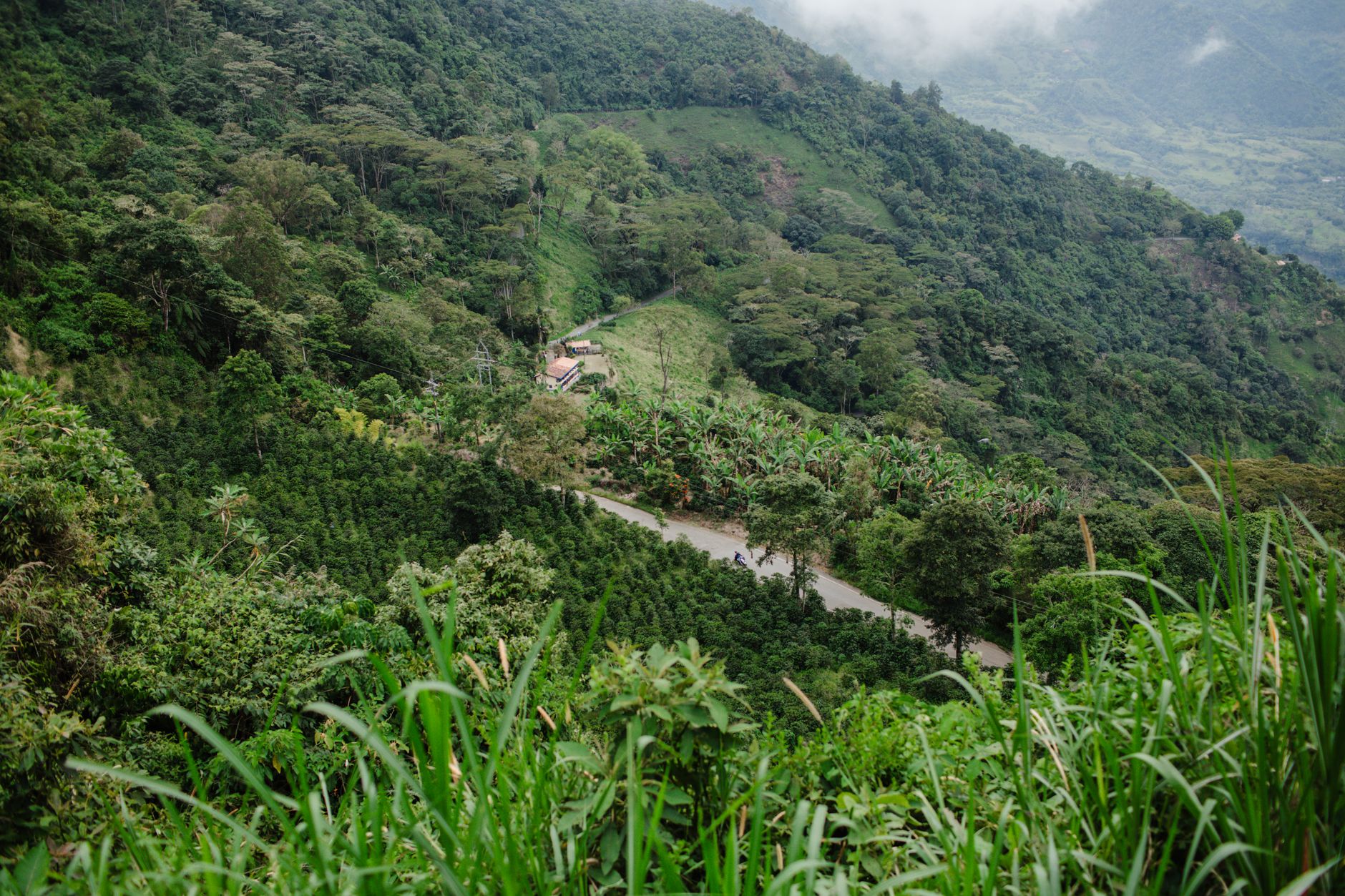
Colombia deserves your attention for reasons that go far beyond nostalgia or the exotic. The country holds roughly ten percent of the world's biodiversity, meaning you'll find ecosystems here that exist nowhere else. The contrast is staggering: you can walk through a mist-covered mountain valley in the morning where giant wax palms tower overhead, then lie on a Caribbean beach in the afternoon where the water is crystal clear.
But Colombia is fundamentally about its people. After years of conflict, Colombians have developed an extraordinary resilience and joy of life that you feel the moment you arrive. The music scene is genuinely world-class, from salsa in Cali to vallenato in Valledupar, and every city has its own rhythm and party spirit. The coffee region offers not just the world's best coffee, but an immersion in a rich agricultural heritage where you can talk directly with passionate farmers. Then there are the hidden gems: painted colonial streets in Cartagena with flowers around every corner, wild surf beaches on the Pacific coast, and the Lost City, an archaeological treasure buried deep in the jungle.
Don't expect to see everything in six weeks: Colombia is bigger and richer than you think
Make time for chance meetings with locals; their stories make your trip unforgettable
Bring a good camera; the visual contrasts are truly spectacular
When to go
Colombia sits near the equator, so forget what you call 'seasons' back home. Instead you have rainy periods and drier periods, but weather varies more by region than by month. This actually works in your favour: you can practically go year-round depending on what you want to do. If you're heading to mountain regions for trekking, drier months offer better visibility and walking conditions. For beach time and island-hopping, it's almost always good, though some coasts have seasonal swell for surfing.
Tourist numbers do vary, and popular cities like Medellín, Cartagena and Bogotá fill up quickly with backpackers and tourists. If you prefer quieter discoveries and better prices, avoid the peaks. Festivals like Barranquilla's Carnival bring explosions of colour and energy, but also more crowds and higher prices. Colombia's advantage is that even at busy times, the warmth and hospitality don't disappear: the country never feels overcrowded or commercialised in a way that threatens your experience.
Book accommodation in advance in popular cities; good places fill fast
Don't see rainfall as a problem: it brings lower prices and greener landscapes
Check local festivals in your destination; they offer authentic culture without the tourist trap
How to get there and move around
Colombia is well connected from many places. Coming from Ecuador, you can travel via the Panamericana route to Ipiales. From Peru or Brazil, the Leticia border crossing in the Amazon is your only dry option, though many prefer to travel by boat. The popular route from Panama is actually a boat journey through the San Blas Islands, which is not only practical but also one of the best travel experiences you can have. Warning: overland travel through the Darién Gap is not recommended due to safety concerns.
Once in Colombia, transport is affordable and fairly efficient. Local buses are extremely cheap and vehicles serve even remote areas. Hitchhiking (they call it 'pedir un aventón') is a recognised and safe way to travel, especially if you're on a tight budget: you'll slash your transport costs significantly. Domestic flights are also affordable for long distances, and many digital nomads and backpackers use them strategically. For accommodation, you have options for every budget: a hostel bed costs roughly four to eight dollars per night in budget places, but private rooms often cost only ten to thirteen dollars, meaning two people can share accommodation for the same price.
Hitch a ride when you can: it's safe, budget-friendly and you meet real Colombians
Cook your own food on the road, especially if you're camping; you'll save huge amounts on daily costs
Be careful with night buses in certain regions; travelling during the day is safer and you see more
Top experiences and highlights
The Lost City Trek is a unique journey that transforms many visitors. This multi-day jungle walk leads you to an archaeological site buried in the mountains, and the combination of physical challenge, natural beauty and historical wonder makes it unforgettable. In the coffee region you'll find not just the world's best coffee but also absolutely breathtaking landscapes: the Cocora Valley with its towering wax palms is a highlight that will test your belief.
Cartagena is many travellers' first encounter with Colombia's magic: the colourful old town radiates romance, history and tropical charm. Walk the streets, listen to live music, and watch sunsets over the Caribbean. For sea adventures, the islands of San Andrés and Providencia offer snorkelling, white sand beaches and clear water. For the active, there's surfing on the Pacific coast (Nuquí has the best spots), diving (PADI certification is very affordable here), or paragliding and cave exploration. Bogotá and Medellín are modern cities full of street art, excellent restaurants and energy: Medellín is especially transformative, not as a tourist attraction but as a real example of urban resilience.
Book the Lost City Trek in advance; guides are essential and experienced ones fill up quickly
Save money for activities like diving and trekking; you can often negotiate ten percent off
Try dancing salsa in Cali or vallenato in Valledupar: it's not tourism, it's participating in culture
Practical tips and trip preparation
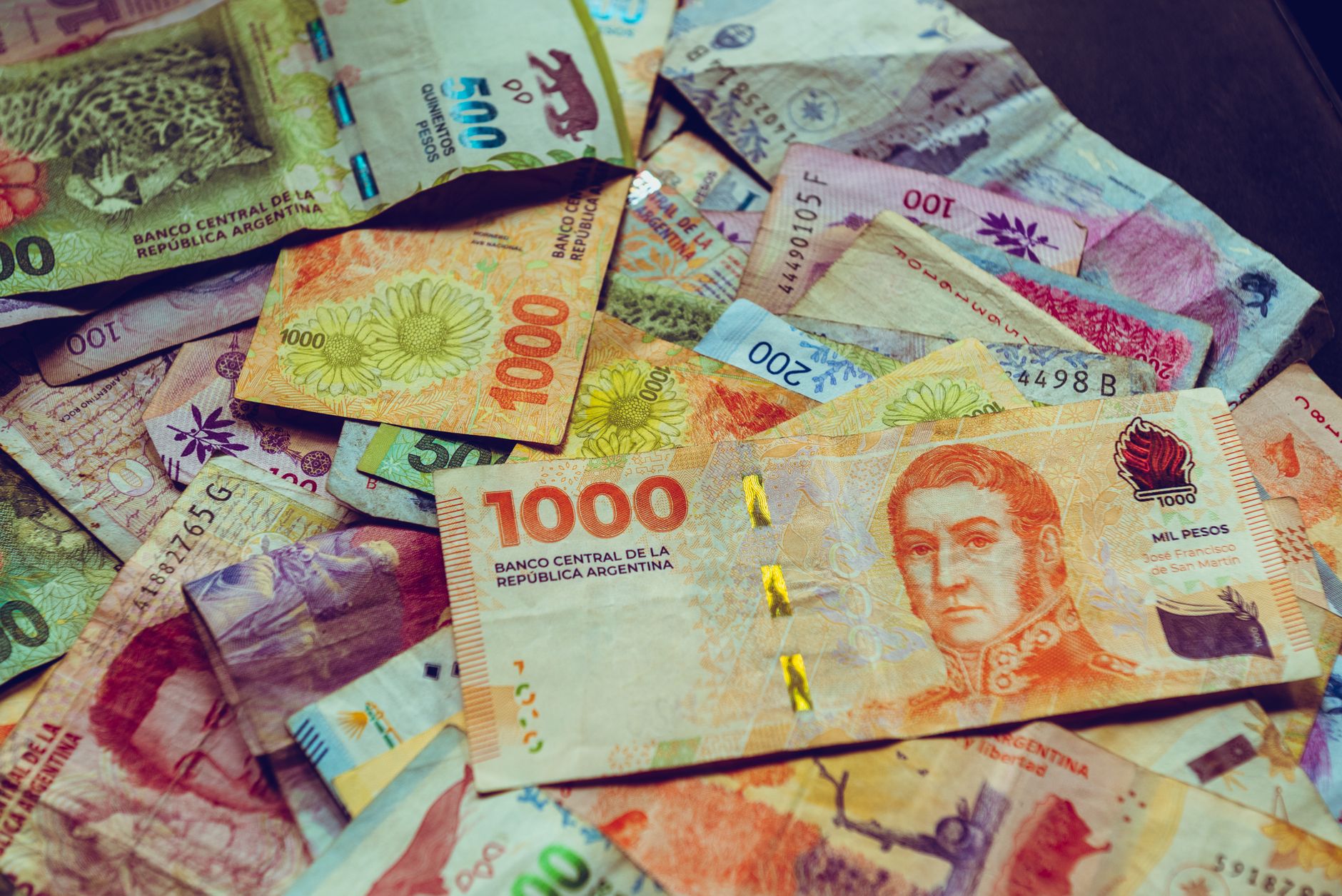
Money: Colombia is one of South America's cheapest countries. As a budget backpacker you can manage on €20-30 per day (hostel, street food, local transport). More money means more comfort, not dramatically more experience. The currency is the Colombian peso; ATMs are widespread in cities, though use normal caution in some places (like anywhere, just use common sense).
Language: Speaking Spanish helps enormously. It's not essential: many young people and hotel staff speak English, but locals appreciate the effort and your experience becomes richer. Learn basic phrases; locals are incredibly patient with non-speakers.
Safety: Colombians will probably warn you about crime, especially in certain neighbourhoods of big cities. The truth is Colombia has become safer than many people realise. Use the same caution you'd apply anywhere else: don't flash expensive items, be careful in certain neighbourhoods at night, and trust your instincts. Regular travellers making sensible choices have positive experiences. Get international travel insurance; it's affordable and essential.
Culture: Colombians are warm, considerate and have an excellent sense of humour. They're not afraid of openness and directness, especially around affection and sexuality (the country is nominally Catholic but quite tolerant in practice). Be respectful, be open to connection, and many Colombians will treat you far more kindly than you expect.
Get an eSIM or local SIM card for internet: it's dirt cheap (roughly €1 per GB) and frees you for offline exploration
Learn the useful phrase 'Qué tal?' (how's it going?): it opens doors with locals
Head to street food stalls and markets; it's cheap, authentic, and you meet people
Generated from 3 travel guides and experiences · Sources