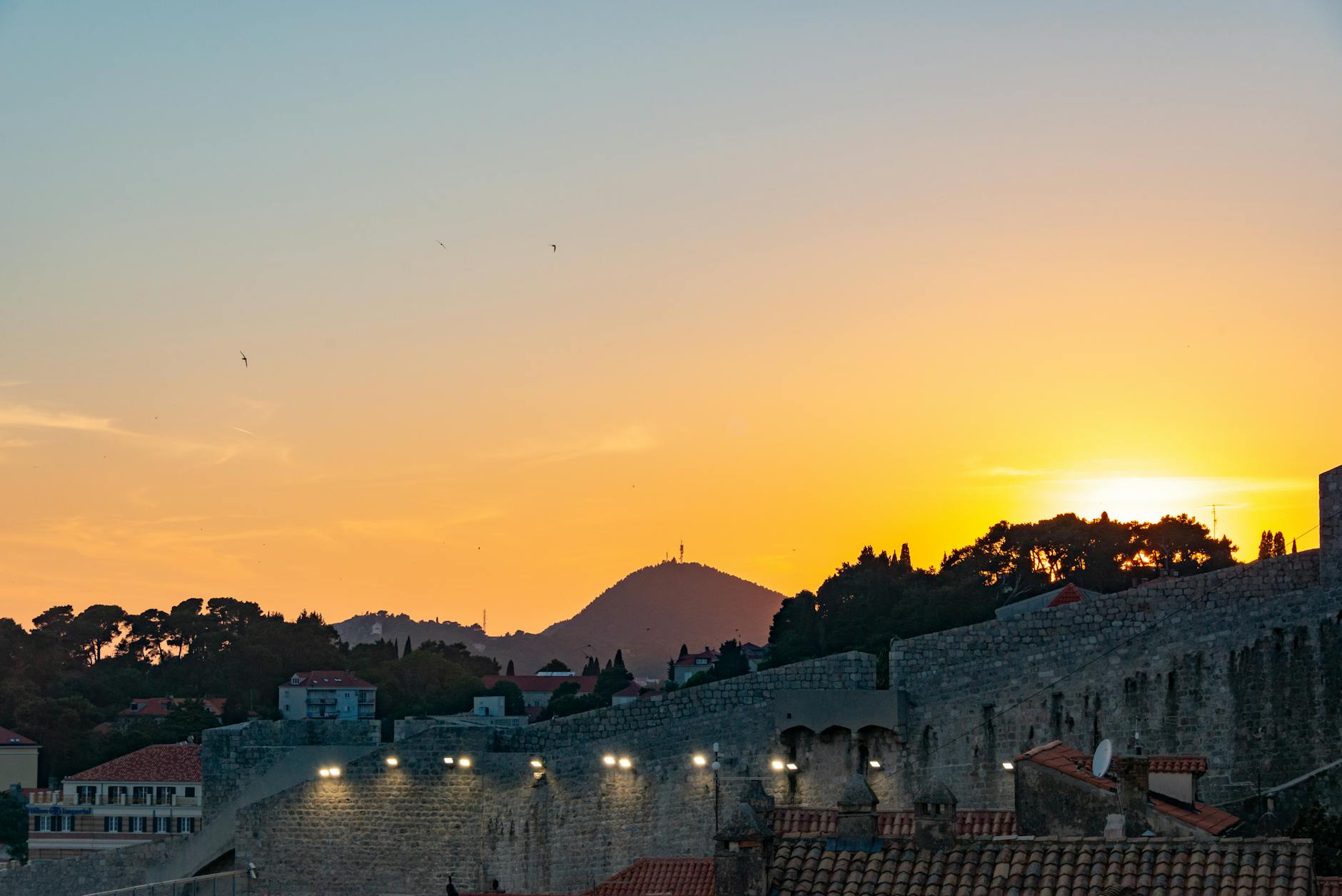
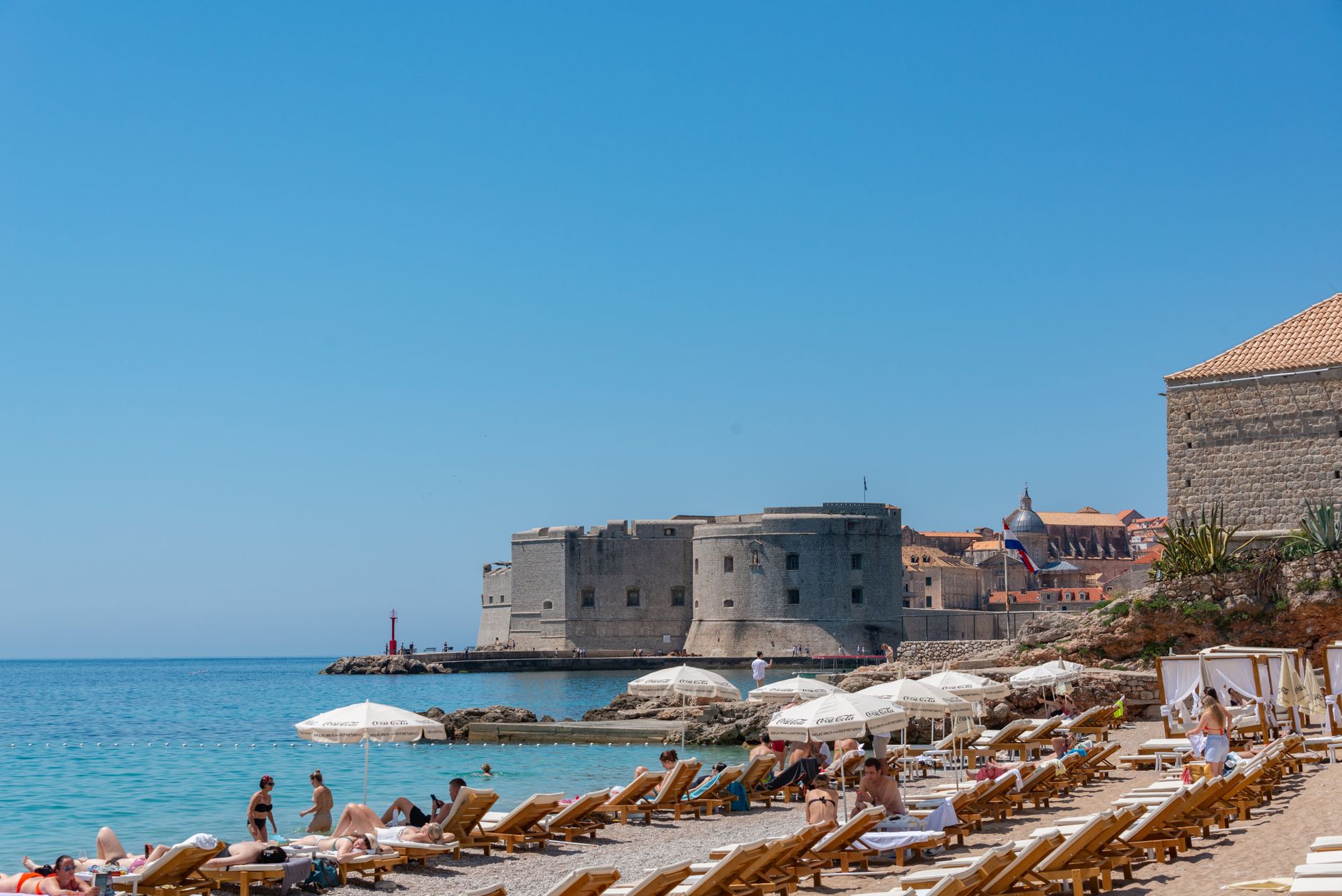
Walk the entire 2km City Walls, sunrise or sunset for golden light
2
Cable car to Mount Srđ for panoramic views of the old town
3
Lokrum island day trip by ferry, peacocks and a beach
4
Game of Thrones filming locations tour
5
Sea kayaking around the city walls
6
Day trip by speedboat to the Elafiti Islands
Local tip
Before you go to Dubrovnik
Visit June or September to avoid the peak July/August crush. City Walls tickets sell out, book online the night before. Stay outside the old town (Lapad or Ploče) to save money.
Content is hosted on third-party platforms. Wayloha links to public hashtag pages and does not store any social media content.
Ready to visit Dubrovnik?
Tell Wayloha your travel style, budget and travel dates. We'll build your complete day-by-day Dubrovnik trip plan. Your first draft is on your screen within a minute.
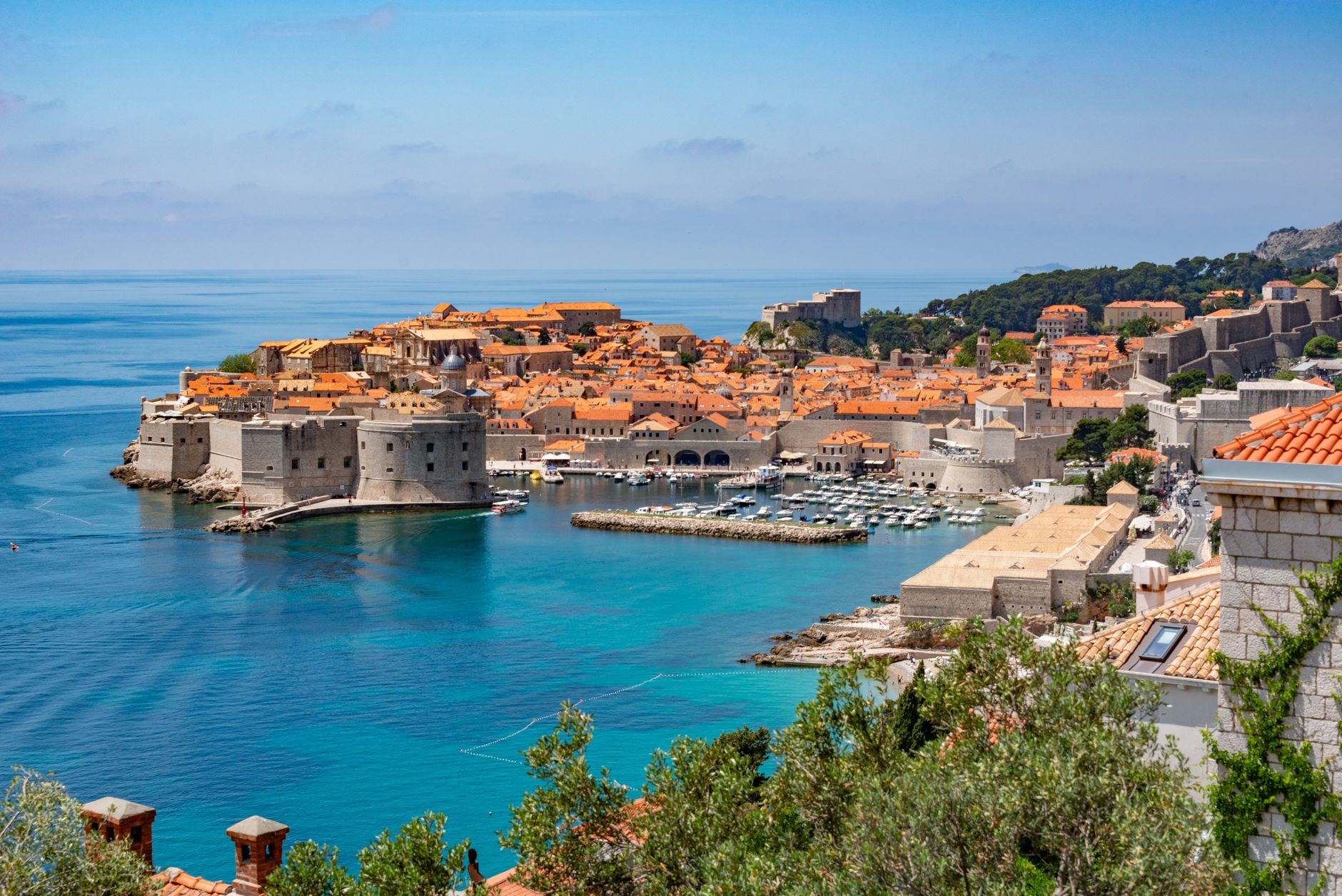
Dubrovnik isn't just a destination: it's an ancient walled medieval city that captures your heart before you've even stepped into its first narrow street. With its characteristic cobblestones, world-class restaurants and spectacular position on the Adriatic Sea, this place promises an experience that will keep pulling you back.
Why go to Dubrovnik
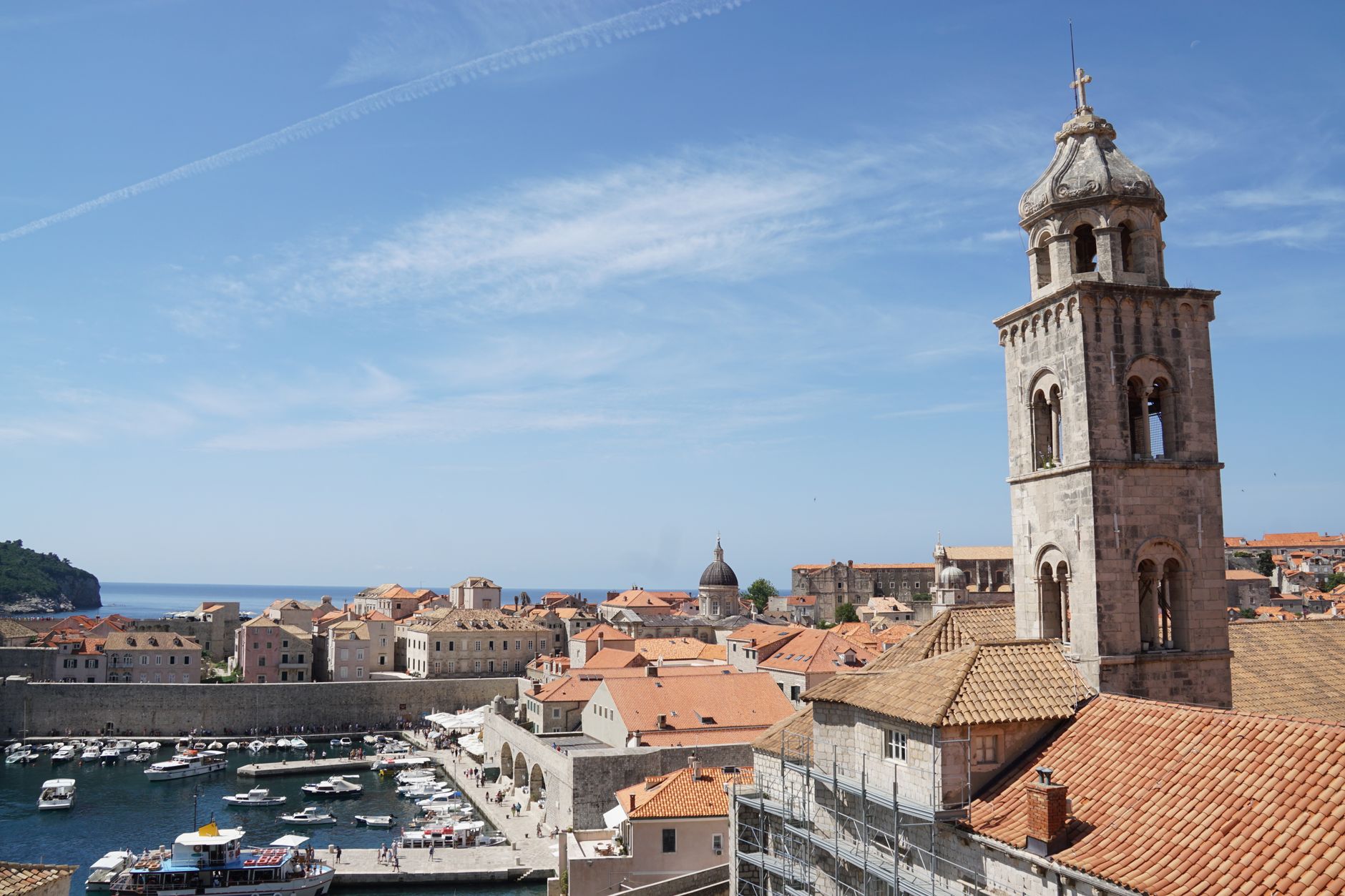
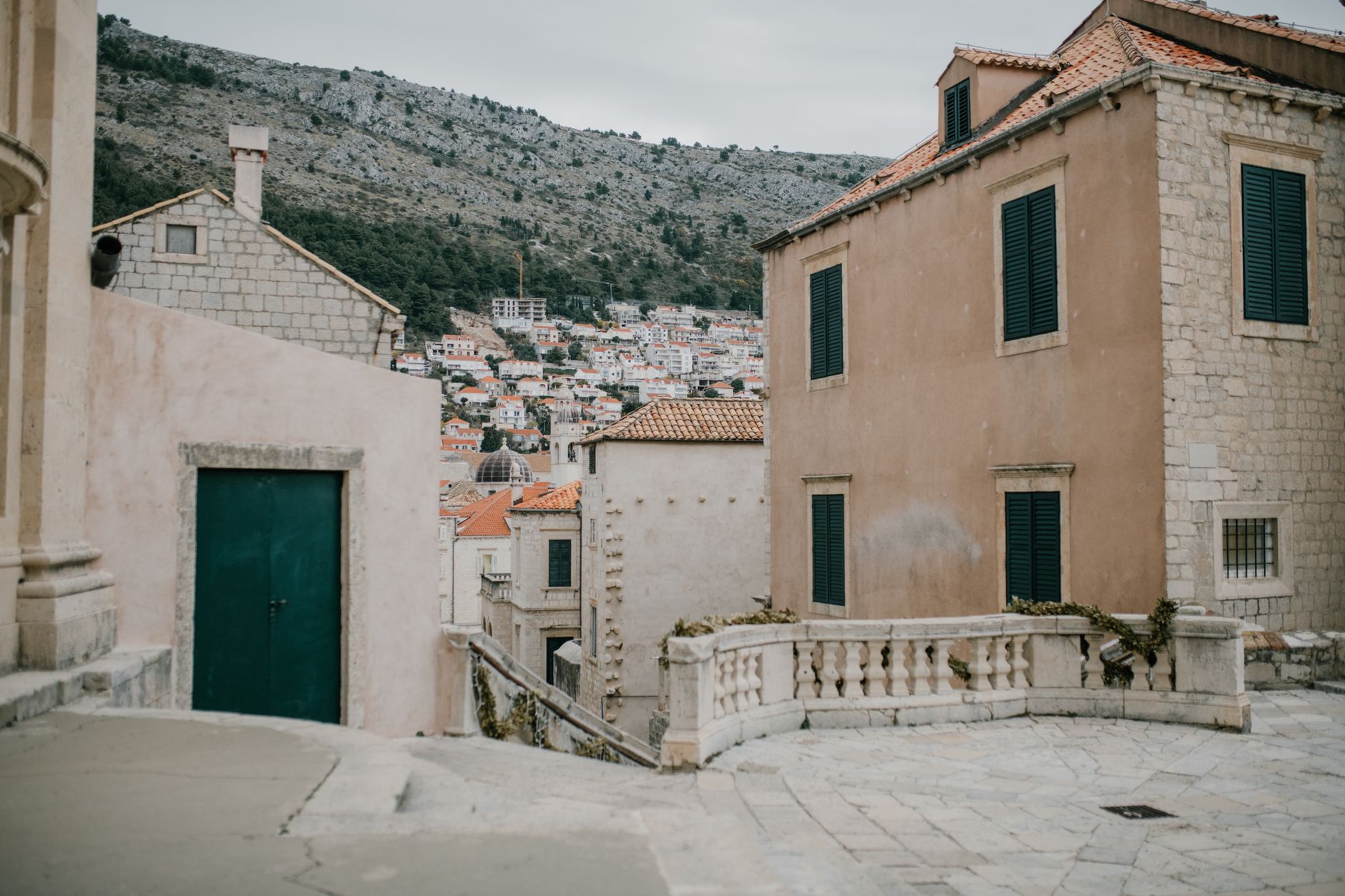
Dubrovnik is one of those places that changes your life the moment you arrive. The old town centre is surrounded by massive stone walls that have stood for centuries, whilst narrow alleyways lead you through a maze of history. What makes Dubrovnik truly special is the mix of architectural grandeur and intimate scale: it feels simultaneously cosmopolitan and personal.
The city draws travellers seeking authenticity within history. It's a place where every corner tells a story, where you can enjoy refined culinary experiences, and where the sea constantly reminds you of this region's natural beauty. Whether you're a history enthusiast, a food adventurer, or simply after pure sensory pleasure, Dubrovnik has something for you.
Plan at least three days; one day is technically possible, but it doesn't do it justice
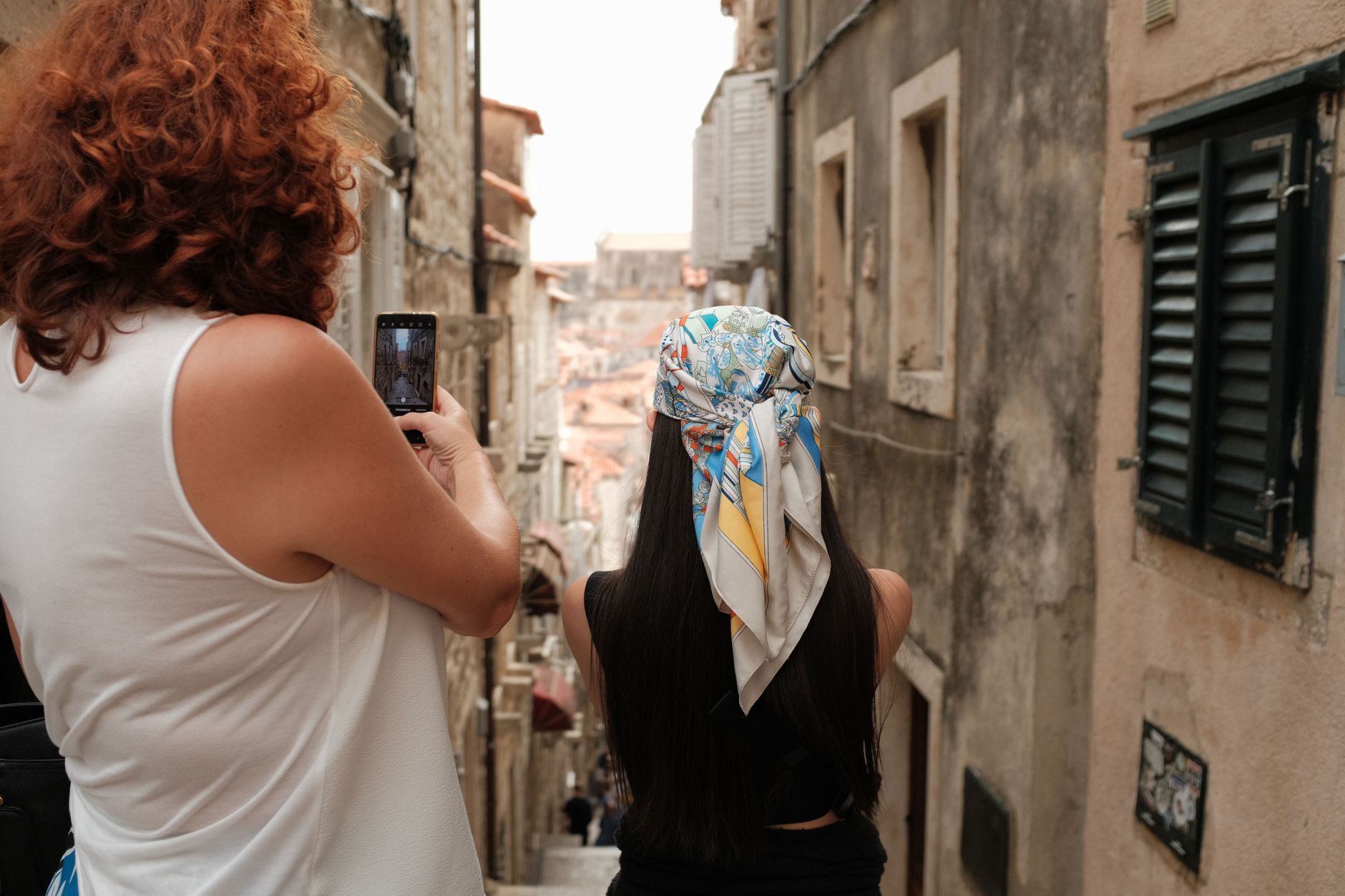
The narrow alleyways can be slippery: sturdy walking shoes are essential
Visit outside the peak cruise ship season for a more authentic experience
When to go
The best time to visit Dubrovnik depends heavily on what you're looking for. The summer months (June to September) bring warm, sunny weather ideal for swimming and sailing, but also the largest crowds. This is also when cruise ships arrive in masses, which can overwhelm the city with day trippers: something many visitors want to avoid.
Autumn and spring are the ideal periods if you want to experience the city's authenticity without being lost in crowds. The temperatures are pleasant, the sea is still warm enough to swim in, and you have much more space to explore the city walls and restaurants. Winter is quiet and atmospheric, though some smaller shops and restaurants may be closed.
Also worth noting: Dubrovnik has reduced the number of cruise ships arriving in recent years, which is a statement about overtourism. This means when you go really does affect your experience of this delicate destination.
May and October offer ideal combinations of weather and smaller groups
Avoid July and August unless you enjoy being in the thick of peak season
Check local events: cultural festivals can greatly enrich your stay
How to get there and get around
Dubrovnik is well connected and serves, alongside Split, as one of two major transport hubs for the Dalmatian coast. You can arrive by plane (Dubrovnik Airport is the nearest), by car, bus, or even by boat from Split or other islands. The city itself is compact and pedestrian-friendly, though the cobblestone streets and steep hills mean you need to be reasonably fit.
For travel outside the city, you have several options. If you go sailing, which we strongly recommend, round-trip journeys from Dubrovnik can take you to islands like Hvar, Vis, Brač and Korčula. This stretch of the southern Dalmatian coast is particularly suited to beginners, with calm seas, steady winds and islands close enough together that you sail for only a few hours before landing somewhere to explore on foot. A week's sailing gives you a good balance between travel and actually enjoying each stop.
Plan at least 3 days in Dubrovnik itself before starting a sailing trip
Make sure you're in good physical shape: the stairs and hills are no joke
Don't drive from Split to Dubrovnik for a day trip; it's a 3-hour drive and you'll miss the essence
Top experiences
The city walls of Dubrovnik are essential: a walk along these 2 kilometres of fortifications gives you a completely different perspective on the city and the sea. It's physically demanding, but the views are spectacular. Beyond the walls lies a world of exploration: narrow streets full of hidden restaurants, the harbour where local fishermen still bring in their catch, and plazas that suddenly open to sea views.
If you want to sail, a boat trip to the blue caves of nearby islands like Vis is something you shouldn't miss. Or take a day trip around the Elafiti Islands, a small archipelago close to Dubrovnik, where you can explore, swim and enjoy uninterrupted time. The food scene is world-class: this isn't tourist fast food, but genuine Dalmatian cooking in intimate settings. And don't underestimate the simple pleasure of sun and sea: spend an afternoon on a beach, swim in the crystal-clear water, and feel your worries melt away.
Walk the city walls early in the morning for fewer crowds and better light
Book sailing trips in advance, not from street touts: you'll get better value and quality
Ask restaurant owners about hidden tables; they know places tourists won't find
Practical tips
For money: whilst some establishments still prefer cash, most restaurants and shops accept credit cards. Hospital costs in Croatia are reasonable compared with many Western countries, but can add up quickly for serious medical problems: travel insurance is not optional. Friends have suffered injuries from falls (the steep cobblestone steps are genuinely dangerous), had wallets stolen, and unexpected medical emergencies have cost a small fortune. Good insurance gives you peace of mind and financial protection.
Safety is generally excellent in Dubrovnik; it's a safe destination overall. Many people speak English, especially in tourist areas. Small courtesies like greeting locals in their language (a simple 'dobro jutro' for good morning goes a long way) are appreciated. Avoid the cruise-ship-passenger circuit where these vessels stack up: the city has already taken steps to reduce these numbers, so respect that choice by travelling more thoughtfully. The travellers who return regularly are those who deliberately minimise their impact.
Buy travel insurance that covers medical care and theft: it's essential
Wear proper footwear; your ankles will thank you on these steep alleyways
Respect the local environment by avoiding cruise ship tours and choosing smaller, more sustainable tourism options instead
Generated from 8 travel guides and experiences · Sources