A car is essential for national parks. The Split→Dubrovnik route is popular for one-way rentals.
Travel information
Before you go to Croatia
✈️
Airports & entry
Croatia has 5 major international airports. Consider Dubrovnik (DBV) as your main entry point, or fly in and out from different cities to see more.
🗓️
Best trip length
Most visitors spend 8–22 days in Croatia. Shorter trips work well for focused regions; longer trips let you explore more deeply.
🗺️
Regions to know
Croatia has 5 distinct regions. Dalmatia Coast and Islands are the most popular starting points for first-time visitors.
🚗
Getting around
A car is essential for national parks. The Split→Dubrovnik route is popular for one-way rentals.
💡
Smart planning tip
Generate a personalised trip plan with Wayloha: just enter your budget, travel style and travel dates. Our AI reads 62 travel blogs to build your perfect route.
📋
Preparation guide
After generating your trip plan, Wayloha creates a full preparation guide, including packing list, visa info, SIM card tips, money advice and local customs tailored to your trip.
Travel inspiration
Croatia in pictures
Real travel content from the community. See the latest photos, videos and stories from people who've already been.
Content is hosted on third-party platforms. Wayloha links to public hashtag pages and does not store any social media content.
Ready to visit Croatia?
Tell Wayloha your travel style, budget and travel dates. We'll build your complete day-by-day trip plan. Your first draft is on your screen within a minute.
Booking.com affiliate links: Wayloha earns a small commission at no extra cost to you
Travel guide
All about Croatia
Croatia is a country where ancient history meets crystal-clear water, and picturesque islands string themselves like jewels along the coast. From Dubrovnik's iconic city walls to Split's vibrant streets, this Adriatic paradise combines Mediterranean charm with untouched nature in a way few destinations can match.
Why visit Croatia
Croatia speaks to you on multiple levels at once. The natural beauty here is genuinely striking: you have towering mountain ranges that dissolve into clear blue sea, with islands that look as though they were designed just for you. What makes Croatia truly special, though, is how the past still breathes in the present. You walk through stone streets that have barely changed since the Middle Ages, admire architecture that has survived generations, and somehow feel connected to thousands of years of human stories.
The coast isn't just a coast: it's a playground for adventurers, seekers of quiet, and everyone in between. Whether you're a sea lover jumping from island to island, someone drawn to the pages of history books, or simply wanting to escape to a place where life moves more slowly, Croatia feels like home the moment you arrive. The combination of Adriatic coastline, national parks, and towns full of character means there's something special here for almost every traveller.
Visit both the major cities and smaller islands to get a fuller picture of Croatian culture and nature
Make room for unexpected discoveries: many of Croatia's best spots lie just off the beaten path
Take local food seriously; eating here is a crucial part of each region's culture and story
When to visit Croatia
The best time to visit Croatia depends on what you're after. The summer months (June to September) are busiest, especially July and August, when the whole country fills with tourists and beaches heave with crowds. That said, the weather is most reliable then: consistently warm, sunny, and perfect for sea and island activities. If you want fewer crowds and pleasant weather all the same, May and October are excellent compromise months: still sunny and warm enough for swimming, but with significantly fewer tourists and lower prices.
Winter brings its own appeal, particularly December and January when fewer people are around and cities take on an intimate, local feel. The weather is milder than in northern Europe, though rain is more likely. Spring (March and April) is when Croatia wakes after winter: flowers bloom, birds sing, and you see the country as locals know it, without the summer rush. Each season has its own character; your preference decides when you go.
Book accommodation and transport at least two to three months ahead if you're travelling in summer
September can still be hot with pleasantly warm seawater, but far less crowded than July or August
Check local festivals and events: they can enrich your visit or (unintentionally) make it busier
Getting there and moving around
Many travellers fly into Split or Zagreb, Croatia's two largest hubs, via international carriers from the Netherlands. From there, the real adventure begins. A hire car gives you maximum freedom: roads are good and the landscape is beautiful, though driving during busy summer months takes patience. Those who'd rather not drive will find buses reliable; they connect cities and islands via sometimes long but scenic routes. For island-hopping, which many travellers do, ferries are your best friend: they link islands to each other and the mainland, though schedules shift with the season.
Within cities, you move on foot (the best part of travelling in Croatia) or by local bus. In Dubrovnik and Split, most attractions are walkable; these cities are genuinely made for walkers. Taxis are available but can be pricey; ride-sharing apps work in larger cities. Boat and sailing charters are popular for those wanting to explore the water: sailing on the Adriatic is legendary.
Hire a car at least two to three months ahead in summer; availability is tight
Parking in old city centres can be difficult: check rules in advance or use multi-storey car parks
Ferry schedules change with the season; check route maps and book tickets ahead, especially for popular routes
Top experiences in Croatia
Dubrovnik can't be missed: the city walls offer a walk through time and architecture, while the city itself unfolds into labyrinthine streets and unexpected plazas. But there's much more beyond Dubrovnik: Split's palace complex is equally impressive and feels less crowded. The islands, Hvar, Korčula, and Vis, offer a mix of history, waterfront relaxation, and a glimpse of life without hurry. Zagreb, the capital, is often overlooked but deserves attention for its museums, architecture, and vibrant neighbourhood culture.
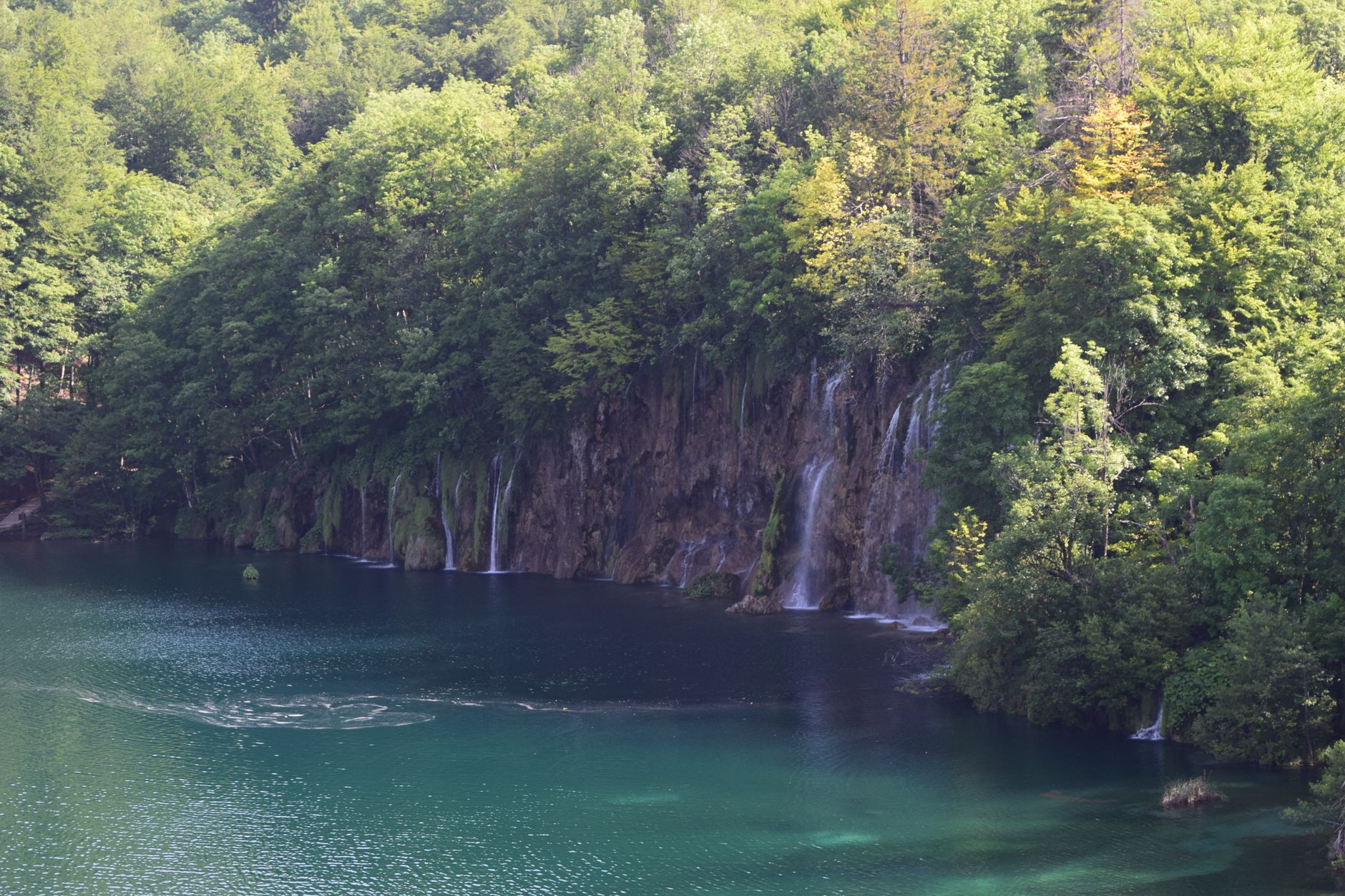
National parks are a hidden gem. Plitvice Lakes shows you what Croatia can really do: waterfall systems that feel like nature perfected. Kayaking, diving, and sailing are serious pursuits here; the water is clean and staggeringly beautiful. Local food demands attention: fresh fish, ripe tomatoes and olive oil, and wine from islands few people know. Many travellers rush past these sensory moments in their hurry for photos, but that's where you miss Croatia.
Book bird-watching or kayaking trips with local guides; they know places guidebooks don't mention
Taste wines from the islands: they're far more affordable than elsewhere in Europe and top quality
Avoid apps for restaurants in tourist areas; ask locals where they eat instead
Practical tips for your trip
Croatia is fairly affordable compared with many Western European destinations, though tourist areas charge higher prices. The currency is the Croatian Kuna, though euros are accepted in many places. Cash is useful on smaller islands and in villages; ATMs are common in cities. Language is practical: many Croats, especially younger people and those in tourism, speak English and German. A few basic Croatian phrases, such as "Hvala" (thank you) and "Izvinjavam se" (sorry), are always appreciated.
Safety isn't much of a concern; Croatia is generally safe for travellers using normal precautions. Health-wise, be mindful of the seawater in summer and the strength of the sun; sunscreen is essential. Visas aren't needed for EU citizens; a passport or ID card is enough. Insurance is always sensible. Cultural awareness: Croats value courtesy and genuine friendliness; dress respectfully for restaurants (nothing excessive, just respectful), and keeping the noise down is simply good manners.
Hospitals are modern and well-equipped in large cities; check your insurance covers medical care abroad
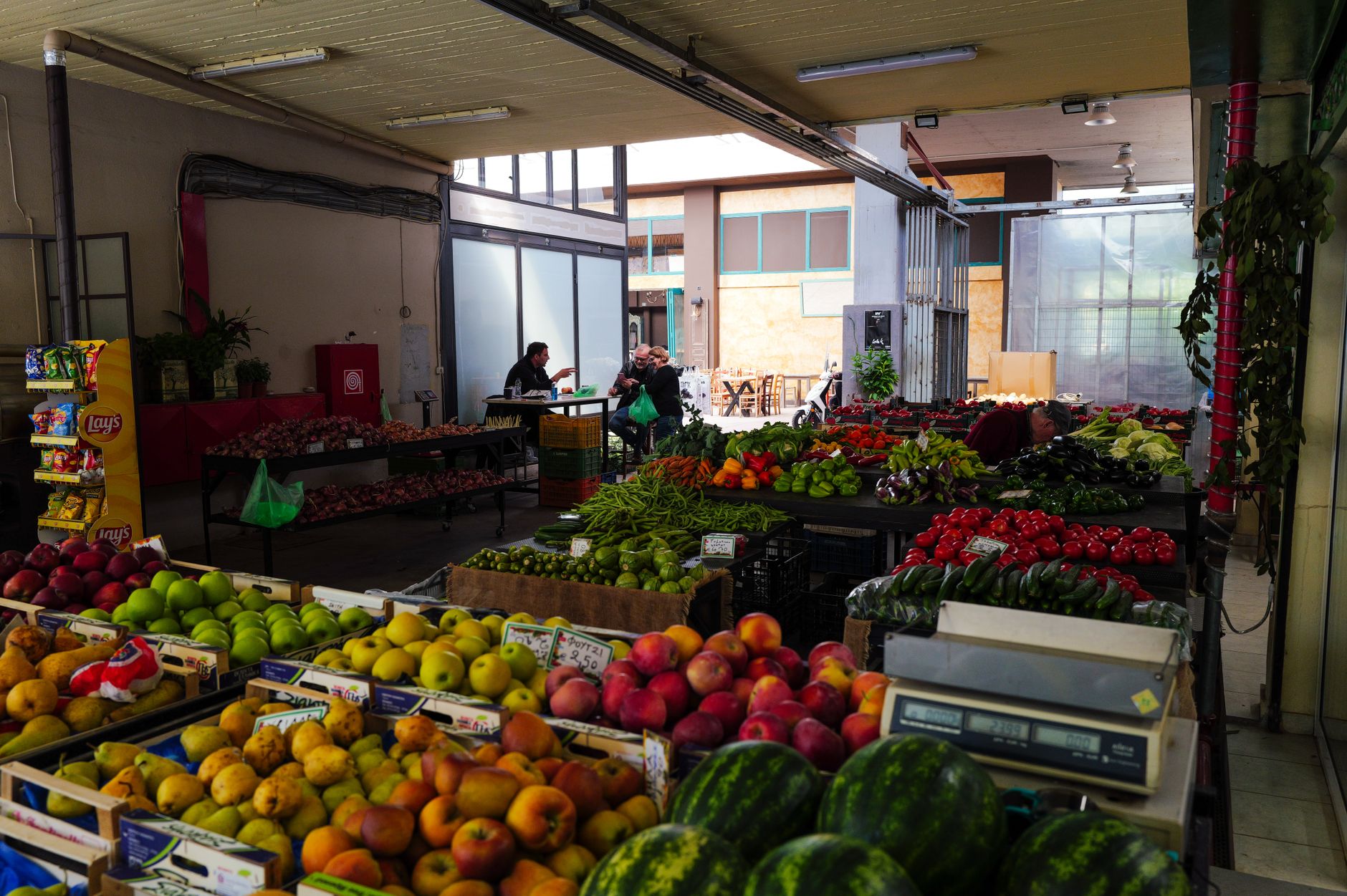
Major markets (Dolac in Zagreb, Gundulićeva Poljana in Dubrovnik) are cheaper than restaurants in tourist areas
Use public transport and walk: it's not only cheaper but also how you truly get to know Croatia
Generated from 12 travel guides and experiences · Sources