Diocletian's Palace: a living Roman ruin where 3,000 people still live
2
Climb the cathedral bell tower for views over the red rooftops and harbour
3
Riva promenade: morning coffee, evening aperitivo, people-watching all day
4
Marjan Hill forest park: hiking trails, hidden beaches, and Adriatic panoramas
5
Pazar green market for local cheese, figs, and lavender
6
Ferry to Hvar, Brač (Zlatni Rat beach), or Vis for a day trip
Local tip
Before you go to Split
Split is a perfect base for island-hopping. The Jadrolinija catamaran to Hvar takes just 1 hour. Stay inside the palace walls for the most atmospheric experience.
Content is hosted on third-party platforms. Wayloha links to public hashtag pages and does not store any social media content.
Ready to visit Split?
Tell Wayloha your travel style, budget and travel dates. We'll build your complete day-by-day Split trip plan. Your first draft is on your screen within a minute.
Split is not just a pit stop on the way to the islands: it's a living coastal city where Roman history blends with Mediterranean dolce vita. Whether you stay one night or use it as a base for island expeditions, this thriving port town proves you don't always need to rush to the beaches for genuine Dalmatian magic.
Why visit Split
Split is Croatia's second-largest city and feels nothing like a typical tourist destination. With over 180,000 residents, this place has a real heartbeat: locals sipping coffee on Republic Square, fishermen unloading their catch on the Riva, and history that lies literally beneath your feet. The UNESCO-listed Diocletian's Palace isn't just a monument; it's a working town where restaurants, shops and cafés inhabit 1,700-year-old walls. What makes Split unique is the mix of adventure and authenticity. You can explore Byzantine ruins in the morning, stand-up paddleboard under the stars at midday, and eat local fish on a terrace full of locals in the evening. It's a place where you don't feel like a tourist, but like a guest in someone's real life.
Skip the cliché of beaches alone: the real magic is in the narrow streets and local stories
Split works perfectly as a hub for day trips and longer excursions, but it's also worth exploring for its own sake
This isn't a quiet beach town; it's a working port city with character
When to visit
Split draws the most visitors from June to August, but if you want to avoid peak season, May, September and October all have their own appeal. Late September is actually the sweet spot: the water is still warm enough to swim through October, the beaches aren't packed, and families have gone back to school. The weather is still summery, so you get comfortable swimming and fewer crowds in the narrow streets. In winter, Split doesn't shut down like many Dalmatian towns do: thanks to its large local population, restaurants and shops stay open, though the Old Town gets quieter. Water quality and temperature are generally decent year-round, but October is still proper swimming weather. Peak season means popular spots like Bacvice Beach can get busy, so timing matters if you're after authenticity.
September is ideal: summer weather without the crowds
October is underrated: still swimmable and much calmer
June to August is popular but full; you'll need to plan ahead for busy activities
Getting there and getting around
Split has a large international airport and is actually Croatia's busiest one in summer months, so flying is usually affordable and easy from anywhere in Europe. You can also arrive by bus, train or car: all reliable options. Once you're in the city, you don't necessarily need a car; Split is pedestrian-friendly and you can reach most tourist sites on foot. For bigger trips to Krka National Park, the islands or further afield, you'll want a hire car or a booked group tour. The port is a major transport hub, so ferry connections to islands like Hvar, Brač and Korčula are frequent and affordable. Taxis and Uber are reliable for short journeys. If you're travelling by car, parking in the Old Town is difficult; many hotels offer parking or you can find a paid garage nearby.
For day trips to national parks or islands: hire a car or book a group tour to save time
Split is compact enough to explore on foot: no car needed in the city itself
Late September and October still have good ferry connections to the islands
Highlights and experiences
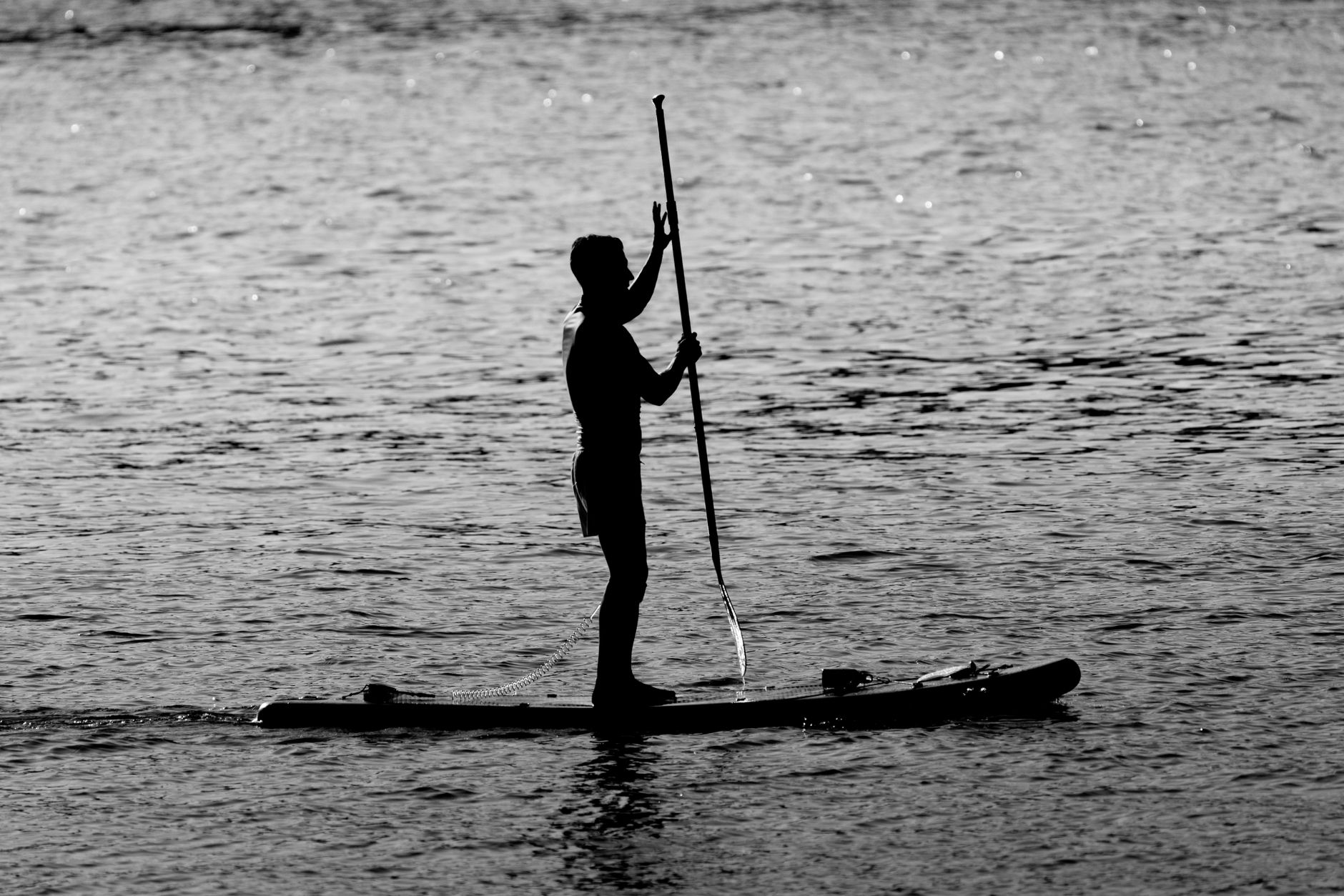
Diocletian's Palace is essential, but go beyond the standard tour. Climb the 180 steps of St. Domnius Bell Tower for a panorama of the city, sea and Marjan Hill; combination tickets get you into multiple sites. Wander the Old Town beyond the palace walls; here you'll find charming cafés, art shops and Split at its most authentic. Republic Square is iconic: red walls, green shutters, a Venetian feel, perfect for coffee and people-watching. For adrenaline seekers: night-time stand-up paddleboarding is magical: you see phosphorescent seawater under your board and can watch underwater life without getting wet. Kayaking around Marjan Hill combines paddling with snorkelling and cliff jumping. A culinary masterclass with local market visits teaches you traditional Dalmatian recipes. For day trips: Krka National Park (waterfalls), island-hopping to Vis (Blue Cave, Stiniva Bay), Trogir (45 minutes by bus, compact and elegant), or a sailing charter for the ultimate experience. Adventurous types can try quad biking in the inland mountains, rock climbing in Paklenica National Park, or a Game of Thrones tour to filming locations from the HBO series.
Visit the Riva early in the morning for the best light and fewest crowds
Bacvice Beach is popular but busy; Kastelet or Kasjuni are quieter with equally good views
Take at least 2-3 days if you want to do day trips; one day is enough for the city itself
Practical information
For accommodation: the Old Town and area around Diocletian's Palace are the best locations, but parking is tricky there. Budget travellers should head to Old Town Hostel (a favourite since 2012) or Hotel Villa Diana close to the waterfront. Mid-range? Hotel Peristil offers excellent value at the heart of the palace. Luxury? Judita Palace Heritage Hotel has exposed stone walls and chandeliers. Apartments are a tradition in Croatia and a good alternative. For food: traditional Dalmatian fish is overwhelmingly fresh and affordable. Visit the fish market; waterfront restaurants are touristy but quality is consistent. Language: many locals speak English, especially in the tourist centre, but basic phrases in Croatian are appreciated. Safety: Split is safe, but like any port city, be careful with bags in busy areas. Essentials: water shoes are critical: the beaches are rocky, not sandy. Money: ATMs are everywhere, credit cards are accepted, but keep some cash for small shops. Timing for sightseeing: book popular tours and activities in advance, especially in July and August.
Water shoes aren't optional; they're essential for the rocky Adriatic coast
Plan ahead: book activities and tours in advance during July and August
Don't stay longer than one full day in Split unless you're using it as a base for island trips
Generated from 1 travel guide and experience · Sources