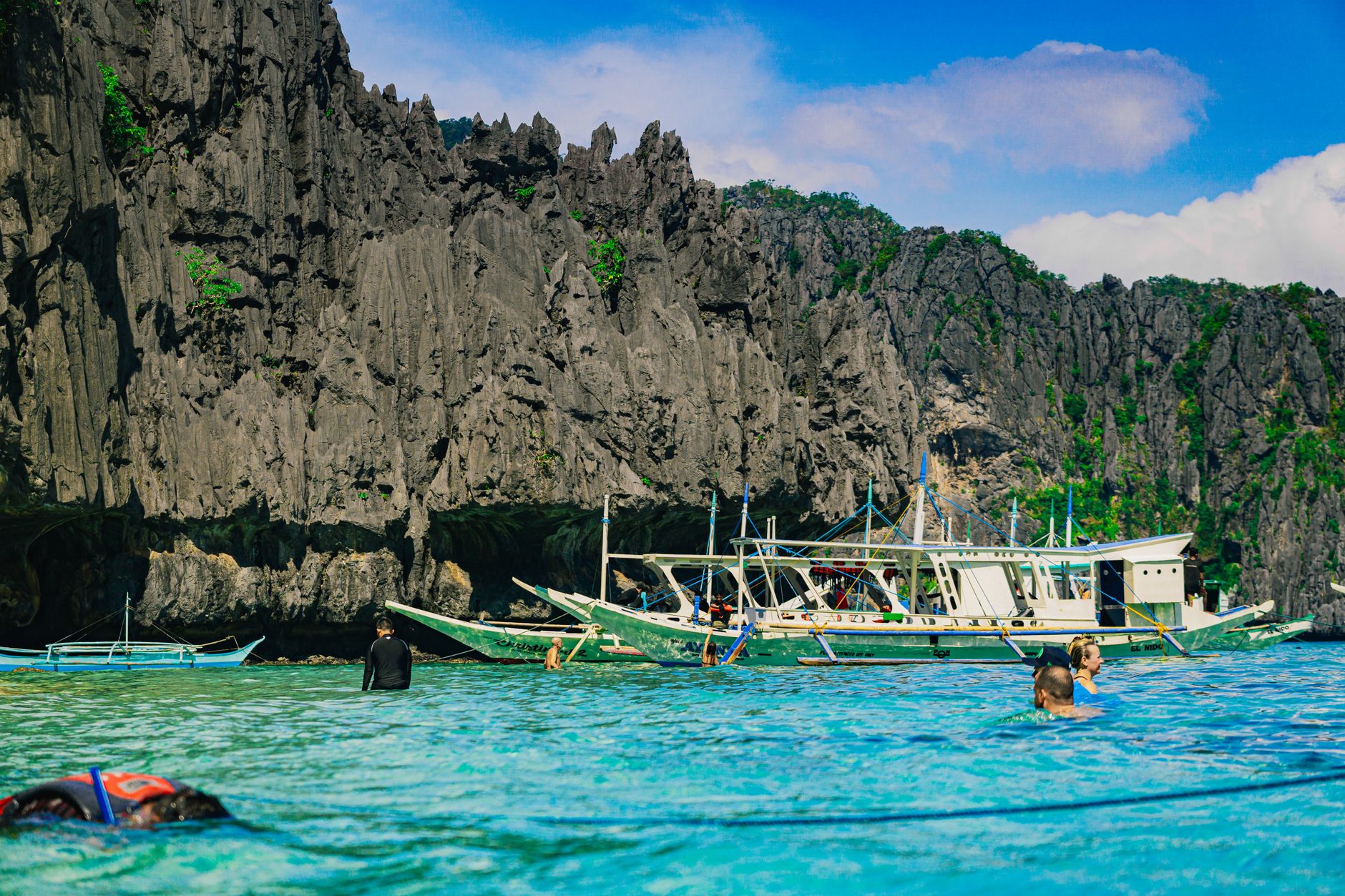
Island hopping Tour A. Big Lagoon, Secret Lagoon, Shimizu Island
2
Island hopping Tour C. Helicopter Island, Hidden Beach, Matinloc Shrine
3
Nacpan Beach, a 4km twin beach with golden sand and few crowds
4
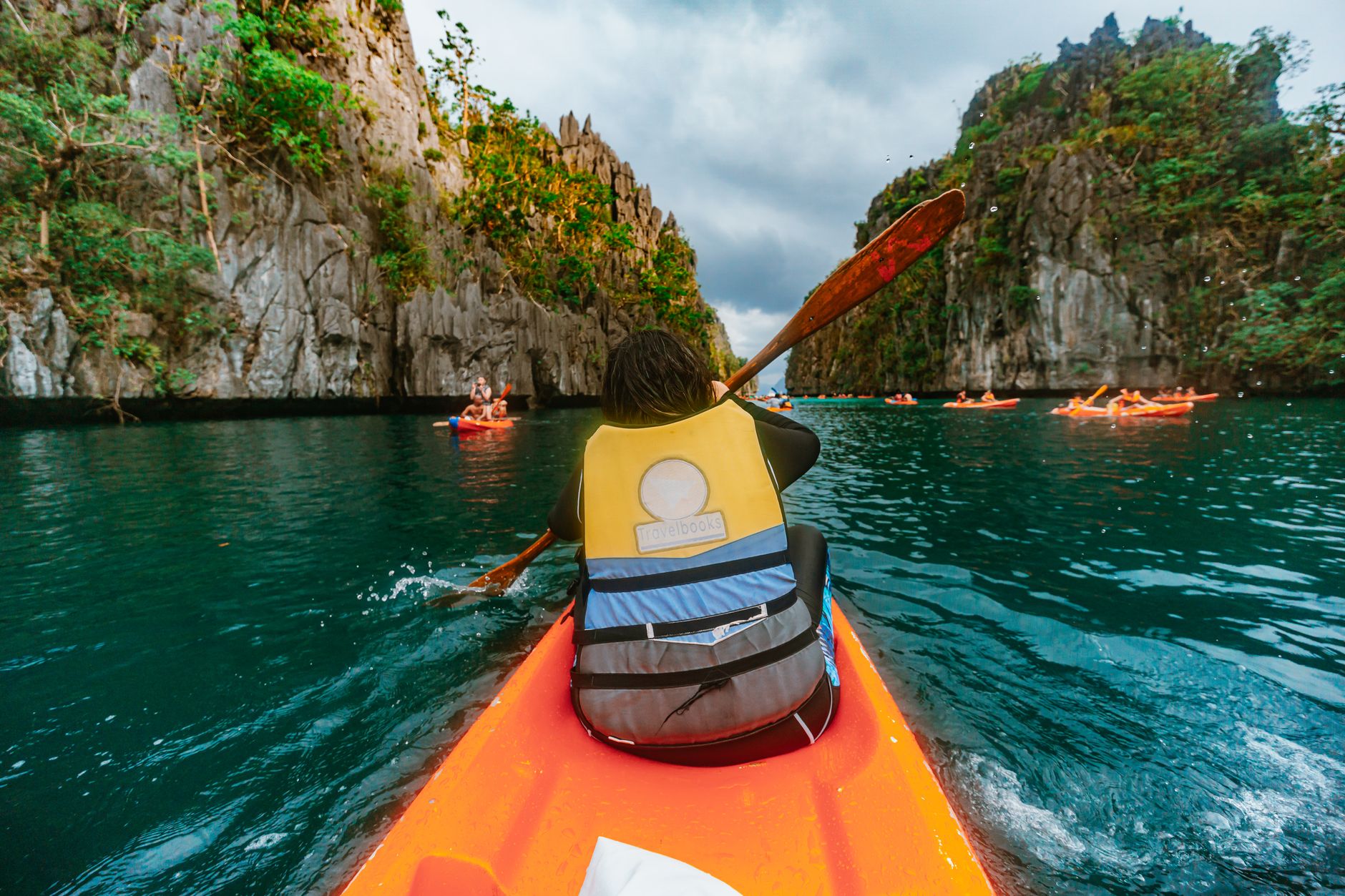
Kayak through the Big and Small Lagoons at sunrise
5
Snorkelling and diving at the coral gardens of Miniloc Island
6
Sunset drinks at a rooftop bar overlooking Bacuit Bay
Local tip
Before you go to El Nido
Book island hopping tours through your hotel, they include lunch and snorkel gear. The road from Puerto Princesa takes 5-6 hours; fly to Lio Airport if available.
Content is hosted on third-party platforms. Wayloha links to public hashtag pages and does not store any social media content.
Ready to visit El Nido?
Tell Wayloha your travel style, budget and travel dates. We'll build your complete day-by-day El Nido trip plan. Your first draft is on your screen within a minute.
El Nido feels like stepping into a postcard: limestone cliffs rise from emerald waters, hidden lagoons wait to be discovered, and 45 islands in Bacuit Bay invite you to explore. This is where the Philippines shows off its most untouched natural beauty.
Why visit El Nido
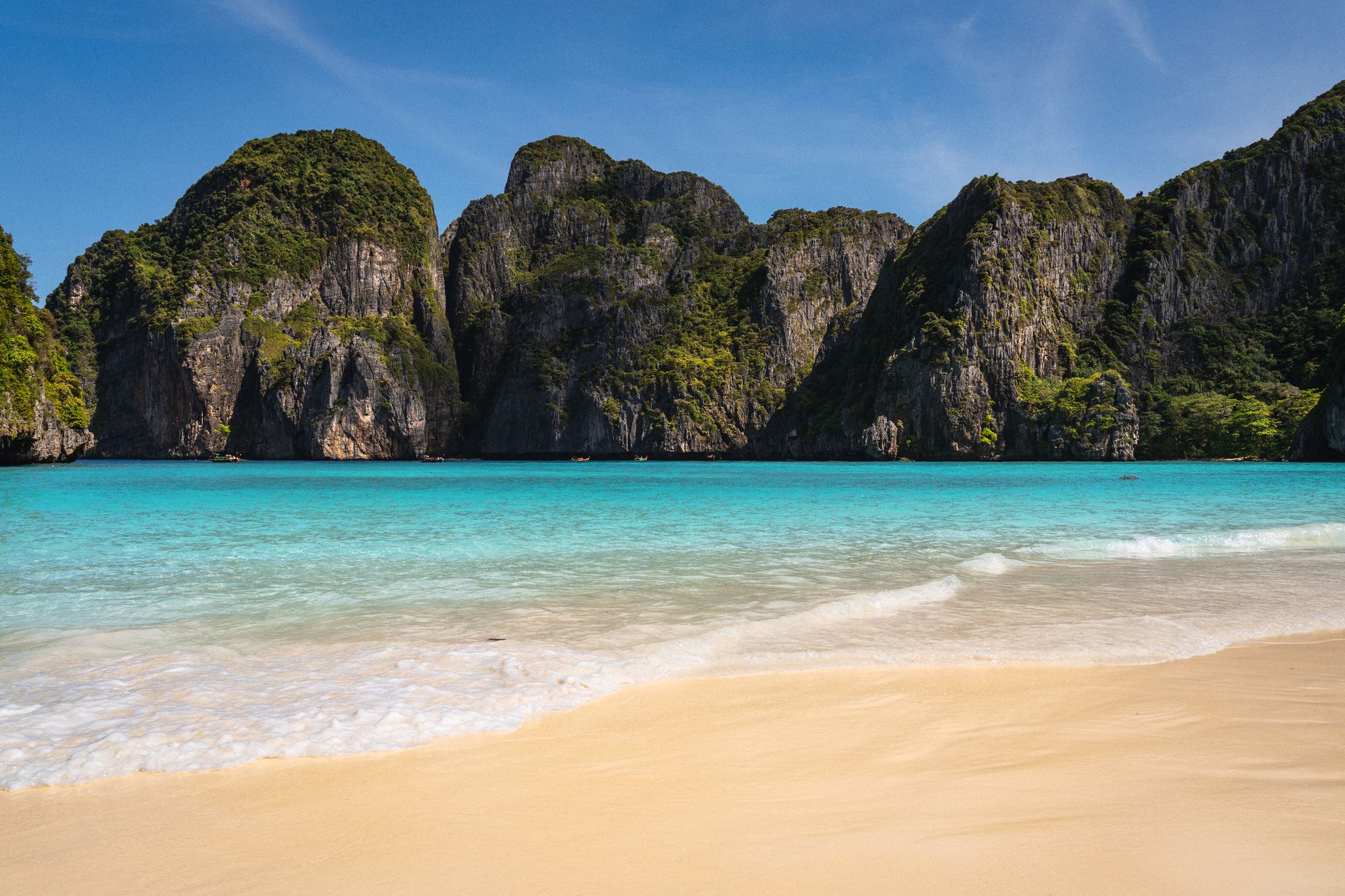
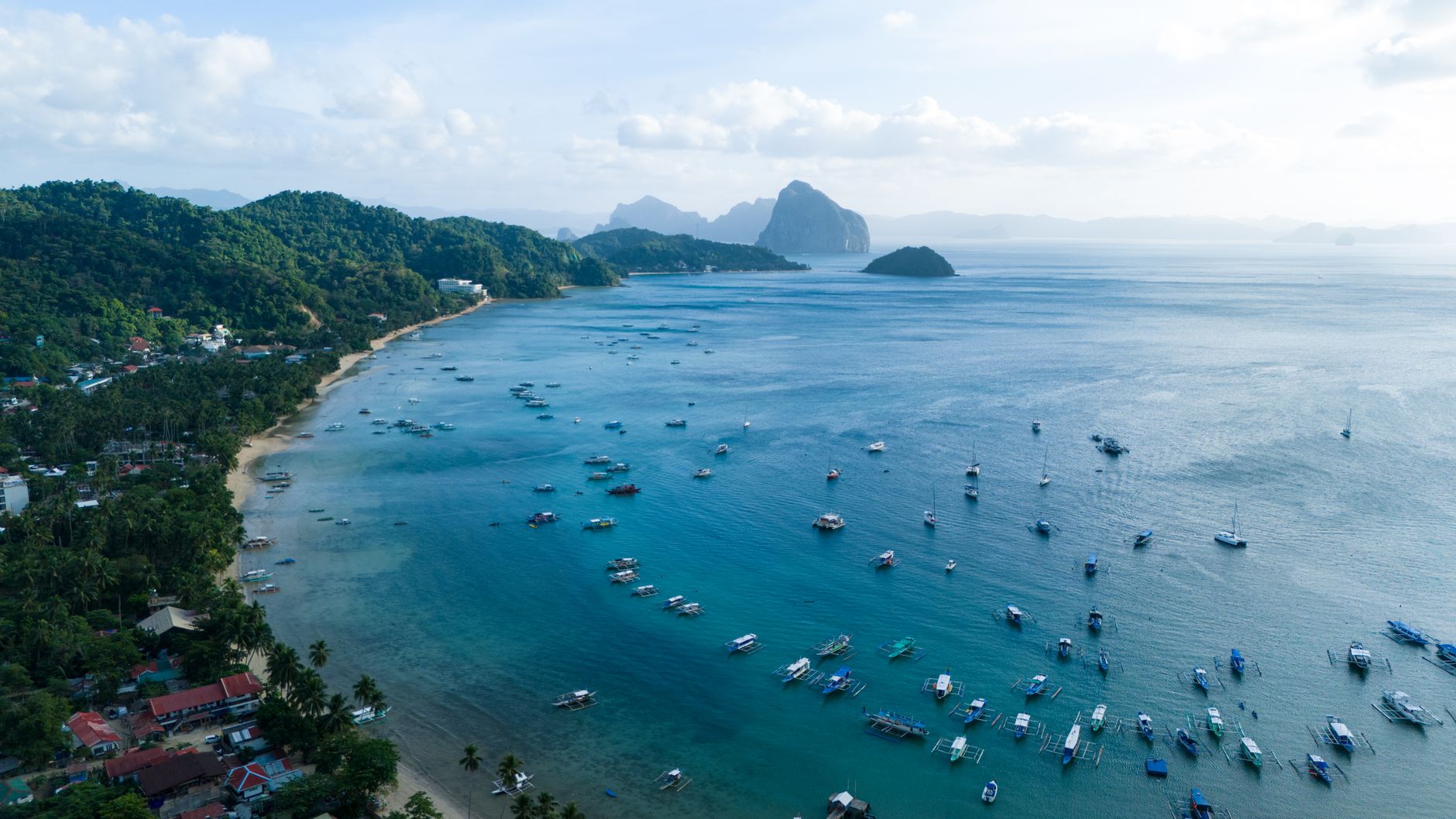
El Nido in Palawan is synonymous with limitless island beauty. The Philippines has a coastline of more than 35,000 kilometres and thousands of islands, but El Nido stands out for its unique mix of dramatic rock formations and protected ecosystems. Bacuit Bay, a protected area, holds 45 breathtaking islands where white sand, crystal-clear water and hidden lagoons follow one another.
The warmth of the local people completes the experience. The Philippines is known as one of the friendliest nations in Asia, and in El Nido you feel that hospitality in every interaction, whether you're chatting with local guides or eating at a family-run restaurant. It's not just about the landscape. It's about the feeling of true escape combined with human connection. For many travellers, that's the reason they come back.
El Nido has two completely different seasons from the rest of the Philippines - check island-specific forecasts before you book
Spend at least three weeks in the Philippines overall to explore El Nido properly
The islands in Bacuit Bay are most accessible via organised day tours, but private guides can help you avoid the busiest routes
When to go
El Nido runs on a different rhythm from the rest of the Philippines. The country generally has a dry season from December to April and a wet season from May to November, but El Nido plays by its own rules. You really need to check island-specific forecasts before locking in your dates, because a downpour somewhere else can mean sunshine in El Nido.
The dry season (December to April) brings average temperatures of 24 to 31 degrees Celsius and ideal conditions for island-hopping, snorkelling and lounging on the beach. Keep in mind that this is also the busiest time, especially from March to May, when tourists arrive in large numbers and prices go up. The wet season (May to November) brings rain showers, but these are usually short, and you'll still find sunny spells in between. You should really avoid July to October: this is typhoon season, with heavy rain and gusts of wind that can wreck your travel plans. Temperatures stay around 29-30 degrees, so it's less about the cold and more about how stable the weather is.
December to April offers the best conditions, but book your hotel 2-3 months ahead because of the crowds
If you have flexibility, avoid July to October - typhoon season can completely disrupt your trip plans
Check island-specific forecasts; El Nido's weather can be the opposite of what's forecast for the rest of the country
How to get there and get around
Getting to El Nido takes a bit of planning, because of its island location. Most international travellers fly to Manila first, then on to Puerto Princesa (the nearest major airport), or straight to El Nido if you can find a connecting flight. From Puerto Princesa, it's about 250 kilometres to El Nido, a 5-6 hour journey by private vehicle or shared transfer. Many travellers take the bus-boat combination, which is cheaper but takes longer. If you're already elsewhere in Palawan, such as Coron, you can book boat expeditions between islands; a four-day expedition between Coron and El Nido costs around €570 per person, including meals and drinks.
Once you're in El Nido itself, island-hopping is the most fun way to get around. Day tours (Tours A, B, C and D) leave the beach early in the morning and take you to a selection of islands, beaches and lagoons; prices are around €30 per person, including lunch. For more independence, you can rent clear kayaks and explore the islands around El Nido yourself, which gets you closer to nature and means less boat traffic around you. You don't need a car in town itself - everything is within walking distance or a short tuk-tuk ride away.
Book day tours in advance through your hotel or online, especially in the dry season
Bring a universal plug adapter (both type A/B and type C sockets are used)
Private guides help you avoid the crowds on popular routes and find hidden spots
Top activities in El Nido
Island-hopping is the heartbeat of El Nido. The four classic day tours (Tours A to D) take you to different combinations of islands, beaches and lagoons, each with its own character. You swim in crystal-clear water, snorkel along colourful reefs, have lunch on sandbanks and breathe in the quiet of hidden coves. Unlike the crowds on the popular tourist routes, a private guide can take you to calmer, less-visited spots that feel like your own discovery.
Beyond standard island-hopping, clear kayaks give you an intimate view of the coast. You see for yourself where the limestone cliffs rise from the water. You're in control of your own speed and direction, and you get much closer to marine life without snorkel groups around you. For a bit more adventure, try waterfall exploring, discover hidden lagoons, or plan a small village visit where you meet local fishermen and learn about their way of life. Some tour operators also offer combined experiences: cooking with local families, riding in colourful jeepneys, and even canyoning, although that last one is more of a classic activity in Cebu.
Bring a waterproof phone case for underwater shots - it can capture some of your best memories
Many islands and waterfalls charge a small environmental fee (€0.30-€3) for upkeep
Start island-hopping early, around 8am, to avoid the midday heat and crowds
Practical travel guide
It pays to think ahead about your budget in El Nido. When it comes to food and drink, you have plenty of control: local markets and beach stalls serve freshly grilled fish or meat for just a couple of euros. Carinderias (simple local eateries) offer full plates of rice, vegetables and protein for €3-€5. Restaurants aimed at tourists charge more: breakfast runs €4-€7, mains €6-€13, a cappuccino around €2, and local beer €1.50. Activities (island-hopping, tours, entrance fees) vary widely: a day of island-hopping costs around €30 on average (with lunch), surf lessons are €10 an hour, and special expeditions such as Coron to El Nido cost €570 (including all meals).
Language isn't a barrier. Filipino is the most widely spoken language, but English is common, especially in tourist areas. Useful words: 'Mabuhay' (hello/welcome), 'Salamat' (thank you), 'Pasensya na po' (excuse me). For power sockets, bring a universal adapter (type A, B and C plugs are all in use). Cash (Philippine peso) is handy for small purchases, and ATMs work well for withdrawals. The weather can change quickly, so water-resistant luggage helps. The Philippines is generally safe for tourists, but follow standard precautions: get travel insurance that covers adventure activities.
Get travel insurance that covers diving, snorkelling and island-hopping
Exchange money at the airport or in bigger cities - local exchange rates are better than hotel rates
Bring reef-safe sunscreen so you don't damage the coral
Generated from 3 travel guides and experiences · Sources