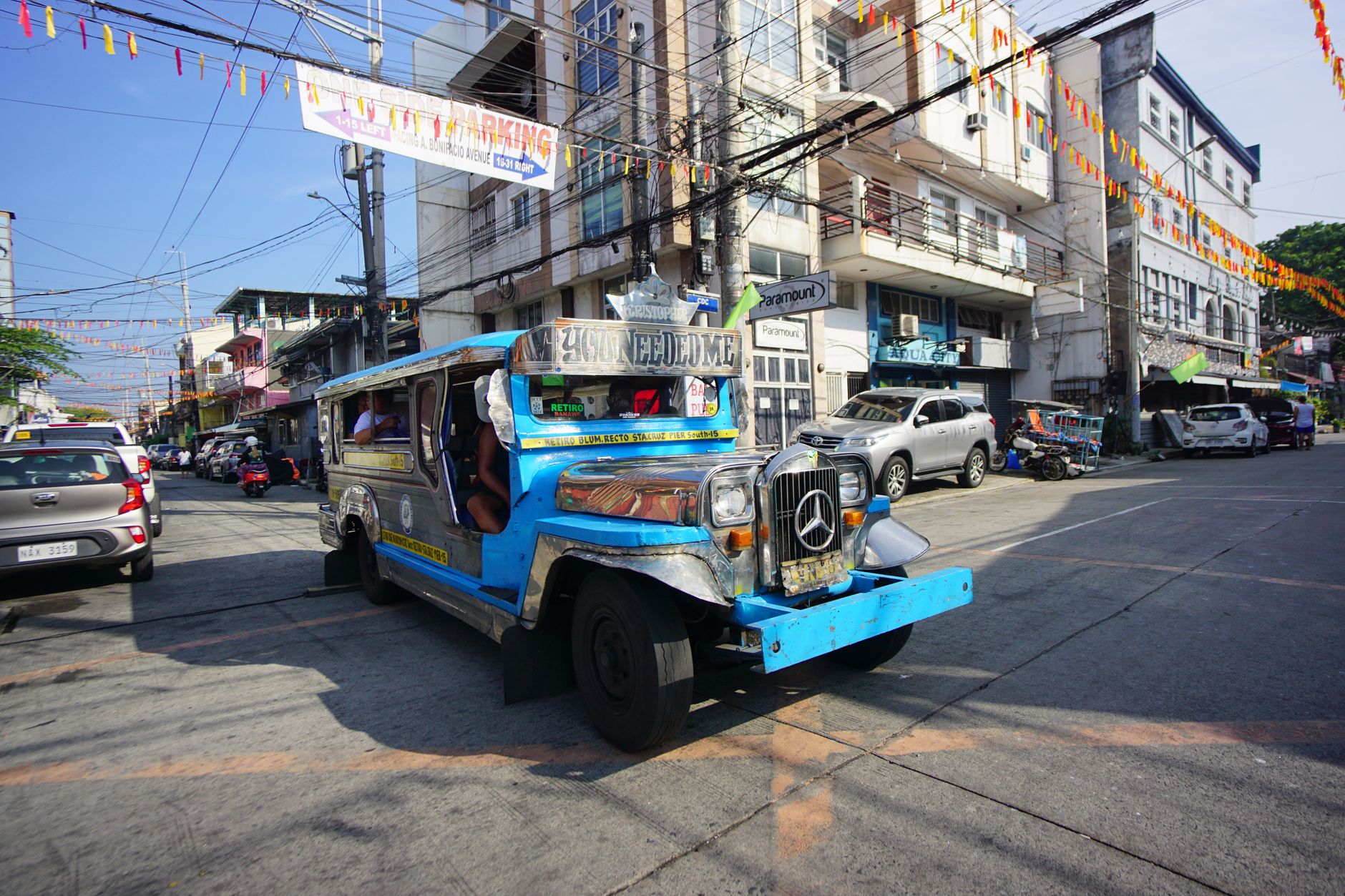
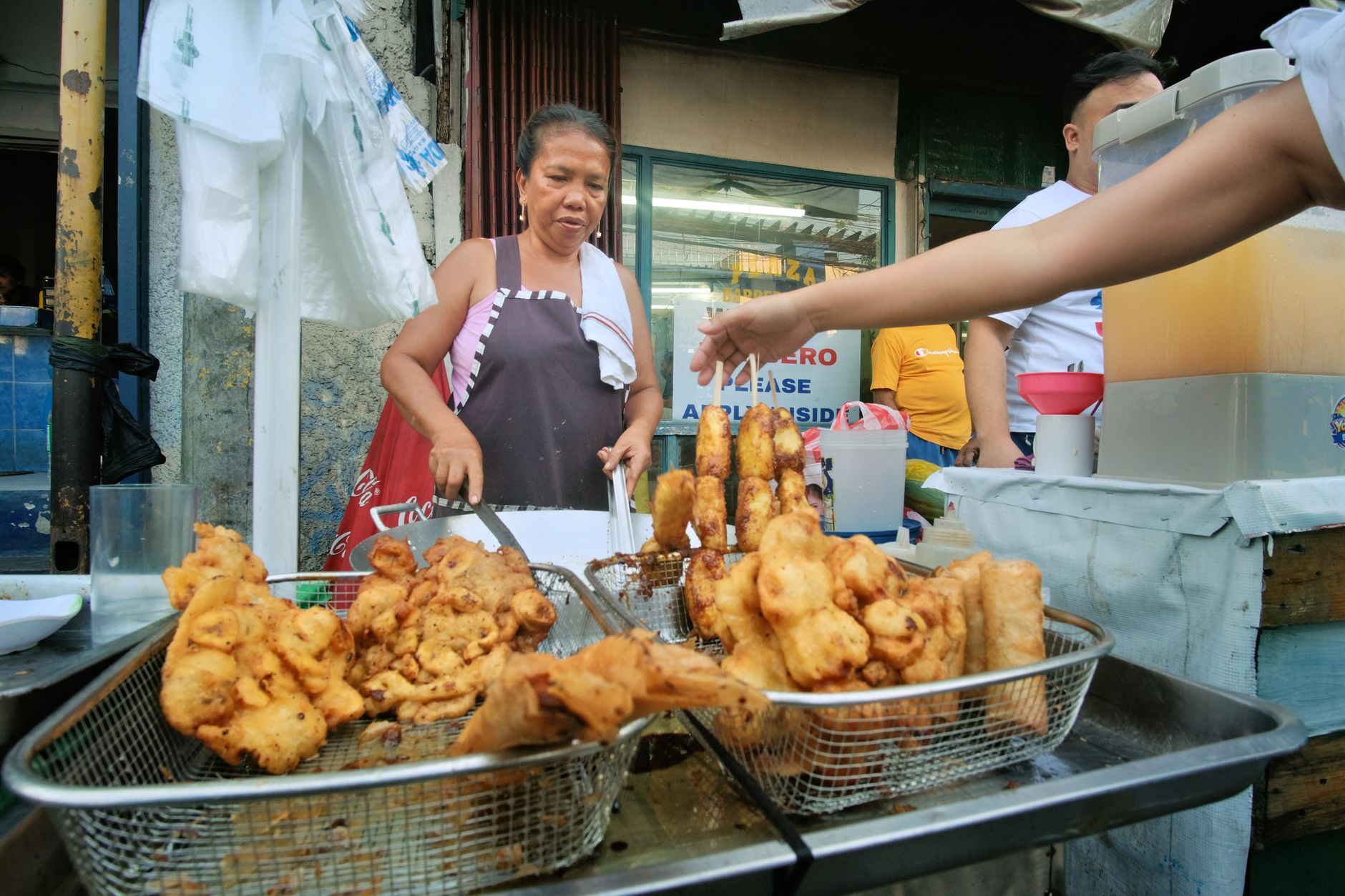
Island hopping by boat is the main transport. Domestic flights between major islands. Tricycles and jeepneys for local travel.
Travel information
Before you go to Philippines
✈️
Airports & entry
Philippines has 4 major international airports. Consider Manila (MNL) as your main entry point, or fly in and out from different cities to see more.
🗓️
Best trip length
Most visitors spend 10–18 days in Philippines. Shorter trips work well for focused regions; longer trips let you explore more deeply.
🗺️
Regions to know
Philippines has 4 distinct regions. Palawan and Visayas are the most popular starting points for first-time visitors.
🚗
Getting around
Island hopping by boat is the main transport. Domestic flights between major islands. Tricycles and jeepneys for local travel.
💡
Smart planning tip
Generate a personalised trip plan with Wayloha: just enter your budget, travel style and travel dates. Our AI reads 62 travel blogs to build your perfect route.
📋
Preparation guide
After generating your trip plan, Wayloha creates a full preparation guide, including packing list, visa info, SIM card tips, money advice and local customs tailored to your trip.
Travel inspiration
Philippines in pictures
Real travel content from the community. See the latest photos, videos and stories from people who've already been.
Content is hosted on third-party platforms. Wayloha links to public hashtag pages and does not store any social media content.
Ready to visit Philippines?
Tell Wayloha your travel style, budget and travel dates. We'll build your complete day-by-day trip plan. Your first draft is on your screen within a minute.
Booking.com affiliate links: Wayloha earns a small commission at no extra cost to you
Travel guide
All about Philippines
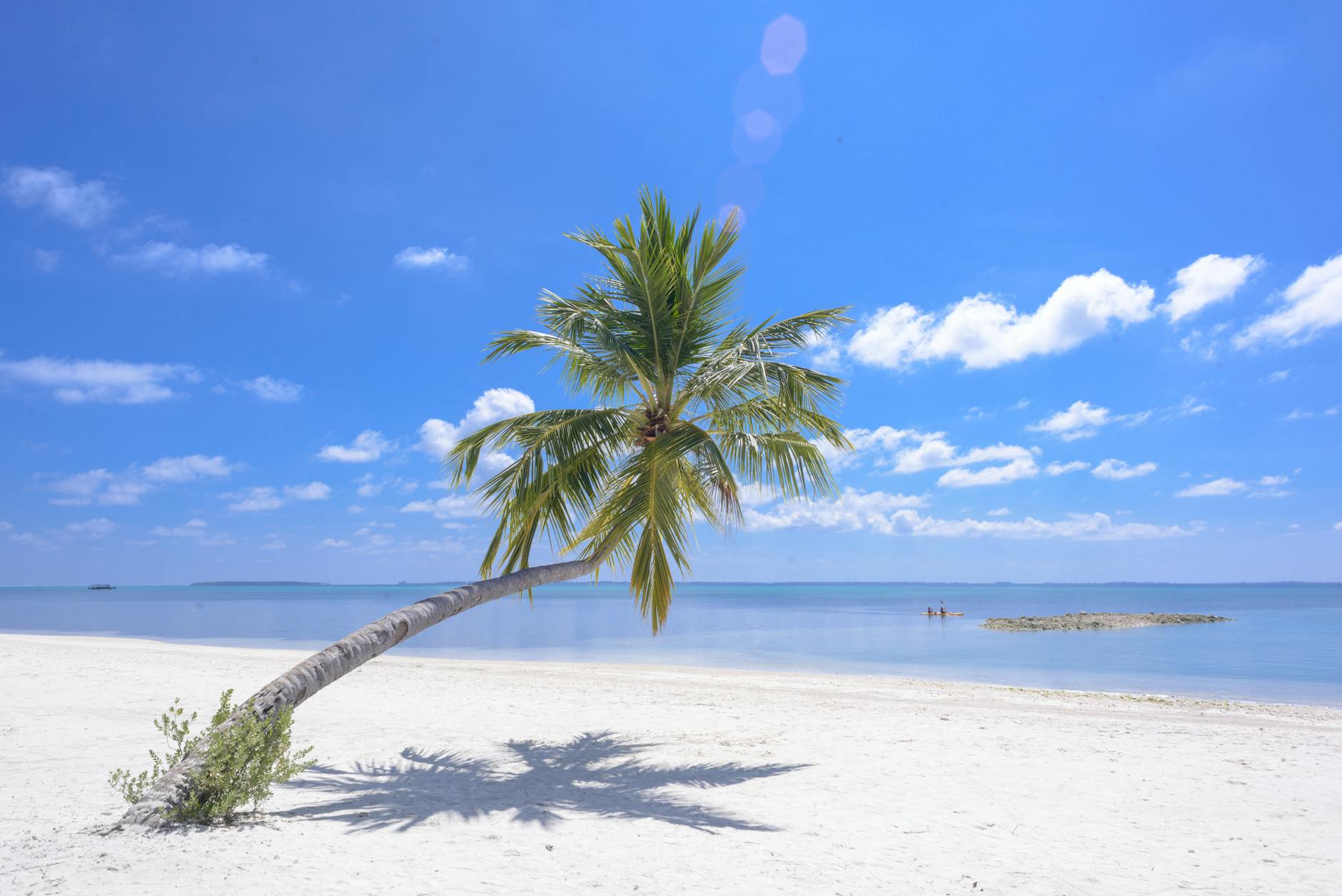
The Philippines is an archipelago of more than 7,000 islands, where you can snorkel passionately above coral reefs, walk through centuries-old rice terraces, and rest under palm trees on sandy beaches. This isn't an ordinary holiday - it's a trip where you feel truly welcome.
Why visit the Philippines
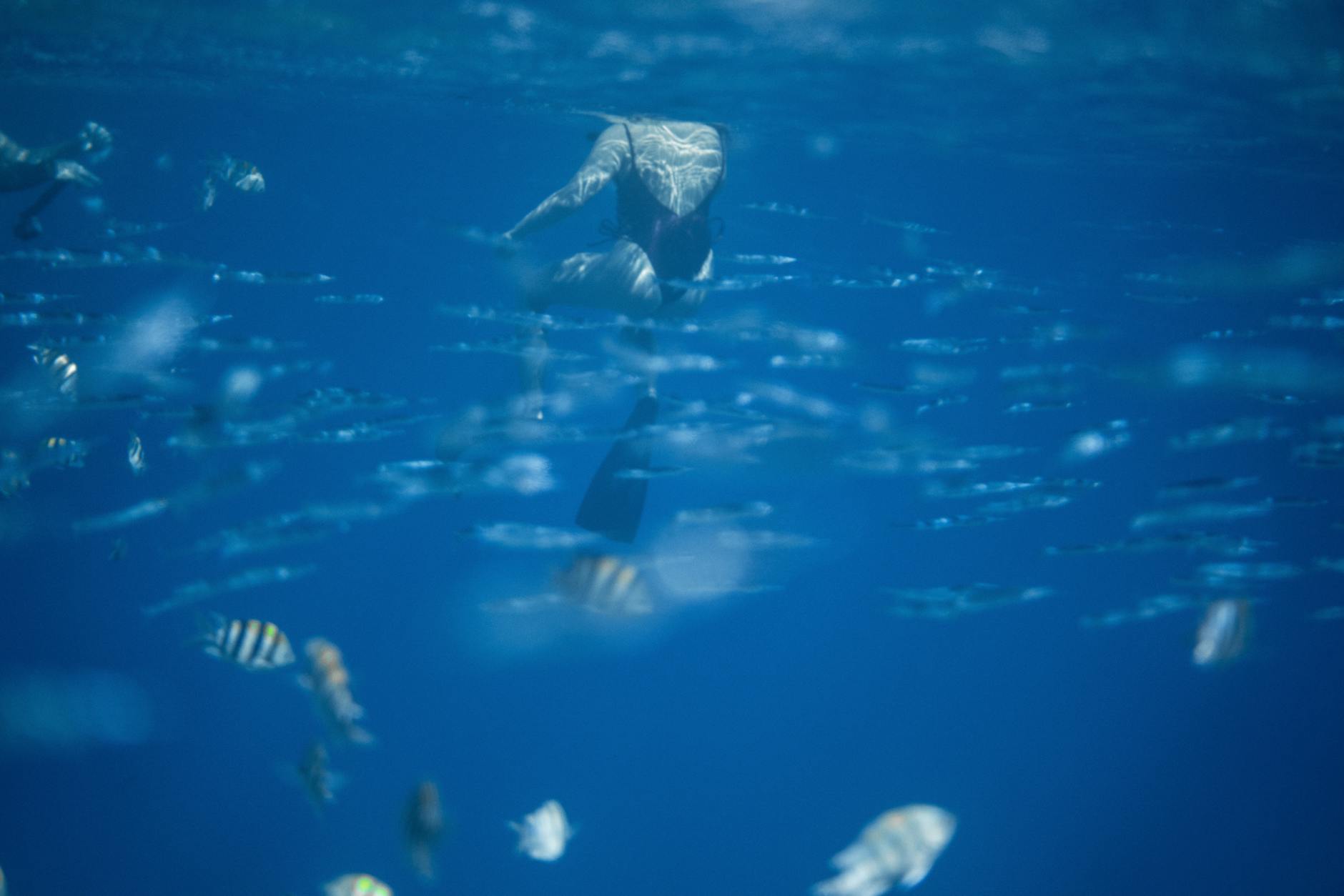
The Philippines feels like a secret everyone already knows about, but hasn't discovered yet. With more than 7,600 islands to choose from, you'll find crystal-clear lagoons surrounded by limestone mountains, tropical jungle where small waterfalls appear out of nowhere, and beaches that look like they've been drawn straight out of a dream. But what really touches people here is the warmth of the Filipino people themselves - they're among the friendliest in Asia, and they make you feel at home right away. You're never on your own: someone helps you, invites you along, shares their food. It's that rare kind of destination where nature and humanity meet, and you feel you're somewhere truly special. The Philippines lies within the so-called Coral Triangle, which means you can dive here above coral reefs home to 2,800 fish species, hundreds of coral species, and sea creatures you won't see anywhere else. Whether you're surfing, hiking, eating or just lying on the beach, everything feels adventurous without leaving you exhausted.
Set aside at least three weeks: a single week flies by before you even notice
Bring a reusable water bottle with a filter - you'll drink a lot more water and help cut down on plastic waste
Ask local guides to point you towards quiet spots that aren't full of tourists
When you go determines everything
The Philippines has two real seasons, but here's something odd: not all the islands follow the same schedule. December to April is the dry season - the best time for most of the country, with temperatures between 24 and 31 degrees, perfect for island hopping and diving. This is also peak season, so it's busier and more expensive, especially from March to May. May to October brings rain, and you should really try to avoid July to October: that's when typhoons are common and can ruin your trip. Interestingly, places like El Nido and Siargao have their own seasons that run completely opposite - so you can be smart about which islands you visit and when. Many Philippines travellers skip the typhoon months and therefore visit more often between December and April. This means hotels fill up and prices rise. If you're flexible, May, June, September and October are quieter and cheaper, with regular sunny spells between the showers. Before booking, check the weather forecast for each island - what's a downpour on one island might be pleasantly warm on another.
If you're visiting in October, try to catch the colourful Maaskara Festival in Bacolod
January is festival month: the Sinulog Festival in Cebu (third Sunday) and the Dinagyang Festival are both huge
Register with your embassy so you get alerts if bad weather is on the way
How to arrive and get around
Many nationalities can enter the Philippines visa-free for 30 days - all you need is a valid passport (valid for at least six months) and proof of a return ticket. Check with your embassy for the latest requirements. When you arrive, expect a whirlwind of colours and sounds: tricycles honking their horns, jeepneys in bright yellow or pink with chrome details, and small boats heading to every corner of the country. In big cities like Manila, you'll take a taxi or a jeepney - those yellow shared bus-tuk-tuks are the real everyday vehicle, cheap and always full of stories. For longer distances between islands, everything goes by boat or plane. Domestic flight connections are affordable, especially with Cebu Pacific and AirAsia, which regularly run deals offering up to 50% off if you time it right. Night ferries are cheaper and feel like a small adventure - you sleep in a hammock or out on deck under the stars. For booking and comparing travel times, 12Go.asia is the most reliable option. Public transport everywhere is so cheap that you can experiment without worrying about cost.
Set up price alerts on Skyscanner for flights - you'll spot it straight away when those budget airlines drop their prices
Always take night buses or boats: you'll save money on accommodation and see everyday life along the way
Book your ticket to your first destination in Europe before you go - that way you'll have proof of a return ticket ready
What to actually do: the experiences that matter
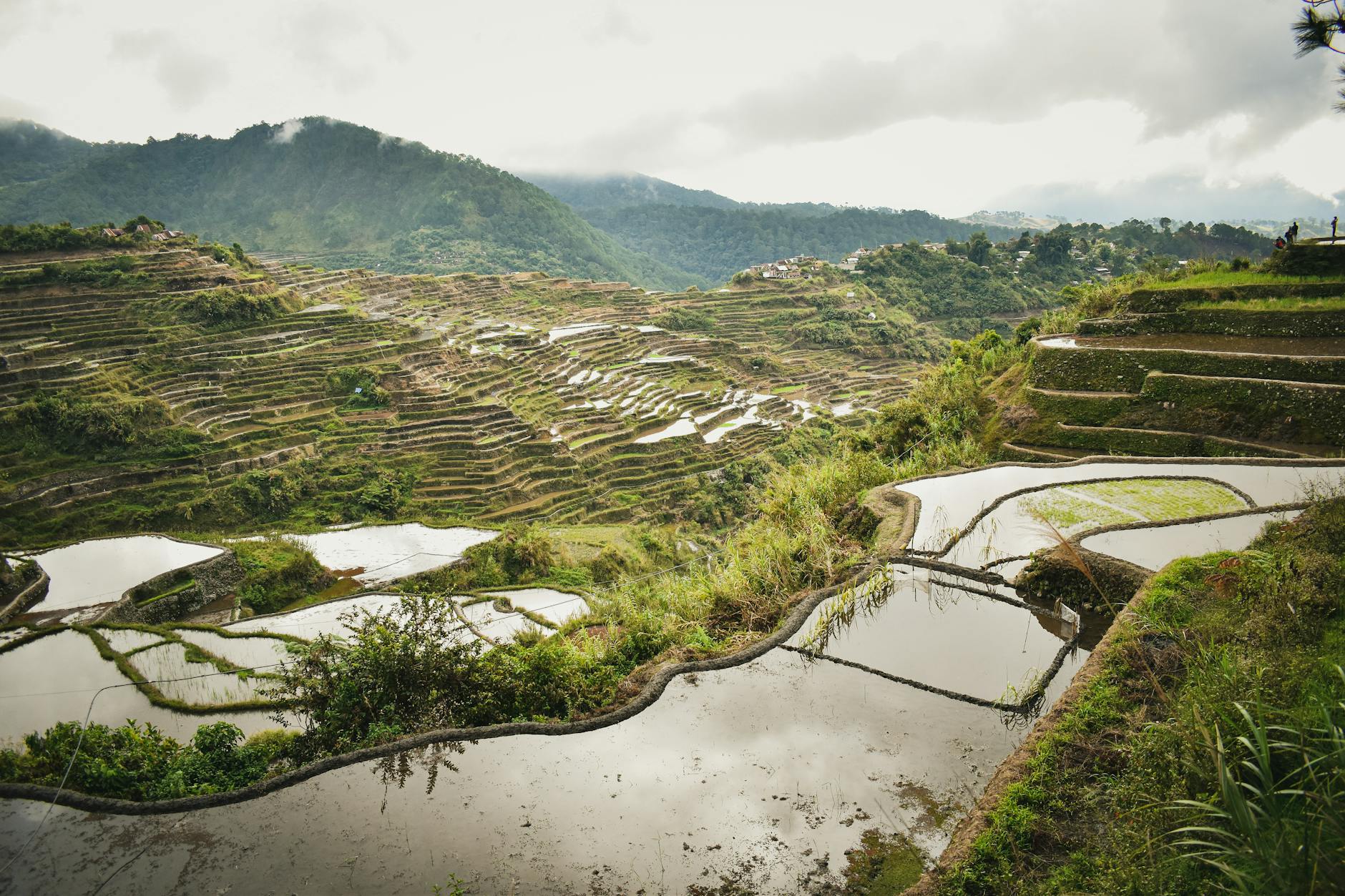
Island hopping tops the list because it feels like the real Filipino adventure. Tell a boatman you want a half-day tour, and you'll stop at five islands to snorkel, swim, and eat lunch on white-and-gold sand, all for around 20 to 100 euros - not bad at all if you split it. El Nido in Palawan and Coron have the best-known routes, but Siargao, Cebu and the Hundred Islands in Pangasinan are magical too. Scuba diving here is truly spectacular: you're in the Coral Triangle, home to 5,000 species of shells and molluscs, 488 species of coral, and more than 2,800 species of fish. Apo Island, Tubbataha Reefs and Verde Island are spots where even experienced divers say their jaws drop. If you'd rather stay above water, walking through the ancient rice terraces of Banaue or Batad feels like stepping into a painting, and you'll meet Ifugao families who invite you into their homes and show you how they've farmed these slopes for centuries. Want to eat and cook like a local? Many villages offer 'family cooking experiences' where you cook adobo or lumpia over an open fire with local people. You chop the vegetables yourself, stir the pot, and eat together: that's how food works here - it's about sharing.
Ask about private boats instead of group tours - you won't pay much more, and you'll avoid big crowds
Bring a guide to the lesser-known islands - they'll know where to find hidden beaches without the crowds
For diving, take your PADI course on location - it's cheaper here than in Europe, and you'll meet other divers
Practical things you need to know
Your money goes a lot further than you'd expect. A meal costs around 1 euro, a hostel room 5-10 euros, and a sunset cocktail 2 euros. Budget travellers can get by on 20-30 euros a day without any hassle - that covers food, a place to sleep, and activities. Want somewhere nicer to stay and more flexibility? Budget 35-50 euros a day. Tipping isn't common here, although some restaurants automatically add a 'service charge' - check your bill. Filipino and English are both widely spoken, so communication isn't a problem. A few useful words: 'kumusta' means hello, 'salamat' means thank you, 'magkano' means how much does it cost, and you say 'masarap' when something tastes good - Filipinos really appreciate it when you give it a try. The Philippines is Christian (86% Catholic) and hospitable, so be respectful in churches and always thank your hosts. Electricity: the country uses type A, B and C plugs, so an international adapter is essential. Water quality: tap water in Manila is technically safe, but locals drink filtered water. Outside the capital, filtered water is your best option - bring a reusable bottle with a built-in filter. Safety: the Philippines is generally safe, but avoid dark areas at night, keep your valuables secure, and check your government's travel advice for areas like Mindanao and the Sulu Archipelago, which are best avoided. As anywhere: common sense is your best friend.
Always carry some local cash: jeepneys and street food stalls don't take cards
Say 'Mabuhay!' (long live!) when you meet Filipinos - it means 'long life' and touches their hearts
Get travel insurance: medical emergencies and natural disasters can strike without warning
Generated from 3 travel guides and experiences · Sources