Content is hosted on third-party platforms. Wayloha links to public hashtag pages and does not store any social media content.
Ready to visit Galle?
Tell Wayloha your travel style, budget and travel dates. We'll build your complete day-by-day Galle trip plan. Your first draft is on your screen within a minute.
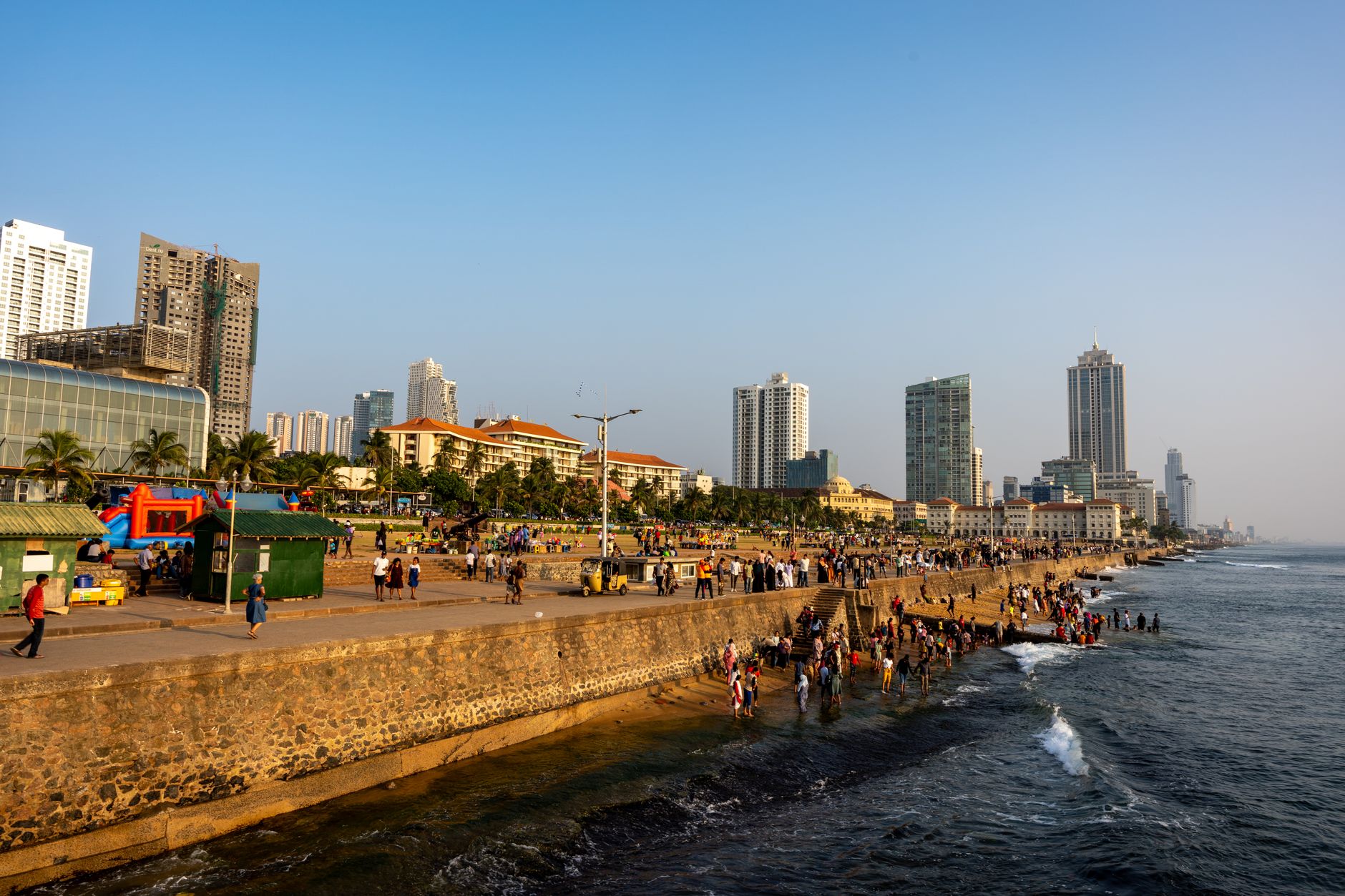
Galle Fort is not just a tourist attraction - history literally surrounds you here. Between the whitewashed Dutch colonial buildings and centuries-old walls, you feel the local life for real: cricketers play beside the bastions, street vendors sell tropical fruit under palm trees, and the sunset turns the whole fort gold.
Why visit Galle
Many visitors come to Sri Lanka for the beaches, but Galle offers something different: a perfect mix of history, culture and an authentic local atmosphere. This fort is a monument to layered influences - first the Portuguese, then the Dutch, who made it their headquarters in the 18th century, and later the British. You can still see that legacy in the beautiful, whitewashed European architecture standing today. What makes Galle special is that it doesn't feel like a museum you walk through. The fort is alive: trendy boutiques and handicraft shops fill the old buildings, the shopping streets buzz with activity, and everywhere you look, locals go about their daily lives against a backdrop of centuries-old walls. Here you feel the real rhythm of Sri Lanka, not the tourist rhythm.
Set aside at least half a day for the fort itself; two hours is enough for the 2 km walk along the walls
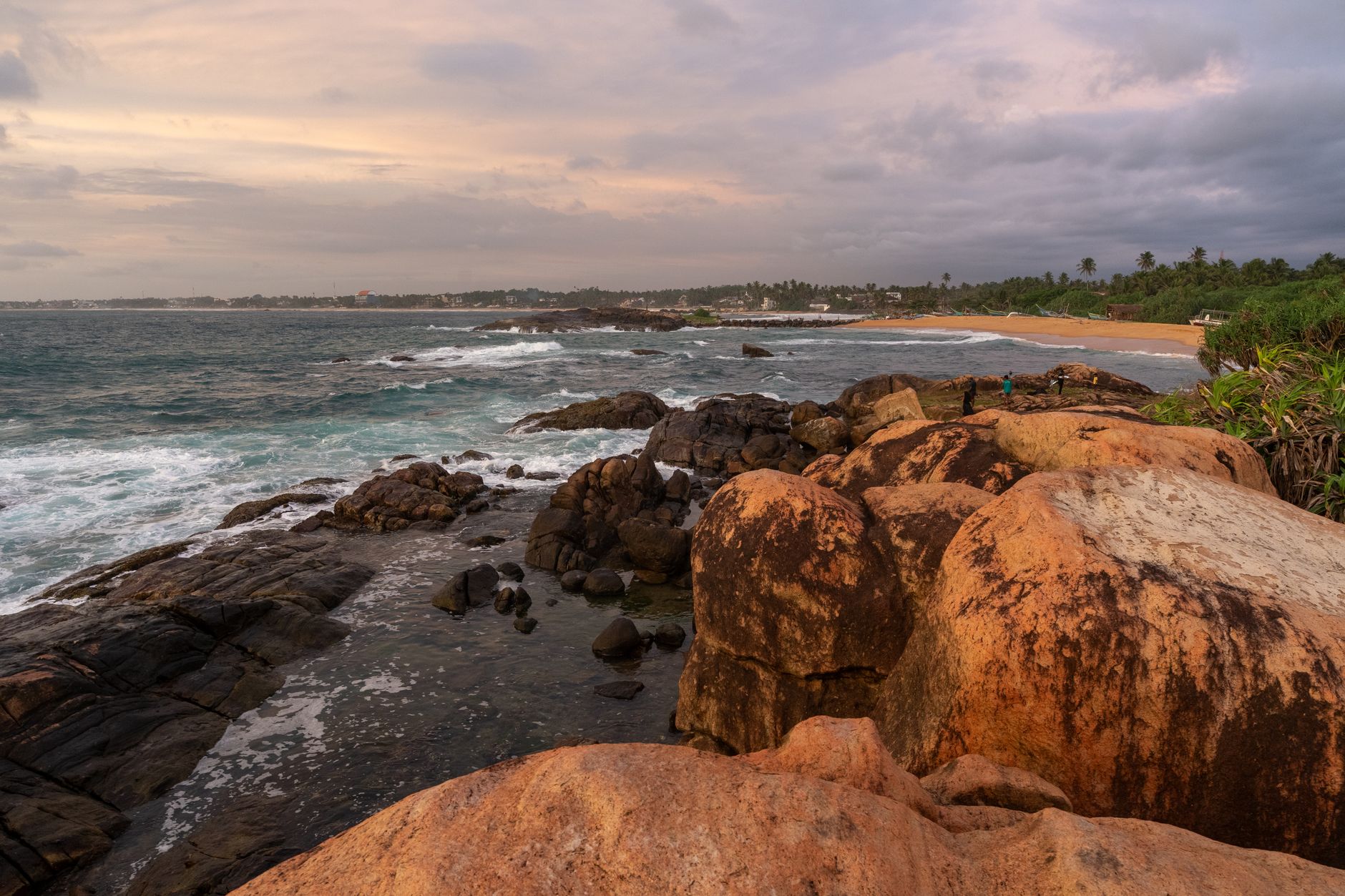
Come back around sunset for the best light and atmosphere - Flag Rock Bastion is the spot for it
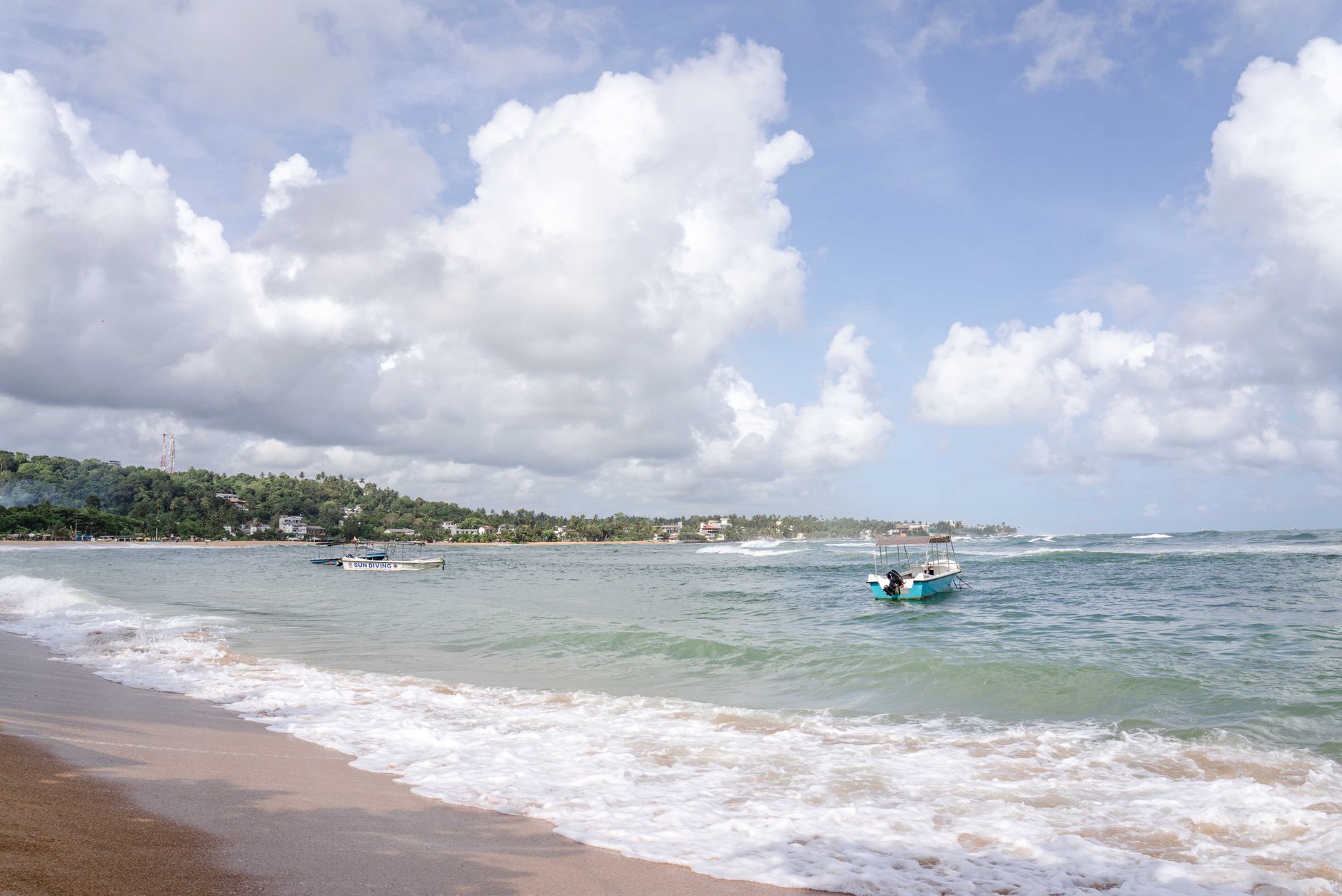
Combine your visit with a day trip to nearby coastal towns like Mirissa, Unawatuna or Weligama
When to visit Galle
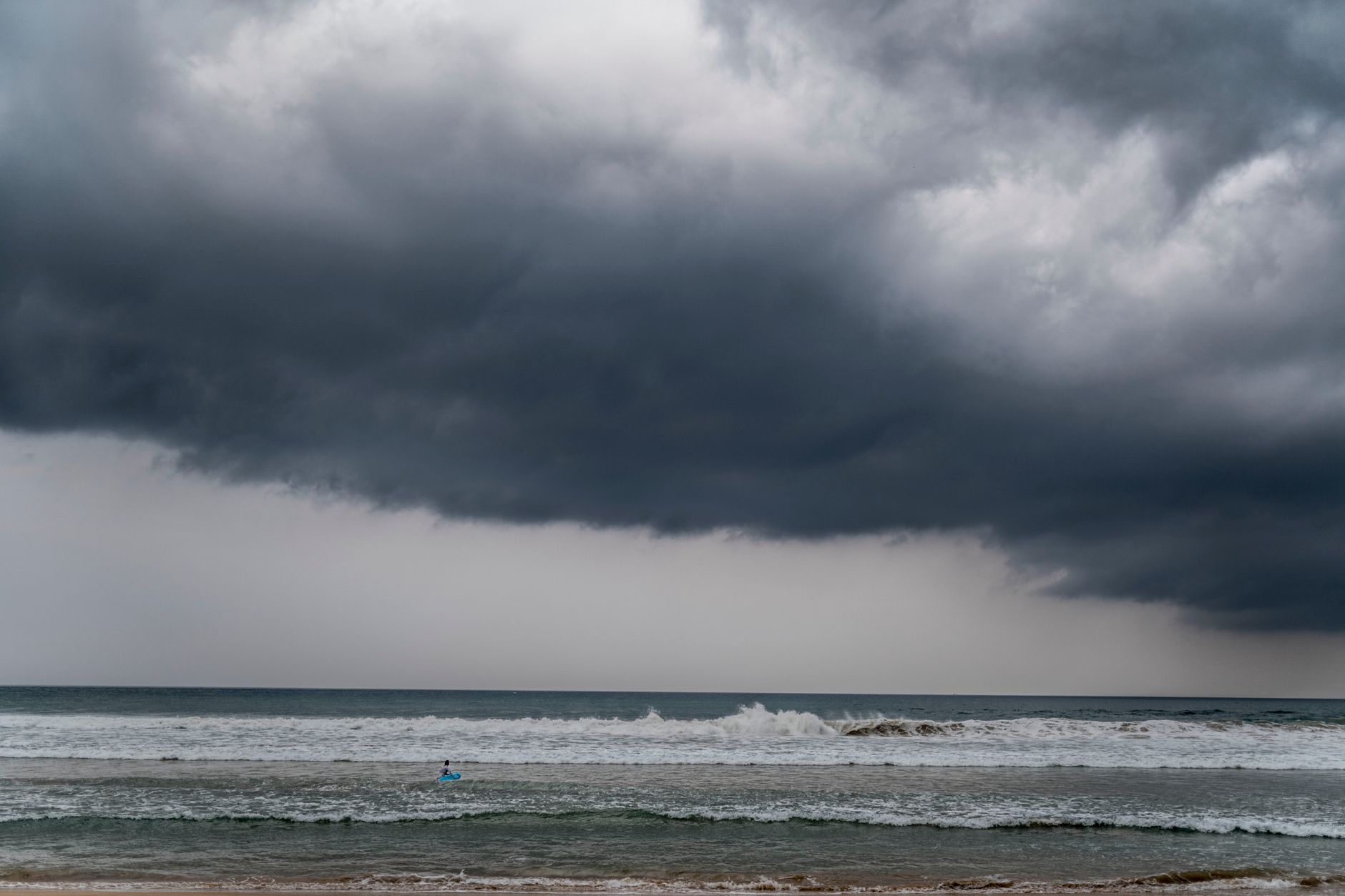
Sri Lanka has two different monsoon seasons on opposite sides of the island, but in Galle the rain concentrates between May and September. That doesn't mean you should skip it - quite the opposite. If you travel in September (as our sources indicate), you get an advantage: fewer tourists and much lower accommodation prices. The weather is mostly sunny, with just a few showers in the afternoon. Temperatures hover around 28-30°C, so it's hot and humid, but pleasant. If you want the best possible weather, February is ideal, with maximum sunshine and minimal rainfall. January to April are generally stable and reliable, though January and February see a bit more activity from other travellers.
Book your hotel ahead in September and October - not because hotels fill up, but because prices are much better
Bring waterproof clothing and a rain jacket if you're going between May and September; afternoon showers are short but heavy
February is perfect if dry weather is your top priority, but it's also busier and pricier
How to get there and get around
Galle is easy to reach, with several transport options depending on where you're coming from. The most reliable option is the train from Colombo, which takes about two hours and doubles as a great way to see the coast. You can book your tickets online. If you're already staying nearby, you'll have more flexibility. From Unawatuna, just 10 minutes away by car, getting to Galle is dead easy. From Mirissa, you can also go by motorbike, though this can feel risky if you're not used to the traffic and the big buses on the coastal roads. A local driver or guided tour is always the safer, more comfortable choice if you feel uneasy about Sri Lankan traffic.
Book your train tickets online in advance; it's cheaper than buying them on the spot
Avoid the coastal roads by motorbike if you can - heavy bus traffic makes it risky
Hire a local driver or tour guide; it gives you more safety and local knowledge
The best things to do in Galle
Start by understanding what to expect within the fort walls. The most striking experiences centre on the fort itself and its historic structures. The original gate is the starting point for your exploration. Don't skip these: the Groote Kerk and All Saints Church show how Dutch and British heritage blended together. The Old Dutch Hospital speaks for itself, historically. The National Maritime Archaeology Museum is less well known but fascinating - here you see actual shipwreck remains and artefacts from local sea expeditions. The Galle Fort Lighthouse is iconic (built in 1848 and still working) and appears on more Sri Lanka postcards than you'd expect. There's more to do here than just soak up history: many of the old buildings have been turned into charming boutiques and shops (Barefoot for design, Orchid House for handicrafts, Dutch Market for authentic local goods). Eat something local at Lucky Fort Restaurant for authentic Sri Lankan cuisine, or try the street food near the fort walls. And whatever you do, don't miss the sunset from the fort walls themselves - head to Flag Rock Bastion, where locals dive off the rocks. Bring drinks and snacks and soak up the moment.
Set aside at least two hours for a full walk along all the fort walls and inner structures
Visit the National Maritime Archaeology Museum - quieter than other museums, but far more interesting
Bring your own drinks and snacks for sunset; this is a local spot, not a commercial one
Practical tips
Galle is well established as a tourist destination, so the basics are well organised. For accommodation, if you decide to stay inside the fort itself, which is highly recommended for 2 or more days, you'll find plenty of hotels within the fort walls. The traditional hotels here look the best and really give you that feeling of living inside history. A few favourites are Indika Beach Villa, Le Jardin du Fort and Arches Fort. The longer you stay, the more you feel the real rhythm of the place. Galle works fine as a day trip, but it only truly clicks after two days. For money, Sri Lanka is good value. Street food costs almost nothing, restaurants are cheap, and accommodation is affordable too. Many shops accept credit cards, but keep cash on hand for smaller purchases. For help along the way, contact the local guide Indi on WhatsApp - he's recommended by other travellers and can share details no guide will give you online. As for language, English is widely spoken in tourist areas, but don't be shy about trying some basic Sinhalese - locals appreciate the effort.
Consider staying at least 2 nights instead of doing a day trip; you'll experience the fort far better
Keep cash on hand for small shops and street vendors
Contact a local guide like Indi for personalised insights you won't find online