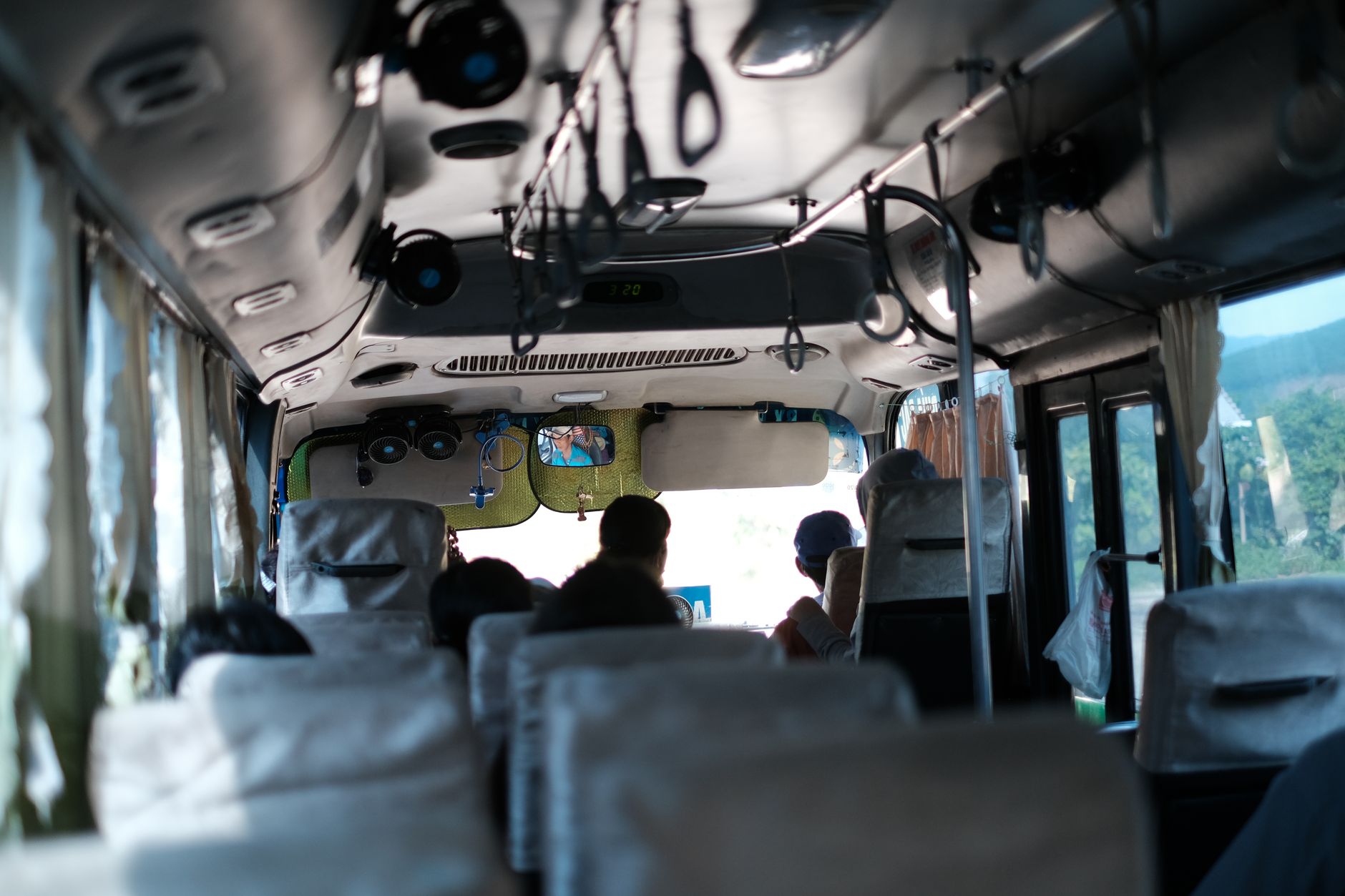
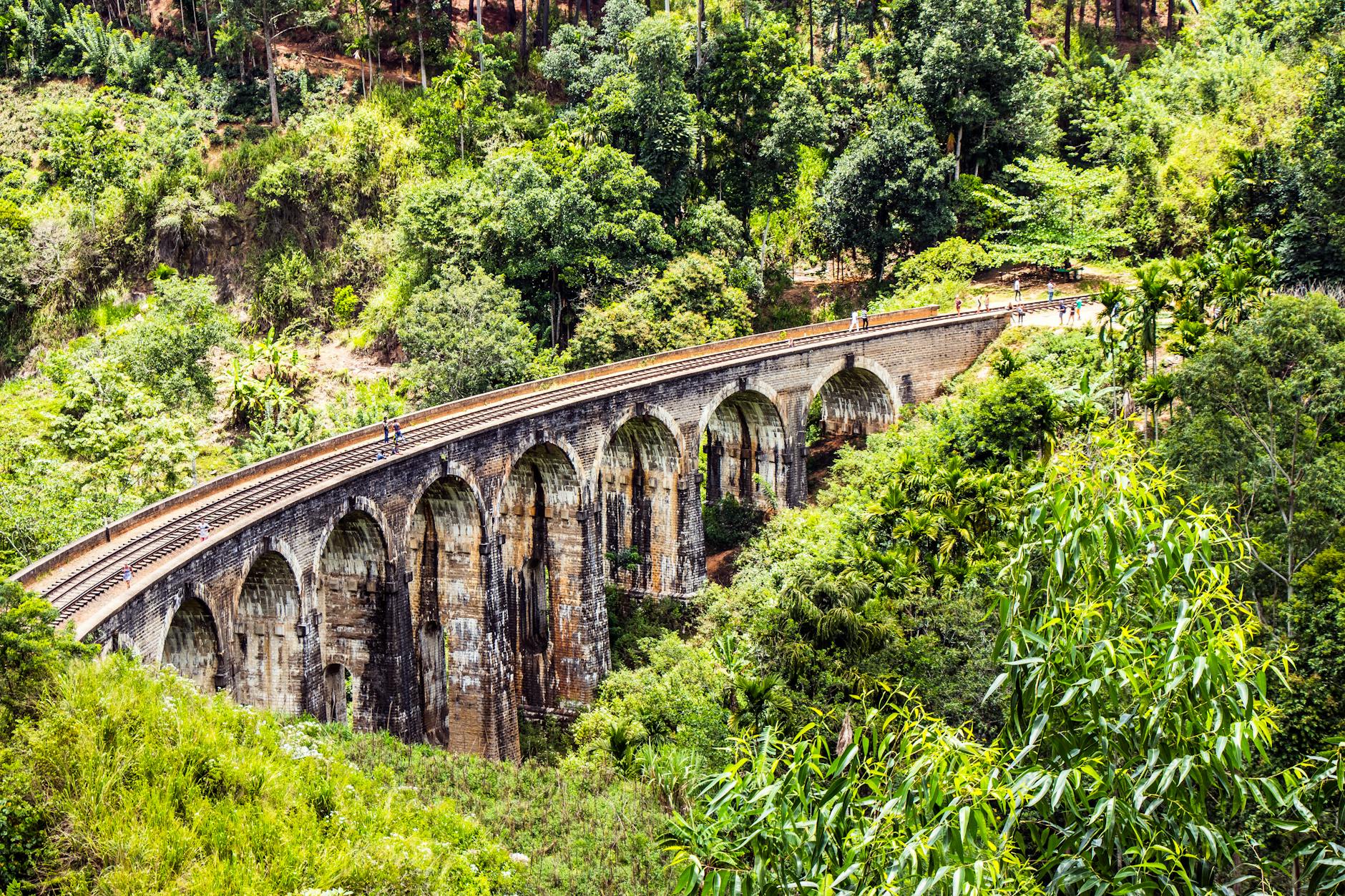
Trains are scenic and affordable, especially Kandy-Ella. Tuk-tuks for short distances, private drivers for flexibility.
Travel information
Before you go to Sri Lanka
✈️
Airports & entry
Fly into Colombo (CMB). Check visa requirements for your nationality before booking.
🗓️
Best trip length
Most visitors spend 10–21 days in Sri Lanka. Shorter trips work well for focused regions; longer trips let you explore more deeply.
🗺️
Regions to know
Sri Lanka has 4 distinct regions. Cultural Triangle and Hill Country are the most popular starting points for first-time visitors.
🚗
Getting around
Trains are scenic and affordable, especially Kandy-Ella. Tuk-tuks for short distances, private drivers for flexibility.
💡
Smart planning tip
Generate a personalised trip plan with Wayloha: just enter your budget, travel style and travel dates. Our AI reads 62 travel blogs to build your perfect route.
📋
Preparation guide
After generating your trip plan, Wayloha creates a full preparation guide, including packing list, visa info, SIM card tips, money advice and local customs tailored to your trip.
Travel inspiration
Sri Lanka in pictures
Real travel content from the community. See the latest photos, videos and stories from people who've already been.
Content is hosted on third-party platforms. Wayloha links to public hashtag pages and does not store any social media content.
Ready to visit Sri Lanka?
Tell Wayloha your travel style, budget and travel dates. We'll build your complete day-by-day trip plan. Your first draft is on your screen within a minute.
Booking.com affiliate links: Wayloha earns a small commission at no extra cost to you
Travel guide
All about Sri Lanka
Sri Lanka is a destination that overwhelms and enchants you all at once: tea plantations so green they vanish into cloud, temples where centuries of history breathe, and beaches where you're truly alone. This island proves you don't need to travel far to lose yourself completely.
Why go to Sri Lanka
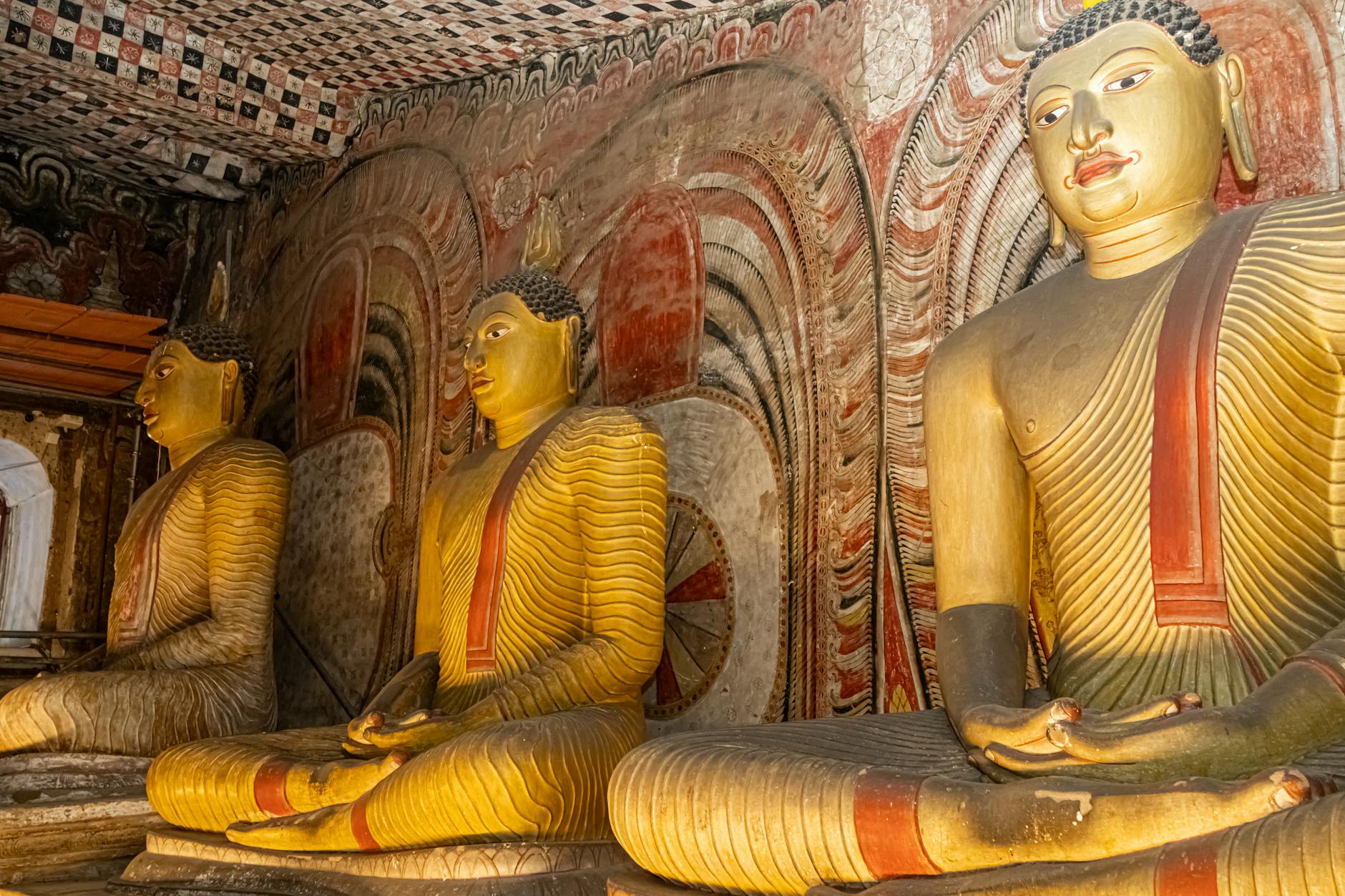
Sri Lanka feels like a secret not yet fully discovered. The destination offers such variety that it forms one coherent adventure: on the same day you can walk through misty mountain valleys and dip your feet in tropical ocean. The culture runs deep through thousands of years of history, visible in monuments like the ancient city of Anuradhapura, where you walk through ruins that tell more stories than many modern museums. For adventurous travellers, the island is a playground: you'll find everything from intense hikes to quiet coastal villages where tourism still moves gently, partly because many visitors never stray far from the beaten track. The blend of natural beauty, cultural depth and genuine encounters makes Sri Lanka compelling for those who want to truly travel through the country, not just pass through.
Pair famous spots like Ella with lesser-known areas for the fullest picture
Plan your route so you don't walk the same roads twice, since the island is compact enough
Respect local customs in temples and sacred places for deeper cultural connection
When to go to Sri Lanka
Weather shapes much of your Sri Lankan experience, and the island has two clear seasons you can control better than you'd think. The best time depends on which region pulls you in: the west and south enjoy dry weather from December to March, while the north and east peak from May to September. This doesn't mean you can only travel in these months. It always rains somewhere in Sri Lanka, but you'll avoid the heaviest monsoon downpours and the most gruelling traffic. Travel outside these periods brings real advantages: fewer tourists crowding places like Ella, cheaper accommodation, and more authentic contact with local communities. Many adventurous travellers time their visits for exactly this reason, and you won't be alone, just part of a different kind of journey.
Use the monsoon seasons for more privacy on many popular routes, since rain is rarely constant
December to March is the busiest season, so book guides and accommodation in advance
Look up local festivals and events, as they shift by region and season
Getting there and moving around
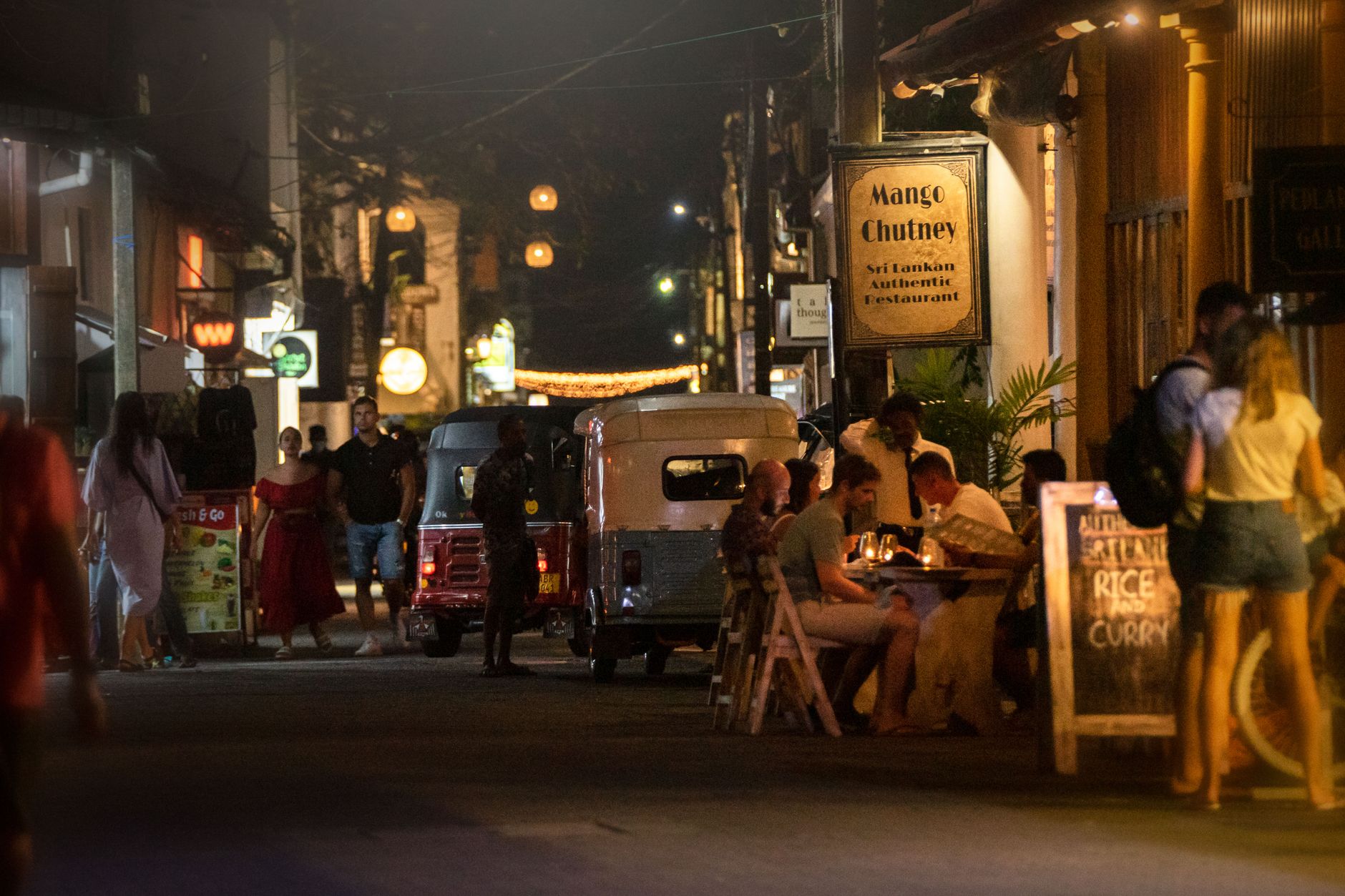
Sri Lanka is an island you reach by plane or sometimes by boat, but once you arrive it feels like stepping into a three-dimensional puzzle where each transport method has its own character. Colombo international airport is likely your entry point, and from here countless routes open up. For overland travel, train journeys are legendary, not for comfort but for the authentic feel of the island: you sit next to locals, watch landscapes roll past that no bus could show you, and reach places like Ella on routes that truly make you feel you're travelling. Buses are cheaper and reach more places, though they feel like a national experience in themselves. Tuk-tuks for shorter distances are unavoidable and can be surprisingly efficient once you speak the language of hand signals. If you're travelling with others, hiring a vehicle, though nothing like the fully equipped campervans available in Europe, can give you flexibility.
Book train tickets in local currency at stations for better prices than online advance bookings
Negotiate tuk-tuk fares before you get in, as prices can double with tourist numbers
Download offline maps because GPS connection in hill country is unpredictable
Highlights and hidden gems
Sri Lanka's famous destinations have earned their reputations, but they're not the only reason to go. Ella is known for its hiking trails and tea culture, and rightly so: the routes lead through landscapes that feel like green oceans. Arugam Bay on the northeast is one of those places where tourism sits lightly, especially outside peak season: it's a surfer's paradise that still feels quiet enough for anyone who just wants to watch the sea and think. Anuradhapura is for history lovers what Machu Picchu is for Peru travellers: not so much a single monument as an entire past you can wade through. The national parks, six of them standing out across Southeast Asia for their biodiversity, offer wildlife encounters without needing to go to Africa. And then there are the smaller villages and coastal areas that appear on no tourist map but give you the genuine feel of real Sri Lanka, where tourism hasn't yet become the economy.
Visit Ella early (before 8am) for fewer crowds on popular hiking trails
Arugam Bay is better in warm season when surfers arrive, yet the quiet months feel undiscovered
Hire a guide in Anuradhapura for stories you wouldn't find in any travel book
Practical information for your trip
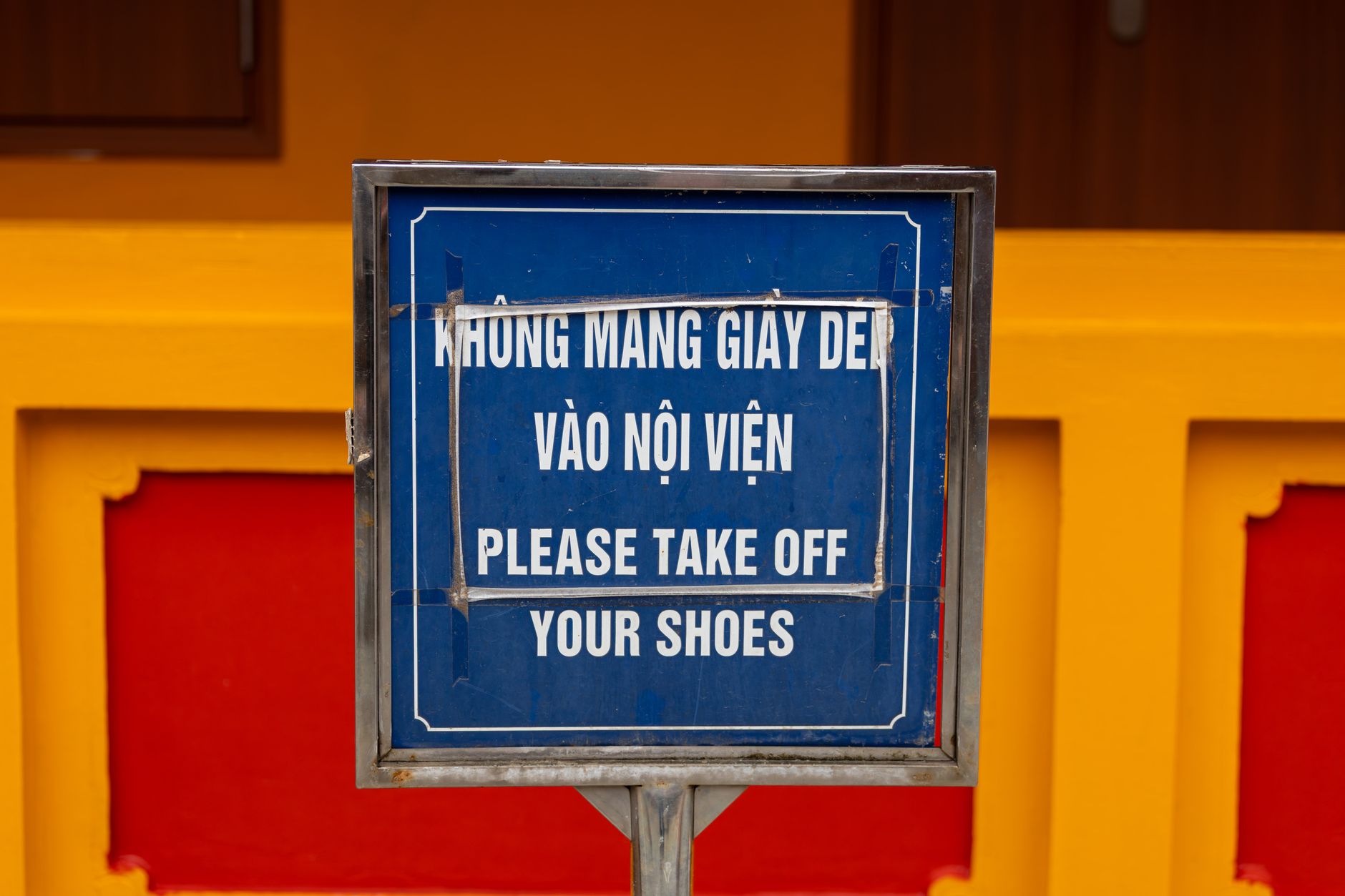
Sri Lanka is affordable for many European travellers: your money stretches further. But precise numbers help more than broad statements. Street food costs sometimes less than a euro, hostels range from five to twenty euros a night, and guide services run about twenty to thirty euros for a full day. The local language is Sinhala, though English spreads widely in tourist areas and among younger people, so you'll be able to get by. Tamil is also spoken in certain parts of the island. For safety: Sri Lanka is generally safer than many travel destinations across Asia and Central America, though common sense applies everywhere: don't carry large amounts of cash, watch your belongings in busy bus stations, and be cautious with new friends who immediately need your financial help. Sinhala culture values respect and courtesy, so removing shoes when asked, wearing covered clothing in temples, and avoiding physical contact between men and women isn't just sensible, it's polite.
Exchange money in Colombo and larger cities - small villages have limited exchange options
Learning one simple phrase in Sinhala opens doors that English won't
Bring medicines from home - pharmacy stock is thin outside major cities
Generated from 2 travel guides and experiences · Sources