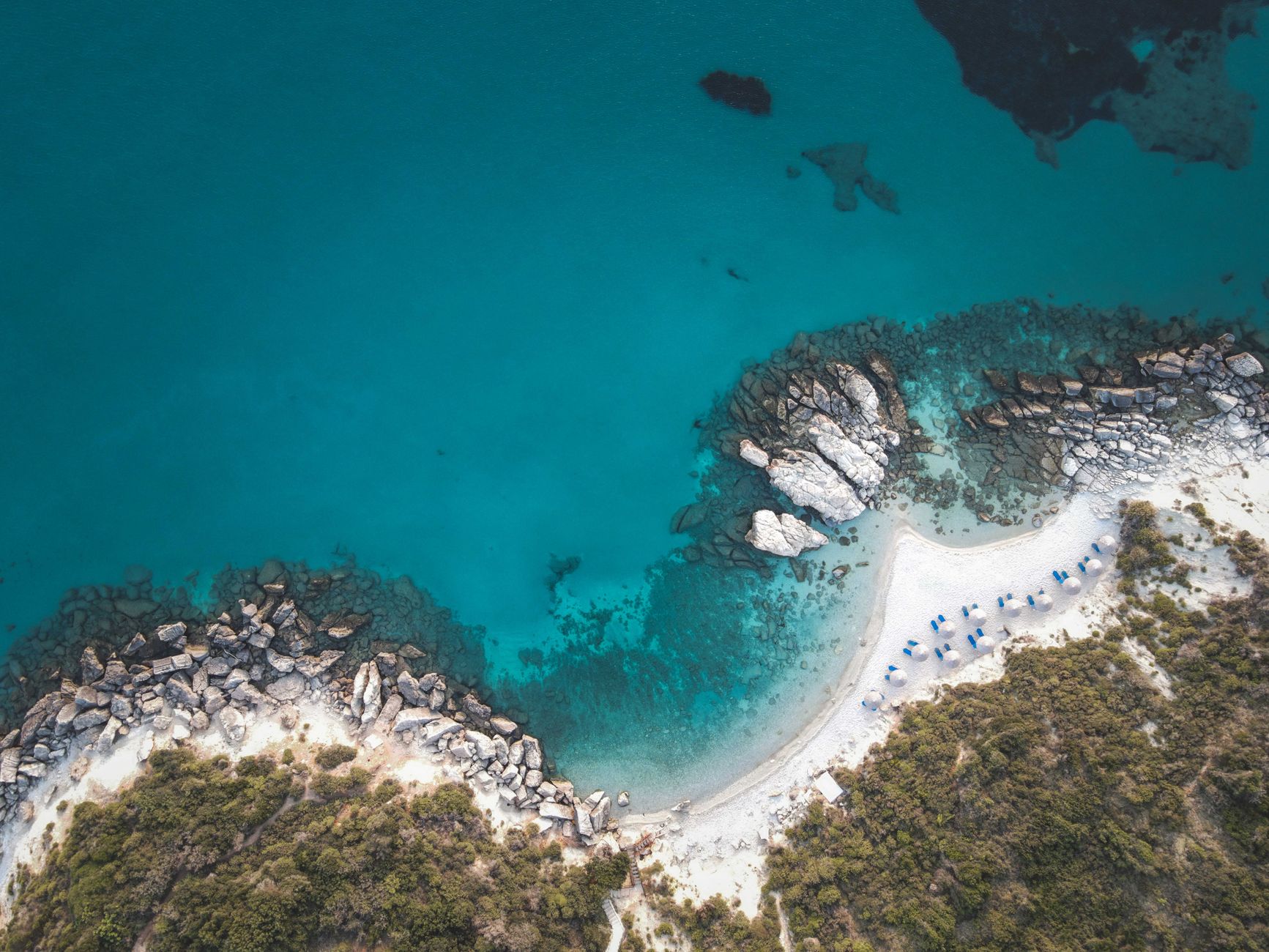
Palolem Beach, crescent-shaped bay with calm waters and beach huts
2
Old Goa churches. UNESCO Basilica of Bom Jesus and Sé Cathedral
3
Saturday Night Market at Arpora, live music, food stalls, and crafts
4
Dudhsagar Falls, a four-tiered waterfall in the jungle (monsoon season)
5
Anjuna flea market and the Chapora Fort (Dil Chahta Hai fort)
6
Fresh seafood at a beach shack. Goan fish curry, prawn balchão, feni
Local tip
Before you go to Goa
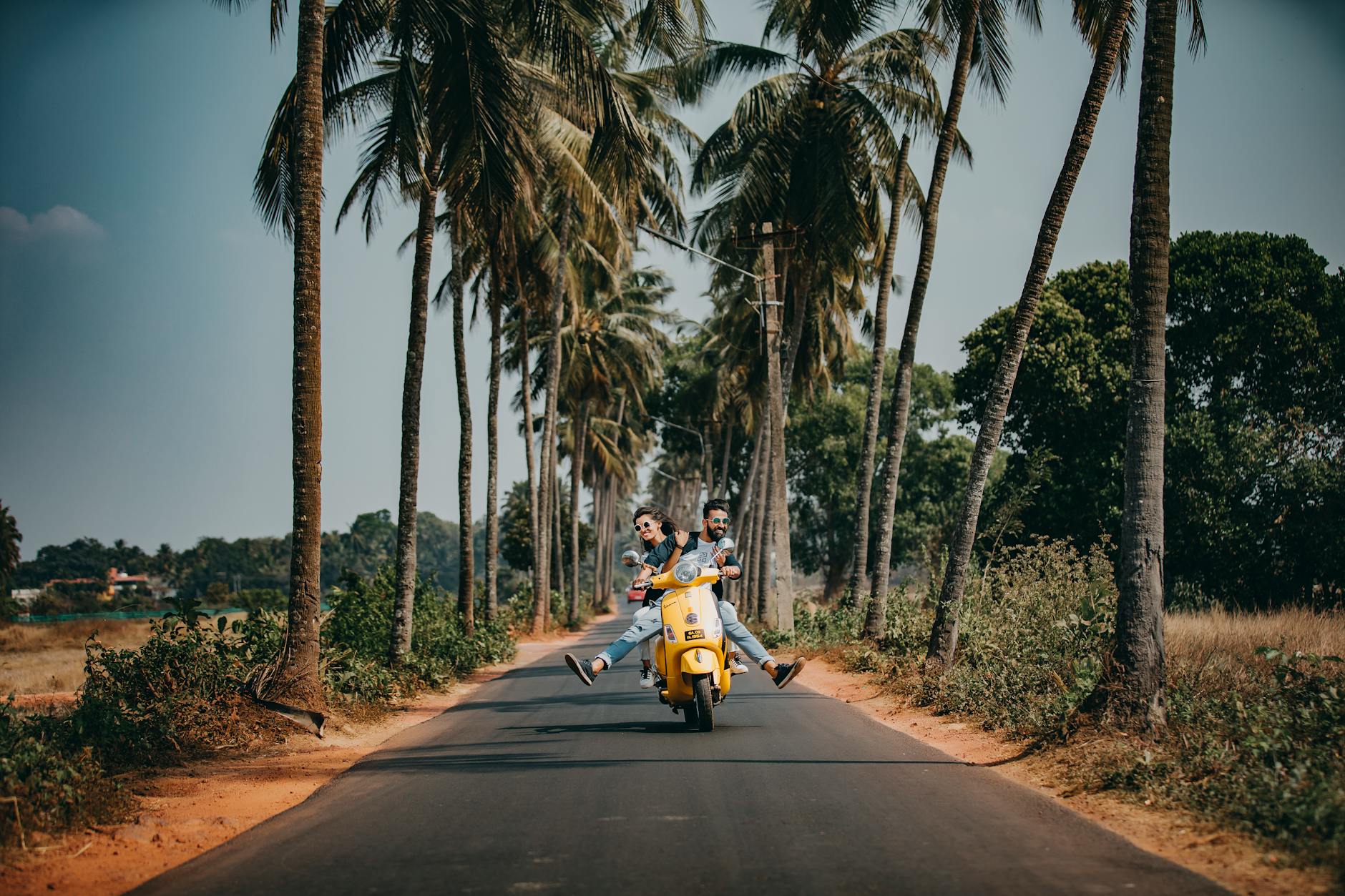
North Goa is for parties and backpackers, South Goa is quieter and more upscale. Rent a scooter, it's the Goan way of getting around. Season: November, March.
Content is hosted on third-party platforms. Wayloha links to public hashtag pages and does not store any social media content.
Ready to visit Goa?
Tell Wayloha your travel style, budget and travel dates. We'll build your complete day-by-day Goa trip plan. Your first draft is on your screen within a minute.
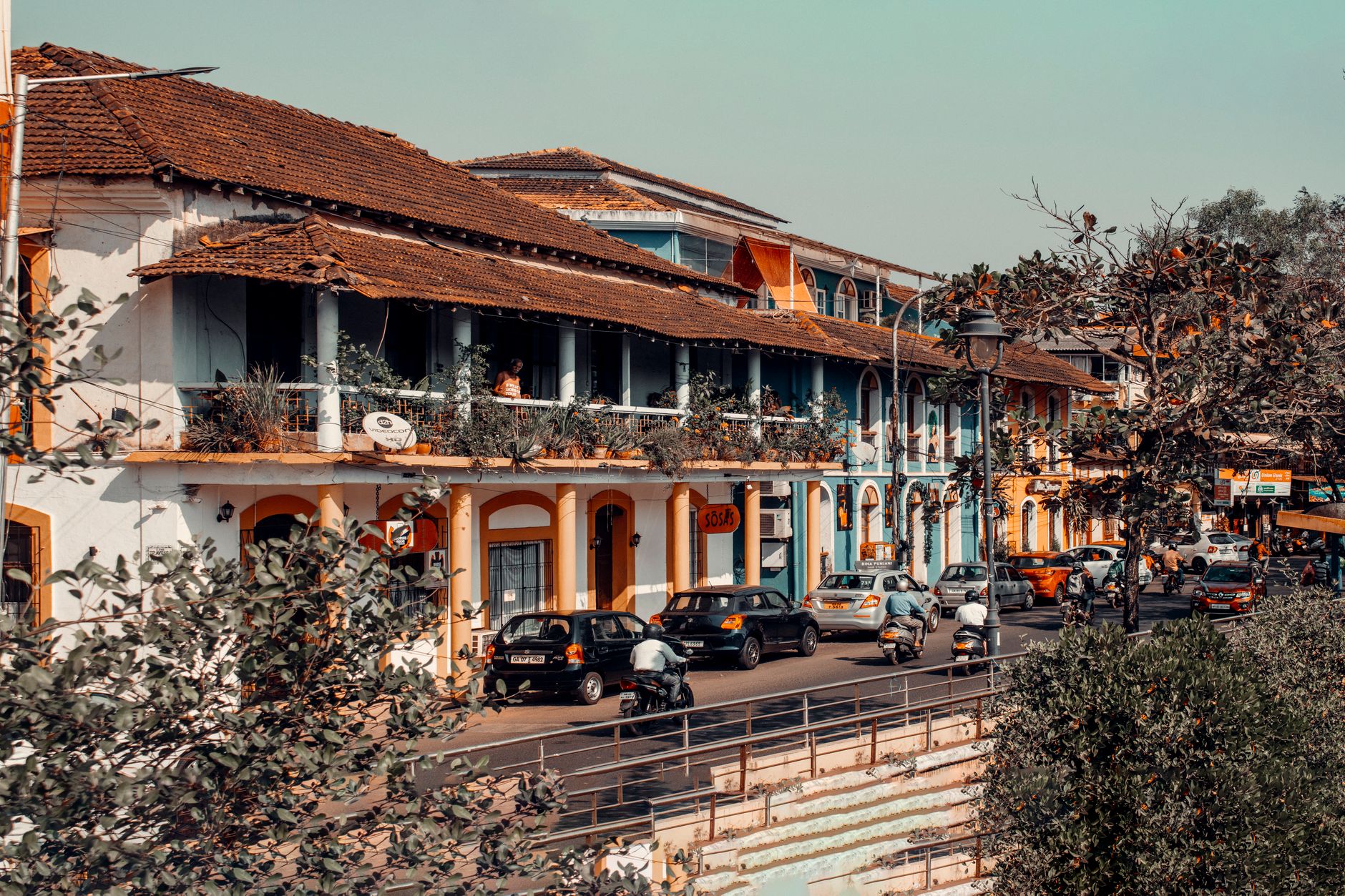
Goa is not just a destination - it's a feeling that pulls you back to yourself. With its lush palm trees, colonial architecture and unfiltered lifestyle, this Indian state offers a different side of the subcontinent than you'll find anywhere else.
Why visit Goa
Goa attracts travellers looking for something authentic, not the well-worn tourist trail. This former Portuguese territory breathes a unique blend of Indian and colonial influences, something you'll feel in everything you do, from the food to the architecture. The state offers a perfect balance: you can spend days on empty beaches where you can truly relax, then explore lively markets and quiet village squares where locals go about their daily lives. Unlike crowded, expensive tourist hotspots, Goa gives you value for money without the feeling of being pushed along by crowds. This combination of natural beauty, cultural richness and affordability makes it a place where you truly find yourself.
Avoid the biggest tourist clusters and explore smaller beaches and villages instead - this is where you'll find the real Goa
Plan at least two weeks if you want to experience it all: beaches, culture, food and nature
Talk to locals and people you meet along the way - they'll point you to the best hidden spots
When to visit Goa
The weather largely shapes your experience in Goa. The best time to go is between December and March, when temperatures are pleasant and the rain stays away. During these months, you can spend whole days on the beach without sudden showers ruining your plans. The air is clear and clean, which means sunsets are spectacular and perfect for photos. After March, temperatures climb sharply, and from June to September the monsoon hits - appealing if you want empty beaches, but not for everyone. October and November are a preview of peak season: the weather is decent, but the first tourists start to arrive. Keep in mind that December and January are the busiest months, so if you want calm without total solitude, February and March are your best bet.
Book your accommodation at least two months ahead for the December to March period
If you travel off-season (April to November), you can negotiate much better prices for hotels and activities
May and June are the hottest months, but also when local festivals take place - perfect for a cultural deep dive
How to get there and get around
Most international travellers land at Dabolim Airport (GOI), which serves all three terminals and offers direct flights from European cities. Once you set foot on Goan soil, you'll have several ways to get around. Taxis and chauffeured cars are the safest option, especially if you're not used to Indian traffic rules. You can arrange these in advance through your hotel or apps like Uber, though they're less reliable in remote areas. Renting a scooter gives you maximum freedom if you're comfortable with left-hand traffic and unusual road habits - plenty of travellers do this and swear by it. For longer distances between villages, local buses are cheap and authentic, though they can get crowded. The main road - the national highway along the coast - connects North and South Goa efficiently. Plan at least two weeks if you want to properly explore North Goa, central Goa and South Goa without wearing yourself out.
Hire a car with a driver for at least a few days - you get local knowledge thrown in for free, and you get to relax
Download offline Google Maps before you arrive, since the internet connection can be unreliable
Avoid driving after sunset, since the roads are poorly lit and Indian traffic gets even more chaotic at night
Top experiences and unmissable moments
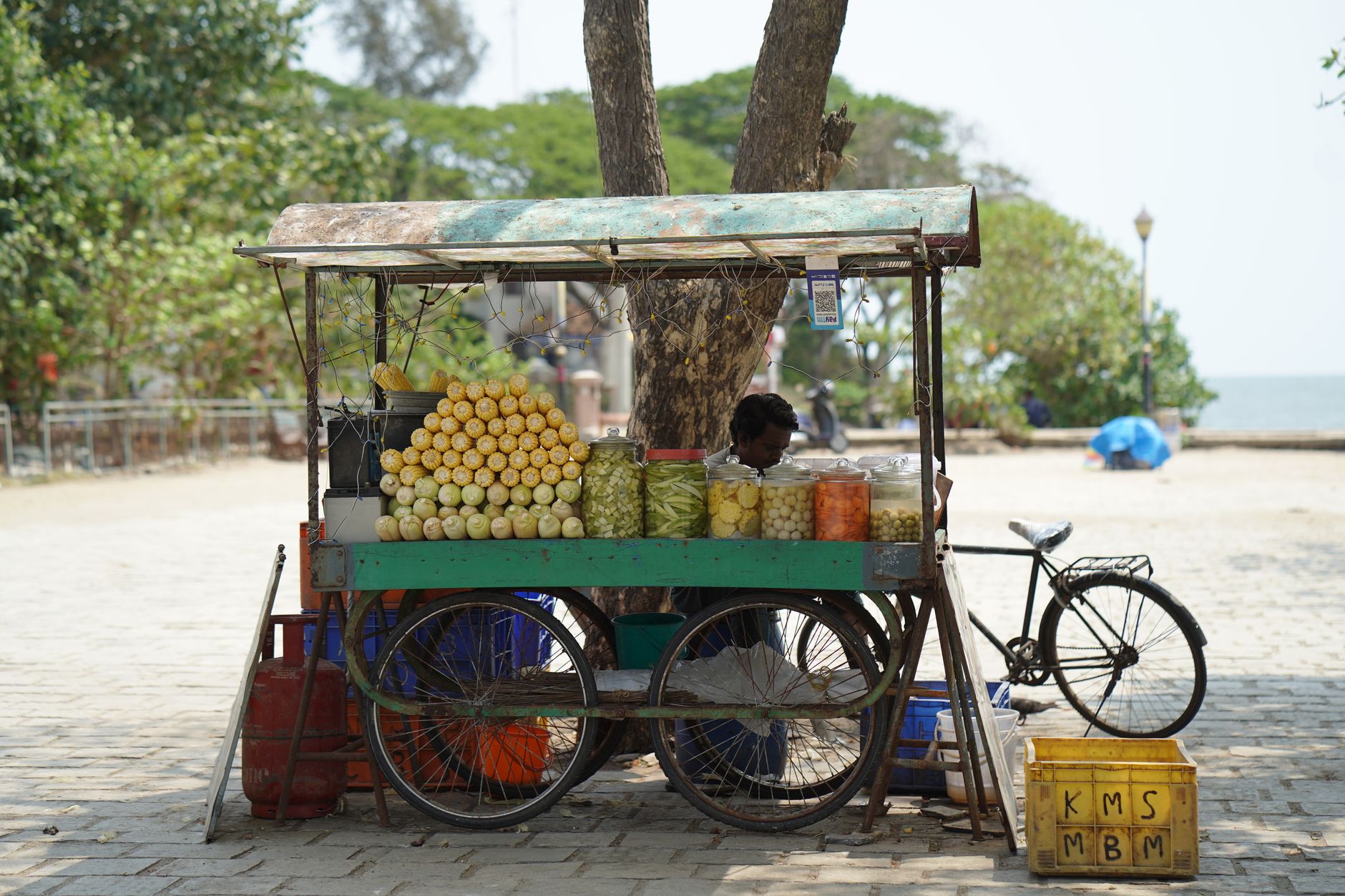
Start with what Goa is famous for: its beaches. This isn't something you should over-plan, though - the whole point of the Goa beach experience is staying flexible. Discover small coves where you'll rarely spot other tourists, swim in clear water, and enjoy fresh fish that local restaurants bought that same morning. Beyond the sand lies Goa's real treasure: its food scene. This isn't standard Indian cooking. Thanks to Portuguese colonisation and its geography, Goa has a culinary identity you won't find anywhere else in India. Visit local markets, not tourist menus, and ask what's fresh that day. Try the coconut-rich curries, fish dishes cooked in coconut milk, and unique spice blends. Further from the beaches, you'll find villages with red-tiled colonial architecture - visually stunning and untouched by tourism. Spend a morning at the quiet churches and Hindu temples scattered across the landscape. If you want a bit more adrenaline, try local activities: deep-sea fishing doesn't just give you a chance to catch something, it also gives you solitude on the water and views you won't get anywhere else.
Don't book restaurants ahead in small villages - just walk in and see where locals eat
Ask local guides to take you to quiet temples and churches, since their stories add real context
Make time for doing nothing - a lot of Goa's magic happens when you have no plan at all
Practical tips and essential information
Goa is affordable: meals at local restaurants cost around 100-300 Indian rupees ($1-4 USD), and decent hotel rooms go for 800-2,000 rupees ($10-25 USD) outside peak season. In tourist areas, you'll pay more, sometimes two to three times as much. Indian rupees are essential - ATMs are widespread in towns, but harder to find in villages. Many locals speak English, especially in hospitality and tourism, so communication is less of a hurdle than in other Indian states. Goa is safer than many Indian regions, especially for solo travellers and women, but take the same precautions you would anywhere: trust your instincts, avoid isolated spots late at night, and keep your valuables secure. Tap water isn't safe for non-Indians, so stick to filtered or bottled water. Minor cuts and stomach trouble can happen, so a basic first-aid kit and something for an upset stomach come in handy. Illnesses like dengue fever are rare but possible, so protect yourself against mosquitoes. One last thing: you don't need a rigid schedule. Goa rewards flexibility and spontaneity.
Withdraw cash in the bigger towns, since many small restaurants don't accept cards
Say yes to invitations from locals - this is how you experience the real Goa, and it's probably where your best memories come from
Respect local customs: dress modestly away from the beach, and take off your shoes before entering temples
Generated from 2 travel guides and experiences · Sources