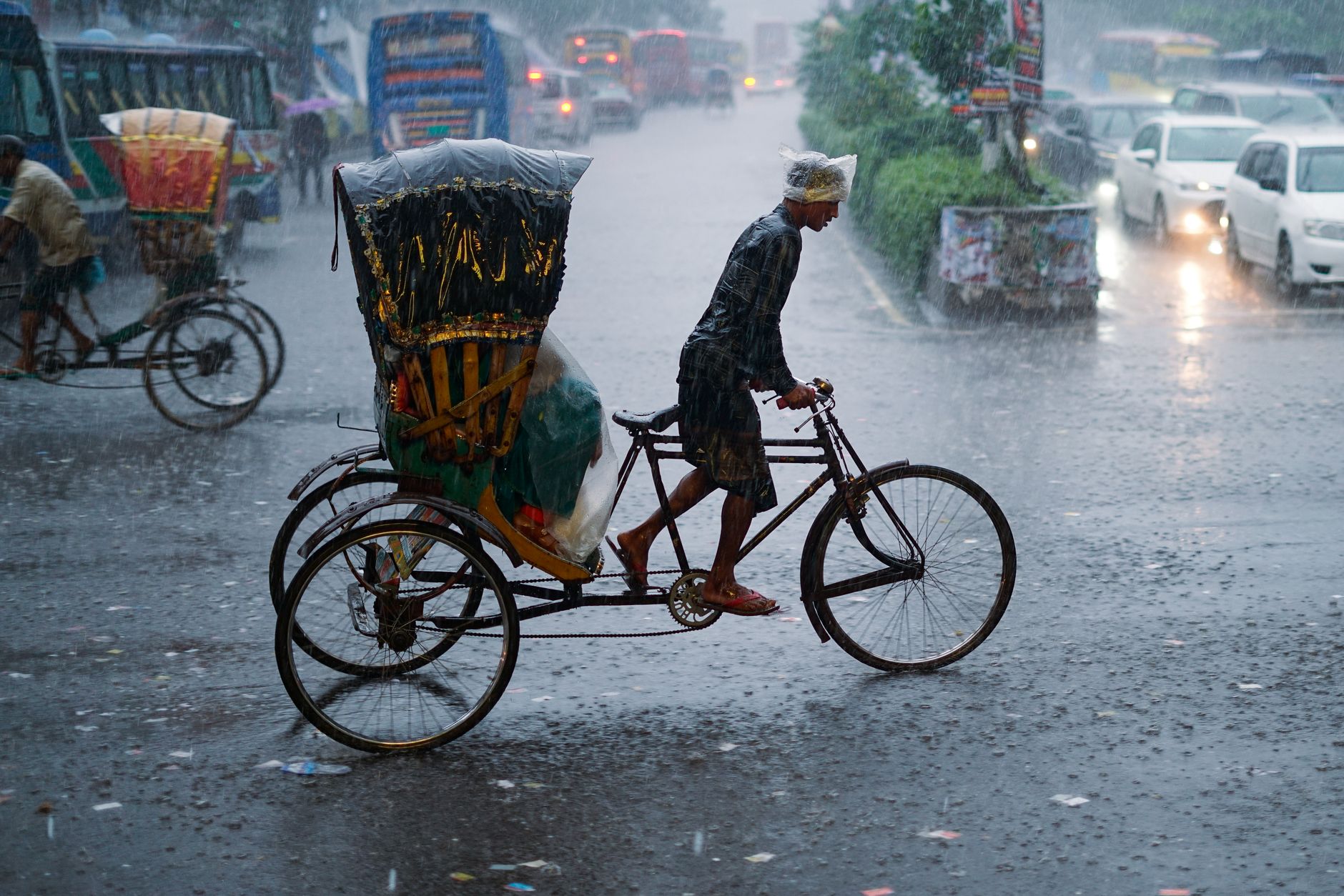
Private driver is the best way to travel India. Trains are an experience (book AC classes). Domestic flights between regions.
Travel information
Before you go to India
✈️
Airports & entry
India has 6 major international airports. Consider Delhi (DEL) as your main entry point, or fly in and out from different cities to see more.
🗓️
Best trip length
Most visitors spend 7–21 days in India. Shorter trips work well for focused regions; longer trips let you explore more deeply.
🗺️
Regions to know
India has 4 distinct regions. Rajasthan & North and Delhi & Golden Triangle are the most popular starting points for first-time visitors.
🚗
Getting around
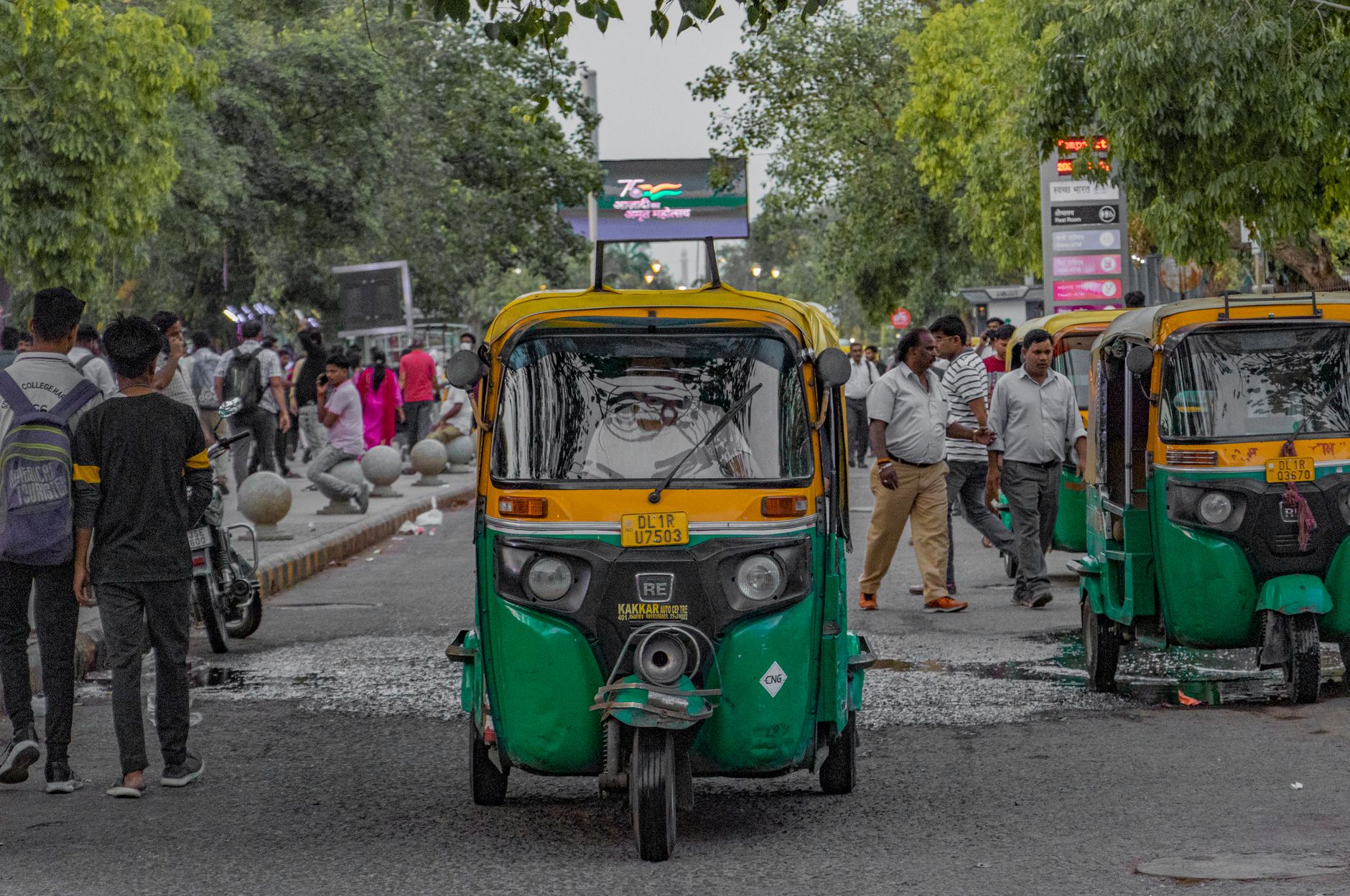
Private driver is the best way to travel India. Trains are an experience (book AC classes). Domestic flights between regions.
💡
Smart planning tip
Generate a personalised trip plan with Wayloha: just enter your budget, travel style and travel dates. Our AI reads 62 travel blogs to build your perfect route.
📋
Preparation guide
After generating your trip plan, Wayloha creates a full preparation guide, including packing list, visa info, SIM card tips, money advice and local customs tailored to your trip.
Travel inspiration
India in pictures
Real travel content from the community. See the latest photos, videos and stories from people who've already been.
Content is hosted on third-party platforms. Wayloha links to public hashtag pages and does not store any social media content.
Ready to visit India?
Tell Wayloha your travel style, budget and travel dates. We'll build your complete day-by-day trip plan. Your first draft is on your screen within a minute.
Booking.com affiliate links: Wayloha earns a small commission at no extra cost to you
Travel guide
All about India
India is a land where ancient traditions collide with modern energy, where the chaos of bustling cities gives way to serene spiritual spaces, and where each region tells a completely different story. This subcontinent draws travellers seeking genuine connection, culinary adventure and personal transformation.
Why you should go to India
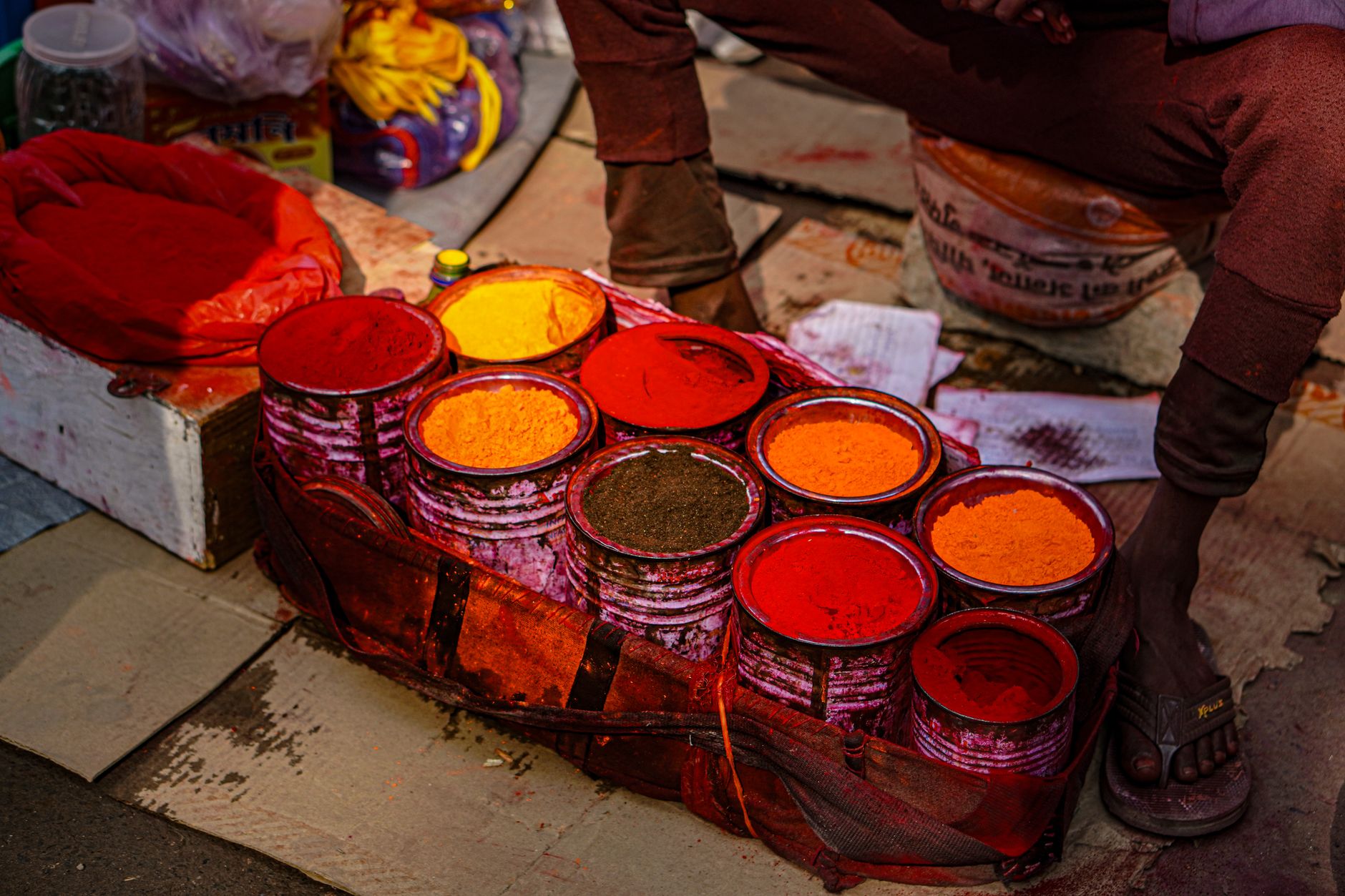
India speaks to the soul in a way few other destinations do. This country is a kaleidoscope of religions, languages and traditions that coexist and merge into a unique cultural blend. You don't just encounter tourist highlights here. You also stumble upon everyday wonders: the smell of spices at local markets, the colour of saris in every shade imaginable, and the melodies of traditional music drifting through narrow lanes. For many, a trip to India becomes a transformative experience that shifts your perspective on life itself. The country invites you to slow down, notice more and rediscover yourself against the backdrop of ancient temples, sacred rivers and welcoming faces.
Prepare yourself for sensory overload: India is intense, and that's exactly where its magic lies
Make sure you have enough time; superficial tourism doesn't do India justice
Stay open to unexpected encounters: many of your best memories will happen outside your planned itinerary
When to travel to India
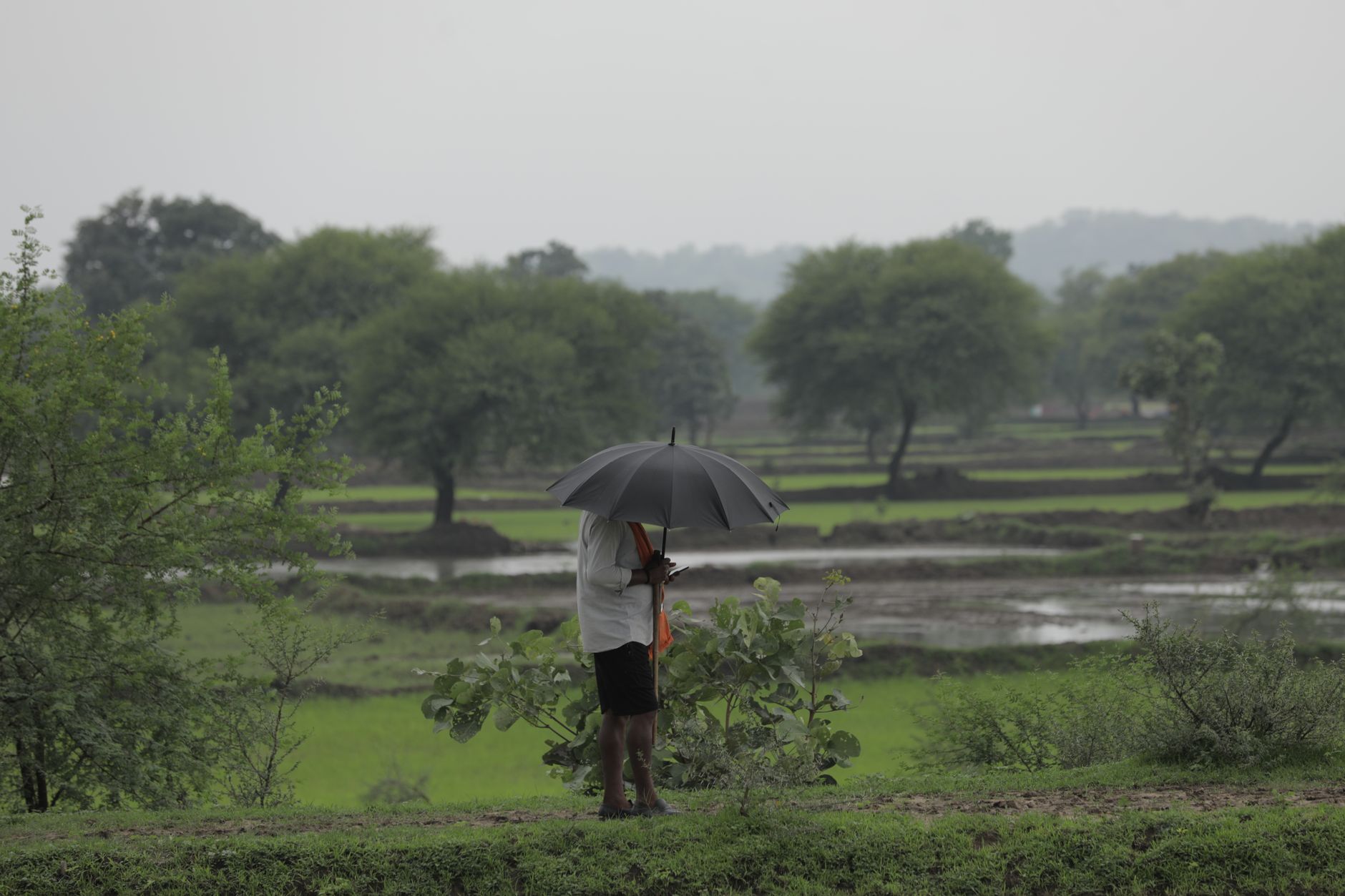
India's climate varies drastically depending on region and season, so timing matters for a comfortable trip. The dry season from October to March offers the best travelling conditions with pleasant weather and clear views of monuments. This is also peak tourist season, though, especially around festivals like Diwali. The summer months from April to June are hot and humid, and most travellers avoid this period. The monsoon season from June to September brings spectacular downpours and a lush landscape, but can complicate transport and activities. If you want to dodge the crowds while still enjoying good weather, March and September are excellent choices. The country pulses with cultural festivals year-round. Find out in advance which rituals and celebrations fall during your planned visit, because this enriches your experience immensely.
October to November is ideal: perfect weather and not quite peak season
Avoid August and September for trekking in mountain regions due to heavy monsoon rains
Plan around local festivals if you want to participate in ceremonies: bookings fill up quickly
How to get there and move around
India's transport network is extensive but needs some planning to get the most from it. Most international travellers arrive via Delhi, Mumbai or Bangalore airports. Once in the country, you have several options: trains are India's backbone and offer an authentic, affordable way to travel, though they can be crowded and don't always run on schedule. Domestic flights have become cheap and convenient for longer distances. In cities you can choose from cars with drivers, tuk-tuks, buses and in some places local taxis or ride-share apps. Many travellers hire a car with a local driver, which is safer and gives you insight into local driving culture. For serious backpackers, long bus journeys are a classic, though comfort levels vary widely. The basic rule: plan attractions in advance, be patient with delays, and enjoy the journey itself, not just the destination.
Book train tickets at least a week ahead via the official IRCTC website for better availability
Turn off your mobile data before booking vehicles to avoid unexpected roaming charges
Trust local knowledge: hotels and hostels usually give reliable transport advice
Essential experiences in India
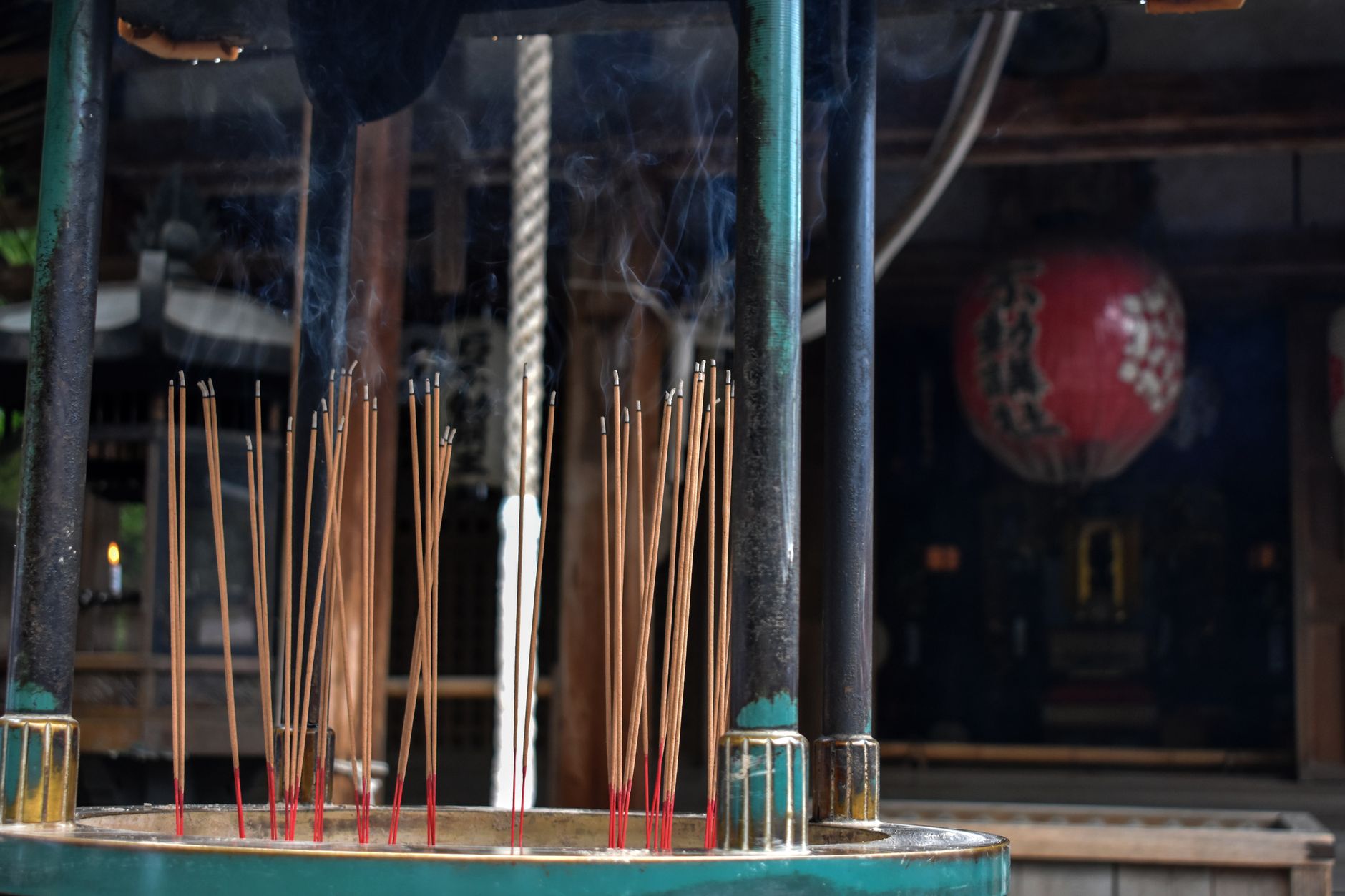
India's highlights reach far beyond the usual tourist circuits. Of course the Taj Mahal in Agra is unmissable, but many travellers also miss equally essential experiences because they don't dig deep enough. Visit local temples where tourists don't wander: here you experience real spirituality and often get invited by locals for tea or meals. Explore Kerala's backwaters by boat, gliding through serene waterways surrounded by palm trees and village life. India's markets, whether in Delhi, Mumbai or Jaipur, are sensory spectacles where you meet the real India. Move beyond Rajasthan's palace tourism to authentic mountain villages where foreign visitors are rare. For the spiritually inclined: a meditation retreat, yoga in Rishikesh or a visit to Varanasi's ghats at dawn transforms your perspective on life and death.
Say yes to unexpected invitations: hospitality to strangers runs deep in Indian culture
Avoid peak hours at popular monuments by going early or returning after sunset
Hire local guides who reveal stories and access to places solo travellers miss
Practical travel guide and etiquette
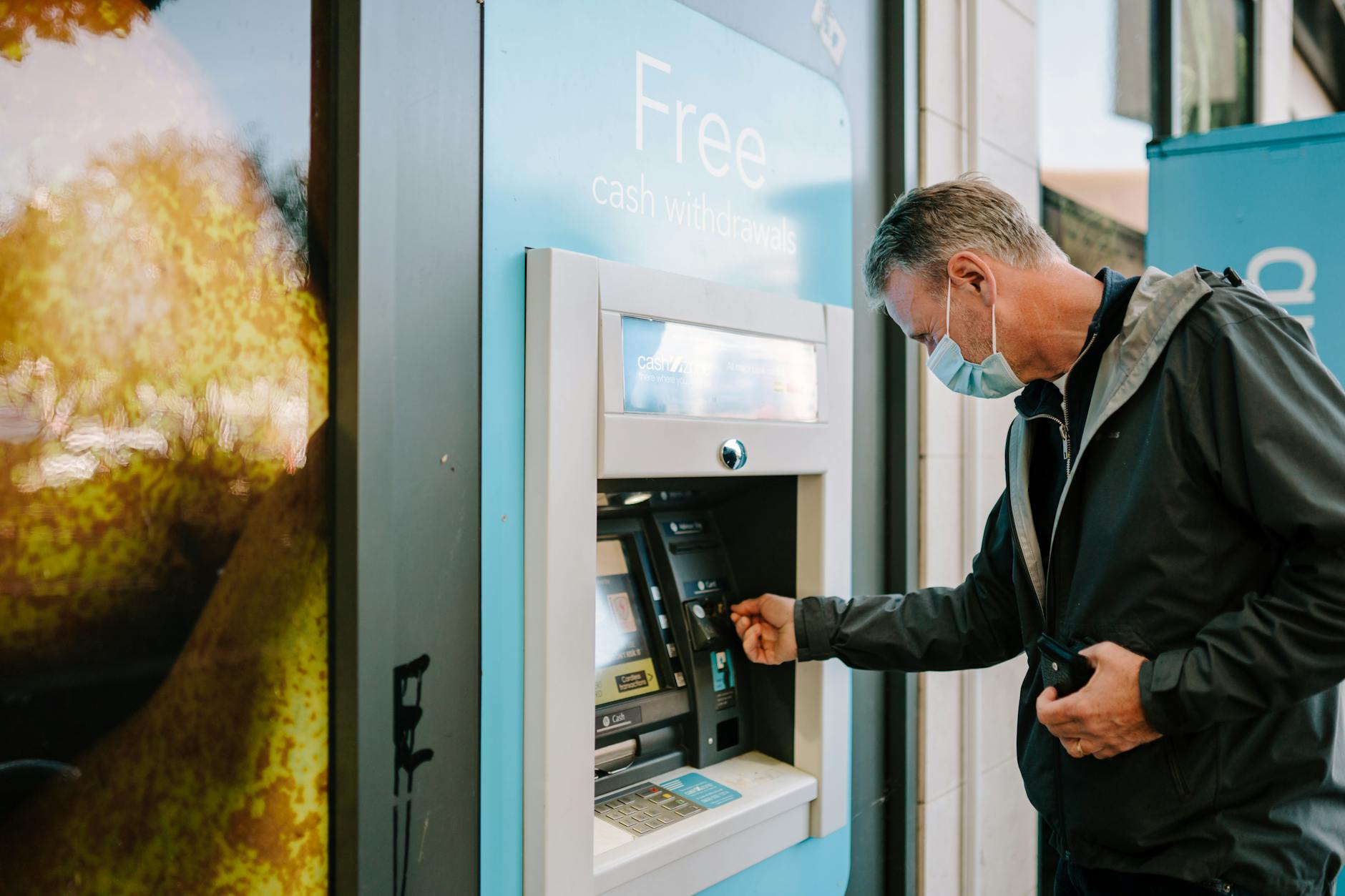
Preparation is essential for comfortable travel in India. You need a visa; for many nationalities this is an e-visa that can be obtained online in minutes. The currency is the Indian Rupee (INR), and ATMs are widespread in cities, but carry cash in rural areas. Infectious diseases are a real risk: arrange vaccinations beforehand and drink bottled water rather than tap water. Dress respectfully, especially in religious places: cover your shoulders and knees, and remove your shoes in temples. Indian food is largely vegetarian-friendly, but hygiene varies; eat where locals eat and avoid raw fruit you haven't peeled yourself. English is widely spoken in cities and tourist areas, but learning basic Hindi or local languages opens doors. Finally: India is safe but requires common sense. Trust your instincts, protect your valuables, and prefer travelling with others to going alone in unfamiliar areas, especially at night.
Wear loose, breathable cotton: synthetic fabrics feel uncomfortable in Indian heat
Carry a water purification stick or tablets: they can save you from water-related illnesses
Learn a few basic phrases in Hindi or local languages: this opens hearts and eases negotiations
Generated from 12 travel guides and experiences · Sources