Amber Fort, ride up to the hilltop palace complex with mirror rooms
2
Hawa Mahal (Palace of Winds), the iconic pink sandstone façade
3
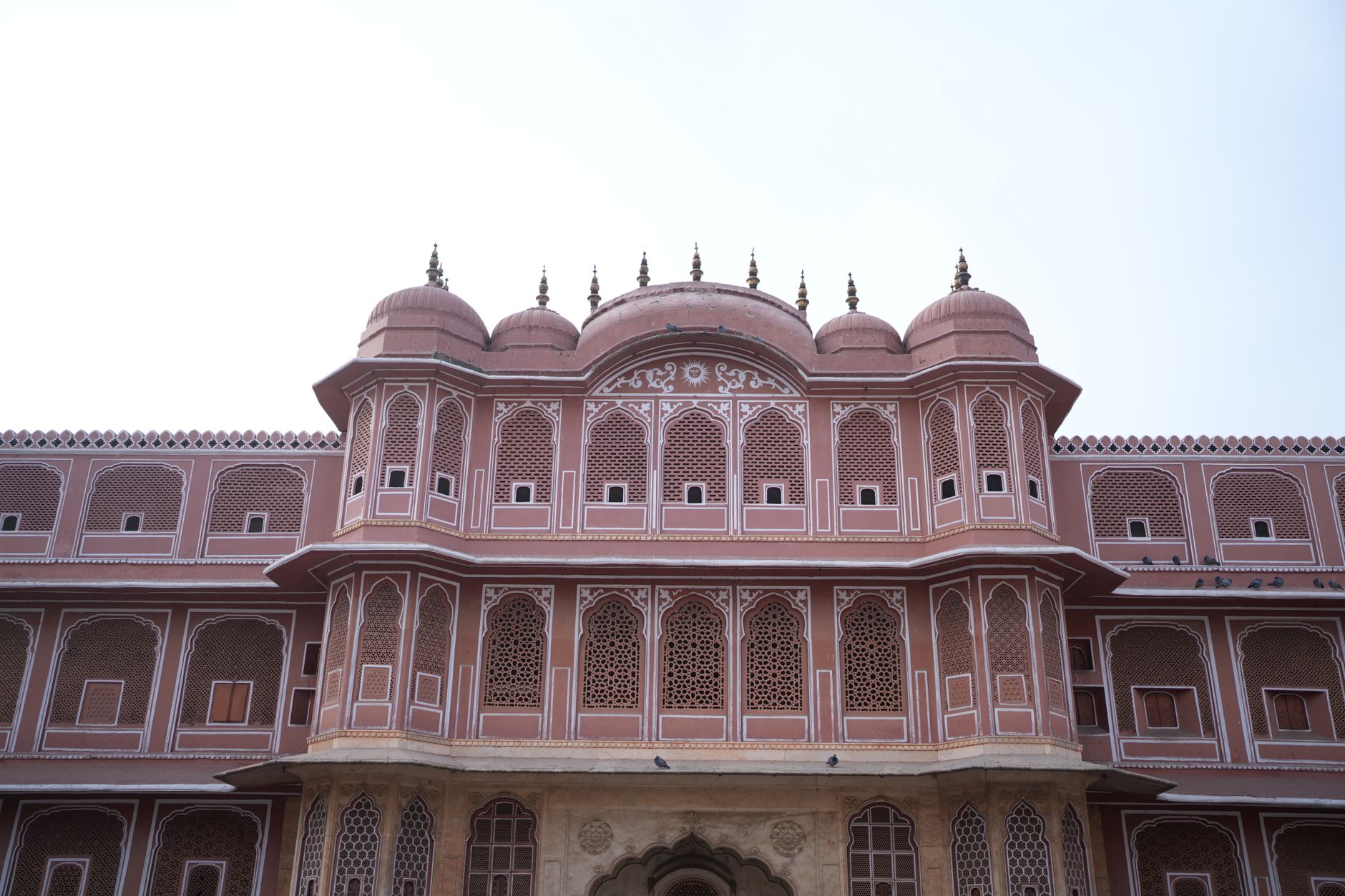
City Palace, still partly occupied by the royal family
4
Jantar Mantar, the world's largest stone astronomical instruments
5
Bazaar shopping: block-printed textiles, jewellery, and leather at Johari Bazaar
6
Chokhi Dhani, a Rajasthani village experience with folk dance and thali dinner
Local tip
Before you go to Jaipur
Jaipur is part of the Golden Triangle (Delhi, Agra, Jaipur). Hire a private driver for day trips to Amber Fort and the step wells, it's extremely affordable.
Content is hosted on third-party platforms. Wayloha links to public hashtag pages and does not store any social media content.
Ready to visit Jaipur?
Tell Wayloha your travel style, budget and travel dates. We'll build your complete day-by-day Jaipur trip plan. Your first draft is on your screen within a minute.
Jaipur is where royal grandeur meets modern energy, in a kaleidoscope of pink sandstone. As one of the three corners of India's Golden Triangle, and the only truly planned city on the Indian subcontinent, this metropolis combines centuries of heritage with the buzz of a lively modern city.
Why visit Jaipur
Jaipur charms visitors with a unique mix of architectural beauty, rich history and cultural vitality that you rarely find together in one place. The city plan itself is proof of architectural vision: designed in 1727 by Jai Singh II and Vidyadhar Bhattacharya according to the principles of Vastu Shastra, Jaipur is laid out in nine harmonious blocks that combine state buildings and public spaces with precision. But what sets the city apart most is its colour: since 1876, Jaipur has worn this distinctive mark of hospitality. This city-wide colour scheme creates a visually rich setting that catches your eye instantly and stays with you long after.
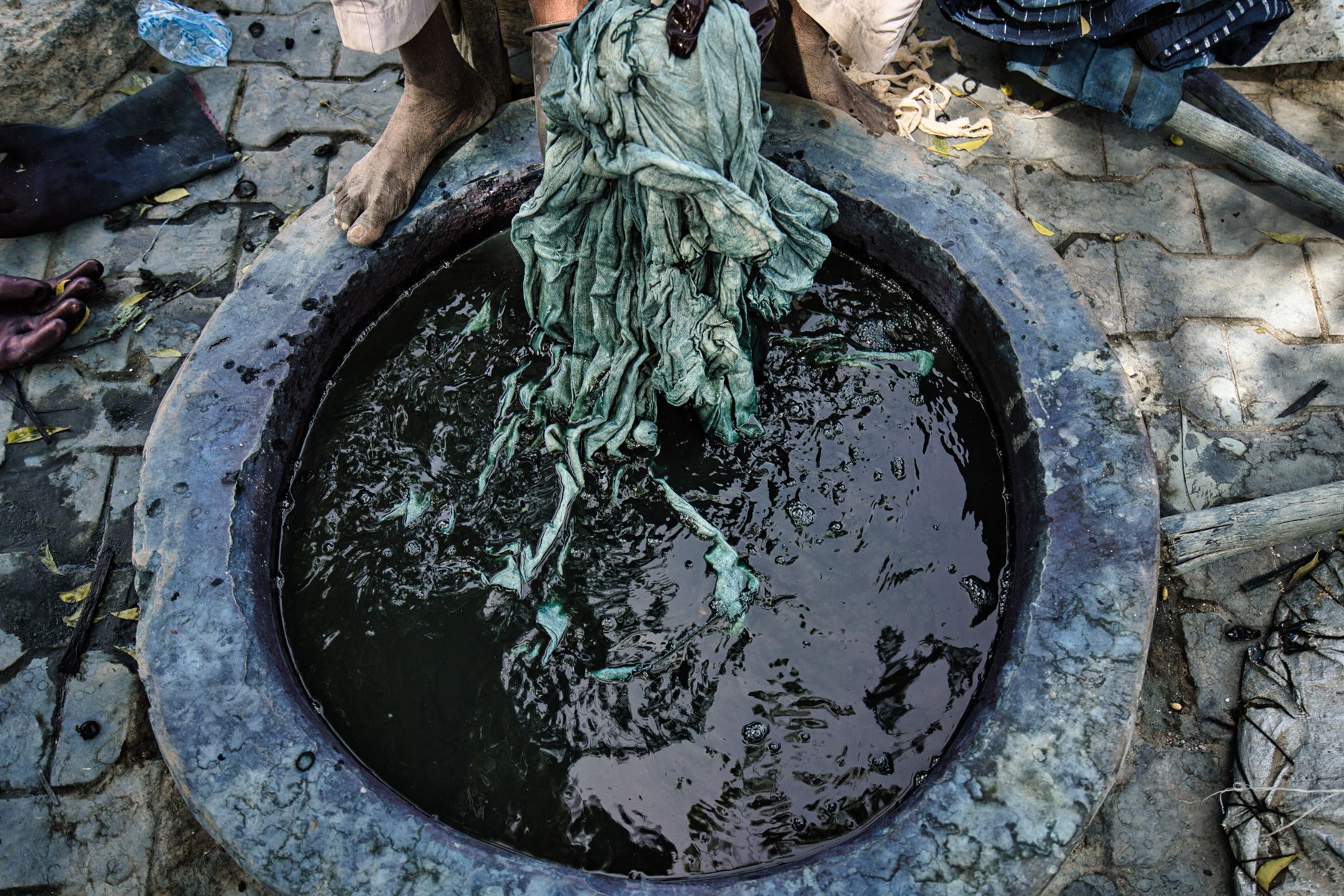
Beyond the surface lie real experiences that touch the soul. The city holds three forts and more than five palaces, each with stories of royal splendour and strategic importance. At the same time, Jaipur is a lively hub for craftspeople and artisans, after all, it's India's emerald market and the heart of traditional block-printing, where artists still use natural dyes in processes that are generations old.
Visit the city with a guide who can explain the architecture; the Vastu Shastra layout means so much more once you see it through an expert's eyes
Get to the bazaars early in the morning, when the energy and authenticity are at their best, and you'll dodge the midday heat
Set aside at least three days; this city deserves more than a quick stopover
When to go
Jaipur's climate shapes your visit almost as much as your interests do. The summer months from April to June are tough: temperatures regularly climb above 42°C, which makes walking and exploring outdoors difficult. May and June are even hotter, with maximum temperatures of 44.8°C and 44.2°C. January and February, on the other hand, are ideal: temperatures range comfortably between 3.5°C at night and 31.8°C during the day, perfect for walking and exploring in comfort. October and November also offer pleasant conditions, with temperatures around 15°C at night and 33-37°C during the day.
The cultural calendar makes certain seasons especially exciting. The Jaipur Literature Festival, the world's largest free literary festival, draws visitors from all over to the city. The Gangaur Festival, celebrated in March, the Teej Festival in July/August, and the Kite Festival around January bring local traditions to life with dance, music and colourful rituals. Avoid the monsoon from July to September, because of unpredictable rainfall and high humidity.
Plan your trip for January-February or October-November for ideal walking conditions and far fewer tourists
Check the dates of the Jaipur Literature Festival if you're into culture and literature; it draws writers from India and abroad
Keep a pair of old shoes ready if you travel during the monsoon; streets can suddenly turn muddy
Getting there and around
Jaipur is easy to reach for many travellers, thanks to its extensive transport network. Jaipur International Airport (JAI) receives direct international flights from Muscat, Singapore and Abu Dhabi, plus 23 domestic routes to all major Indian cities. If you prefer to travel overland, Jaipur is five hours from Delhi via the well-maintained NH 8 highway, with private and state buses running back and forth regularly. Jaipur Junction Railway Station connects the city to Delhi via famous trains such as the Shatabdi, Rajdhani, Duronto and Mandor Express. For a luxurious, royal experience, the 'Palace on Wheels' train offers luxury accommodation and authentic maharaja experiences as you travel through Rajasthan.
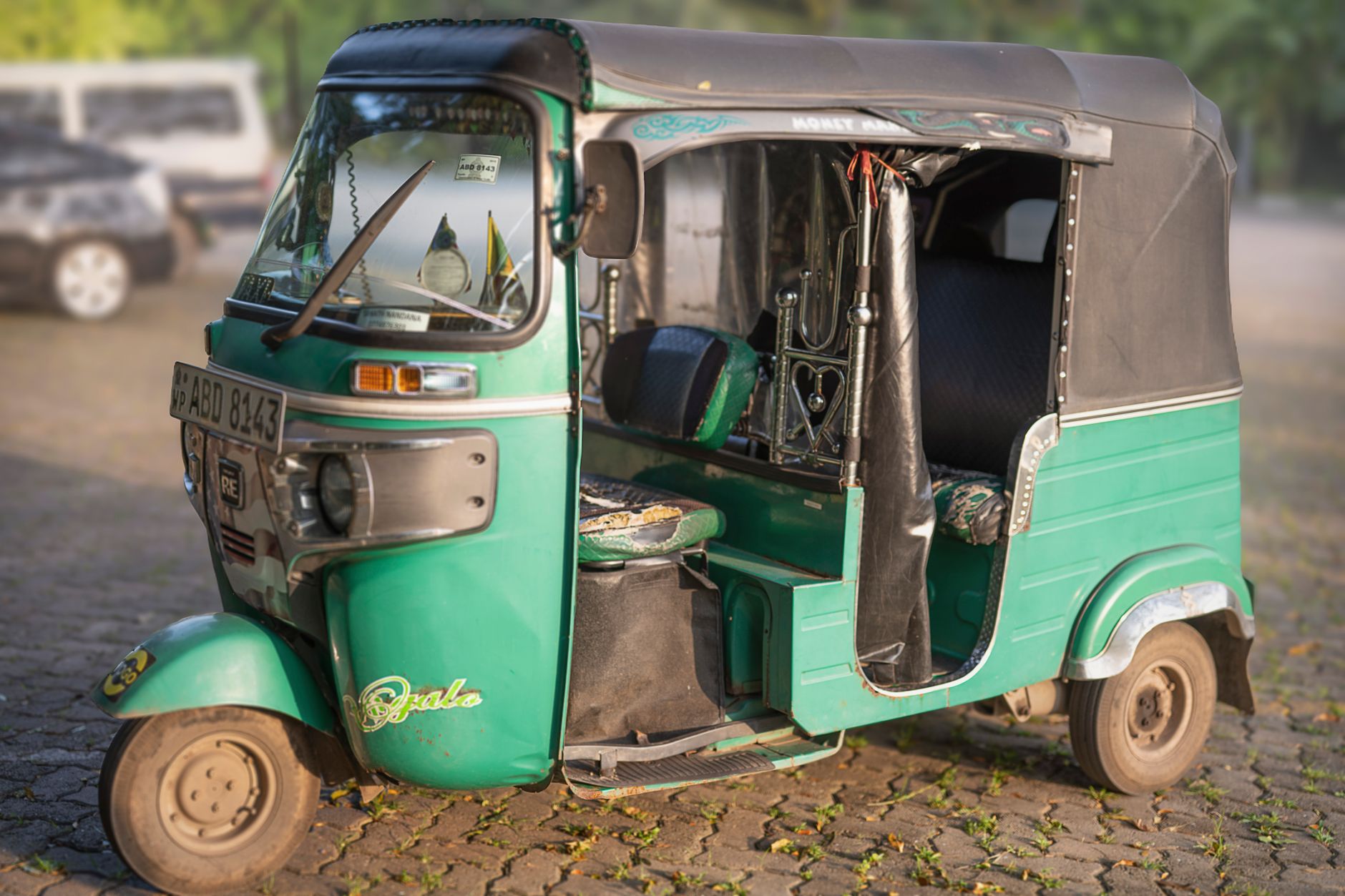
Once you're in Jaipur, getting around is easy thanks to its organised, logical layout. Chauffeur-driven cars, rickshaws and local bus services cover the city. For short distances, auto-rickshaws (tuk-tuks) are cheap and fun. Many hotels also arrange transport options for tourists.
Book chauffeur-driven cars through your hotel for reliability; negotiating prices yourself can otherwise be a hassle
Accept that driving styles here are different: lots of honking, few fixed lanes, but it actually works
Keep your passport and visa with you; checks are common on certain roads
Top experiences
Jaipur's heritage is architecturally stunning and woven through with historical meaning. The Hawa Mahal (1799), with its 953 windows and intricate latticework, was designed so that royal women could watch street festivities without being seen themselves; it's a masterpiece of discreet observation. The City Palace blends Rajasthani and Mughal architecture and is still partly inhabited; inside, you'll find the famous Peacock Gate, along with artefacts and manuscripts. Amber Fort, a UNESCO World Heritage Site dating from 1592, sits above Man Sagar Lake and offers panoramic views. Pair it with Jaigarh Fort, 150 metres higher in the Aravalli hills, which also looks out over Maota Lake.
If astronomy interests you, the Jantar Mantar is a must-see: a UNESCO site with 19 astronomical instruments built between 1728 and 1734, including the world's largest stone sundial. Nahargarh Fort once served as a defence, but now offers views over the inaccessible Jal Mahal, a five-storey palace that seems to rise straight out of the lake. Johari Bazaar Road pulses with jewellery traders, textile sellers and tailors; this is where Jaipur's status as an emerald hub comes to life. Bapu Bazaar sells traditional Mojari shoes (made from camel leather) and fabrics with Sanganeri, Bagru and Dabu block prints in natural dyes.
Book a guide for Amber Fort and Jaigarh Fort; the history of defence and architecture comes alive with some explanation
Visit Jantar Mantar at sunrise if you love photography; the light brings out the stone instruments beautifully
Haggle over prices in the bazaars, but do it with humour and respect; traders appreciate genuine interest in their craft
Practical information
Hindi and English are widely spoken in Jaipur, especially in tourist areas, and many signs appear in both languages. The local language is Rajasthani, though you'll get by easily with English and a few Hindi phrases. Changing money is straightforward; banks and ATMs are everywhere. Standard safety precautions apply: do your research before you go, keep valuables secure, and avoid exploring alone at night. Medical facilities exist, but hospitals in Delhi are more advanced, so travel insurance is worth having.
Rajasthani food is hearty and full of flavour, though spicy: dal bati churma (lentil curry, ghee-soaked dumplings and a sweet dessert), kachoris (fried snacks), mirchi bada (battered green chillies) and laal maas (spicy goat curry) are the highlights. Vegetarian options are plentiful. Bajra ki roti (pearl millet flatbread) pairs well with lahsun chutney (garlic chutney). Ghevar (a ghee-soaked sweet) appears during festivals. Be aware of the difference between tap water and filtered water; carry a reusable water bottle and refill it from reliable sources.
Dress code: Jaipur is quite religious but tolerant, so dress modestly, especially at sacred sites. Sunsets from Nahargarh Fort and other viewpoints are spectacular; have your camera ready.
Learn a few Hindi phrases: thank you (dhanyavaad), hello (namaste) and sorry (kshama). Locals appreciate the effort
Don't spend all your money on souvenirs; local emeralds and block-printed textiles are affordable, but the cost adds up fast
Wear comfortable walking shoes; many heritage sites involve a lot of walking, and the streets are uneven