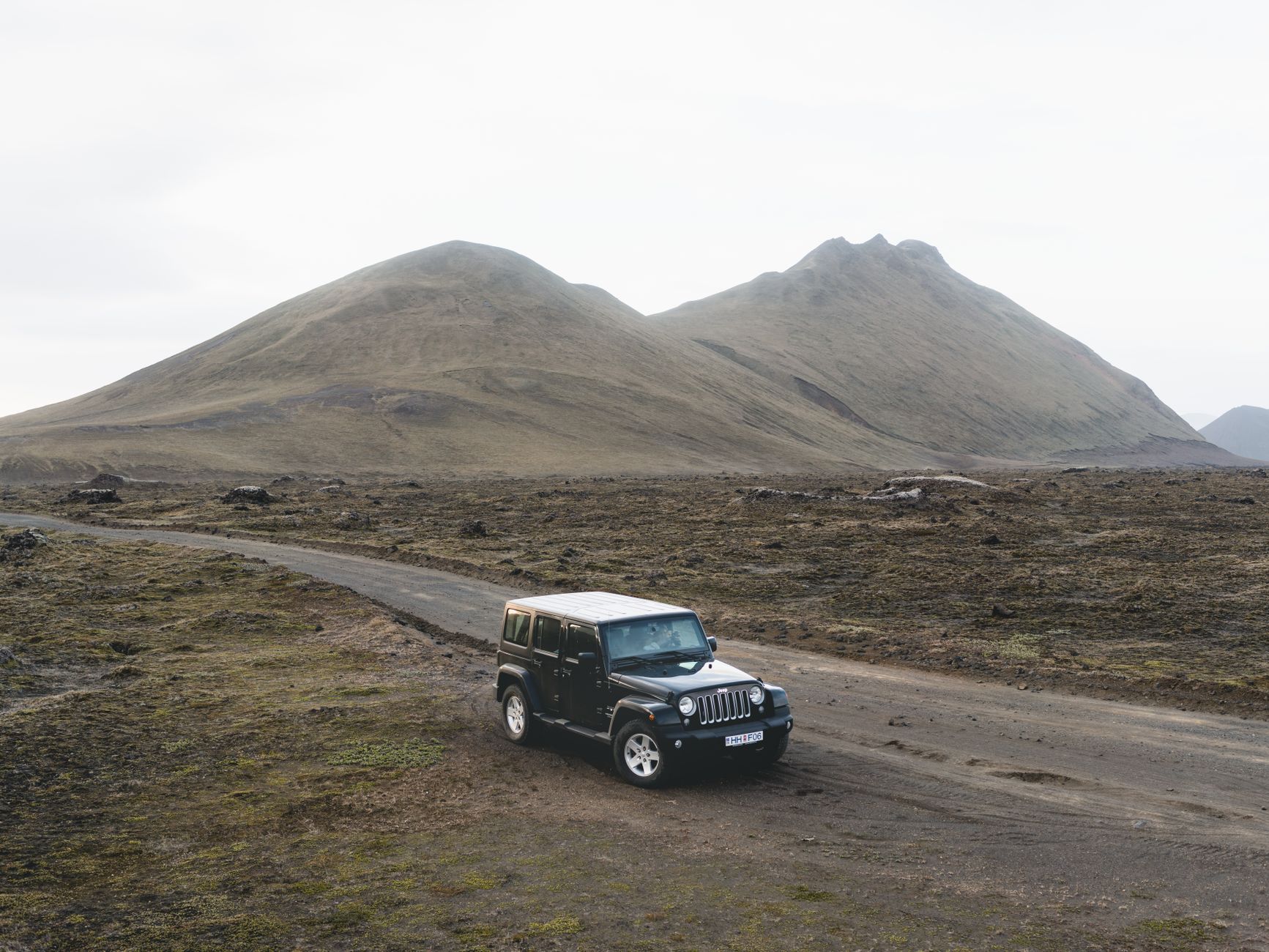
A car is the only practical way to explore Iceland. A 4WD is strongly recommended, especially outside summer.
Travel information
Before you go to Iceland
✈️
Airports & entry
Iceland has 2 major international airports. Consider Reykjavík (Keflavík) (KEF) as your main entry point, or fly in and out from different cities to see more.
🗓️
Best trip length
Most visitors spend 7–14 days in Iceland. Shorter trips work well for focused regions; longer trips let you explore more deeply.
🗺️
Regions to know
Iceland has 4 distinct regions. Reykjavík & Surroundings and South Iceland are the most popular starting points for first-time visitors.
🚗
Getting around
A car is the only practical way to explore Iceland. A 4WD is strongly recommended, especially outside summer.
💡
Smart planning tip
Generate a personalised trip plan with Wayloha: just enter your budget, travel style and travel dates. Our AI reads 62 travel blogs to build your perfect route.
📋
Preparation guide
After generating your trip plan, Wayloha creates a full preparation guide, including packing list, visa info, SIM card tips, money advice and local customs tailored to your trip.
Travel inspiration
Iceland in pictures
Real travel content from the community. See the latest photos, videos and stories from people who've already been.
Content is hosted on third-party platforms. Wayloha links to public hashtag pages and does not store any social media content.
Ready to visit Iceland?
Tell Wayloha your travel style, budget and travel dates. We'll build your complete day-by-day trip plan. Your first draft is on your screen within a minute.
Booking.com affiliate links: Wayloha earns a small commission at no extra cost to you
Travel guide
All about Iceland
Iceland is not just a destination; it's a landscape that challenges you to truly explore it. From active volcanoes to glaciers among Europe's largest, this small island concentrates more natural wonders per square kilometre than almost anywhere else on Earth.
Why go to Iceland
Iceland embodies a unique contrast found nowhere else on Earth: active volcanoes alongside ancient glaciers, bubbling geothermal springs amid silence, and waterfalls that plunge dramatically from steep cliffs. This is a place where you can literally dive and snorkel between two tectonic plates in crystal-clear glacial water, or walk through colourful geothermal landscapes and descend from Europe's largest glacier all in a single day. The sheer diversity of experiences is staggering: in two weeks you can count 26 waterfalls on a single walk, trek through lava fields dotted with geothermal hot springs, and encounter pods of whales. Iceland speaks to the adventurous heart of travellers who want to go beyond standard tourist routes.
The 'real' Iceland isn't found in cities but in the landscapes, waterfalls and glaciers beyond them
Plan at least 10 days to experience the major highlights and tackle the highland F-roads
Many of the most spectacular places are only accessible by gravel roads and require proper preparation
When to go
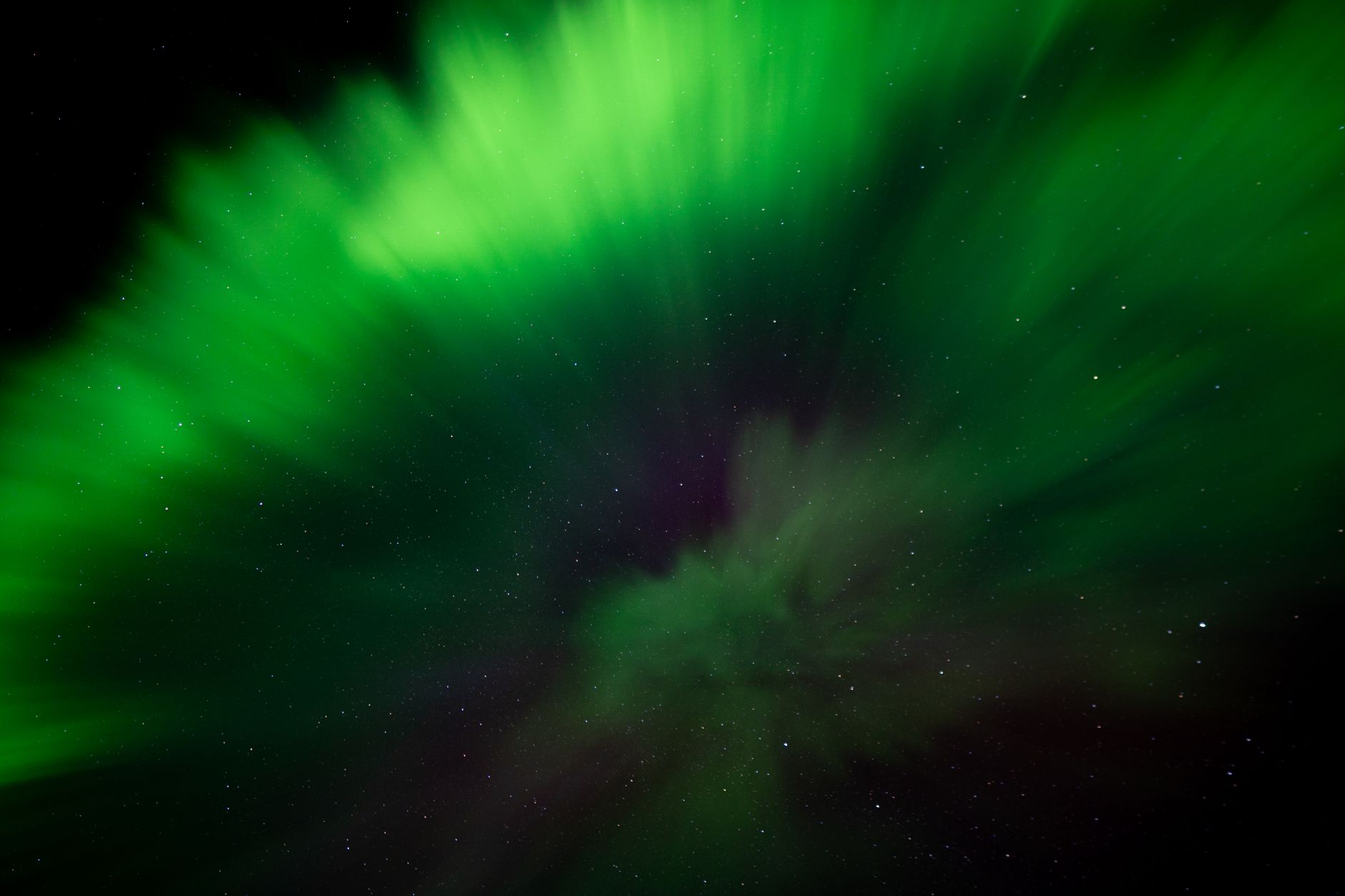
Iceland is not a year-round destination for adventurers. If you want the genuine top experience, including glaciers, highlands and the famous F-roads, you'll need to travel between mid-June and September. This narrow window is critical because the gravel roads to areas like Landmannalaugar and Kerlingarfjöll open only during these months, and hiking trails remain free of snow. The summer months also offer something magical: long days with midnight sun that provides light well into the night. However, this period also draws heavy crowds, so expect busy car parks at popular waterfalls. If you travel outside this season, most of the adventures in this guide simply won't be possible. Winter (October to May) brings the chance to see the Northern Lights, but it shuts you out from the vast majority of the highlands.
Even in July and August, weather can shift dramatically, so pack layers and be prepared for rain
Summer offers long days (nearly 24-hour daylight in June-July), which is a huge advantage for intensive hiking and exploration
Avoid landing at the airport in mid-afternoon during July-August; queues at car rental can exceed an hour
How to get there and get around
Most travellers land at Keflavík International Airport on the Reykjanes Peninsula, roughly 50 kilometres from Reykjavík (45 minutes' drive). This is where your decision about vehicle choice becomes crucial. For the adventures in this guide, you need a 4x4: it's not optional. Regular cars are banned from F-roads (the gravel routes into the highlands), and these roads lead you to the best experiences. A 4x4 rental costs between $150-200 per day, with larger SUVs (Land Rovers, Toyota Land Cruisers) reaching $300-400, though that's overkill unless you're planning river crossings. Fuel runs roughly $2-3 per litre. One warning: rental companies can be extremely busy in mid-afternoon during summer. Make sure you have gold status or a fast pass with your rental firm, otherwise your wait time could easily exceed an hour. Campervans are also an option ($100-300 per day), with campsites costing around $15-25 and requiring no advance booking.
Book your 4x4 well in advance and specifically request F-road authorisation; not all SUVs are permitted on these roads
If you're arriving in July-August, arrive early or budget extra time for car rental delays
Always maintain a full fuel tank when heading into remote areas
Top experiences and highlights
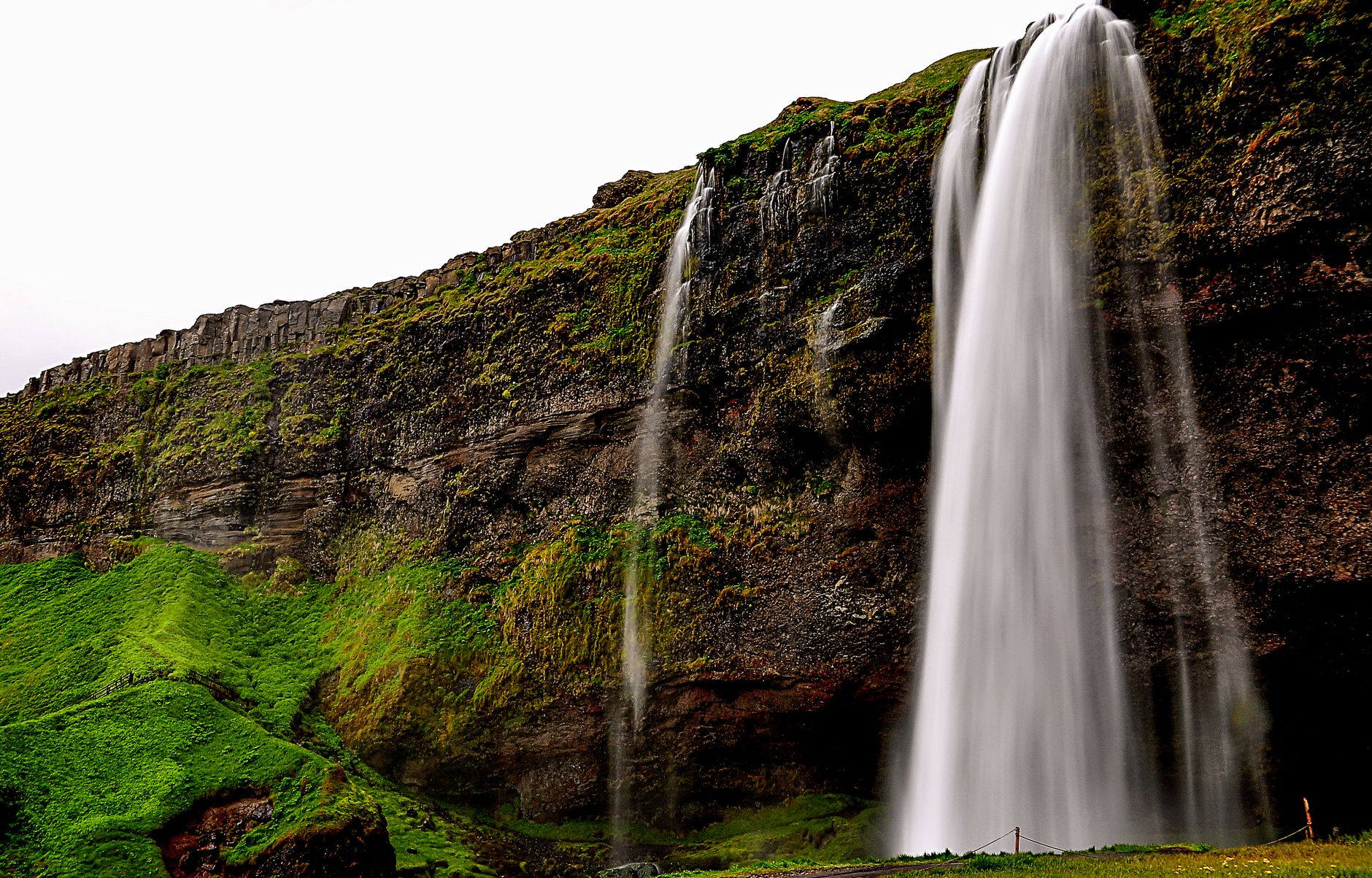
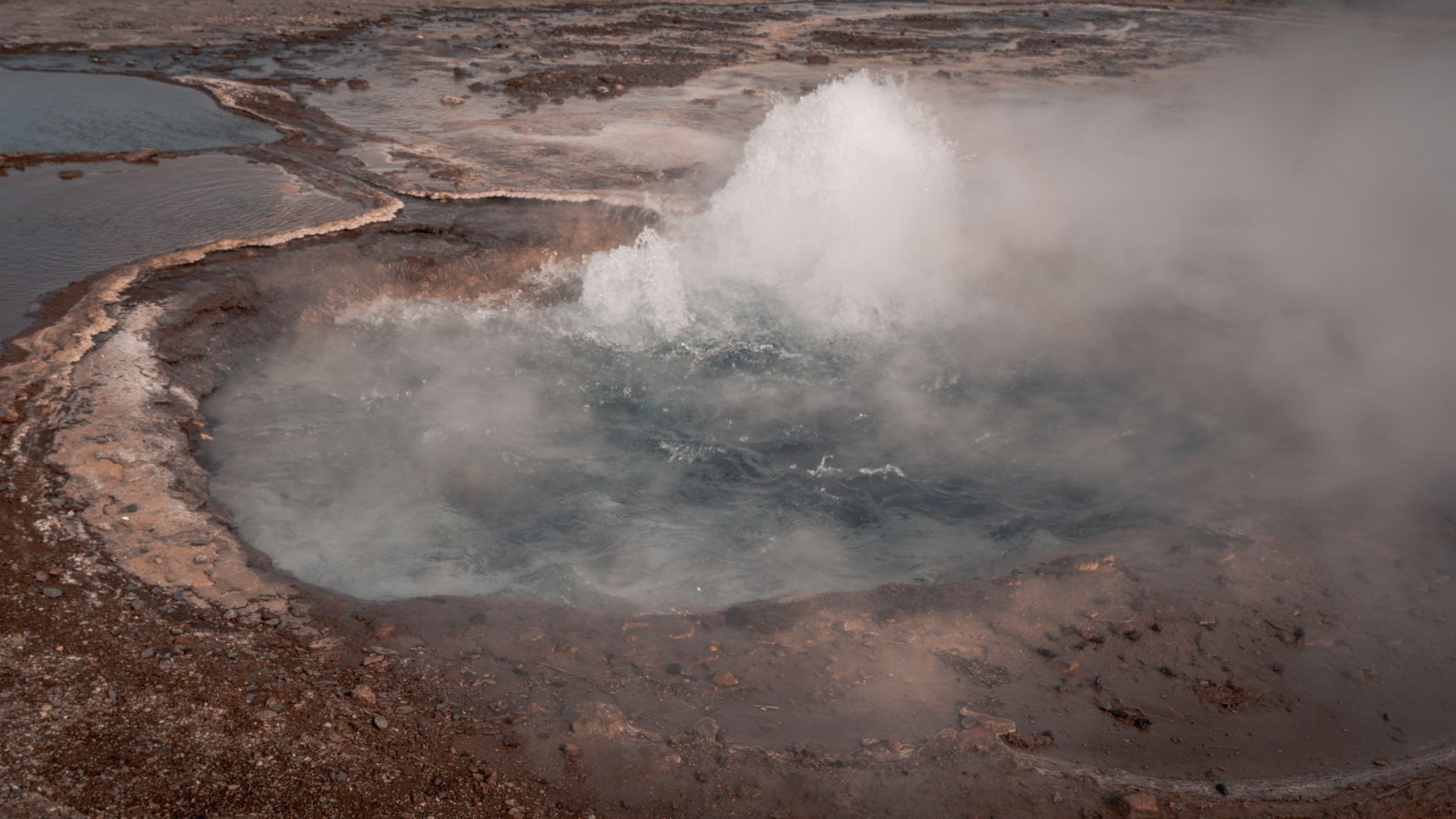
A perfect 10-day Iceland trip focuses on four transformative experiences found nowhere else on Earth. The Fimmvörðuháls trail is far more than a walk: it's a geology lesson and sensory overload rolled into one. You start at the mighty Skógafoss waterfall and climb steeply past 26 cascades, through views of two different glaciers, past a volcanic crater, all in a single day. This sheer natural diversity is simply unparalleled. Landmannalaugar (reached via F26 to F208, with the final stretch rough gravel) is a geothermal wonderland of colourful rhyolite mountains where you can choose walks ranging from short hikes to peaks like Blue Peak (Blahnúkúr) to the popular Sulphur Wave (Brennisteinsalda). Kerlingarfjöll, deeper in the highlands, feels like pure adventure: steaming geysers, bubbling mud pots and rainbow-hued hot springs scattered across the landscape. A glacier walk on Solheimajökull offers the surreal experience of trekking across ancient ice with crampons and an ice axe. For something entirely different, Silfra is the only place in the world where you can snorkel or dive between two tectonic plates, with over 100 metres of visibility in crystal-clear water, though you'll want to dress warmly as it's freezing. Along the way, you'll find waterfall after waterfall on the south coast: Seljalandsfoss, where you can walk behind the curtain of water; Kvernufoss, which sees far fewer crowds; and countless other cascades you'll spot along Route 1.
Blue Peak in Landmannalaugar is challenging but short: pair it with Brennisteinsalda for an epic day
For Silfra you must be dive-certified or book a drysuit snorkelling experience; regular swimming isn't an option
Skip the Solheimasandur plane wreck (a 4-mile walk for something far less spectacular than the hype suggests) and visit Kvernufoss instead
Practical tips
Iceland is not cheap. A restaurant meal costs around $28 on average, so for four people you'll pay $100-150 per meal. Savvy travellers buy groceries at Kronan or Bonus supermarkets and eat out just once daily. A mid-range hotel room for two people runs $150-300, top-end hotels $300-500. Camping offers significant savings: campsites cost just $15-25 per night and require no advance booking. Do Icelanders speak English? Almost universally, so this won't be a problem. Iceland is safe, one of the world's safest countries, but respect for nature is essential. Always stay on marked trails, leave no rubbish, and understand that 'uninhabited terrain' means your footprints are all that will remain. For those wanting more: the Laugavegur Trek is a 55-kilometre, 4-day multi-day walk from Landmannalaugar to Thórsmörk with camping or mountain huts along the way (available mid-July to mid-September only). This can extend your 10-day trip by four full days.
Buy groceries at supermarkets and skip restaurant meals except for one per day to keep costs down
For the Laugavegur Trek or other multi-day walks, check mountain hut and campsite availability well in advance
Wear layers throughout the summer; weather changes within minutes and even July can turn unexpectedly cold or wet
Generated from 1 travel guide and experience · Sources