Golden Circle day trip: Þingvellir, Geysir, and Gullfoss waterfall
2
Hallgrímskirkja church observation tower for panoramic city views
3
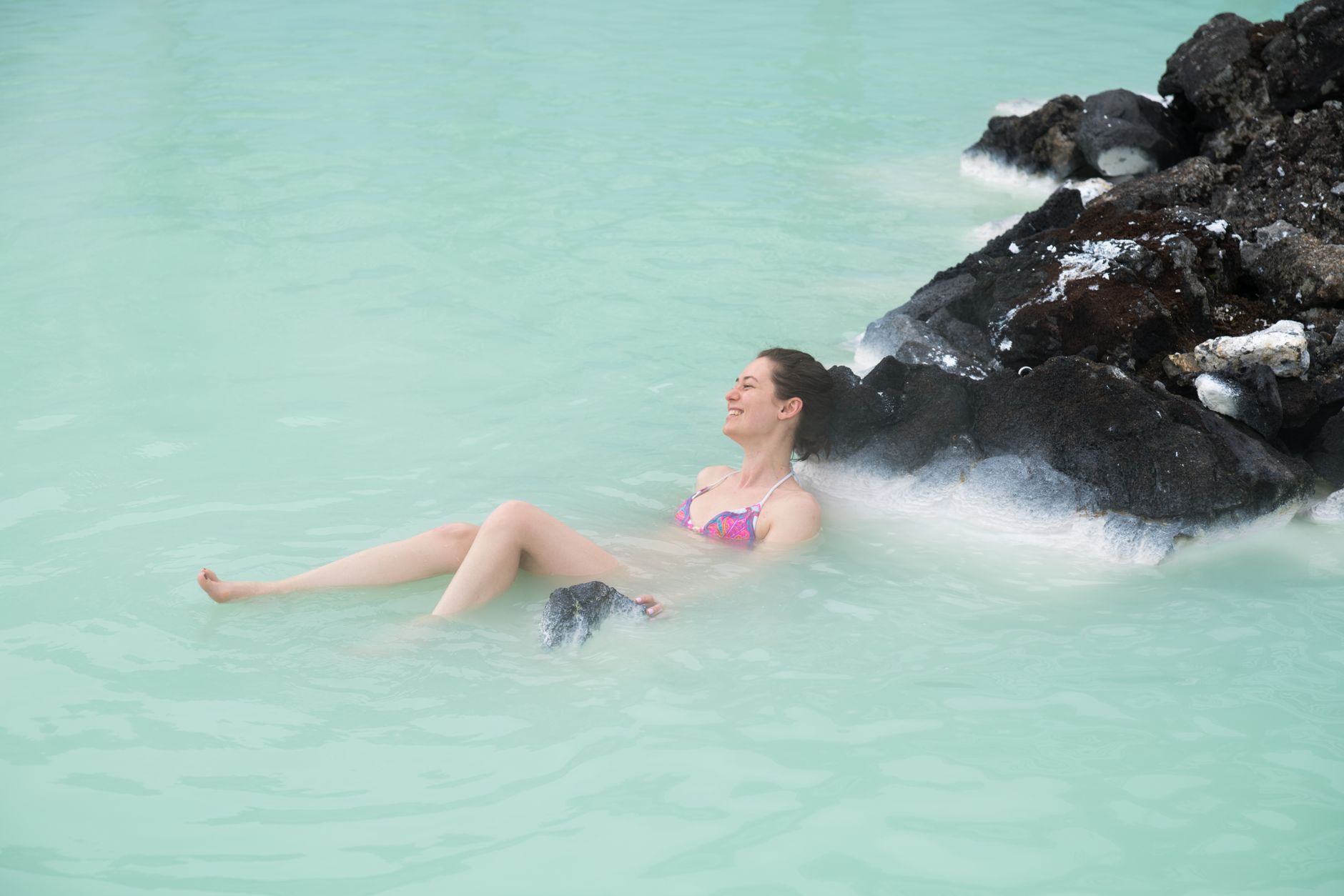
Blue Lagoon or the newer Sky Lagoon for geothermal bathing
4
Harpa Concert Hall and the old harbour for whale watching tours
5
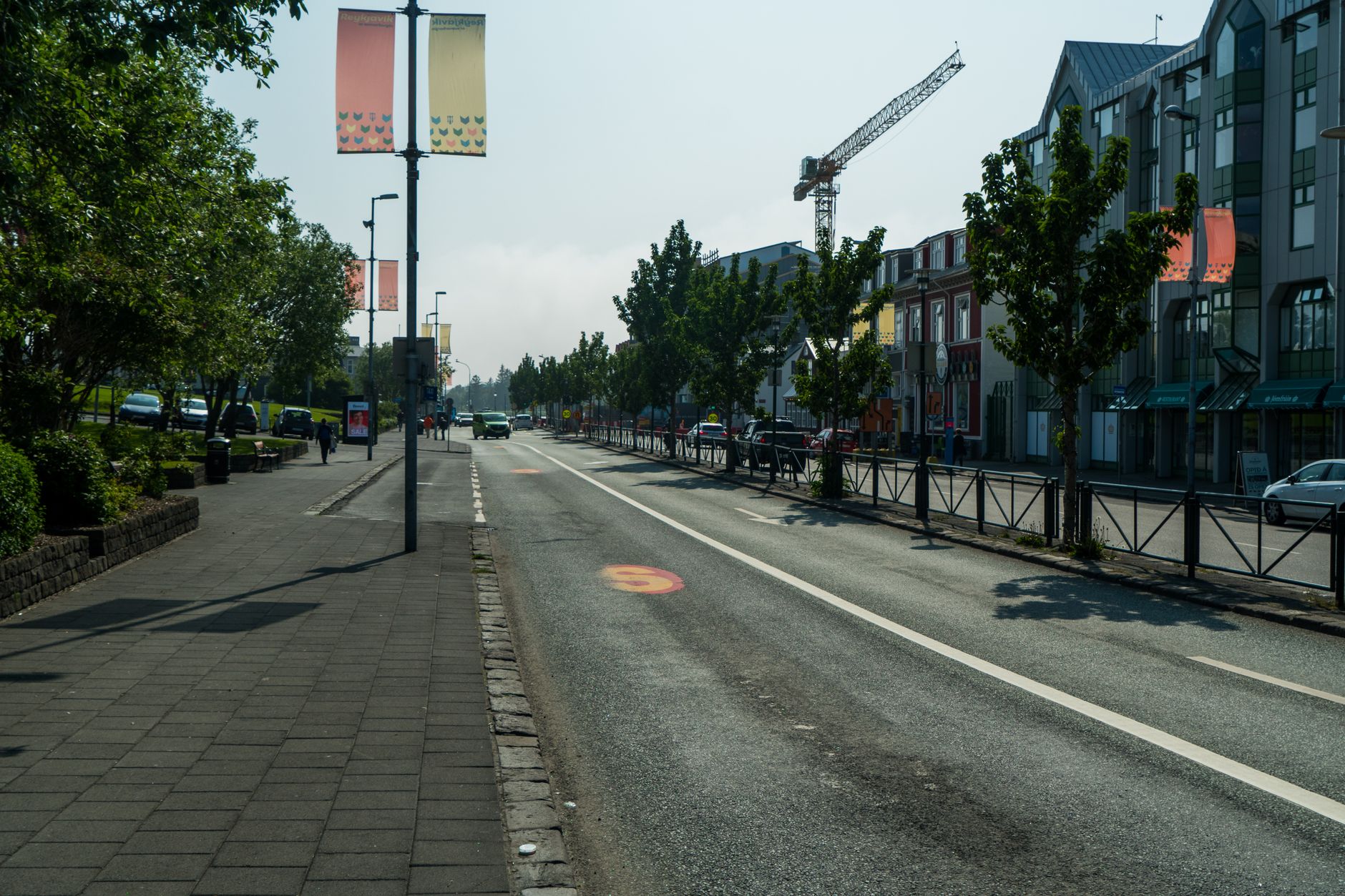
Laugavegur street: Icelandic design shops, hot dogs at Bæjarins Beztu
6
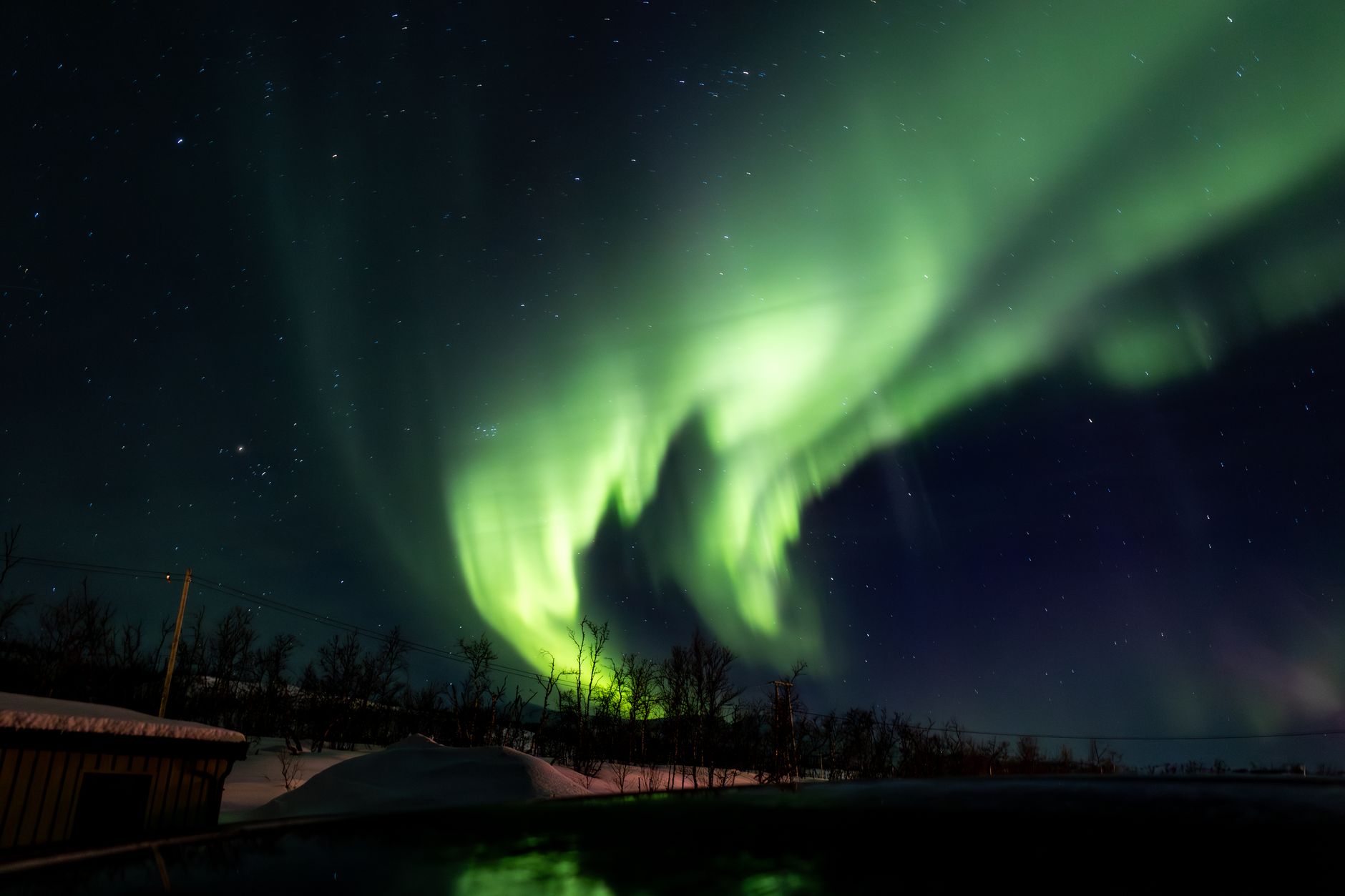
Northern Lights hunting (September, March) or midnight sun (June, July)
Local tip
Before you go to Reykjavik
Iceland is expensive, budget €150-200/day minimum. The Golden Circle can be done independently by car in a day. Book the Blue Lagoon weeks ahead; walk-ins rarely get in.
Content is hosted on third-party platforms. Wayloha links to public hashtag pages and does not store any social media content.
Ready to visit Reykjavik?
Tell Wayloha your travel style, budget and travel dates. We'll build your complete day-by-day Reykjavik trip plan. Your first draft is on your screen within a minute.
Reykjavik isn't just a capital city - it's really more of a big village, where the line between city and wild nature barely exists. A flight of just three hours from Amsterdam drops you into a world of geothermal springs, dramatic landscapes and a food scene you wouldn't expect at this northern latitude. This is Iceland like you've never seen it before.
Why visit Reykjavik
Reykjavik draws you in with a mix of city charm and direct access to one of the most dramatic natural landscapes in the world. The city itself buzzes with energy: trendy restaurants built around fresh ingredients, cosy cafés along the Laugavegur shopping street, and museums that document everything from Vikings to the history of the phallus. But what really makes Reykjavik shine is its location as the perfect springboard to Iceland's greatest sights. You're just a half-hour drive from the Blue Lagoon, you can spot whales in Faxaflói Bay right from the coast, and you'll almost always have a chance of seeing the Northern Lights during the autumn and winter months.
The city breathes adventure: you can relax in a geothermal pool in the morning and climb glacier sands in the afternoon, or ride Icelandic horses with glaciers visible on both sides of the horizon. This is what makes Reykjavik special - it combines sophistication with ruggedness, culture with wild landscape. For many visitors, it feels like coming home to a world that is at once utterly foreign.
Plan at least two nights in Reykjavik: one for arrival and one for unhurried exploring
Download the app for public swimming pools - locals don't go to the Blue Lagoon, they go to geothermal outdoor pools like Sundhöllin
Book restaurants in advance for the weekend; the better spots fill up fast
When to visit Reykjavik
Iceland has extreme seasonal swings, and Reykjavik moves with them. In summer (June to August), you get almost round-the-clock daylight - we're talking 24-hour brightness - which makes it perfect for sightseeing and long walks. Temperatures sit around 13 to 15°C, so always pack a windproof jacket. Summer months draw a lot of tourists though, so book accommodation well ahead and expect crowds at popular spots. The upside: all the roads are in good condition and every attraction keeps its normal opening hours.
Winter (November to February) is a favourite among photographers for the Northern Lights and the surreal snow landscapes, though it takes patience - the sky isn't always clear enough to see the aurora. Temperatures hover around freezing, and you'll need to plan around short days (just 4 to 5 hours of daylight in December). Autumn and spring (September to October and March to May) strike a golden middle ground: fewer tourists, still decent conditions, and in autumn, better odds of seeing the Northern Lights.
The 3 to 3.5-hour flight makes it fairly easy to fit Reykjavik into a short holiday - many visitors combine two to four nights of city exploring with a road trip along the south coast or the Snaefellsnes peninsula.
Book the Blue Lagoon and other popular attractions months ahead if you're travelling in summer
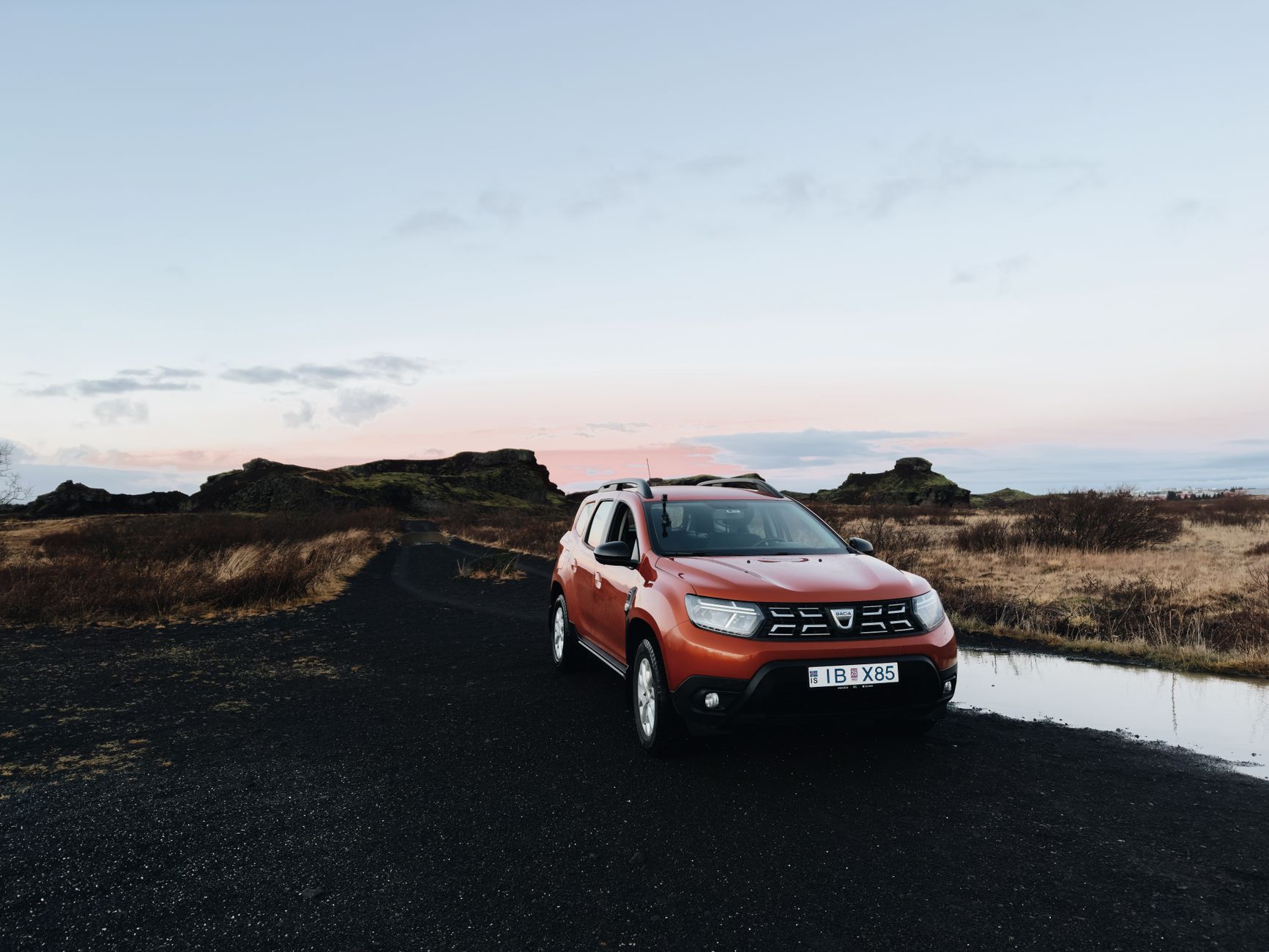
Winter calls for caution: hire a 4x4 and check road conditions daily on road.is
May and September are underrated: still warm enough, far fewer crowds, and the Northern Lights start returning in September
How to get there and get around
Amsterdam to Reykjavik is just a three-hour flight, usually with Transavia or other European carriers. You land at Keflavík International Airport, on the Reykjanes peninsula about 50 kilometres southeast of the city, a drive of roughly 45 minutes. One thing to note: the arrivals hall can get exceptionally busy in summer, with waiting times of over an hour at car rental desks, especially around midday. Gold Member status with a rental company makes a real difference here. Invest in a 4x4 vehicle, not just for the famous F-roads inland, but because coastal routes can be unpredictable in winter.
Once you're in Reykjavik, you'll find the city compact enough to explore on foot. Most sights, restaurants and shops sit within walking distance of the centre, especially around Austurvöllur square and the Laugavegur shopping street. The public bus network (Strætó) is reliable and affordable, though many visitors keep their rental car for flexibility during the city stay. If you want to travel further, to the Golden Circle, Snaefellsnes or the south coast, a car is essential. Many road trips combine Reykjavik with 7 to 10 days exploring Iceland's highlights.
Book your rental car online in advance; booking last-minute at the airport costs noticeably more
Download offline Google Maps before you leave; mobile signal can be unreliable
Fuelling up here is self-service, 24/7 - make sure you have a local debit card or a credit card with a PIN
Top experiences in Reykjavik
Start with something many visitors do without realising it's a walking route: climb the 75-metre Hallgrímskirkja. This striking church isn't just architecture; the viewing tower gives you a perfect sense of the city and the bay below. From there, stroll to Harpa Concert Hall and the Sun Voyager sculpture by the waterfront, classic stops, but for good reason. Laugavegur is Iceland's longest shopping street, and it pulls you through hip coffee shops, design stores and small bars; you can feel straight away that this is a creative city.
Here's what many visitors overlook: the National Museum and the Árbaejarsafn open-air museum. They might sound dull, but they tell the story of how Iceland developed, and that helps you understand the places you'll visit later. For something more extreme, the Icelandic Phallological Museum is literally one of a kind in the world. That said, many visitors plan their Reykjavik trip around what lies outside the city. The Blue Lagoon (a 30-minute drive) is a must: that surreal blue mineral water, surrounded by black lava, is as photogenic as it is soothing. Book this months ahead. The Sky Lagoon, opened in April 2021, offers the same feeling but with an infinity pool looking out over the ocean, quieter and more exclusive. From Reykjavik, you can also snorkel in the Silfra fissure or explore the Raufarhole lava tunnel, which feels far rougher than the hot springs and delivers a pure adrenaline rush.
Go to the Blue Lagoon early (first slot) or late (evening slot) - the afternoon is packed chaos
Whale and puffin watching tours leave from Faxaflói Bay; book ahead, especially in summer
For food adventures: restaurants like Jamie's Italian at Hotel Borg serve solid food, but the local gems tucked down small side streets are where you get a real taste of Iceland
Practical tips
Money: Iceland uses the Icelandic króna, but Reykjavik is almost entirely cashless. Pay everywhere with a credit or debit card; you'll rarely need cash. Restaurants add a 15 to 20% service charge, so check your bill before adding an extra tip. Budget for meals: a restaurant in the centre costs €15-30 per person, while street food or cafés can run about half that.
Language: English is widely spoken, especially among younger people and in tourist areas. A few Icelandic words ("Halló," "Takk," "Já") are always appreciated. Iceland feels safe, very safe even, with low crime rates. That said, the weather can change fast, and roads can turn dangerous in winter. Always check vegagerdin.is for road conditions, and hire a car with full insurance (CDW cover is recommended).
The key thing: book everything ahead if you're travelling in summer. The Blue Lagoon, restaurants in the centre, popular hotels, all of it needs booking months in advance. Reykjavik feels small and relaxed, but it can get quite crowded in July and August. Winter offers solitude, but it demands more preparation (good footwear, good weather updates). Lastly, a lot of accommodation is compact and efficiently designed (Scandinavian style with a private terrace), so don't expect spacious luxury; what you get instead is genuine, thoughtful hospitality.
Always get full car insurance (CDW) - the roads can be treacherous and repairs are expensive
Make sure you have an international driving licence and a valid credit card; some petrol stations don't accept cash
Download offline maps and a weather app; mobile signal is good in the city but unreliable outside it
Generated from 2 travel guides and experiences · Sources