Hagia Sophia and Blue Mosque, both free to enter, dress modestly
2
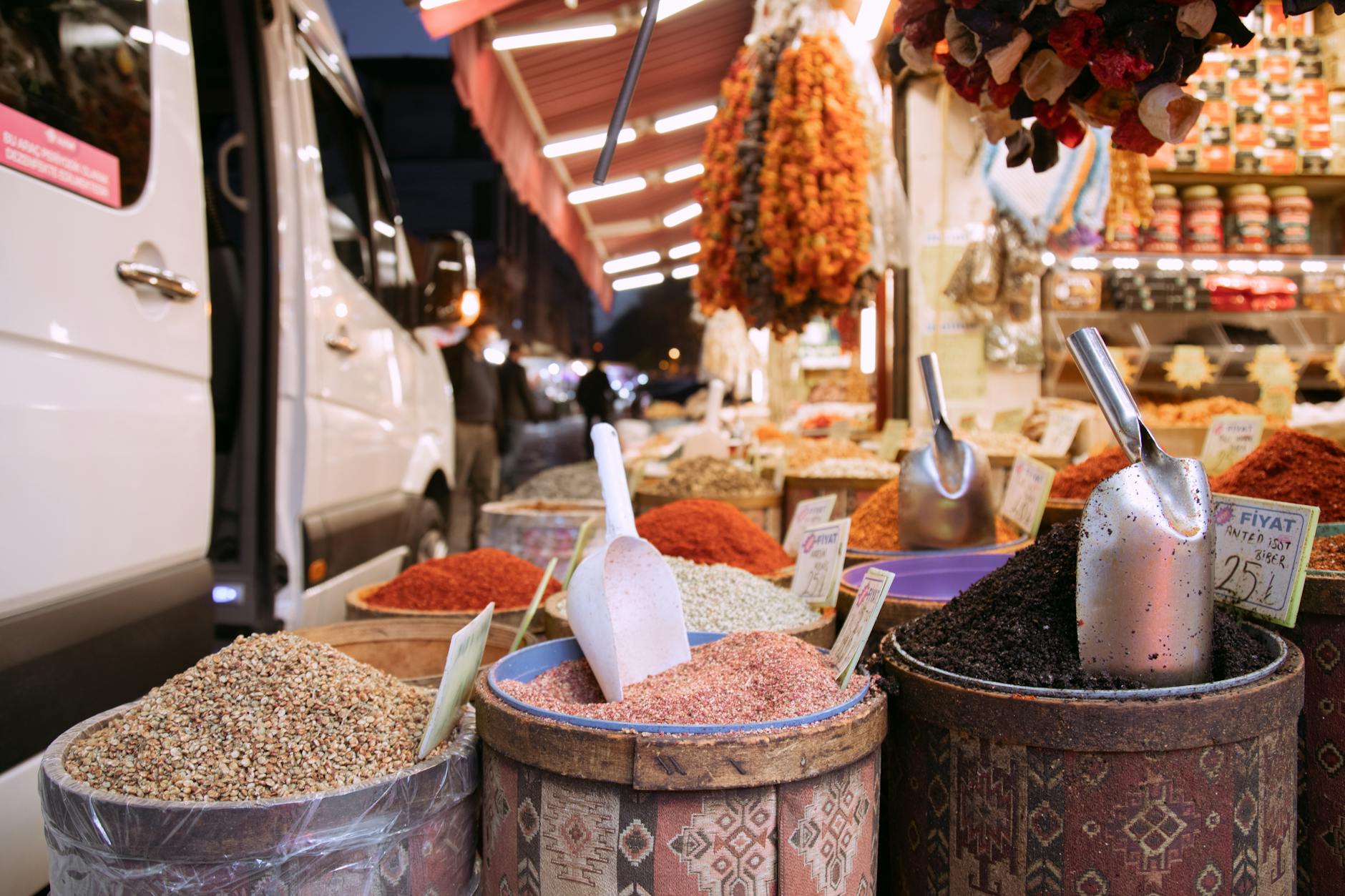
Grand Bazaar and Spice Market, best for ceramics, Turkish delight, saffron
3
Topkapı Palace and the Ottoman treasury
4
Bosphorus cruise at sunset with a glass of çay
5
Cross to the Asian side. Kadıköy market and street food
6
Dolmabahçe Palace and the Princes' Islands by ferry
Local tip
Before you go to Istanbul
Get an Istanbulkart for all ferries, trams, and metro. The Bosphorus ferry (regular commuter route, not tourist boat) is one of the world's great cheap travel experiences.
Content is hosted on third-party platforms. Wayloha links to public hashtag pages and does not store any social media content.
Ready to visit Istanbul?
Tell Wayloha your travel style, budget and travel dates. We'll build your complete day-by-day Istanbul trip plan. Your first draft is on your screen within a minute.
Istanbul is a city where two continents meet, where centuries of history blend with modern energy. This is a place where you don't just visit monuments: you step into another world entirely, one that's as enchanting as it is enticing.
Why visit Istanbul
Istanbul has earned its reputation as one of Europe's most dynamic and captivating cities, and there are good reasons why. The blend of East and West, both geographically and culturally, creates an atmosphere you won't find anywhere else. This isn't a standard European city with packaged attractions; Istanbul thrums with authentic energy and unexpected discoveries around every corner.
The city offers a rich tapestry of artistic and cultural possibilities. The Museum of Turkish and Islamic Art displays masterworks that will fundamentally reshape your understanding of the region. But Istanbul extends far beyond museums: it's the buzz of bazaars, the smell of the spice market, and the sounds of a city shaped by centuries of trade routes.
What truly makes Istanbul special is how accessible it is to travellers who want to really explore. You can start your day in a quiet corner of the Golden Horn, spend your afternoon in bustling neighbourhoods full of bakeries and small eateries, and finish the evening with views as spectacular as they are unrehearsed.
Plan for at least 3-4 days: Istanbul is far larger than first impressions suggest
Download local restaurant apps to discover authentic eateries that don't appear in guidebooks
Time your museum visits around free-entry evenings to stretch your budget without sacrificing experience
When to go
When you visit Istanbul largely shapes how you'll experience the city. Spring (April-May) and autumn (September-October) are ideal: temperatures are pleasant, tourist circuits are busy but not overwhelming, and the city still moves at its natural rhythm. Winter can be grey and damp, but it brings fewer tourists and a more local atmosphere.
Summer (June-August) draws massive visitor numbers and the heat can be discouraging, but if you're willing to start early and seek out quiet moments at day's end, you can still find authentic experiences. Autumn is particularly rewarding: the summer heat has passed, yet there's still enough warmth for comfortable walking.
It's also worth keeping major tourist flows in mind. Cruise ports get busier in certain months, so if you prefer quieter streets, avoid peak season from April through October. Whenever you arrive, Istanbul's best moments happen in early morning or late evening, when the city is most itself.
Book your trip early: price drops are usually marginal, so delays cost more than they save
Check local events and festivals when planning; they can enrich your visit or complicate it
Travel in September or October if you want lower prices and fewer crowds without sacrificing the experience
How to get there and get around
Istanbul is easily reached from Amsterdam and other European cities. Flights take roughly 4-5 hours and major airlines offer numerous connections. A tip: if you fly regularly, accumulate air miles, which you can use to book cheaper flights, especially if you time them right and watch for airline offers.
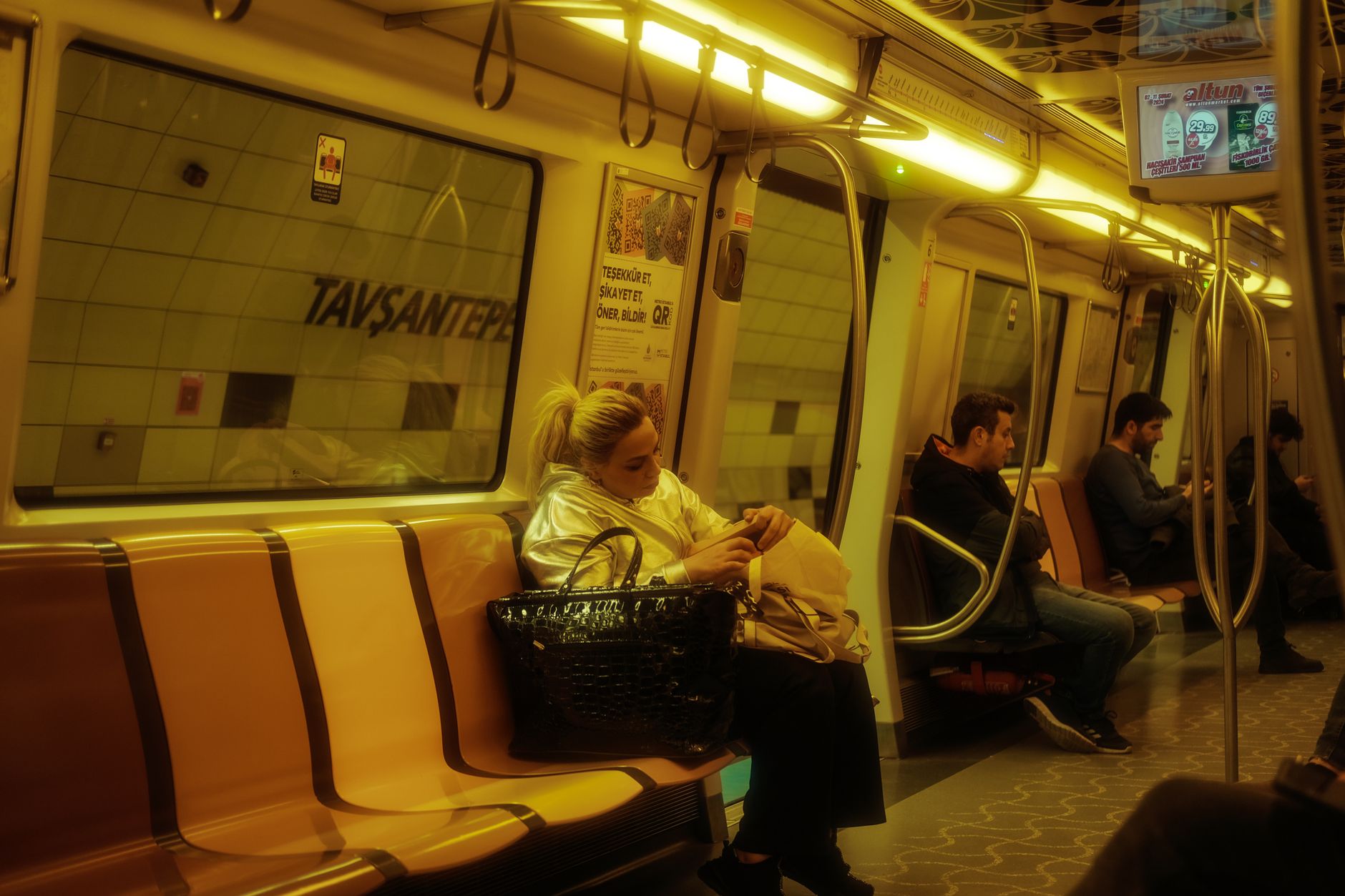
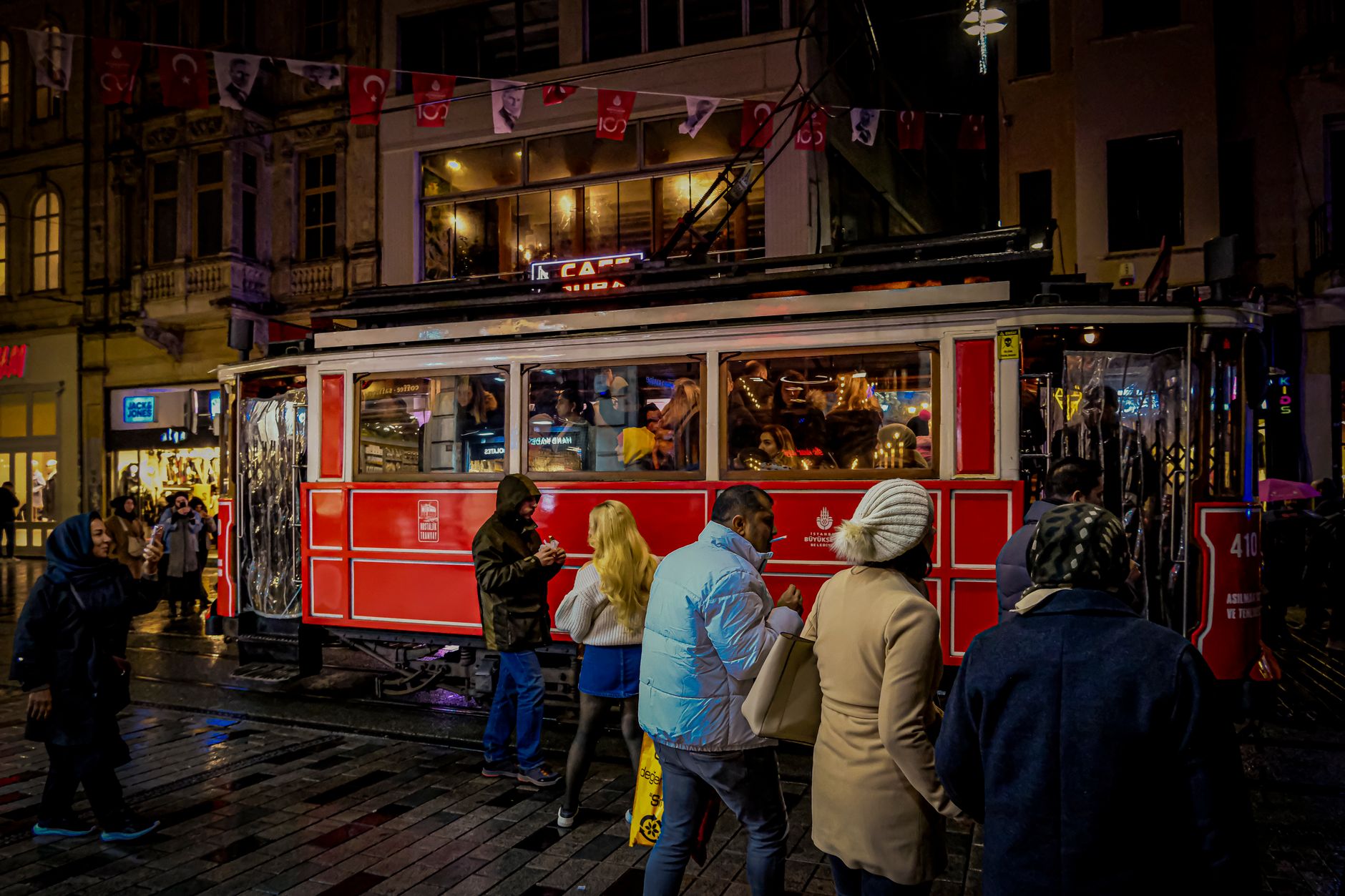
Once in Istanbul, you're best served by public transport. The metro, trams and bus network are extensive and inexpensive, far cheaper than in many European cities. Buy a card (Istanbulkart) for easy, unlimited top-up access. Taxis are also affordable, though watch for dishonest meters. For longer distances outside the city, bus and train services are reliable and reasonably priced.
A cruise holiday can also be a way to reach Istanbul: the city is a popular stop on Mediterranean routes. This comes with its own timing constraints, since you're bound to the ship's schedule. Many cruise passengers choose to arrive early or stay longer, giving you more flexibility to explore the city at your own pace.
Buy flights and hotels in advance: uncertainty costs more than marginal price differences
Use your credit card points and air miles actively; they're valuable tools that lose value every day
Learn a few basic Turkish words; locals appreciate the effort and it opens doors (literally and figuratively)
Top experiences and highlights
Don't miss the Museum of Turkish and Islamic Art: it's not only one of Istanbul's major cultural institutions but also one of the most affordable, and you can visit free on certain evenings. This museum offers profound insight into artistic traditions and religious heritage that will transform your understanding of the region. It goes beyond what you learn in textbooks.
Beyond the famous sights, the true Istanbul experiences hide in smaller neighbourhoods and less touristy corners. Wander through pedestrian streets where locals live their real lives: bakeries where you see dough rise, teahouses where men play dominoes, markets where vegetables come fresh from the garden. These moments feel more genuine than any planned excursion.
For food lovers: book tables through local restaurant apps, as many establishments offer early-bird discounts, which saves your budget and gives you the advantage of better seating. Go for traditional Turkish dishes in unpretentious neighbourhood spots; you'll find better quality and better value than in busy tourist zones.
Schedule museum visits around free-entry evenings: check ahead to see which museums offer this
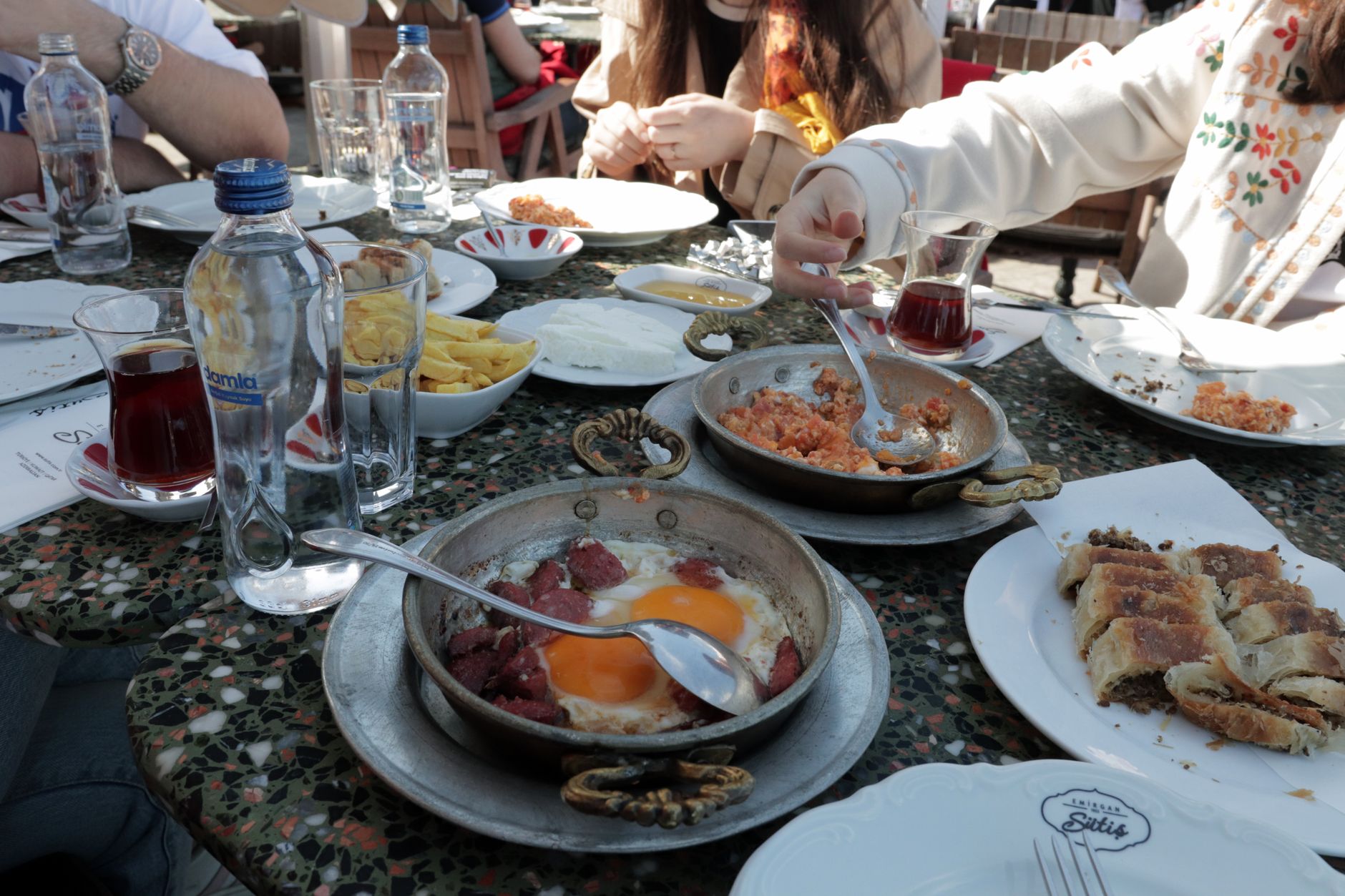
Breakfast is a sacred meal in Istanbul; visit a local breakfast café instead of eating at your hotel
Take the ferry across the Bosphorus if you can: it's cheap and offers unmatched views of the city
Practical tips and preparation
Money and budget planning are essential. The Turkish Lira is considerably cheaper than many European currencies, making Istanbul relatively affordable for visitors. However, use your credit cards wisely: banking rewards through cards like American Express or backup cards can give you rebates and extra benefits through partner businesses. Delaying purchases doesn't help; flight and hotel prices don't drop significantly enough to justify waiting.
Language is less of a barrier than you might think. Many younger Istanbul residents speak English, especially in tourist areas. That said, basic Turkish words ('merhaba' for hello, 'teşekkür' for thank you) will earn you considerable goodwill. Safety is generally not problematic in tourist zones, but as anywhere, be cautious of theft in busy markets.
Cultural awareness matters. Istanbul is a Muslim city; respect prayer times and dress codes when visiting sacred spaces. Say yes to tea invitations and conversations: this is how you get to know the real Istanbul. Finally, remember that you're exploring two continents at once. This unique character runs through everything you do.
Carry small bills (Turkish Lira); many small shops and restaurants work with cash
Respect prayer times in mosques and wear appropriate clothing: this opens doors rather than closing them
Say yes to local experiences: tea with strangers, street snacks from vendors, unexpected invitations
Generated from 8 travel guides and experiences · Sources