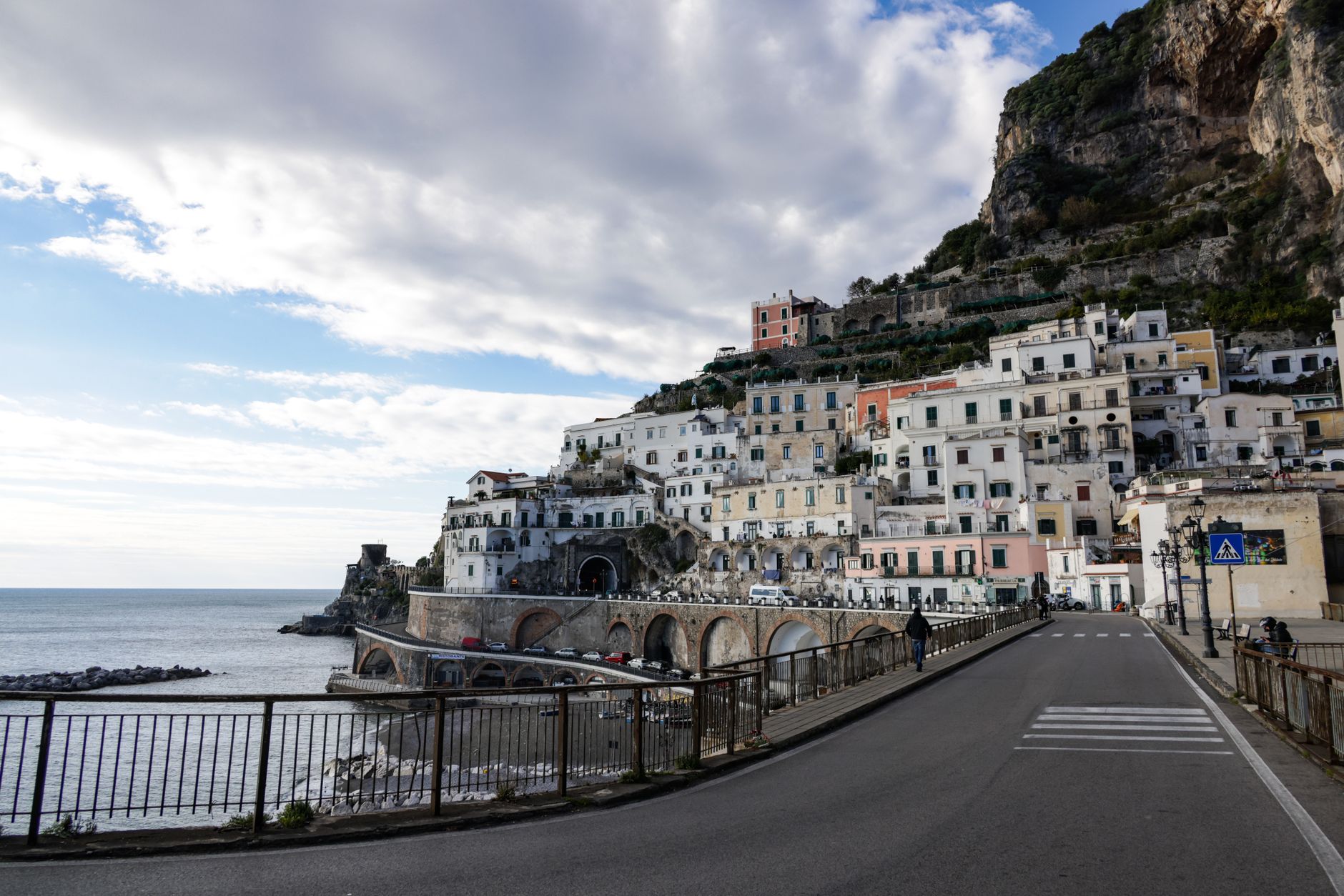
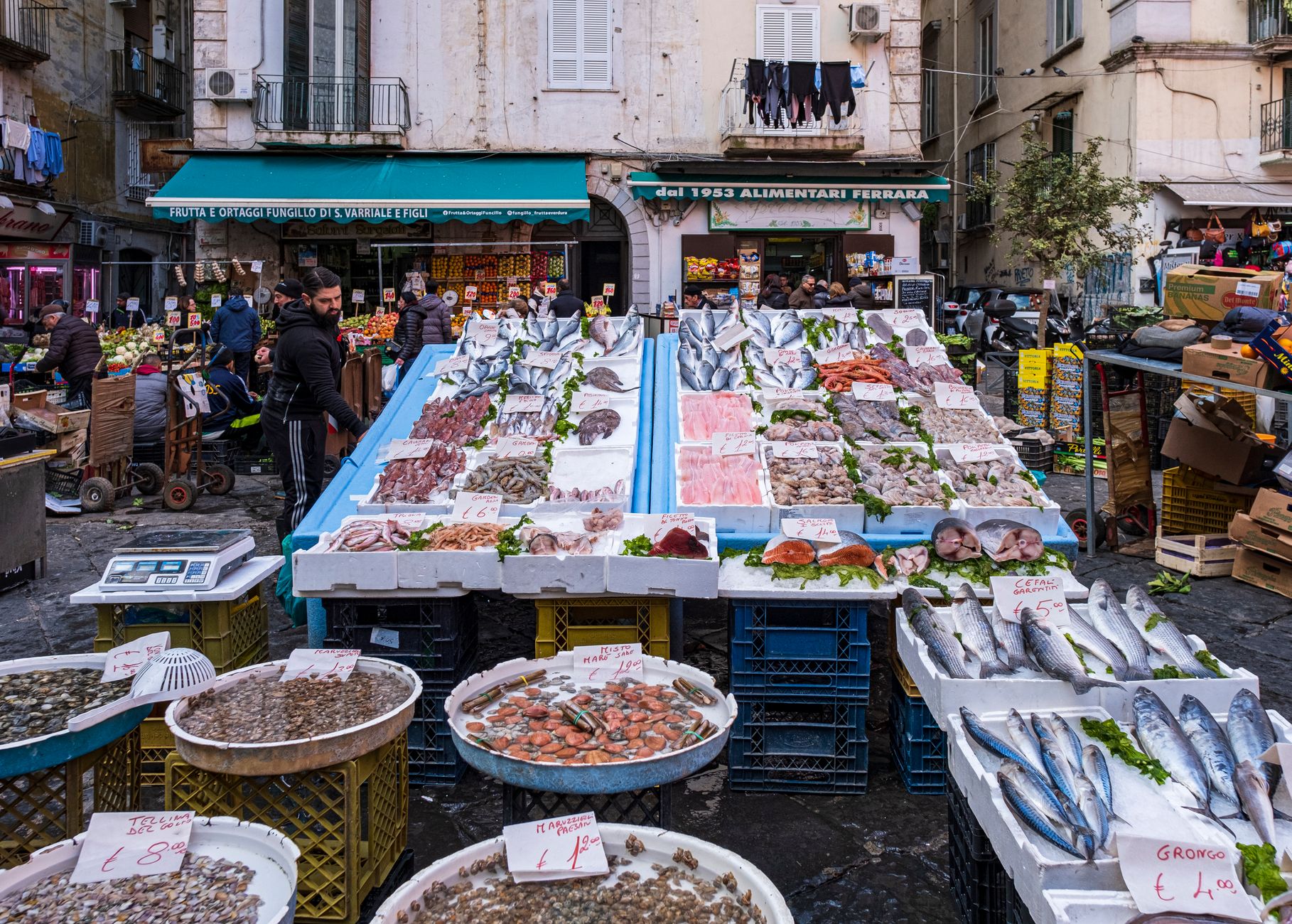
Amalfi Coast, Tuscany countryside, and Sicily are best explored by car. Flying into one city and out of another saves a long drive back.
Travel information
Before you go to Italy
✈️
Airports & entry
Italy has 8 major international airports. Consider Rome (FCO) as your main entry point, or fly in and out from different cities to see more.
🗓️
Best trip length
Most visitors spend 7–28 days in Italy. Shorter trips work well for focused regions; longer trips let you explore more deeply.
🗺️
Regions to know
Italy has 8 distinct regions. Tuscany & Center and Rome & Lazio are the most popular starting points for first-time visitors.
🚗
Getting around
Amalfi Coast, Tuscany countryside, and Sicily are best explored by car. Flying into one city and out of another saves a long drive back.
💡
Smart planning tip
Generate a personalised trip plan with Wayloha: just enter your budget, travel style and travel dates. Our AI reads 62 travel blogs to build your perfect route.
📋
Preparation guide
After generating your trip plan, Wayloha creates a full preparation guide, including packing list, visa info, SIM card tips, money advice and local customs tailored to your trip.
Travel inspiration
Italy in pictures
Real travel content from the community. See the latest photos, videos and stories from people who've already been.
Content is hosted on third-party platforms. Wayloha links to public hashtag pages and does not store any social media content.
Ready to visit Italy?
Tell Wayloha your travel style, budget and travel dates. We'll build your complete day-by-day trip plan. Your first draft is on your screen within a minute.
Booking.com affiliate links: Wayloha earns a small commission at no extra cost to you
Travel guide
All about Italy
Italy is a country where history literally rises from the ground, and every corner tells a new story. From the green hills of Tuscany to the dramatic cliff-lined coasts of Sicily, this landscape feels like an invitation to reinvent yourself.
Why go to Italy
Italy draws visitors not for one thing, but for an intoxicating mix of them. The architectural icons, from the mosaics in Ravenna to the religious and art-historical treasures scattered across the whole country, form the backbone of a cultural experience you won't find anywhere else. What really sets Italy apart, though, is how this grandeur is woven into daily life: you eat in restaurants where the nonni (grandmothers) still decide what gets cooked, you walk through alleys where local families spend their evenings, you discover hidden basilicas right next to a bustling market square.
Physical beauty matters equally. The Mediterranean islands offer a contrast of rustic, authentic villages and hidden beaches; the Dolomites attract mountain walkers with their dramatic vertical rock walls; the southern coasts, from Tropea's spectacular cliff positioning to Sorrento's lemon groves, blur the line between nature and culture. This is a country where you can find both inner peace and adventure, where you can savour an espresso on a piazza or get lost in medieval villages where cars can't even fit.
Plan at least one week to truly grasp the scale of what there is to see: two to three weeks is ideal
Mix major cities with small villages; the contrasts make the experience richer
Taste local dishes everywhere you go - the regional differences are spectacular
When to go
The season you travel shapes not just the weather, but the nature of your experience. Spring and autumn offer the golden middle ground: pleasant climate without the stifling crowds of July and August, when beaches and popular sites are completely overwhelmed by tourists and prices spike significantly. May and September are ideal months: the sun feels mild, the days are long, and you can actually experience the place without having to jostle for space.
Winter in Italy is overlooked by many, but it has its own charm, especially for those interested in genuine local culture. Sicily can be visited even in winter and offers mild temperatures and far fewer tourists. Northern Italy, especially the Dolomites, is a different story: the snow transforms the landscape into something magical, though many mountain villages close or drastically cut their opening hours. Summer also brings specific events and festivals, though you need to weigh this against the crowds and extreme heat in some places.
Avoid August if you want to sidestep busy popular destinations
Consider mid-season travel (May or September) for the best weather and reasonable crowds
Winter can work well if you plan carefully around closed attractions
How to get there and get around
Italy is well connected to the outside world through major airports in Rome, Milan and other cities, with plenty of international flights. Once you're there, your transport choice becomes crucial. The rail networks, especially for regional connections, are efficient and affordable, particularly if you travel outside peak hours. Fast trains link major cities well, making this option ideal if you want to visit multiple destinations without a car. For those wanting more independence and keen to explore the countryside, hiring a car is an option, though driving in Italy brings its own challenges: narrow village roads, navigation rituals that feel different, and Italian drivers who seem to make up their own rules. If you plan to hire a car, give yourself time to adjust.
Domestic flights can make sense for long distances, particularly useful if you're visiting Sicily from the north. For islands and coastal villages, ferry services are usually reliable. You can reach most popular places on public transport, though you'll need to build in more time and adopt a flexible mindset. The real secret is mixing it: trains for big jumps, local buses for villages, and your feet for genuine exploring.
Buy rail tickets in advance for major journeys and save money and stress
If you hire a car, avoid city centres and park at the edge instead
Many islands are best reached via established ferry services; check schedules ahead
Top experiences and hidden gems
The classic route (Rome's ancient monuments, Florence's art museums, Venice's canals) genuinely delivers value, and there's a reason millions visit these places. But the real gold sits nearby. Alberobello, with its storybook trulli homes (cone-shaped stone buildings), feels like you've literally stepped into another century. Lecce in Puglia is architectural inspiration: entire streets of baroque buildings where tourists are still relatively rare. Matera, with its ancient excavated dwellings, offers dramatic historical feeling without the equivalent crowds of Venice.
The islands deserve deeper exploring. Sicily is a world unto itself: Palermo's chaotic markets and mixed culinary heritage, the Aeolian Islands with their volcanic beauty, and small coastal towns like Aci Trezza where authentic daily life unfolds. The north offers the Dolomites for mountain hiking, Parma for food lovers, and Bologna for those wanting to understand where certain iconic pastas come from. Then there are the less obvious experiences: stay at an agriturismo (a working farm where you can sleep) and you'll grasp how Italy feels outside urban context. Visit invisible art treasures in small basilicas. Sit on a piazza and simply watch how life unfolds.
Combine famous cities with at least two 'unexpected' places: you'll get a better overall picture
Try at least one agriturismo experience; it changes how you understand the countryside
Small coastal villages and islands are easier to reach outside peak season
Practical information and local etiquette
Money in Italy is the euro, and whilst cash is rapidly being displaced by card payments, many small villages and market traders still prefer cash: plan accordingly. Prices vary enormously: a cup of coffee in a tourist area can cost double the same drink a few streets over. Eat where Italians eat, and you'll not only save money but also taste more authentic food. English works in major cities and tourist hotspots, but even basic Italian words, per favore (please), grazie (thank you), scusi (excuse me), are disproportionately appreciated and open doors, literally and figuratively.
Safety in Italy is generally not a major concern in popular city areas, though pickpockets can be active around major tourist spots; standard theft precautions apply. For comfort and respect: dress modestly when entering churches (no shorts or bare shoulders), don't make noise on streets late at night, and understand that the Italian way of being together feels different from many other countries: it's louder, more physical, more passionate, and this is normal. If you stay at an agriturismo, you'll likely get house rules; respect them. Many rural areas have limited opening hours and many shops close from around 13:00 to 16:00 for siesta: plan around that.
Always carry cash for small villages and markets
Learn a few basic Italian words - it makes a remarkable difference in how you're treated
Check local opening hours in advance; many things close in the afternoon and on Mondays
Generated from 9 travel guides and experiences · Sources