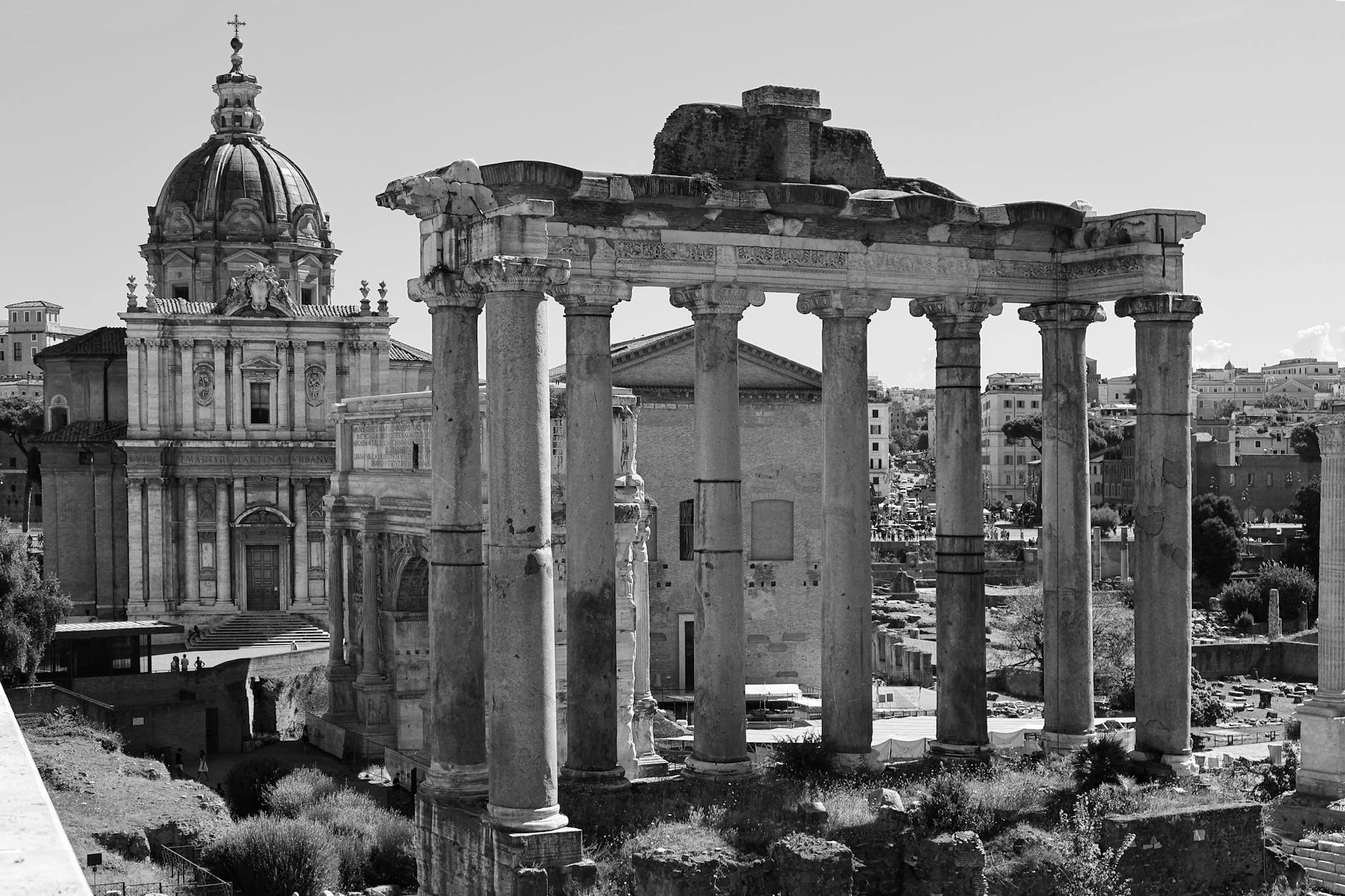
Colosseum, Roman Forum, and Palatine Hill, book skip-the-line tickets
2
Vatican Museums, Sistine Chapel, and St Peter's Basilica (go on Wednesday for Papal Audience)
3
Trastevere at night: wander cobbled streets, eat supplì and cacio e pepe
4
Throw a coin in the Trevi Fountain, then espresso at Sant'Eustachio
5
Borghese Gallery (book ahead) and the Pincian Hill sunset
6
Day trip to Pompeii, Tivoli, or the Amalfi Coast
Local tip
Before you go to Rome
The Roma Pass gives free metro + bus and skip-the-line at 1-2 museums. Drink from the nasoni (public fountains) everywhere. Rome's tap water is excellent.
Content is hosted on third-party platforms. Wayloha links to public hashtag pages and does not store any social media content.
Ready to visit Rome?
Tell Wayloha your travel style, budget and travel dates. We'll build your complete day-by-day Rome trip plan. Your first draft is on your screen within a minute.
Rome isn't just a destination: it's an intoxicating blend of breathtaking art, world-shaping history and living with style. In a city where every alley tells a story and every piazza is a gathering place for local pleasures, you feel millennia beneath your feet.
Why Rome
Rome draws you in with a combination you won't find anywhere else: the majestic remains of ancient civilisation, such as the colossal Colosseum, contrast sharply with everyday Italian life unfolding in the squares. Artists, architects and historians have left an extraordinary legacy here, visible almost everywhere you look. It's a city that takes you back to the past whilst letting you savour aperitivos on terraces in the present, where locals and travellers mix under the warm sun. The grandeur of this cultural laboratory makes Rome a place where you're constantly surprised by what you find.
What makes Rome special is how the city reinvents itself without losing its soul. You can see world treasures in a museum, but your experience is shaped just as much by a chance conversation with a guide who shares her passion for the city, or simply by wandering the streets and getting lost in the alleyways. It's this mix of famous tourist highlights and deeper cultural layers that makes Rome so captivating.
Take time to visit not just the famous monuments, but also the smaller churches and museums, where you'll often find hidden gems
Join a guided tour led by a local guide who can share stories with a real personal connection
Plan your visit to experience both quiet mornings and busy evenings: both have their own charm
When to go
Spring in Rome is absolutely wonderful. March is particularly attractive: temperatures reach around 17°C, which feels like a gentle embrace after winter. Flowering trees, especially the cherry blossoms in Parco Centrale del Lago, give the city a festive air, and there are far fewer tourists than in summer. This is when locals shed their winter jackets and gather on piazzas for aperitivos, and you're there without the weight of mass tourism.
Summer is actually not ideal: the crowds are overwhelming and the heat intense. Autumn, by contrast, combines comfort with space: hotels are cheaper, flights more affordable, and the city feels considerably quieter. Festivals are in full swing, days grow longer and brighter, and the weather is perfect for long walks through the streets. If you go in spring, you really get Rome at its best: a city in bloom, without the crushing press of millions of visitors.
Book accommodation and flights in March ahead of time: prices are good and availability is high
Avoid July and August, when Rome becomes exceptionally hot and packed with tourists
Check whether there are local festivals during your planned visit: many are free and give you an authentic picture of city life
How to get there and move around
Reaching Rome from the Netherlands is straightforward: fly to Fiumicino or Ciampino, both international airports with good connections to European cities. From either airport you can reach the city centre by metro, bus or train: it won't cost much, and you save money for what really counts. Once in the city, public transport is your best friend. The metro, buses and trams are affordable and efficient; a single bus journey costs just a few euros.
Walking is actually the best way to experience Rome. The city is compact enough that many attractions are reachable on foot, and you discover far more when you give yourself the chance to wander and slip into side streets. For longer distances the metro is fast and dependable. Many travellers who bring families have found that combining walking routes with strategic use of public transport works best: you stay flexible, conserve energy and save money.
Buy a Roma Pass if you plan to visit several museums; it offers discounts and skip-the-line access
Download an offline map on your phone, as not all neighbourhoods have good wifi
Wear comfortable shoes; Rome is foot-friendly and rewards those willing to walk
Must-see moments and unforgettable experiences
The monuments speak for themselves (the Colosseum, the Forum, the Pantheon), but their impact feels strongest when you don't treat them as boxes to tick off. These are places where you can feel how power, faith and ambition shaped centuries. What really makes Rome special, though, is how you experience that architecture against the backdrop of everyday Italian life: locals drinking coffee on terraces with views of ancient buildings, or artists on Via dei Fori Imperiali.
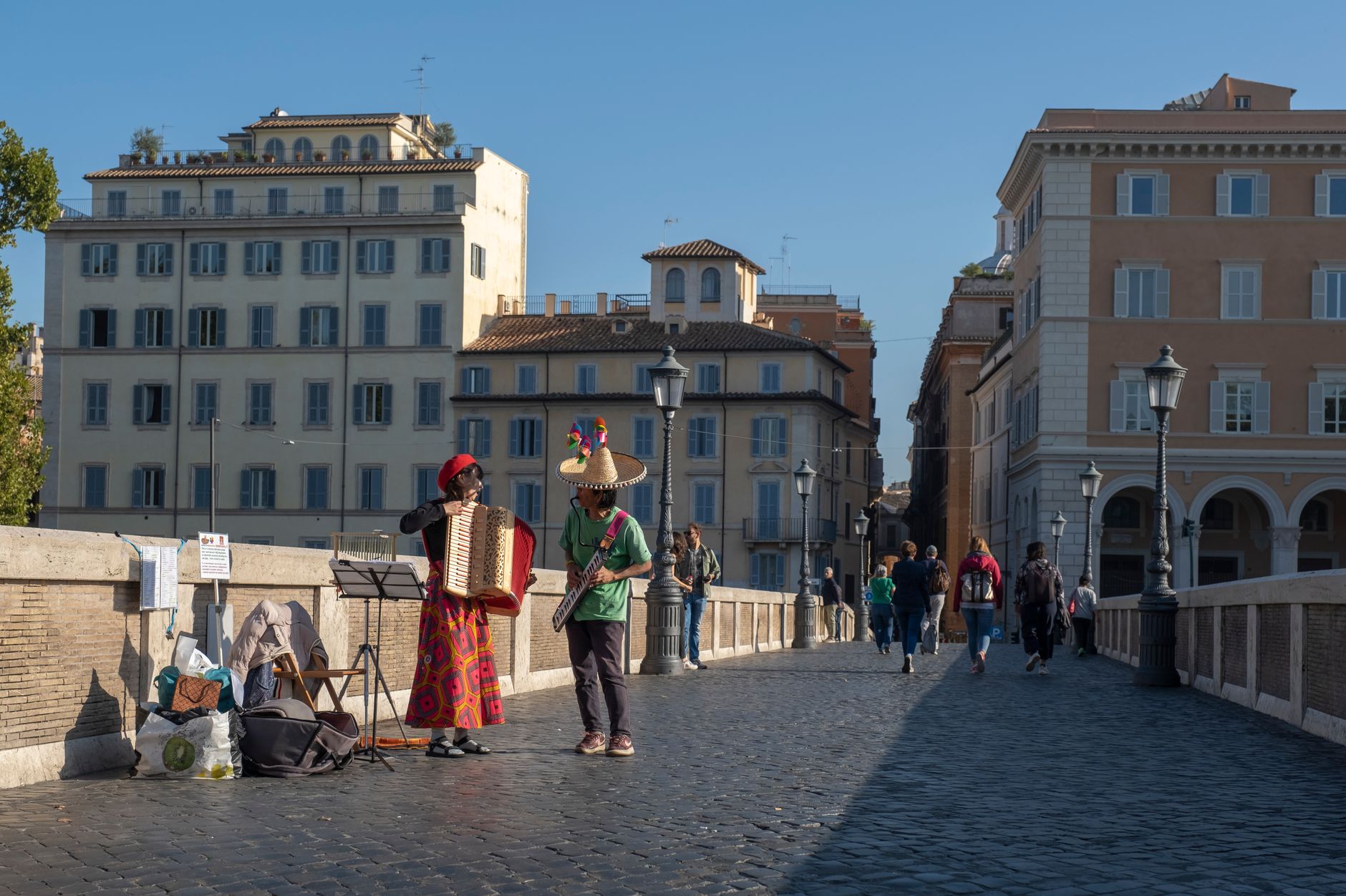
Beyond the famous spots lie smaller churches, lesser-known museums and street corners where you'll barely see another tourist. These are the places that guides, especially those with a genuine passion for their city, will take you to. They tell you why a particular fresco matters, or what a specific stone reveals about history. Families who've visited Rome have discovered that some of the most valuable moments are actually free: walking through a pedestrian street, watching street musicians in the Gothic quarter, or simply sitting on a step and absorbing the life of the city.
Bring your camera, but remember to stop sometimes and take it all in without any devices
Try to visit a museum at least once during free-entry hours, when you'll meet the local crowd
Let yourself be guided by chance: step through unexpected doorways and small piazzas that aren't in any guidebook
Practical tips and preparation
Public transport in Rome is remarkably efficient given the city's size, and costs are reasonable, leaving you more money to spend on what matters: good food, museum visits, and unexpected experiences. Many families who've lived in or spent time in Rome have discovered it's much better to prepare most meals yourself, using local markets and small delis, than to eat in restaurants every time. Lunches are generally cheaper than dinners, and you'll eat what locals eat.
Culturally speaking: Romans appreciate courtesy and some effort to speak Italian, though English is widely spoken in tourist areas. It's useful to know a few basic phrases, not because you always need them, but because it shows respect. For safety: Rome is generally safe for tourists, but keep your belongings close in busy areas, just as you would in any major city. Many travellers report feeling comfortable, with the same healthy caution you'd use anywhere.
Wear a money belt or small backpack under your clothing in very crowded spots: it's precaution, not paranoia
Learn a few Italian words, such as 'grazie', 'per favore' and 'scusi': locals appreciate the effort
Carry cash, as not all small shops accept cards
Eat where locals eat: small trattorie in non-touristy neighbourhoods offer better quality at lower prices
Generated from 11 travel guides and experiences · Sources