Boudhanath Stupa, one of the largest Buddhist stupas in the world
2
Swayambhunath (Monkey Temple), panoramic views over the Kathmandu Valley
3
Durbar Square, medieval palaces and temples (UNESCO World Heritage)
4
Thamel district: trekking gear shops, rooftop restaurants, and live music
5
Day trip to Patan and Bhaktapur, the ancient Newar cities
6
Pashupatinath Temple, sacred Hindu cremation ghats on the Bagmati River
Local tip
Before you go to Kathmandu
Kathmandu is chaotic but safe. Use Pathao (local ride app) or walk. Air quality can be poor, bring a mask. Budget 1-2 days before heading to Pokhara or a trek.
Content is hosted on third-party platforms. Wayloha links to public hashtag pages and does not store any social media content.
Ready to visit Kathmandu?
Tell Wayloha your travel style, budget and travel dates. We'll build your complete day-by-day Kathmandu trip plan. Your first draft is on your screen within a minute.
Kathmandu isn't just a capital city - it's a maze of centuries-old temples, colourful prayer flags and spiritual energy you feel the moment you arrive. Here, old traditions and modern life collide, chaotic but captivating, and every street tells a different story of Nepal's rich heritage.
Why visit Kathmandu
Kathmandu pulls you into a world that feels like a step back in time, but with a heartbeat that's very much alive. The city is the centre of Nepal's spiritual heritage: you can meditate at the Swayambhunath Stupa (better known as the Monkey Temple), with its Buddhist energy and spinning prayer wheels, or explore the sacred grounds of Lumbini, where Buddha himself was born. What really makes Kathmandu special is how the past runs straight through its streets - Durbar Square is packed with centuries-old palaces and temples that take you back to royal times.
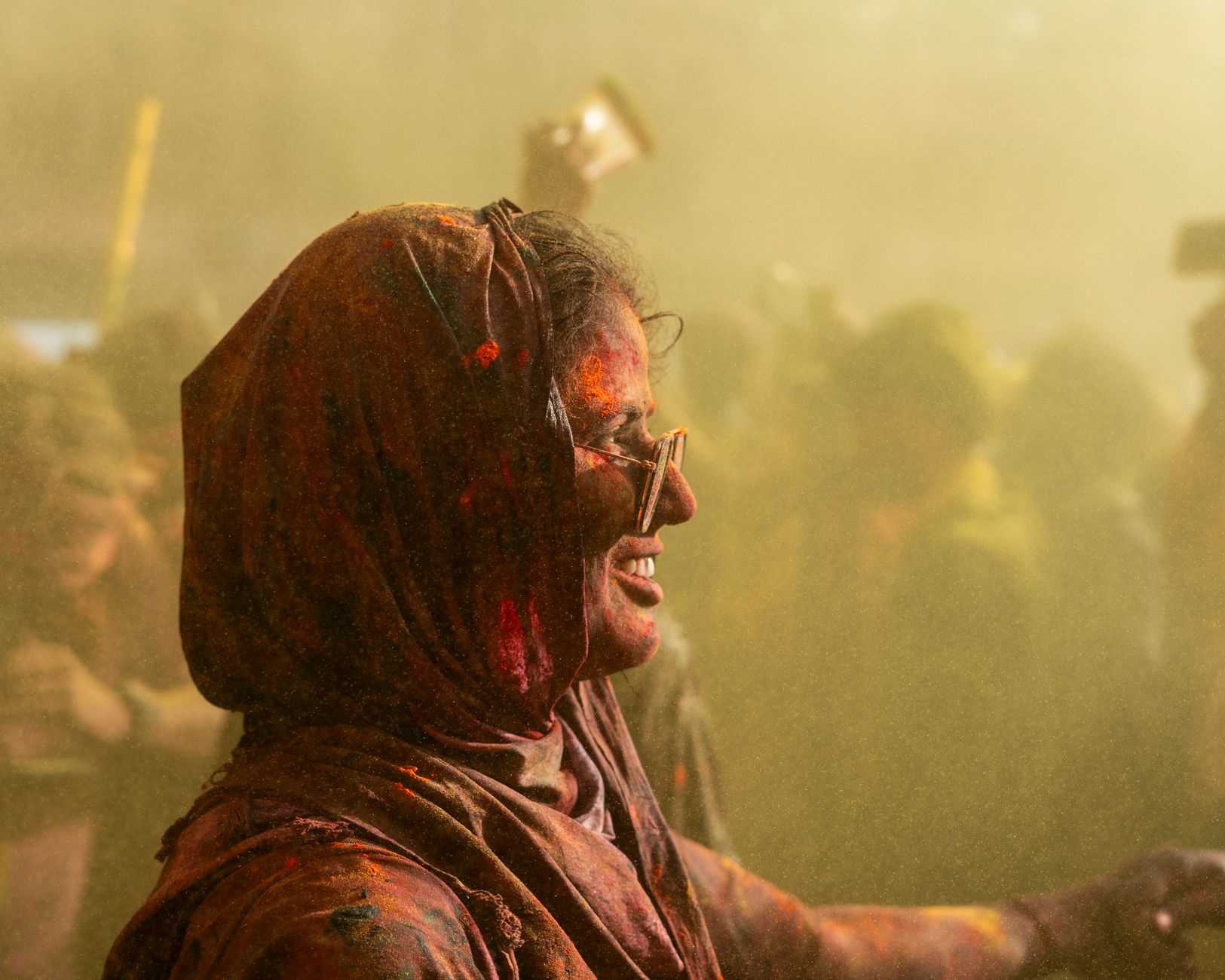
But it's not just about religion and architecture. Kathmandu is an explosion of colour and tradition. Join the chaotic joy of festivals like Dashain or Holi, when the whole city bursts into celebration and community spirit. The craftspeople here still make intricate work using the same techniques their ancestors used generations ago. Whether you're after spiritual peace, cultural immersion, or just want to feel like you're standing at the heart of something much bigger - Kathmandu delivers.
Visit Swayambhunath early in the morning for fewer tourists and better light for photos
Build the local festivals into your plans - the atmosphere is incomparable and far more authentic than at other times
Take time to just wander the old alleyways; some of the best discoveries happen without any planning
When to go
Timing matters a lot in Kathmandu, and you definitely want to avoid the monsoon. Heavy rain turns the streets into mud and can make trekking impossible. Avoid June to September if you want dry weather and clear views. The dry seasons - October to November and February to March - are your best bet. These months bring clear skies, comfortable temperatures and excellent visibility, especially if you're heading up into the Himalayan foothills from there.
October to November, right after the rainy season, might be the best time of all. The air is crystal clear, temperatures are mild, and many local festivals take place during this period. February and March are good too, though they edge closer to the warmer season. April and May can get very hot, with less clear views of the mountains. Winter (December to January) is dry but can be cold, especially at night, and some mountain passes can become inaccessible because of frost.
Plan your visit around festivals like Dashain (September/October) or Holi (February/March) for a burst of local energy
Check weather patterns before April - it can be unpredictable and throw off your trekking plans
If you're heading to higher areas, go during the drier months and pack layers for temperature changes
How to get there and get around
Kathmandu is fairly easy to reach through Tribhuvan International Airport (KTM), Nepal's main gateway. Once you're there, the city is compact enough to navigate, but you'll want to avoid wading straight into the nearest chaos. Tuk-tuks are everywhere - they're cheap, local and very much part of the Kathmandu experience, though they usually run without a meter, so agree on a price beforehand. Microbuses take you to nearby places like Patan and other parts of the valley, and fares are minimal.
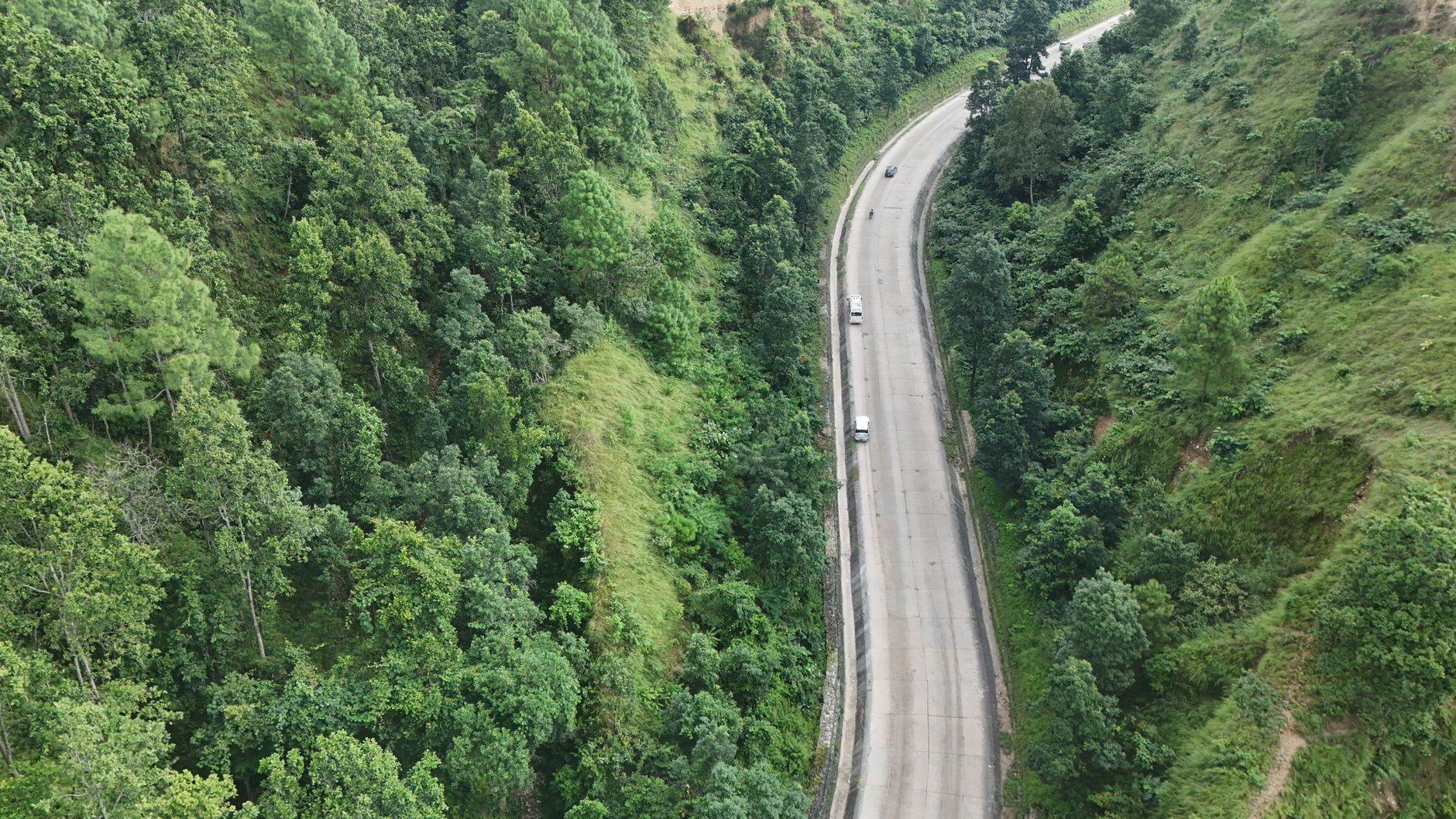
For longer distances, like to Pokhara for rafting or to mountain towns, your options are local buses (cheap but slow and often crowded) or shared jeeps (faster, more comfortable and only slightly pricier). If you're properly trekking or heading out on an adventure in the surrounding areas, you can book guide and transport services from verified local experts - they know the best routes and can take you to places you won't find in guidebooks. The city itself is best explored on foot; that's how you find half-hidden temples and workshops.
Only use official taxi services or ride-sharing apps if tuk-tuks make you uneasy
Negotiate tuk-tuk fares for longer trips - many drivers will offer you a day rate, which can work out cheaper
Book treks and adventure tours through local experts; they have deeper knowledge and support local communities directly
Top things to experience in Kathmandu
You *have* to see Durbar Square, where history practically speaks from the walls. This is where kings were crowned, and where Nepal's architectural heritage is packed in tight. The temples are spectacular, but take your time just sitting and watching - local priests, pilgrims and tourists cross paths in an odd but harmonious dance. Swayambhunath Stupa, higher up in the valley, is spiritual on a whole different level. The monkeys that roam around there are funny but not exactly tame, so watch yourself. What makes it truly magical is the spinning prayer wheels, the chanting monks and the feeling that you're really standing on sacred ground.
For a different kind of adventure, head to Chitwan National Park for a safari - this is where you have real chances of spotting rare rhinos, Bengal tigers and exotic bird species. Paddling traditional canoes down jungle rivers feels like stepping into a nature documentary. And if you've still got energy left, there are rafting and kayaking routes across Nepal you can reach from Kathmandu (Pokhara is a popular base) - these offer pure adrenaline amid dramatic landscapes. Finally, don't forget to wander the craft quarters and local markets; this is where you see how things are actually made.
Join temple ceremonies early in the morning; you'll feel the authentic spiritual energy when there are no tourists around
For Chitwan, book a guide on the ground; they know the animals' movement patterns and boost your chances of spotting them
Bring plenty of water and sunscreen for Durbar Square - there's no shade and it gets steep quickly
Practical tips
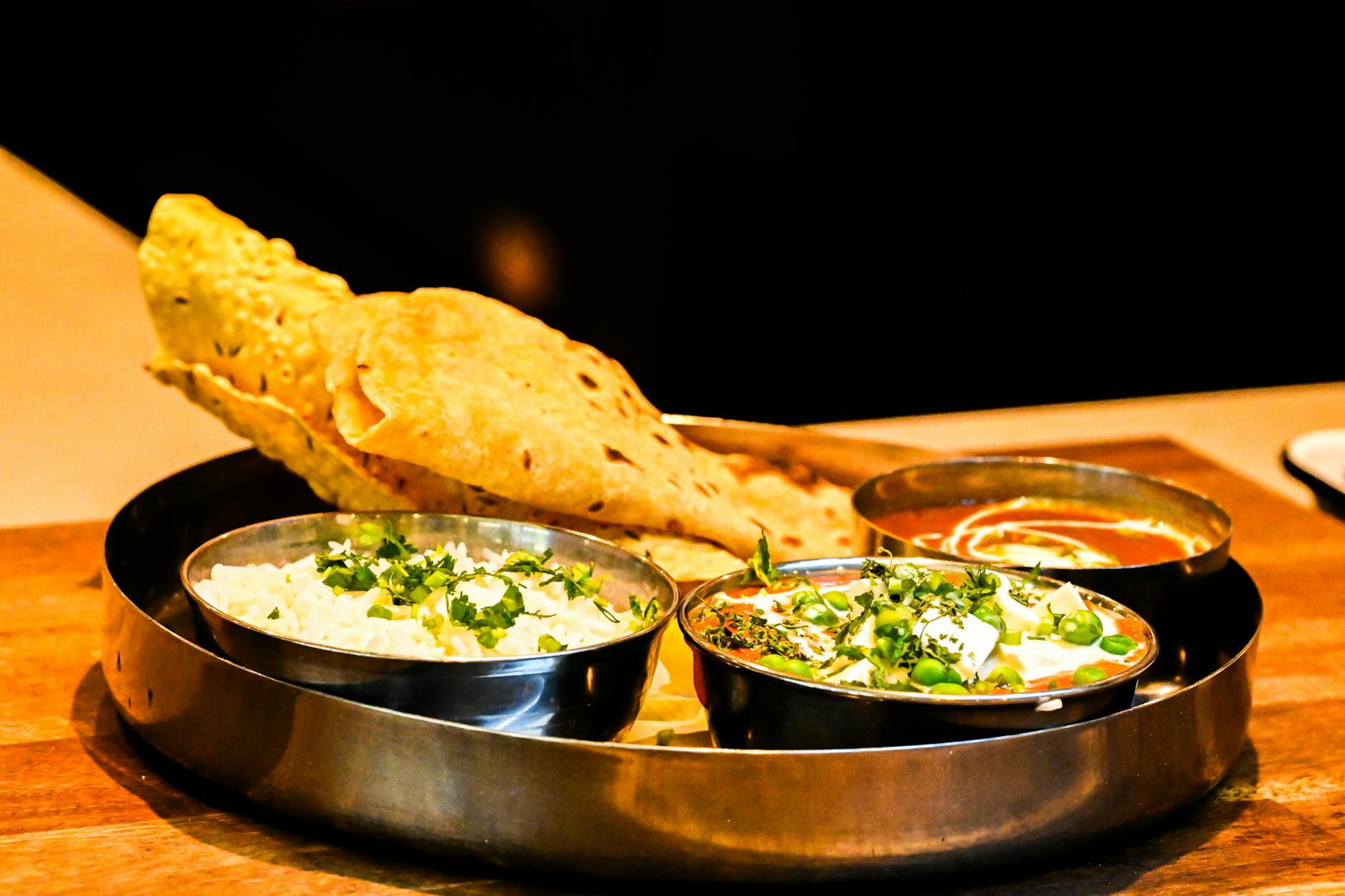
Kathmandu is pretty affordable, especially compared to Western Europe. Street meals cost just cents, hostel beds a few euros, and even restaurants aimed at tourists are reasonably priced. Do bigger transactions through ATMs, which are everywhere - you get a better exchange rate. The local currency is the Nepalese Rupee. English is widely spoken in tourist areas, but learning a few basic phrases in Nepali (thank you: dhanyabad; hello: namaste; yes/no: ho/hoina) goes a long way with locals.
Be careful with food and water related illnesses - only drink boiled or bottled water, eat cooked food and be cautious with raw vegetables. Kathmandu has medical facilities, but not to Western standards, so make sure you have basic insurance. As for etiquette: take off your shoes before entering temples, respect meditation areas and handle religious objects (like prayer wheels) with care. Nepali people value patience and kindness over rushing. Nepotism is not tourism - the underlying atmosphere is one of spiritual respect.
Learn 'Namaste' and use it - it's about more than a greeting; it's about recognising the good in others
Pack stomach settling tablets; the change in food can upset your gut, especially for the first few days
Dress modestly - cover your shoulders and knees, especially around sacred sites; it's appreciated and shows respect