Tourist buses between Kathmandu, Pokhara, and Chitwan. Internal flights to Lukla for Everest. Trekking is mostly on foot.
Travel information
Before you go to Nepal
✈️
Airports & entry
Nepal has 3 major international airports. Consider Kathmandu (KTM) as your main entry point, or fly in and out from different cities to see more.
🗓️
Best trip length
Most visitors spend 10–18 days in Nepal. Shorter trips work well for focused regions; longer trips let you explore more deeply.
🗺️
Regions to know
Nepal has 4 distinct regions. Kathmandu Valley and Pokhara & Annapurna are the most popular starting points for first-time visitors.
🚗
Getting around
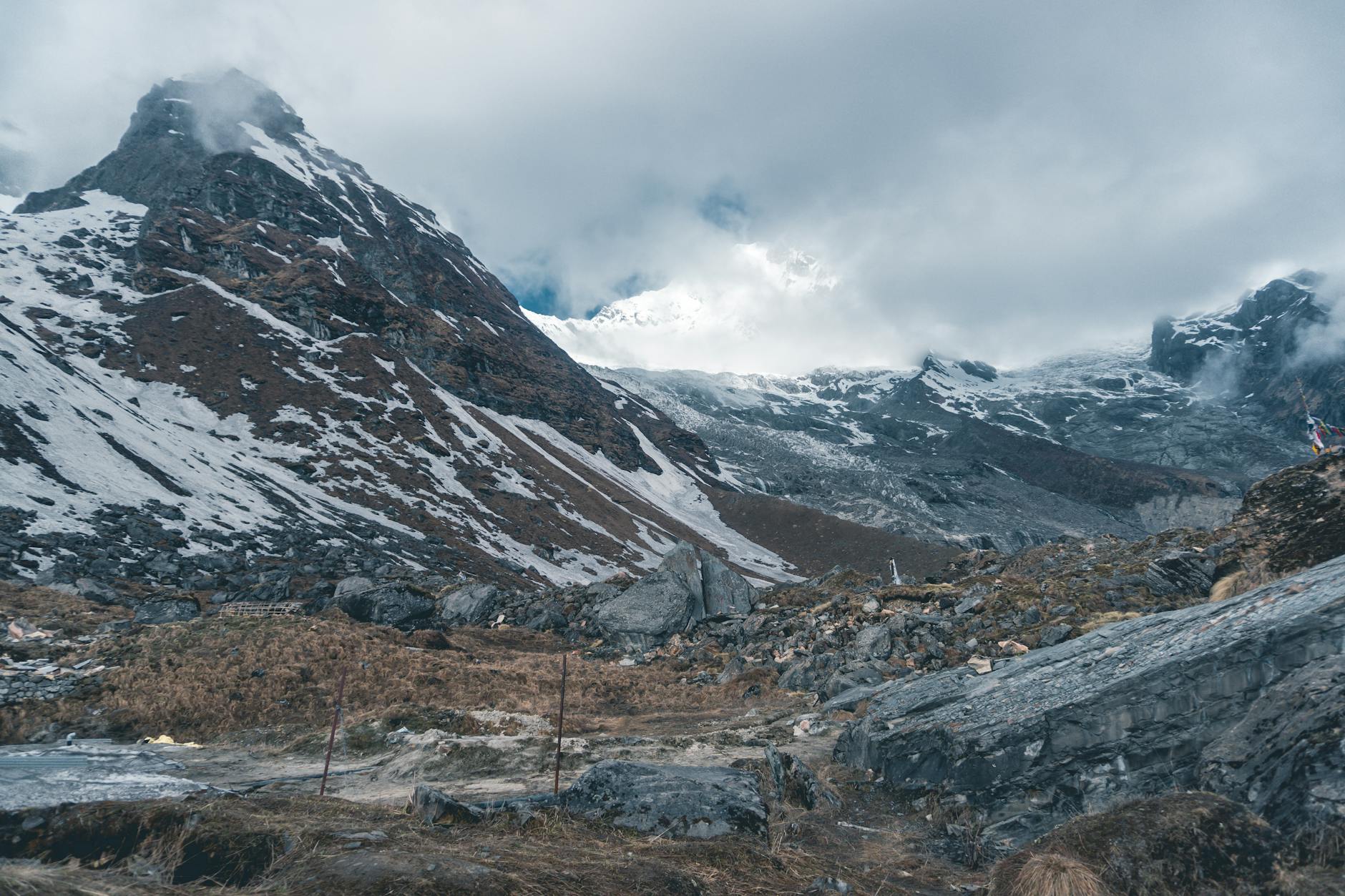
Tourist buses between Kathmandu, Pokhara, and Chitwan. Internal flights to Lukla for Everest. Trekking is mostly on foot.
💡
Smart planning tip
Generate a personalised trip plan with Wayloha: just enter your budget, travel style and travel dates. Our AI reads 62 travel blogs to build your perfect route.
📋
Preparation guide
After generating your trip plan, Wayloha creates a full preparation guide, including packing list, visa info, SIM card tips, money advice and local customs tailored to your trip.
Travel inspiration
Nepal in pictures
Real travel content from the community. See the latest photos, videos and stories from people who've already been.
Content is hosted on third-party platforms. Wayloha links to public hashtag pages and does not store any social media content.
Ready to visit Nepal?
Tell Wayloha your travel style, budget and travel dates. We'll build your complete day-by-day trip plan. Your first draft is on your screen within a minute.
Booking.com affiliate links: Wayloha earns a small commission at no extra cost to you
Travel guide
All about Nepal
Nepal is a place where the world's highest mountain peaks meet ancient spiritual traditions and raw natural beauty that takes your breath away. Whether you trek towards the snow-capped Himalayas, walk among meditative Buddhist temples, or find yourself face to face with a Bengal tiger, this country offers experiences that touch both heart and soul.
Why visit Nepal
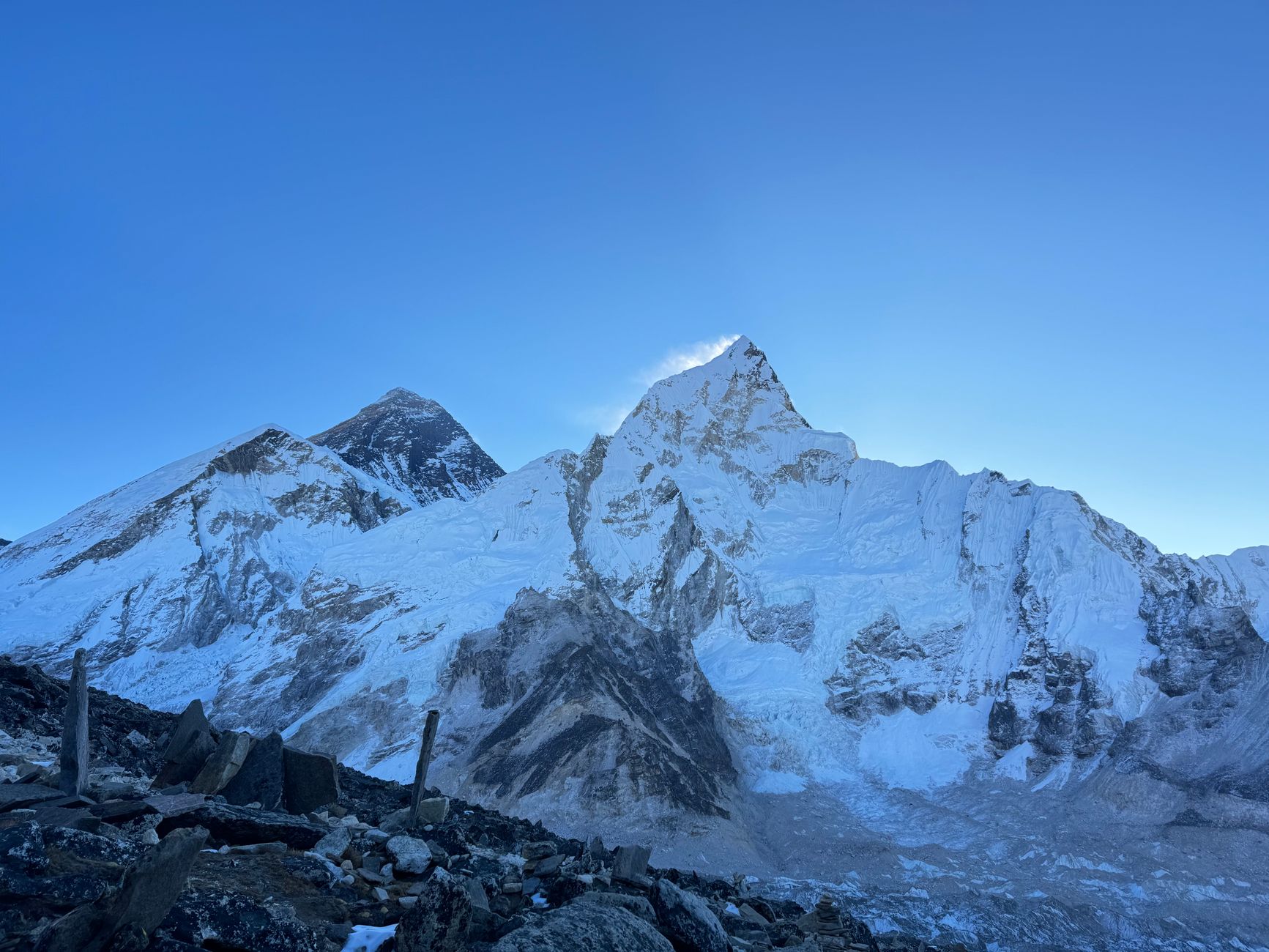
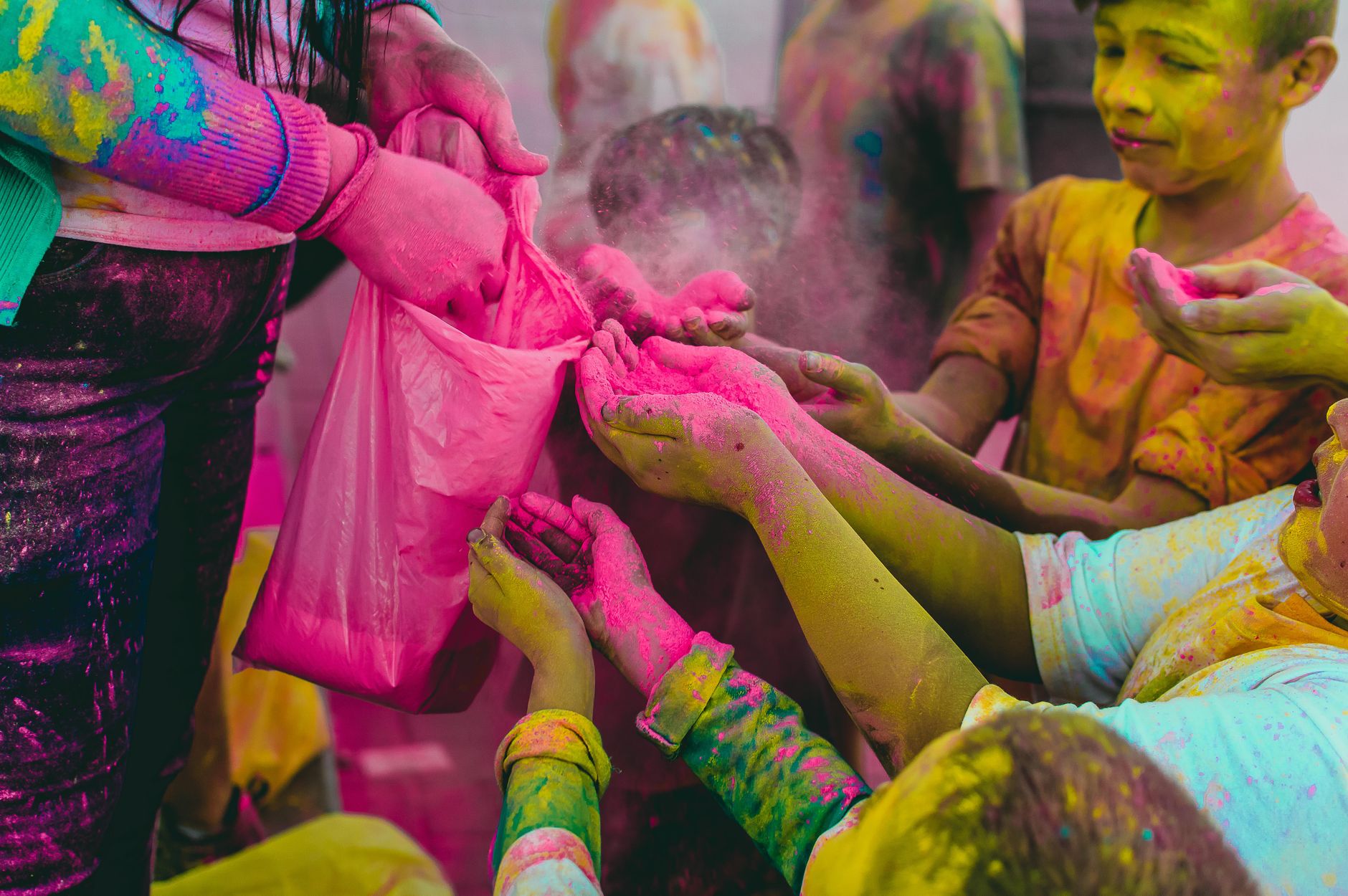
Nepal speaks to different kinds of traveller at once, and that's what makes it special. The grandeur of the Himalayas, with Mount Everest as its most famous peak, creates a physical and emotional presence you cannot ignore, even if you're not a climber. Simply standing in the shadow of these mountains is itself a transformative experience. At the same time, spiritual energy pulses through the land via sacred sites like Lumbini, where Buddha was born, and the Swayambhunath Stupa, where you hear the sound of singing monks and clicking prayer wheels. The culture is strikingly diverse: walk through Kathmandu's Durbar Square with its ancient temples and palaces, or experience the raw vitality of festivals like Dashain and Holi, when the whole country comes together. Beyond that, Chitwan National Park offers a different kind of adventure: a jungle where Bengal tigers, rhinos and exotic bird species still roam free, and where you paddle through rivers in traditional canoes.
Experiencing Nepal means encountering culture on multiple levels at once: combine trekking with temple visits for balance
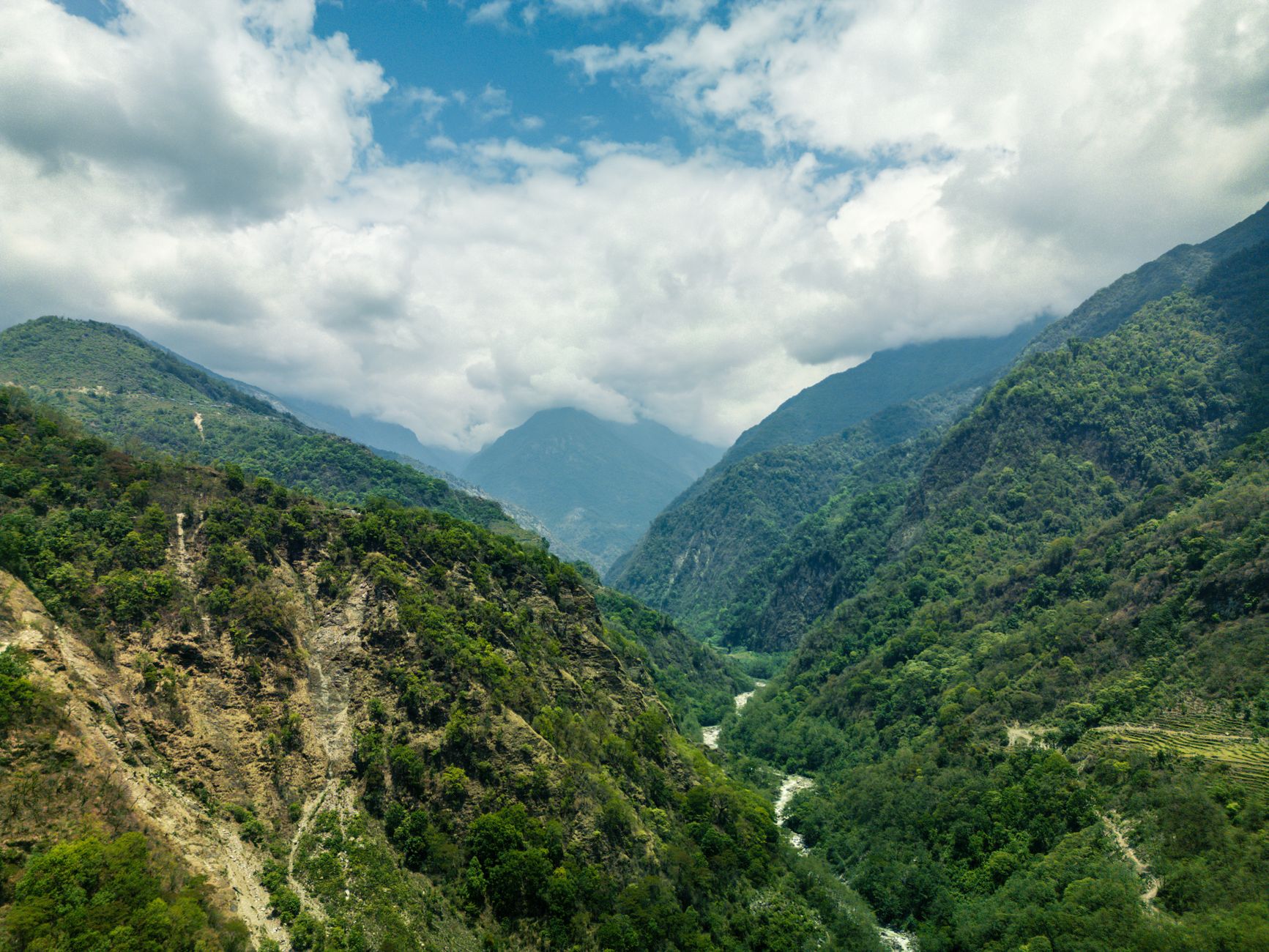
Landscapes shift rapidly from subtropical jungle to alpine snow depending on your location and season
Local experts can help you find the lesser-visited places where authentic Nepalese culture still thrives untamed
When to visit Nepal
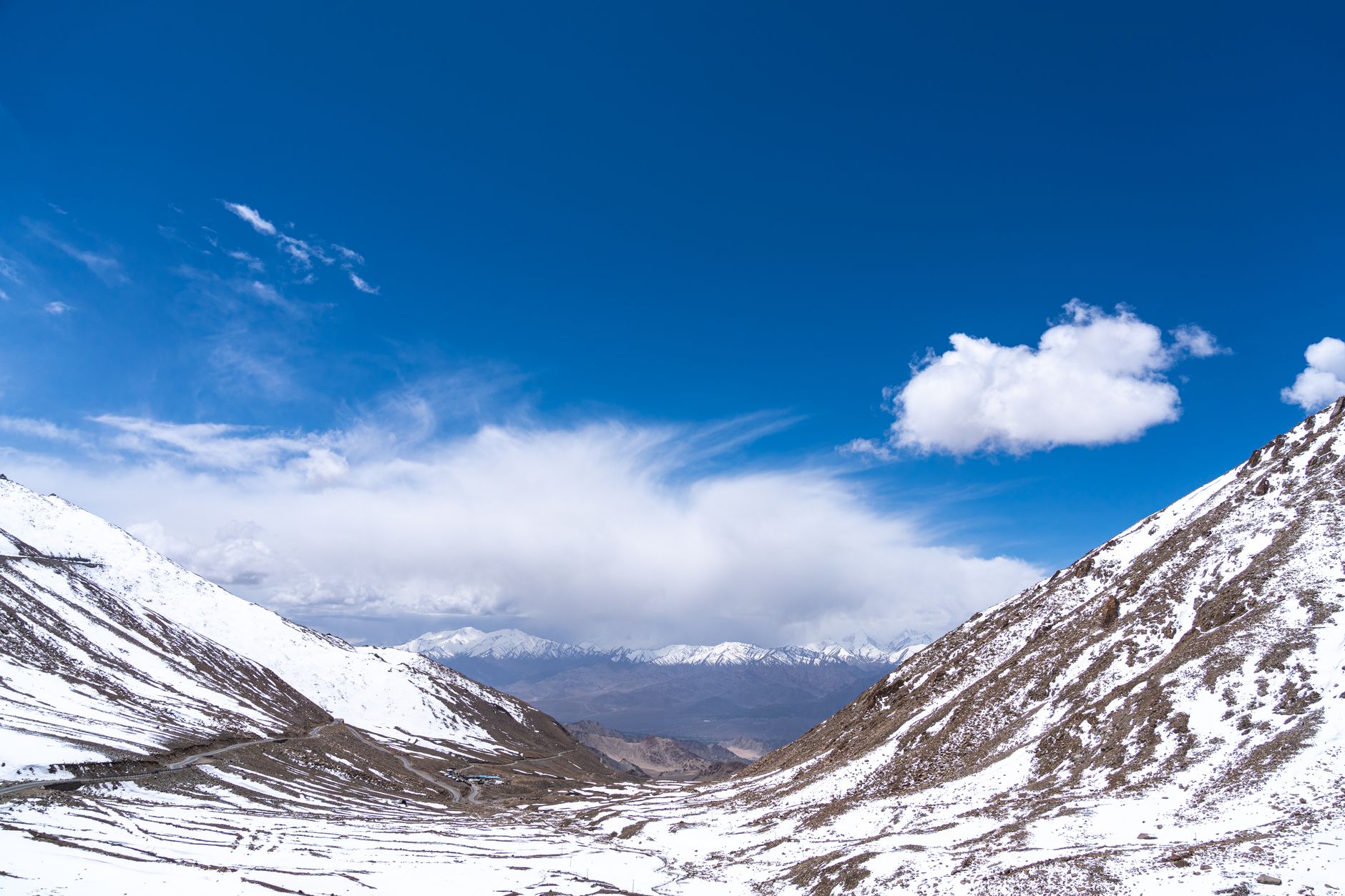
When you visit Nepal shapes radically what you experience. The so-called trekking season runs roughly from September to November and March to May, when the sky is clear, mountain views are at their best, and temperatures feel pleasant. These periods attract more travellers, but the atmospheric conditions make the wait worthwhile: you actually see the peaks instead of walking through clouds. Dashain (September/October) and Holi (March) are vibrant festivals that make the whole country come alive; if you want to experience culture at its richest, time your visit around these celebrations. The monsoon runs from June to August and brings intense rainfall that makes many trekking routes inaccessible, though fewer trekkers means you have the peace and a lush green landscape. Winter (December to February) is colder, especially at higher elevations, but many rural areas and lower valleys remain pleasantly accessible. Information about weather patterns in specific months, such as March, April and February, helps with precise planning. Consult local experts for real-time insights into how conditions unfold that particular year.
Book trekking expeditions at least 2-3 months ahead if you're travelling in peak season; guides fill up quickly
Festivals like Dashain and Holi bring magical energy but also busy markets, so arrange your accommodation well in advance
The monsoon months (June to August) are underrated: fewer crowds and the jungle bursts with life, perfect for safaris
How to get there and get around
Tribhuvan International Airport in Kathmandu is your gateway, with direct connections from Europe via hubs like Delhi, Doha or Istanbul. Once you land, a local guide helps you navigate the logistics. Within Nepal itself, transport depends on your goals: for trekking adventures like the Annapurna Circuit or Everest Base Camp, you follow established routes with small lodges along the way. For Chitwan National Park, a guide arranges safaris and river trips where you travel by jeep and traditional canoe. In the Kathmandu Valley itself, you move on foot or by local taxi; public transport is cheap but chaotic for unprepared travellers. Domestic flights connect major centres quickly, though mountain weather regularly disrupts flight schedules. The best approach: work with verified local experts who have decades of experience with logistics, seasonal patterns and the specifics of each region.
Book your flights to Kathmandu outside trekking seasons for better prices and more flexibility
Make sure your travel insurance covers altitude sickness and evacuation: elevation changes can become problematic fast
Download offline maps of your trekking route; mobile signal is unreliable in the mountains
Top experiences you shouldn't miss
Everest Base Camp trekking is the ultimate Himalaya adventure, not because you climb the peak, but because you spend days walking through the mountains, past prayer flags, through villages and over passes where the air feels thin. Annapurna Circuit delivers equal grandeur with more landscape diversity and a lower logistical barrier. For those who prefer to experience the mountains from a distance, Kathmandu and Patan have plenty to offer, with their Durbar Squares full of ancient temples and palaces where you literally walk through architecture from centuries past. Spiritual seekers visit Lumbini, Buddha's birthplace, where you feel why this location means so much. For wildlife: Chitwan National Park truly puts you inside a nature documentary, where you see Bengal tigers, rhinos and bird species that birdwatchers save their whole lives for. Lesser-known experiences include mountain biking on unmarked routes, kayaking and rafting through rivers in untouched jungle, and walking through the central and western hills where you really venture off the beaten path. Each activity feels different: high trekking is contemplation, wildlife safari is adrenaline, spiritual sites are humbling, cultural cities are leisure.
Combine multiple activities: start with Kathmandu's culture, trek the mountains next, finish with Chitwan's nature
Hire local guides for trekking: they know hidden mountain lodges, the best sunrise spots and local stories
On Chitwan safaris, wake early for peak wildlife activity: animals hunt and drink before sunrise
Practical tips for your trip
Language is less of a barrier than you might think: English is widely spoken in tourist hubs, and local guides help bridge communication gaps. The Nepalese rupee (NPR) is the standard currency; ATMs are available in Kathmandu and larger towns, less common in mountain areas, so bring extra cash. Health matters: altitude insurance and evacuation cover are essential; ascend gradually during high treks to prevent altitude sickness. Safety in Nepal is generally positive, especially on well-established routes where guides are experienced. Respect for local culture is not optional: remove your shoes at temples, accept the central role of Buddhist faith in daily life, and don't give money directly to begging children (work through established organisations instead). Etiquette also includes eating with your right hand (the left is considered unclean in traditional contexts), not pointing at religious objects, and being careful with photography: always ask first. Many local experts with years of experience help you navigate these nuances without causing offence.
Pack layers for trekking: the day can feel warm and sunny, but nights become intensely cold in the mountains
Start preparing physically if you plan high trekking; 6-8 weeks of cardio and walking help prevent altitude sickness
Buy travel insurance that covers altitude to at least 5,000 metres; Everest expeditions require higher limits
Generated from 2 travel guides and experiences · Sources