Content is hosted on third-party platforms. Wayloha links to public hashtag pages and does not store any social media content.
Ready to visit Marrakech?
Tell Wayloha your travel style, budget and travel dates. We'll build your complete day-by-day Marrakech trip plan. Your first draft is on your screen within a minute.
Marrakech isn't an ordinary city, it's an explosion of the senses. Colourful tiles, the smell of exotic spices, the call to prayer echoing through narrow alleys, and friendly faces everywhere beckoning you towards secret corners. This is a place where European, North African and African cultures meet in one hypnotic mix.
Why visit Marrakech
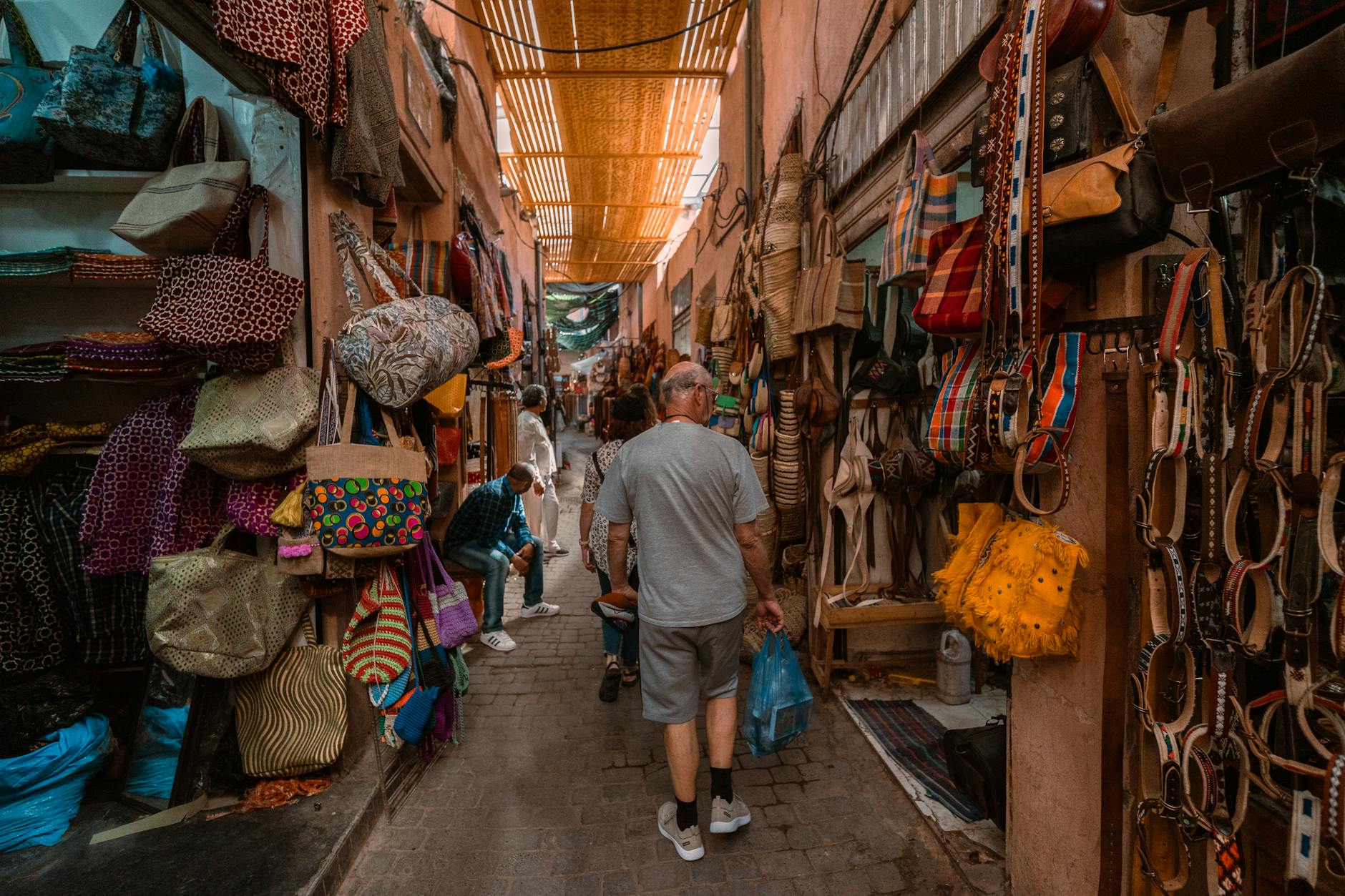
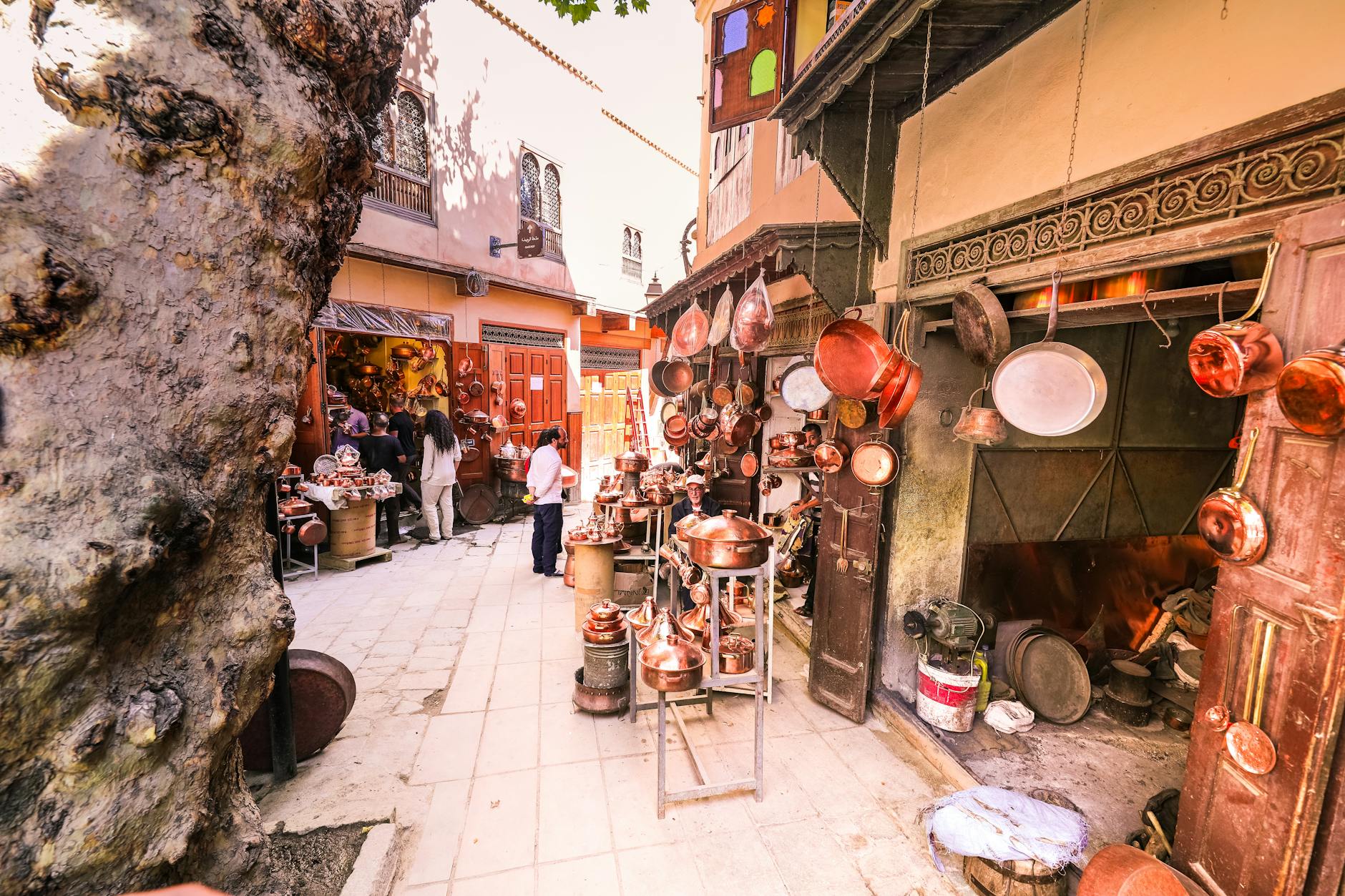
Marrakech is a sensory journey that wraps around you completely, moment by moment. The medina, the centuries-old heart of the city, is a maze of narrow streets where you feel like you've stepped a hundred years back in time. Everything happens here: traders call out their wares, the smell of tagine and couscous mixes with the sweet scent of mint, and colour flashes past you everywhere, not just in the architecture, with its blue tiles and decorated arches, but also in the seemingly endless range of textile colours in the markets.
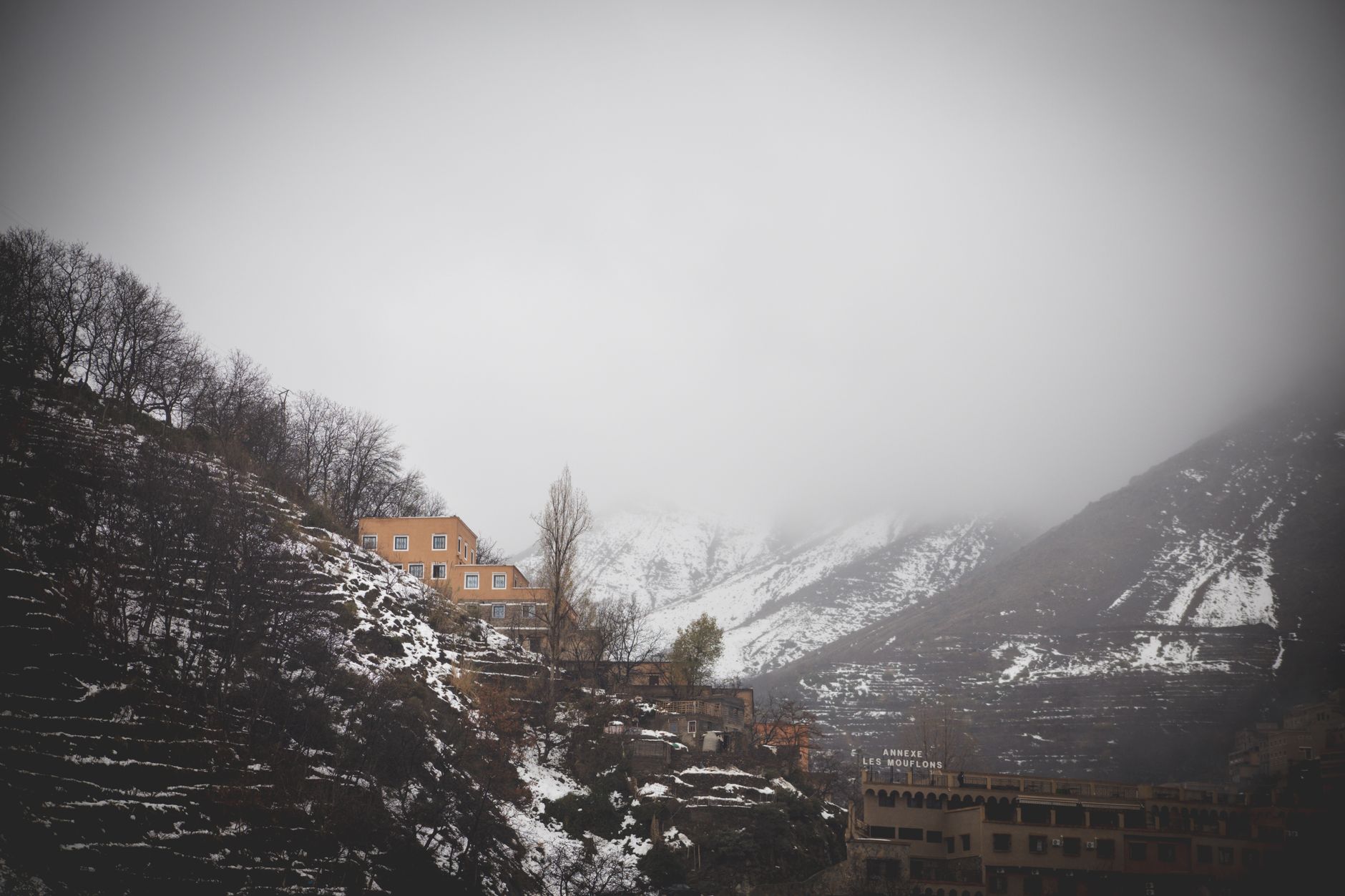
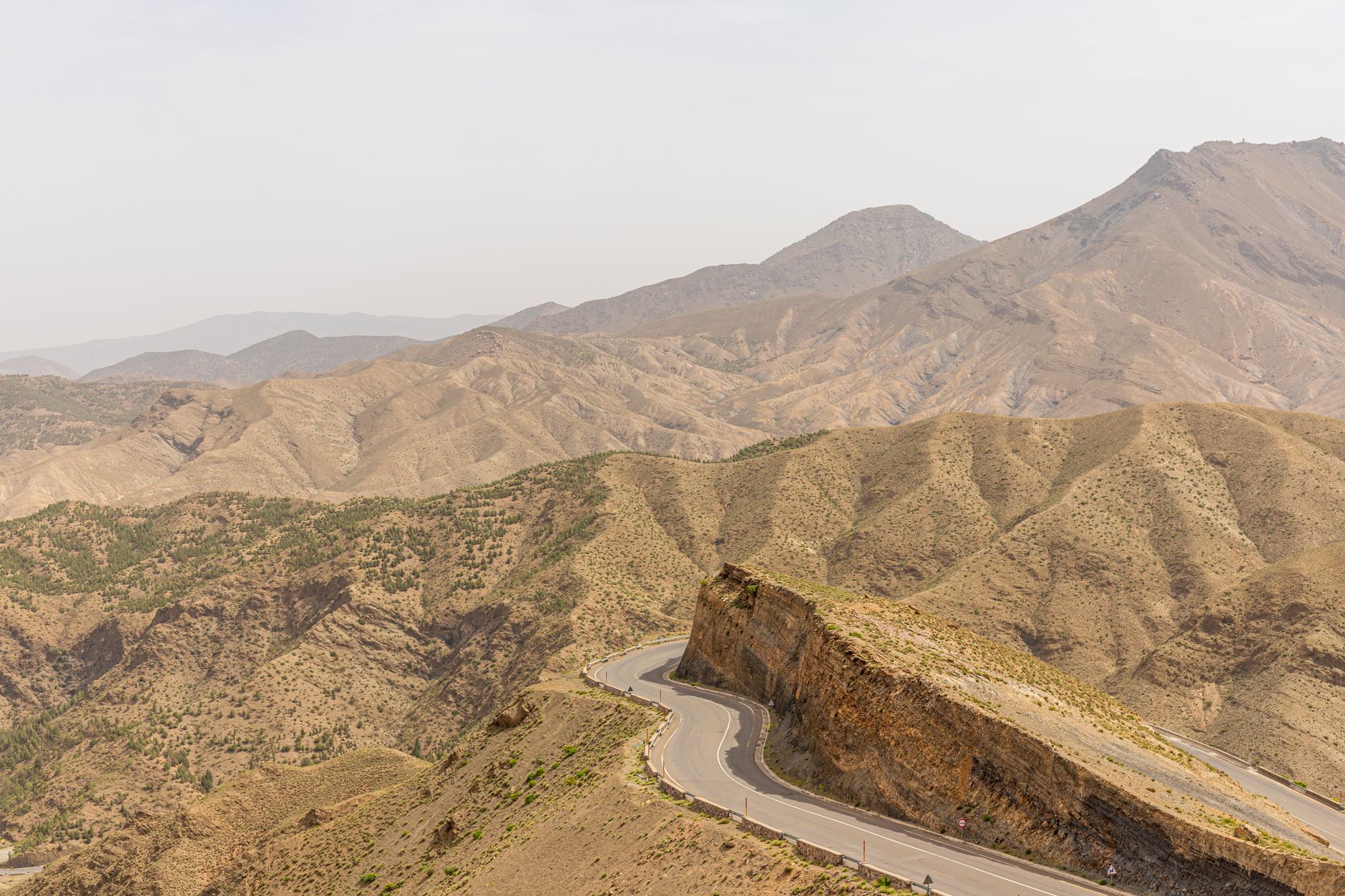
What really makes Marrakech special is the contrast. Within a few hours of leaving the busy souks and squares, you can find yourself in completely different worlds: the snow-capped peaks of the Atlas Mountains, the red clay village of Aït Benhaddou that looks like a film set, or the endless dunes of the Sahara. You don't have to choose, you can do it all. On top of that, the traditional riads offer you your own slice of paradise, with courtyards full of orange trees and fountains where you can escape the chaos outside.
Stay in a riad to experience Moroccan architecture from the inside - what looks like a dull grey building from outside turns out to be a treasure chest of decorative tiles and courtyard gardens
Visit Jamaa el Fnaa both during the day (snake charmers and juice stalls) and at night (music, dancers and performers under twinkling lights)
Take time to get lost in the medina without a map - that's where the real magic happens
The best time to go
Marrakech's climate swings between extremes: summers (June to August) can be brutally hot, with temperatures up to 34°C, while winters (December to February) are pleasantly mild, at around 16-18°C. This makes timing your trip crucial. The ideal periods are the shoulder seasons: March to May and September to November. During these months it's warm and sunny, somewhere between 20 and 30°C, without the frying-pan feeling of summer. The landscape also bursts into bloom in spring, which is lovely for photography and walking.
Don't let winter put you off: these months are sunny and perfect for exploring the city. There's a bonus too: head up to the Atlas Mountains and you can even go skiing! In summer, on the other hand, you'll notice the mountains get noticeably cooler the higher you climb, so pack an extra layer. If you prefer fewer crowds with equally pleasant weather, October and November are your best friends - the same benefits as spring, but with fewer tourists.
Avoid July and August unless you can handle extreme heat - 35°C+ isn't for everyone
March to May is the most colourful, thanks to blooming landscapes, perfect for nature photography
October and November combine perfect temperatures (21-30°C) with lower tourist numbers
How to get there and get around
Marrakech is remarkably easy to reach, by North African standards. You have three main options: fly into the international airport (the fastest), take the train (the most picturesque, with connections to Fès and other cities), or use the bus network. Once you're in Marrakech itself, everything you want to see is within walking distance. Walking is actually the best way to explore, you'll stumble across unexpected side streets, small cafés and local spots you'd never find with a guide.
If you want to head outside the city, and you should, there are several options. A hire car gives you maximum freedom, especially if you want to visit several places (the Atlas Mountains are just 1-2 hours away, Aït Benhaddou around 3-4 hours). Otherwise, you can hire local taxi drivers or join organised tours. For the Sahara (an 8-hour drive), we'd recommend a 2 to 3-day tour, so you see villages and natural landmarks along the way instead of just driving straight through. Many hotels can help you arrange this, and there are plenty of reliable tour operators who share WhatsApp contacts for direct communication.
Hire a car through Sunny Cars - they offer free cancellation and insurance, which gives you flexibility
Walking through the medina is ideal - ditch the map and let your instinct guide you
For the Sahara, book at least a 2-day tour so you're not stuck in a car the whole time
The best experiences
Spend your first day fully immersing yourself in the medina. Start at Jamaa el Fnaa: feel the heat rise from the stones as you weave past snake charmers, musicians and juice stalls. This square is the pulse of Marrakech. From here, explore the souks: Souk Semmarine is the main one, but Souk Place des Epices is where you'll really come alive if you love aromatic experiences. Get ready to haggle, it's not something you're allowed to do, it's something you have to do, and shopkeepers expect it. Watch out for pushiness, say a polite no, and keep walking.
On day two, focus on architecture and beauty. Jardin Majorelle is a must, this isn't just a garden, it's an explosion of "Majorelle blue", a deep cobalt colour you won't see anywhere else. It was originally created by Jacques Majorelle and is now one of Marrakech's biggest attractions. The Bahia Palace is impressive too: this huge complex has a marble courtyard that feels incredibly luxurious, and you'll get a fascinating glimpse into the history of the vizier and his many wives. Above all, stay in a riad. What looks like an ordinary grey building from outside transforms into a world of coloured tiles, intricate patterns and usually a pool in the middle.
On day three, leave the city behind. The Atlas Mountains are less than two hours away, book a tour that takes you through beautiful valleys and traditional Berber villages. It's cool, green, and a completely different world from the busy medina. If you're up for more adventure, Aït Benhaddou is a UNESCO site with centuries-old clay houses that look unchanged since the Middle Ages. Finally, no trip to Morocco is complete without the Sahara. This takes a bit more time (at least 2-3 days), but sitting under the stars around a fire after a day of camel riding over dune after dune? That's unforgettable.
Visit Jamaa el Fnaa during the day for the full effect, then come back at night for a completely different energy
Spend at least one night in a riad - it's not a luxury, it's a way to see how Moroccans really live
Jardin Majorelle gets busy - go early (around opening time) or just before closing for quieter hours
Practical tips and safety
Safety in Marrakech is generally good, crime rates are relatively low, but tourist hotspots come with their own risks. Pickpockets operate in busy areas like Jamaa el Fnaa, so keep your valuables out of sight and watch your backpack. You'll also run into plenty of touts: vendors who aggressively push things on you, or self-appointed guides who lead you somewhere and then suddenly demand money. The answer is always the same: a polite "no, thank you" and keep walking. In the evening, it's best not to walk alone through dark streets.
Marrakech is a Muslim city, so remember that alcohol is banned outside bars. Many restaurants and cafés don't serve alcohol at all, so check in advance if a place offers it, if that matters to you. As for food, many restaurants serve traditional dishes like tagine and couscous, but there are fusion restaurants too. Try the mint tea and local dishes, it's all part of the culture. As for language, not many Moroccans speak Dutch, but French and English are widely spoken in tourist areas. It's useful to learn a few basic words: "Marhaban" (hello), "Shukran" (thank you) and "Aiedhirni" (excuse me). Finally, take out travel insurance. Medical emergencies, theft, delays and luggage problems can all happen, and having cover gives you peace of mind.
Keep saying "no" to touts and unofficial guides - they'll leave you alone once they realise you won't give in
Keep your phone and wallet secure in the medina, the pickpockets are professionals
Take out travel insurance (medical, theft, cancellation) - it's just a sensible precaution