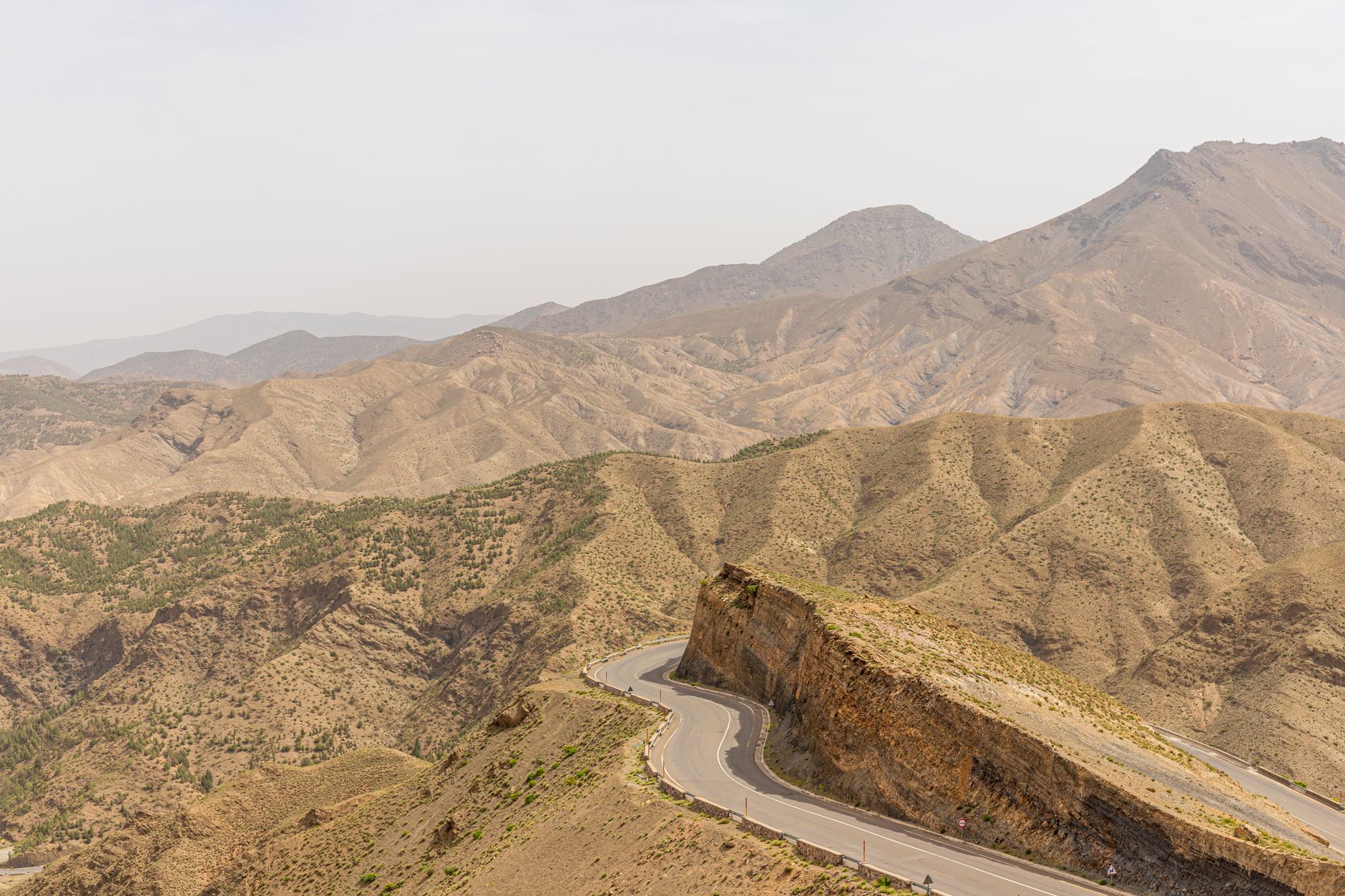
Desert and mountain routes need a car or private driver. Flying into Marrakech and out from Casablanca (or the reverse) is the most popular Morocco combination, you cross the country once instead of doubling back.
Travel information
Before you go to Morocco
✈️
Airports & entry
Morocco has 6 major international airports. Consider Marrakech (RAK) as your main entry point, or fly in and out from different cities to see more.
🗓️
Best trip length
Most visitors spend 8–21 days in Morocco. Shorter trips work well for focused regions; longer trips let you explore more deeply.
🗺️
Regions to know
Morocco has 6 distinct regions. Imperial Cities and Sahara & South are the most popular starting points for first-time visitors.
🚗
Getting around
Desert and mountain routes need a car or private driver. Flying into Marrakech and out from Casablanca (or the reverse) is the most popular Morocco combination, you cross the country once instead of doubling back.
💡
Smart planning tip
Generate a personalised trip plan with Wayloha: just enter your budget, travel style and travel dates. Our AI reads 62 travel blogs to build your perfect route.
📋
Preparation guide
After generating your trip plan, Wayloha creates a full preparation guide, including packing list, visa info, SIM card tips, money advice and local customs tailored to your trip.
Travel inspiration
Morocco in pictures
Real travel content from the community. See the latest photos, videos and stories from people who've already been.
Content is hosted on third-party platforms. Wayloha links to public hashtag pages and does not store any social media content.
Ready to visit Morocco?
Tell Wayloha your travel style, budget and travel dates. We'll build your complete day-by-day trip plan. Your first draft is on your screen within a minute.
Booking.com affiliate links: Wayloha earns a small commission at no extra cost to you
Travel guide
All about Morocco
Morocco is a country where the chaos of busy medinas flows seamlessly into the quiet serenity of the Sahara, where you can have breakfast with Berber families and dine on a Marrakech rooftop terrace on the very same day. This North African gem stirs all your senses with exotic scents, vivid colours and the warmth of hospitable locals who love to share a story over a traditional glass of tea.
Why visit Morocco
Morocco is a wonderfully contrasting country, and you can move from one moment to the next with barely any effort. Step out of a busy souk full of handmade textiles and ceramics, where every artisan weaves their own story into their work, and you suddenly find yourself in a serene riad with a quiet garden and fountain as your personal escape. The country doesn't just offer tourist experiences, but genuine sensory immersion: the Sahara desert, where you sleep under a blanket of stars, the Atlas Mountains with their snow-capped peaks, and almost 2,000 kilometres of coastline with golden sandy beaches and spectacular red cliffs.
Moroccan culture is deeply woven into its food, religion and architecture. Tagines full of harissa and roasted vegetables, the ritual of Moroccan tea preparation that radiates hospitality, and mosques with their striking calls to prayer from the minaret all create an atmosphere you won't find anywhere else. Whether you're a backpacker wanting to immerse yourself in traditional life, someone seeking rest and looking for luxury and relaxation, or an adventurer keen to ride camels and trek across sand dunes, Morocco has something for you.
Take your time in the medinas of Fes and Marrakech to see the craftsmanship up close and hear stories from local makers
Plan at least 2-3 days for a Sahara desert experience, including the drive there and the different desert landscapes
Stay in traditional riads instead of chain hotels; you'll pay just €20 a night and get a genuinely authentic atmosphere
The best time to go
Morocco is a year-round destination, though some seasons are clearly more pleasant than others. March to May and September to October are the golden months: temperatures sit comfortably around 20-30°C, the sun shines almost constantly, and in spring the landscape bursts into colour. Spring is especially magical, with flowering plants everywhere, while autumn is a touch quieter, with fewer tourists at the popular hotspots.
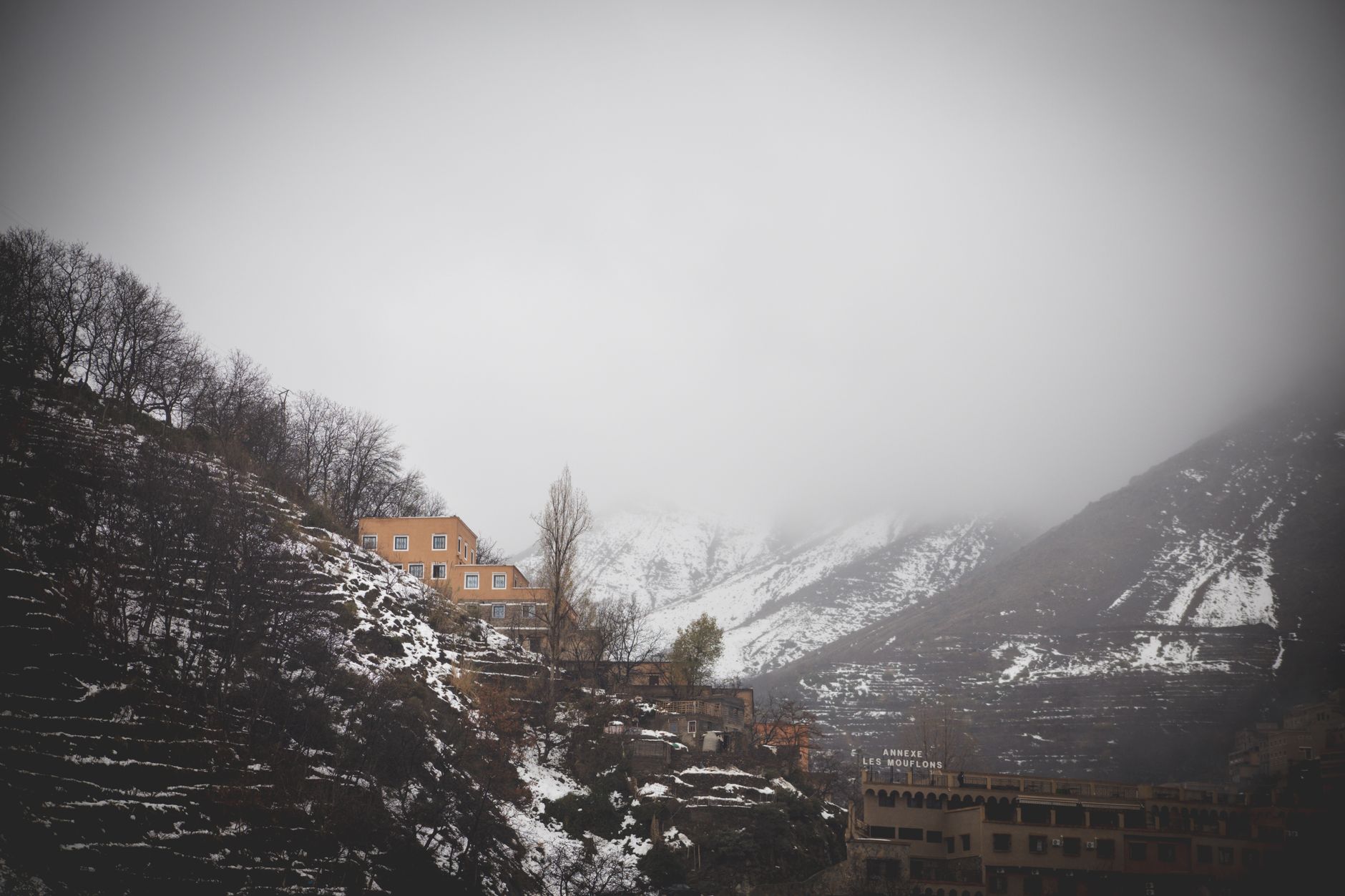
Winters (November to February) are mild and dry, with temperatures between 16-21°C, perfect for exploring the cities. November and February have become especially appealing: tourist numbers drop and all you need is a light jacket. If you fancy mountain activities like skiing, head to the Atlas Mountains, where snow falls. July and August, on the other hand, are extremely hot in the cities and usually too uncomfortable, unless you're happy lying on a beach along the coast, where it's a bit more bearable. Morocco rarely sees rain outside these seasons, so you're almost always guaranteed sunny weather.
Book your trip for March-May or September-October for the best weather and landscapes, without extreme crowds
Avoid July and August unless you're staying purely on the coast; city temperatures can get uncomfortably hot
If you go in November-February, you'll enjoy quieter attractions and still-pleasant temperatures
How to get there and get around
Getting to Morocco is easy for European travellers: most nationalities can enter visa-free for 90 days, though you do need to get your passport stamped on arrival. Marrakech's international airport offers good connections, as do the trains linking the major cities, and the roads are mostly well maintained. Once you're in Marrakech, the main sights are all within walking distance, which is actually the best way to experience the city, so don't skip it.
If you want to see more of Morocco than time allows, renting a car is well worth it. Roads are generally well maintained, although city traffic can be chaotic. Outside the cities, driving is calm and free. One important tip: never leave your passport with the rental company, and expect plenty of police checkpoints where you'll need to show your documents. Use your horn freely; it's normal here and used for communication. The drive on the Sahara route to Merzouga takes around 8 hours, with stops in small villages and at natural landmarks along the way. That's a good reason to book a 2-3 day organised tour instead of driving it yourself.
Check the passport requirements for your country; most European nationals don't need a visa for stays of up to 90 days
Book your car through a reliable platform that includes insurance and a free cancellation policy
Never leave your passport with the rental company; keep your documents with you at all times, since police checks are frequent
Top activities and unmissable experiences
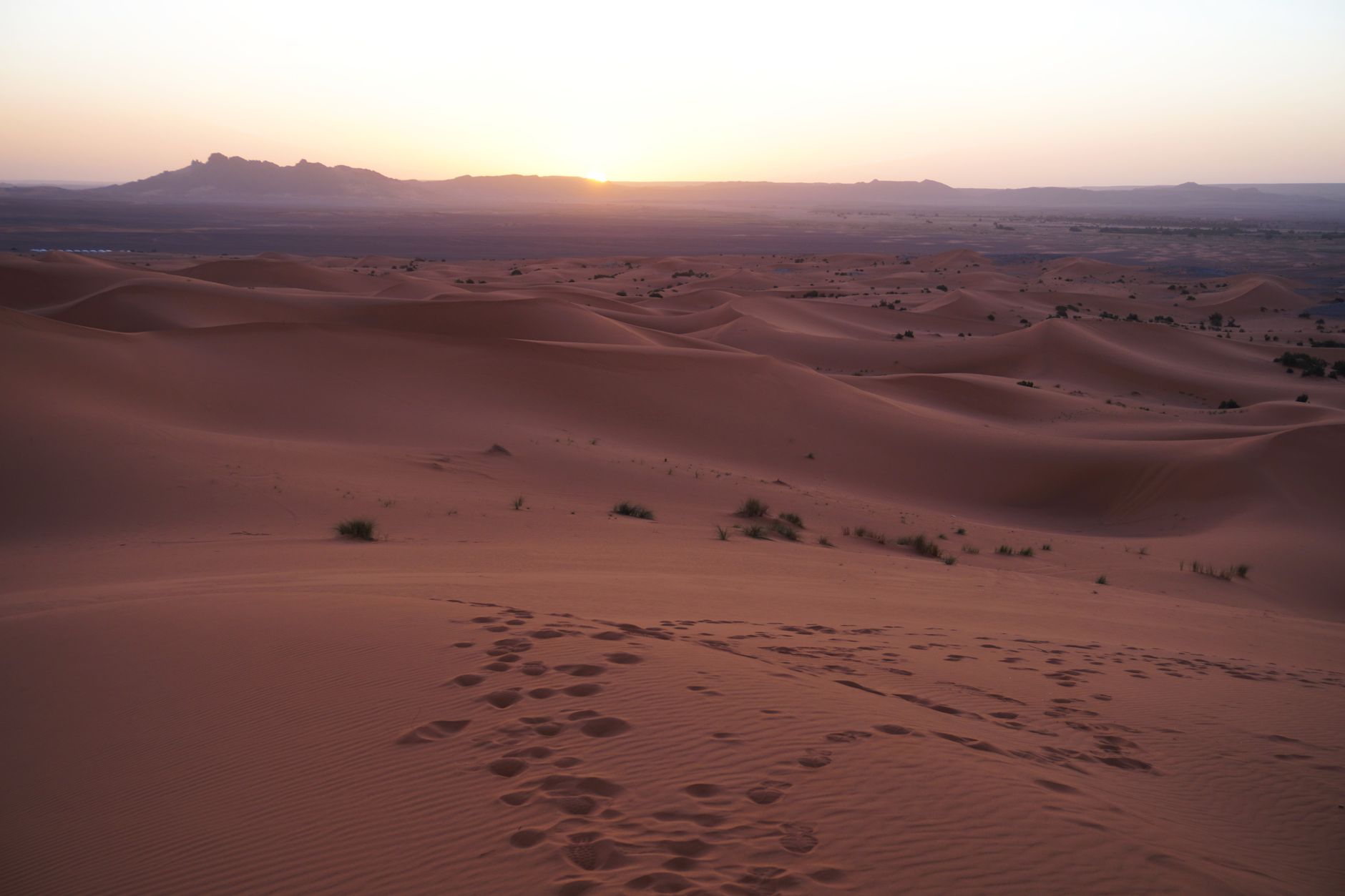
You can't go to Morocco without spending at least one night in the Sahara. Riding a camel while watching the sunrise over endless dunes is a dream come true, followed by campfires and stories under the stars at night. The Merzouga desert has the most striking landscapes, though the Agafay desert, closer to Marrakech, is a good alternative for day trips.
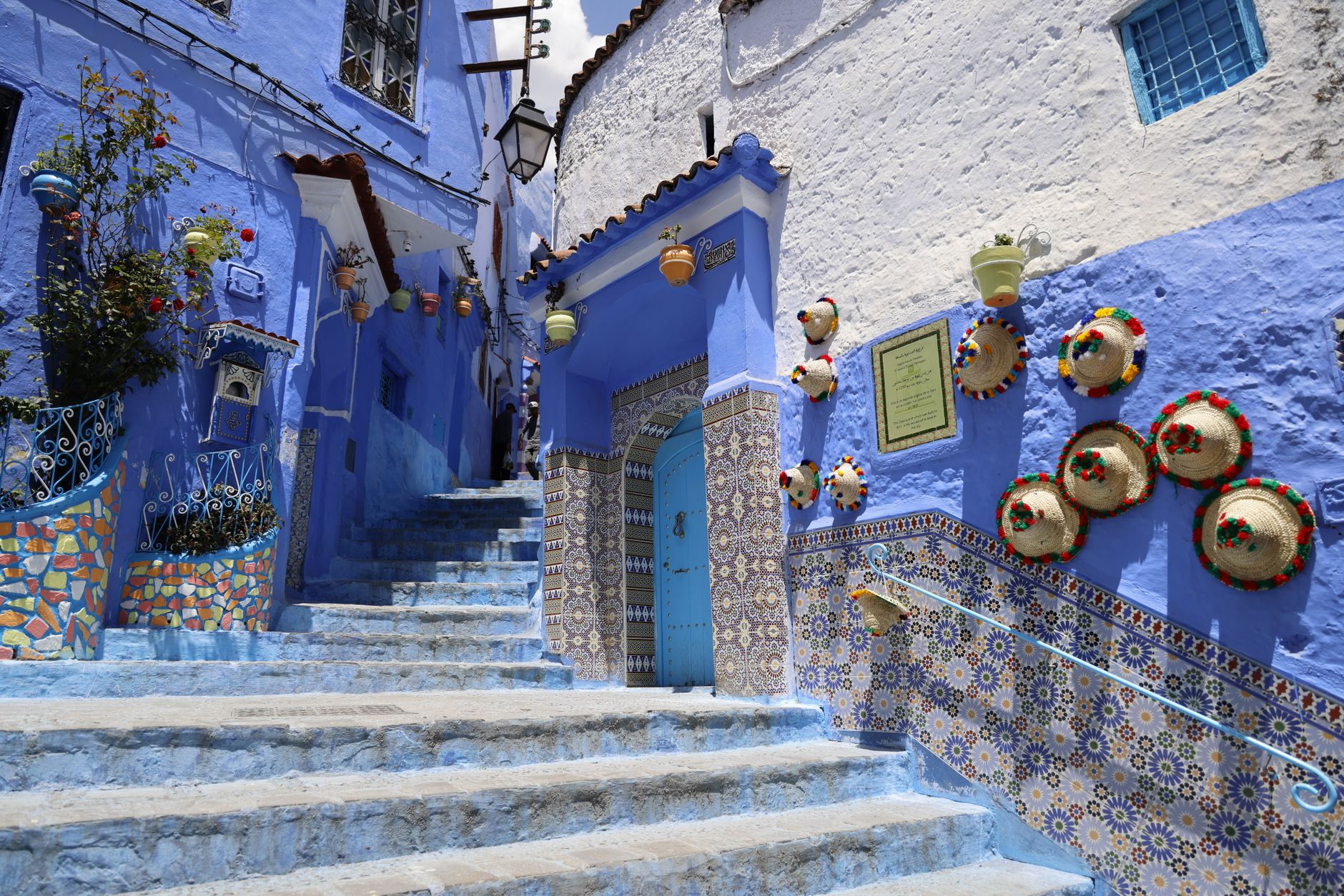
Marrakech itself is a must, with its buzzing medina, but make time for Fes too, a labyrinthine old city that genuinely feels like stepping back in time. The blue streets of Chefchaouen are spectacular to photograph and feel like walking through a painting. For coastal lovers, Essaouira is a relaxed little fishing port with golden sandy beaches, while Legzira Beach is famous for its natural red rock arches. And if you're into surfing, Taghazout is a quiet village where waves and international surfers come together. Ait Ben Haddou, a walled clay city in the desert, feels like a film set from another world.
Book at least 2-3 days for your Sahara desert experience; spending more than a day just driving wastes a lot of time
In Marrakech, combine different experiences: explore the medina by day and enjoy riad luxury in the evening
Visit Chefchaouen for its blue architecture; it's small but very photogenic and peaceful
Practical tips for your trip
Morocco is safe for tourists, though you should take the usual precautions you'd take in any busy city. Keep valuables out of sight, avoid walking alone at night, and steer clear of narrow alleys - these are standard practices here. In tourist areas like Marrakech and Fes, you'll find touts and unofficial guides who offer free services but demand payment afterwards; a polite 'no' is enough. For women travelling alone, Morocco is relatively safe, but it's safer to travel with someone else. Respect local customs by dressing modestly (covering knees and shoulders) and avoid late-night walks in quiet areas.
The official language is Moroccan Arabic, but almost all Moroccans speak French, and English in tourist areas. Don't see this as a language barrier. Morocco is affordable: a meal costs €5, and riads start from €20 a night. Don't drink tap water; use filtered bottled water or a reusable bottle with a filter system. The standard plug type is C and E (two round pins), so bring an adapter. Moroccan tea is a ceremony that symbolises hospitality; accepting it and enjoying it is highly appreciated. Finally, travel insurance is recommended for medical emergencies and lost luggage, and register with your embassy in case of natural disasters like earthquakes.
Learn a few basic words: Marhaban (hello), Shukran (thank you) and Aiedhirni (excuse me) go a long way
Bring a type C/E adapter for your electronics; they're hard to find once you're there
Get travel insurance; it covers medical emergencies, lost luggage and unexpected situations