Car recommended in Yucatán and Baja. Cities and colonial circuit are well-served by ADO buses.
Travel information
Before you go to Mexico
✈️
Airports & entry
Mexico has 5 major international airports. Consider Mexico City (MEX) as your main entry point, or fly in and out from different cities to see more.
🗓️
Best trip length
Most visitors spend 7–14 days in Mexico. Shorter trips work well for focused regions; longer trips let you explore more deeply.
🗺️
Regions to know
Mexico has 6 distinct regions. Yucatán Peninsula and Mexico City & Center are the most popular starting points for first-time visitors.
🚗
Getting around
Car recommended in Yucatán and Baja. Cities and colonial circuit are well-served by ADO buses.
💡
Smart planning tip
Generate a personalised trip plan with Wayloha: just enter your budget, travel style and travel dates. Our AI reads 62 travel blogs to build your perfect route.
📋
Preparation guide
After generating your trip plan, Wayloha creates a full preparation guide, including packing list, visa info, SIM card tips, money advice and local customs tailored to your trip.
Travel inspiration
Mexico in pictures
Real travel content from the community. See the latest photos, videos and stories from people who've already been.
Content is hosted on third-party platforms. Wayloha links to public hashtag pages and does not store any social media content.
Ready to visit Mexico?
Tell Wayloha your travel style, budget and travel dates. We'll build your complete day-by-day trip plan. Your first draft is on your screen within a minute.
Booking.com affiliate links: Wayloha earns a small commission at no extra cost to you
Travel guide
All about Mexico
Mexico is far more than all-inclusive resorts and tourist beaches: it's a country that demands to be explored on your own terms. Whether you're drawn to archaeological ruins, tropical lagoons or colonial architecture, Mexico offers endless possibilities for travellers willing to step off the beaten path.
Why visit Mexico
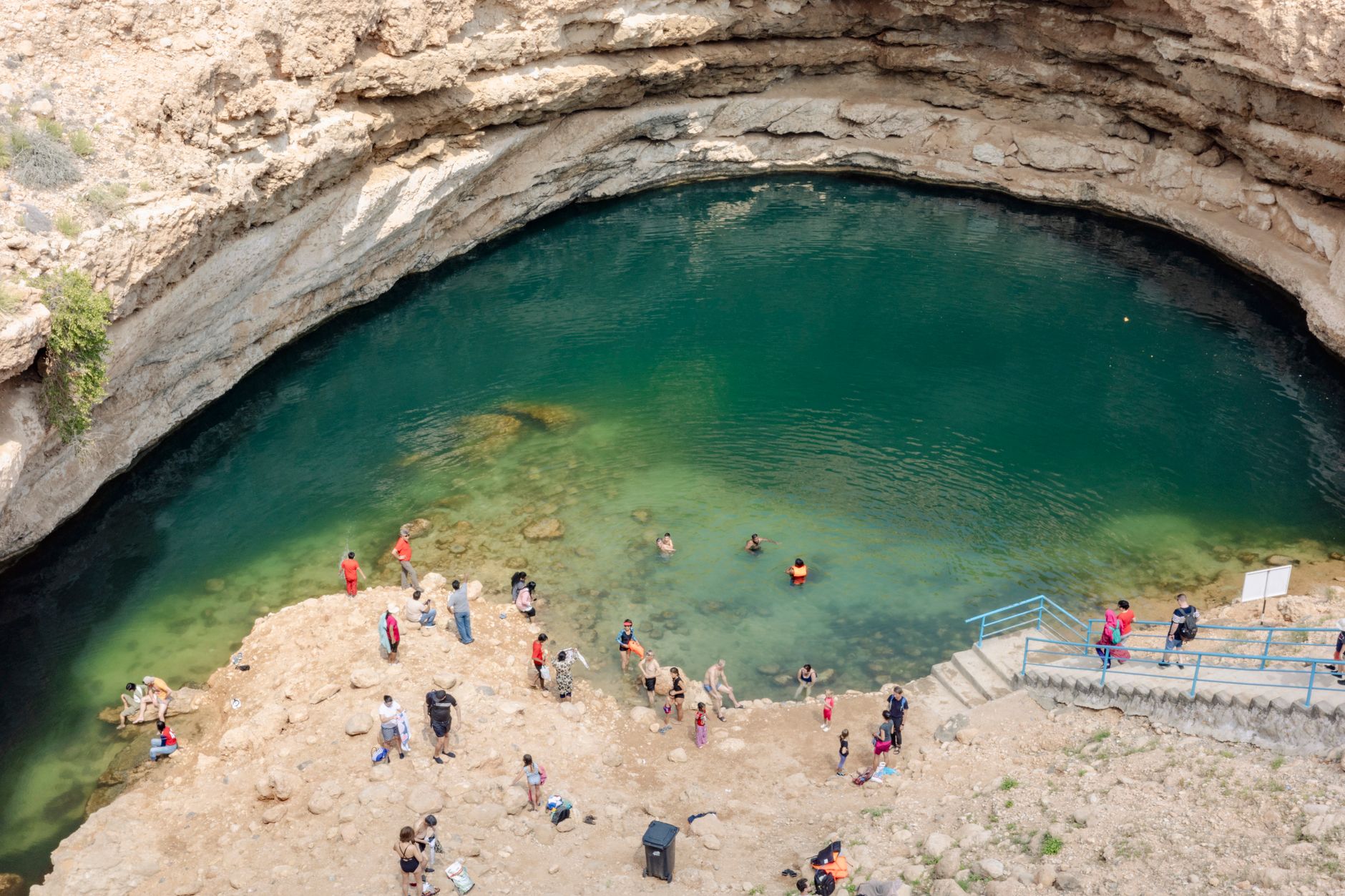
Mexico's appeal doesn't lie in what travel agents sell you, but in what you discover yourself. The Yucatán peninsula alone offers stunning variety: from the mysterious ruins of Uxmal and the elegant colonnades of Paseo Montejo in Mérida to the surreally coloured waters of Bacalar. But Mexico extends far beyond that, with dense mangrove forests near Celestún, the yellow architecture of the fairy-tale town of Izamal, and more than fifty different cenotes for swimming. The country speaks to all kinds of travellers: adventurers, culture lovers, nature photographers and those seeking peace all find their place here. What makes Mexico truly special is experiencing it on your own conditions: you don't have to swim in deep water (life jackets are available), you don't have to visit ruins, and you can plot your entire route yourself.
Skip the well-worn tourist trail of Cancún, Playa del Carmen and Tulum, and choose lesser-known destinations with the same quality but more authenticity instead
Spend several nights in two to four places rather than rushing through ten destinations
Bring waterproof gear if you want to photograph cenotes and lagoons underwater
When to visit Mexico
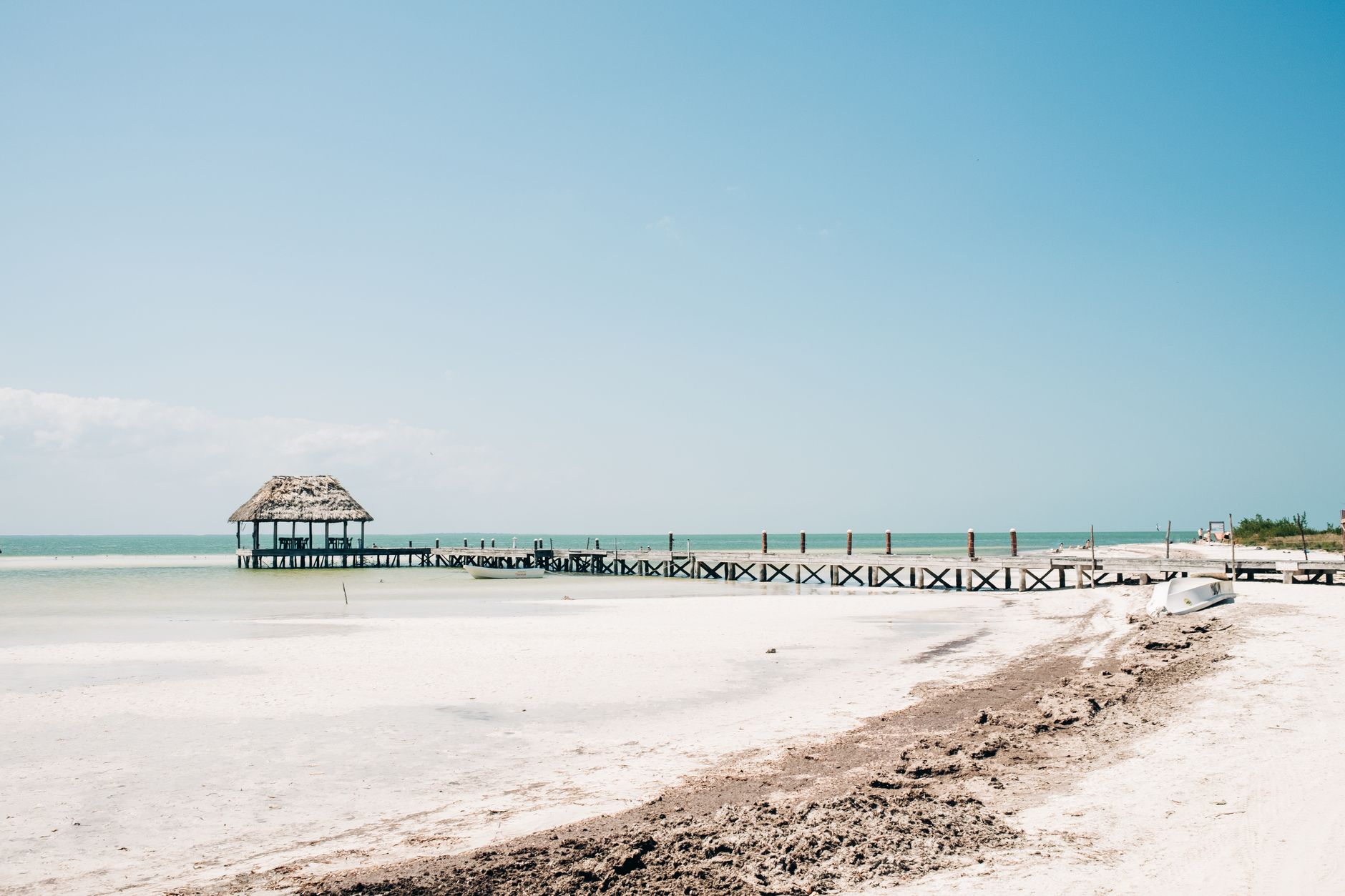
The climate in Mexico's Yucatán region is unpredictable and requires careful planning. Winter months, roughly December to March, offer the most ideal weather: pleasantly warm without the stifling heat that dominates the rest of the year. This is also when tourists arrive in droves and prices climb significantly. Mérida, the heart of most Yucatán itineraries, becomes unbearably hot in May, while April, June and November are also brutally warm. The heat actually persists until November. Though winter months are busier and pricier, the weather truly shapes your experience: you don't want rain to disrupt your outdoor plans. Coastal destinations like Holbox and Bacalar are slightly less hot thanks to their seaside location, but the discomfort of extreme heat remains noticeable.
Book between December and March for optimal weather, but prepare for crowds and higher prices
Avoid late April through June - these are the unbearably hot months across much of the region
Summer months can offer deals if you can handle heat and possible rain
Check weather forecasts carefully for hurricanes during the summer season
Getting there and getting around
Cancún International Airport is your gateway to the Yucatán region: it's well connected with numerous international flights and serves as the perfect entry point. Once you land, you have two options: drive or use public transport. Roads in Yucatán are in good condition and straightforward to navigate, making car hire a practical choice with the freedom to stop wherever you like. Many travellers rent a car and explore with a self-printed route map. If driving isn't your preference, you can reach the same region entirely by bus, and even destinations like Holbox are accessible this way. Bus travel requires more planning and less spontaneity, but suits those who prefer not to be behind the wheel. Be aware: many rural areas, including highways, have no mobile signal, so you typically only find coverage when you enter a town.
Hire a car if you want maximum flexibility and independence, especially for remote cenotes and rural attractions
Download offline maps for driving or bus routes due to inconsistent mobile coverage
Book bus tickets in advance if you're using public transport, especially outside peak tourist season
Set expectations straight: not all road networks have mobile coverage
Top-priority experiences
Yucatán is designed for two weeks of exploration, though you can do it in ten days. A classic route centres on Mérida as your cultural hub: walk through Paseo Montejo with its colonial mansions and enjoy cocktails in local bars like Picheta. Then visit the mysterious pyramids of Uxmal, slightly further south. For water lovers, Cenote Noh Mozón is the most impressive of more than fifty cenotes in the region, unforgettable for swimming and snorkelling. Bacalar, known as the Lake of Seven Colours, offers spectacular layers of turquoise and deep indigo water, though you'll need water shoes for certain areas like Los Rápidos. Isla Holbox further out is magical for those exploring more remote islands. For those venturing beyond Yucatán: Oaxaca, Mexico City and Guanajuato offer infinite cultural depth. Sumidero Canyon from San Cristóbal de las Casas is spectacular for nature photography. Valladolid is a must-stop between the classic halts.
Skip the omnipresent Cancún-Playa del Carmen-Tulum circuit, and choose Valladolid, Mérida and smaller villages instead
Take a GoPro or waterproof camera for underwater shots in cenotes and at Bacalar
Bring supportive flip-flops and water shoes, especially for cenote visits and sandy areas
Plan at least three or four nights in larger towns like Mérida: rushing through misses the charm
Practical tips for your Mexico adventure
Safety is an important topic often blown out of proportion by American media. Mexico is no more dangerous than many other countries: like anywhere, it has safe and less safe areas. Drug-related violence concentrates in pockets of the north; the Yucatán peninsula is known as a very safe area, with Yucatán state and Mérida city regularly cited as Mexico's safest regions. For clothing: wear what you'd wear at home, but avoid overly revealing outfits outside the beach. Light fabrics help you breathe in the tropical climate. A sweater and jeans are useful for cool evenings or bus journeys. Most daily items you can buy locally, so over-packing is unnecessary. Traveller's insurance is essential: it covers medical emergencies, flight disruptions and unforeseen circumstances. For food: your gastronomic experience will largely determine how well you actually get to know Mexico, so be adventurous with local restaurants.
Insure yourself through World Nomads or similar providers: medical emergencies and flight disruptions can be financially devastating
Trust local information: Mérida and the Yucatán region are significantly safer than foreign news media suggests
Push yourself outside your comfort zone with food - this is how you truly experience Mexico
Expect patchy networks in rural areas and plan for plane or bus delays
Generated from 3 travel guides and experiences · Sources