Six experiences that define a visit to Mexico City.
1
Teotihuacán pyramids, climb the Pyramid of the Sun at sunrise
2
Museo Nacional de Antropología, one of the world's best museums
3
Roma and Condesa neighbourhoods: art deco, street tacos, and coffee shops
4
Frida Kahlo Museum (Casa Azul) in Coyoacán, book tickets weeks ahead
5
Street food: tacos al pastor, tamales, tlacoyos at any market
6
Xochimilco canals, colourful trajineras with food, drinks, and mariachis
Local tip
Before you go to Mexico City
CDMX is massive, stay in Roma, Condesa, or Coyoacán for the best experience. The metro is cheap but crowded; Uber is very affordable. Street food is safe, follow the crowds.
Content is hosted on third-party platforms. Wayloha links to public hashtag pages and does not store any social media content.
Ready to visit Mexico City?
Tell Wayloha your travel style, budget and travel dates. We'll build your complete day-by-day Mexico City trip plan. Your first draft is on your screen within a minute.
Mexico City is more than just a capital - it's a buzzing metropolis where Aztec heritage collides with world-class food and colonial architecture. Whether you want to climb pyramids, watch Ballet Folklórico or immerse yourself in the local food scene, this city offers experiences that many travellers overlook when they stick to beach resorts.
Why visit Mexico City
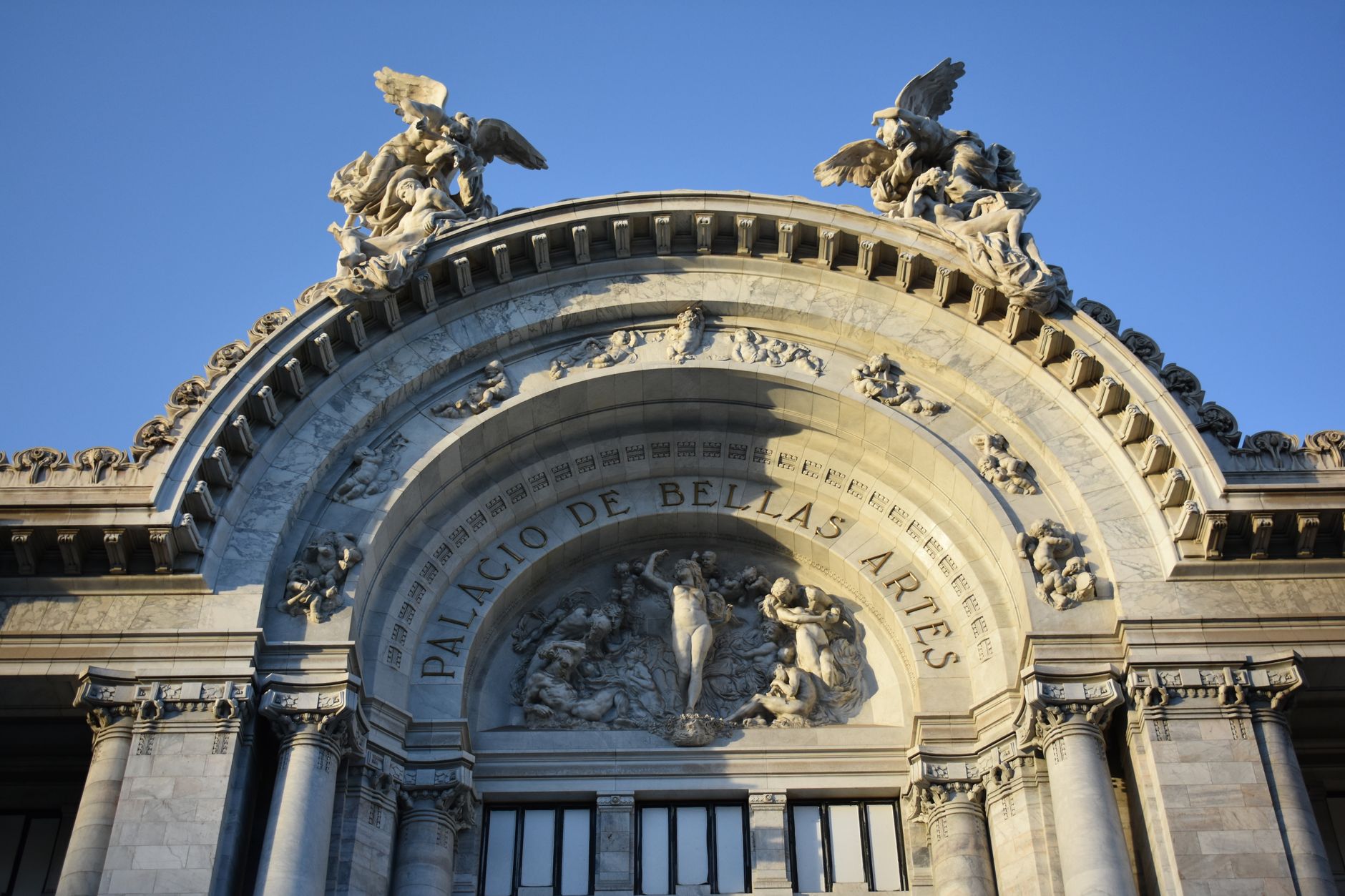
Mexico City is known as a cultural powerhouse and a culinary hub that goes well beyond its surface appeal. The city makes an ideal base for exploring nearby archaeological treasures, including the imposing pyramids of Teotihuacán, just 49 kilometres away. What really sets Mexico City apart is the mix of historical depth and modern-day energy - on the same day you explore an Aztec temple, you can watch dance and theatre at the stunning Palacio de Bellas Artes, an architectural masterpiece with a window made from almost a million pieces of coloured glass.
The city attracts travellers who want to look beyond the usual tourist circuits. Mexico City gives you access to a wide range of experiences - from wandering through lively neighbourhood streets to taking day trips into the volcanic mountains that ring the city's southern edge. This range of options means your trip can match exactly what you're after, whether that's archaeology, food, nature or arts and culture.
Set aside at least one full day to visit nearby Teotihuacán and the Pyramids of the Sun and Moon
Book Ballet Folklórico tickets in advance - the two-hour show with 60 dancers and musicians sells out fast
Look into neighbourhood guides to experience the city's different characters, instead of sticking to just one area
When to visit Mexico City
The season you choose for your trip to Mexico City has a big effect on both the weather and your experience. The best time to visit runs from December to March, when the weather is pleasant with no extreme heat or heavy rain. These months fall within the dry season, which means clear skies for outdoor activities - essential if you want to climb the volcanoes or explore historical sites in the hills around the city.
Your timing also shapes your experience of the surrounding areas. If you're planning day trips to places like Tepoztlán (about a two-hour drive) and Cuernavaca, the dry season gives you better road and hiking conditions. On the other hand, if you'd rather avoid crowds and don't mind a bit of rain, the wet months can be worth considering, although some mountain hikes may be less doable then.
Book accommodation at least a month ahead if you're travelling between December and March, when tourist numbers are high
If you want to climb the volcanoes Popocatépetl and Iztaccíhuatl, aim for the dry season, when trail conditions are best
Check local festivities in December and January - Mexico City is full of cultural events and Ballet Folklórico performances
How to get there and get around
Mexico City is easy to reach on international flights into Benito Juárez International Airport, with direct connections from many European cities. Once you're there, the local transport system - including the metro and buses - covers the city well, though it does get busy during rush hour. Many visitors choose to base themselves in Mexico City and take day trips to nearby attractions, rather than travelling around the whole region.
If you want to explore beyond the city, hiring a car can be useful, especially if you plan to visit Tepoztlán (with its clifftop Aztec temple and Nahuatl history) and Cuernavaca, where the Palacio de Cortés, the former residence of conquistador Hernán Cortés, breathes colonial history. Public transport is also a workable option, though - buses connect Mexico City to many surrounding villages. Keep in mind that many rural areas and highways have no mobile signal, so plan your route in advance. It's worth noting that Mexico is considerably safer than much of the Western media suggests - only certain northern regions have higher safety concerns.
Download offline maps before heading out, since mobile signal is limited on some routes to nearby areas
Hire a car if you want flexibility for day trips - make sure you understand the return policy for vehicles dropped off at a different location
Consider public bus connections if you'd rather not drive - reliable services link all the major nearby destinations
Top experiences
A visit to Teotihuacán should be close to compulsory on your Mexico City itinerary. This former metropolis, just 49 kilometres from the city, was once home to one of Mesoamerica's greatest civilisations. The huge Pirámide del Sol and Pirámide de la Luna dominate the landscape, and many visitors are drawn to the mystical energy said to converge here. Even after the city collapsed in the 8th century, it remained a pilgrimage site for Aztec nobility for centuries afterwards.
If you want to go further, a day trip to the volcanoes Popocatépetl (El Popo) and Iztaccíhuatl (Izta) in Izta-Popo Zoquiapan National Park offers a breathtaking experience. These two of Mexico's most striking volcanoes, one active, one dormant, sit along Mexico City's southern edge and offer serious, adventurous hikes for those with the right level of fitness. For a calmer alternative, Tepoztlán and the surrounding mountains have trails with fewer physical demands and views that are just as captivating.
Back in the city itself, don't miss the Ballet Folklórico de México, a two-hour explosion of costumes, music and dance from every corner of Mexico, from Jalisco to Sinaloa. The show takes place at the Palacio de Bellas Artes, where the famous Tiffany glass curtain (made from almost a million pieces of coloured glass) depicts the Valle de México. This is Mexico's traditional culture presented on a grand scale.
Hire a guide for Teotihuacán - the symbolism behind the pyramid layout and urban planning becomes much richer with some expert insight
Start volcano hikes early in the morning to get the best weather conditions and enough daylight
Reserve Ballet Folklórico tickets in advance through the Palacio de Bellas Artes - popular show times fill up weeks ahead
Practical information
Mexico City is generally a safe destination, especially compared with many other parts of Mexico. The city and the surrounding Yucatán region are frequently rated among the safest in Mexico, with safety figures that compare favourably with many US cities. That said, it's wise to take the same sensible precautions you'd take in any big city - don't flash valuables around, stick to well-lit areas late at night, and take local advice on neighbourhoods.
When it comes to language, English is spoken in tourist areas, restaurants and hotels, but learning some basic Spanish will make your experience much richer and local interactions easier. Keep in mind that many rural areas have no mobile signal, so set up offline navigation in advance. As for money, Mexico's currency is the Mexican peso - credit cards are widely accepted in the city, but cash is useful for smaller transactions and outside the city. Mexico City is widely praised as a food destination, so be prepared to spend a good chunk of your budget on restaurants - though good food here is reasonably priced compared with European cities.
Tell local residents which neighbourhoods you're planning to visit - they'll give you valuable, up-to-date safety and recommendation advice
Withdraw cash in Mexico City rather than at the airport - exchange rates are better at banks in the city
Download a language app or carry a phrasebook with basic Spanish - it leads to more genuine interactions and better restaurant experiences
Generated from 3 travel guides and experiences · Sources