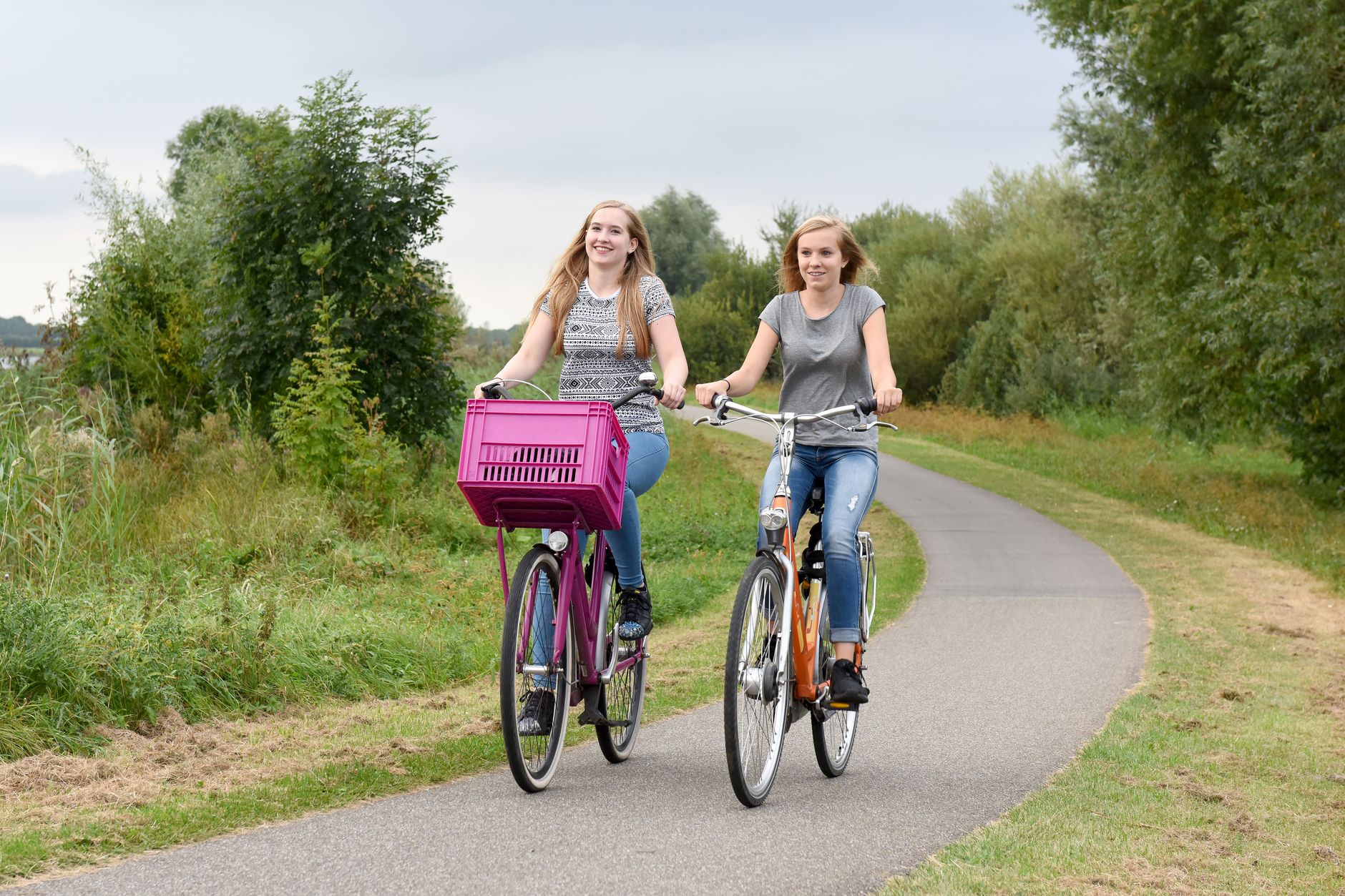
The Netherlands is largely cycle-friendly, but a car opens up Zeeland, Veluwe, and Limburg fully.
Travel information
Before you go to Netherlands
✈️
Airports & entry
Netherlands has 4 major international airports. Consider Amsterdam (AMS) as your main entry point, or fly in and out from different cities to see more.
🗓️
Best trip length
Most visitors spend 4–10 days in Netherlands. Shorter trips work well for focused regions; longer trips let you explore more deeply.
🗺️
Regions to know
Netherlands has 5 distinct regions. Wadden Islands and Veluwe & Gelderland are the most popular starting points for first-time visitors.
🚗
Getting around
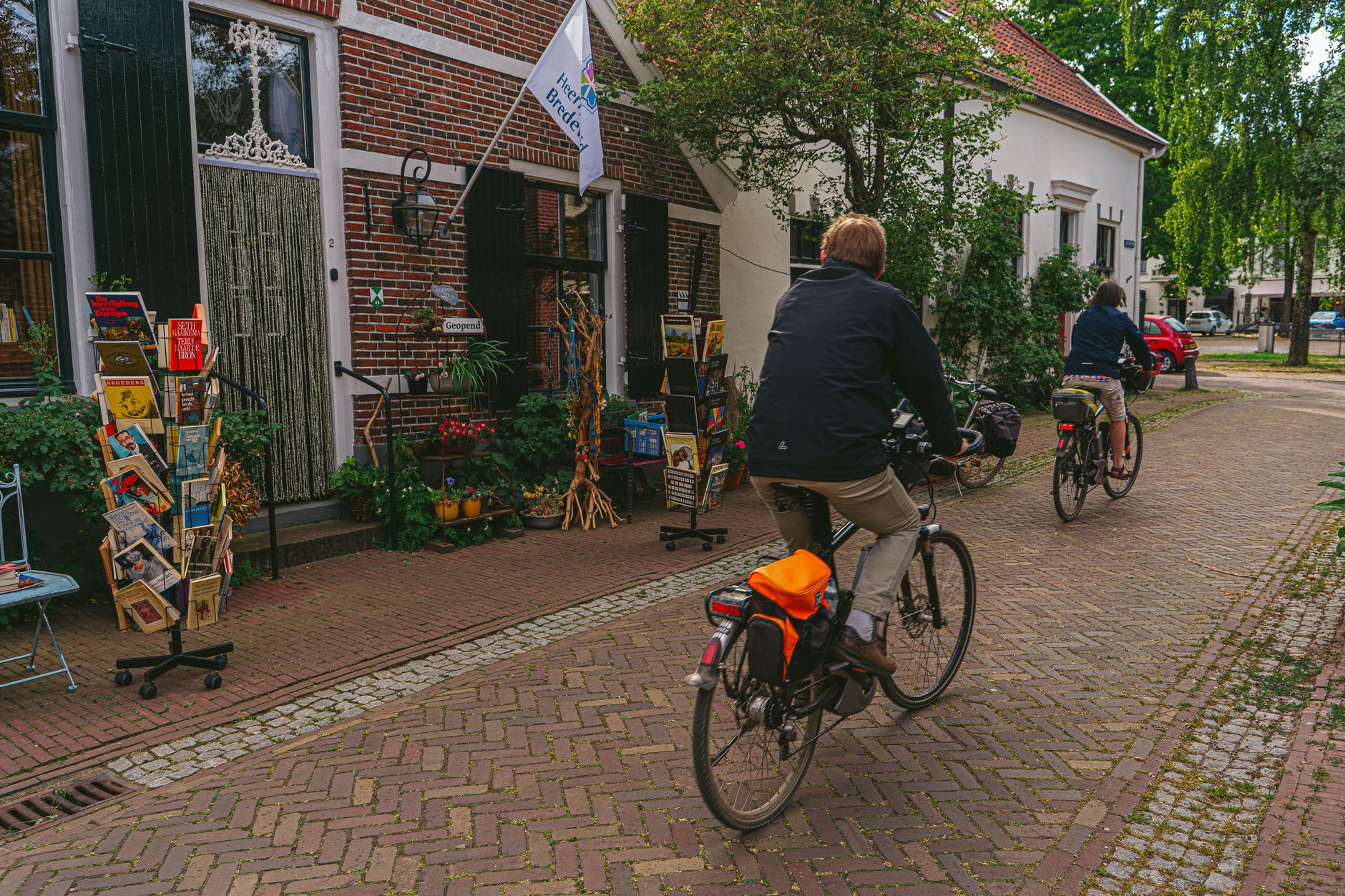
The Netherlands is largely cycle-friendly, but a car opens up Zeeland, Veluwe, and Limburg fully.
💡
Smart planning tip
Generate a personalised trip plan with Wayloha: just enter your budget, travel style and travel dates. Our AI reads 62 travel blogs to build your perfect route.
📋
Preparation guide
After generating your trip plan, Wayloha creates a full preparation guide, including packing list, visa info, SIM card tips, money advice and local customs tailored to your trip.
Travel inspiration
Netherlands in pictures
Real travel content from the community. See the latest photos, videos and stories from people who've already been.
Content is hosted on third-party platforms. Wayloha links to public hashtag pages and does not store any social media content.
Ready to visit Netherlands?
Tell Wayloha your travel style, budget and travel dates. We'll build your complete day-by-day trip plan. Your first draft is on your screen within a minute.
Booking.com affiliate links: Wayloha earns a small commission at no extra cost to you
Travel guide
All about Netherlands
The Netherlands is small, but it's packed with big stories. Masterpieces in museums, centuries-old towns, endless cycling routes and landscapes that shift with the seasons - all within easy reach. This is the country where water and art meet.
Why visit the Netherlands
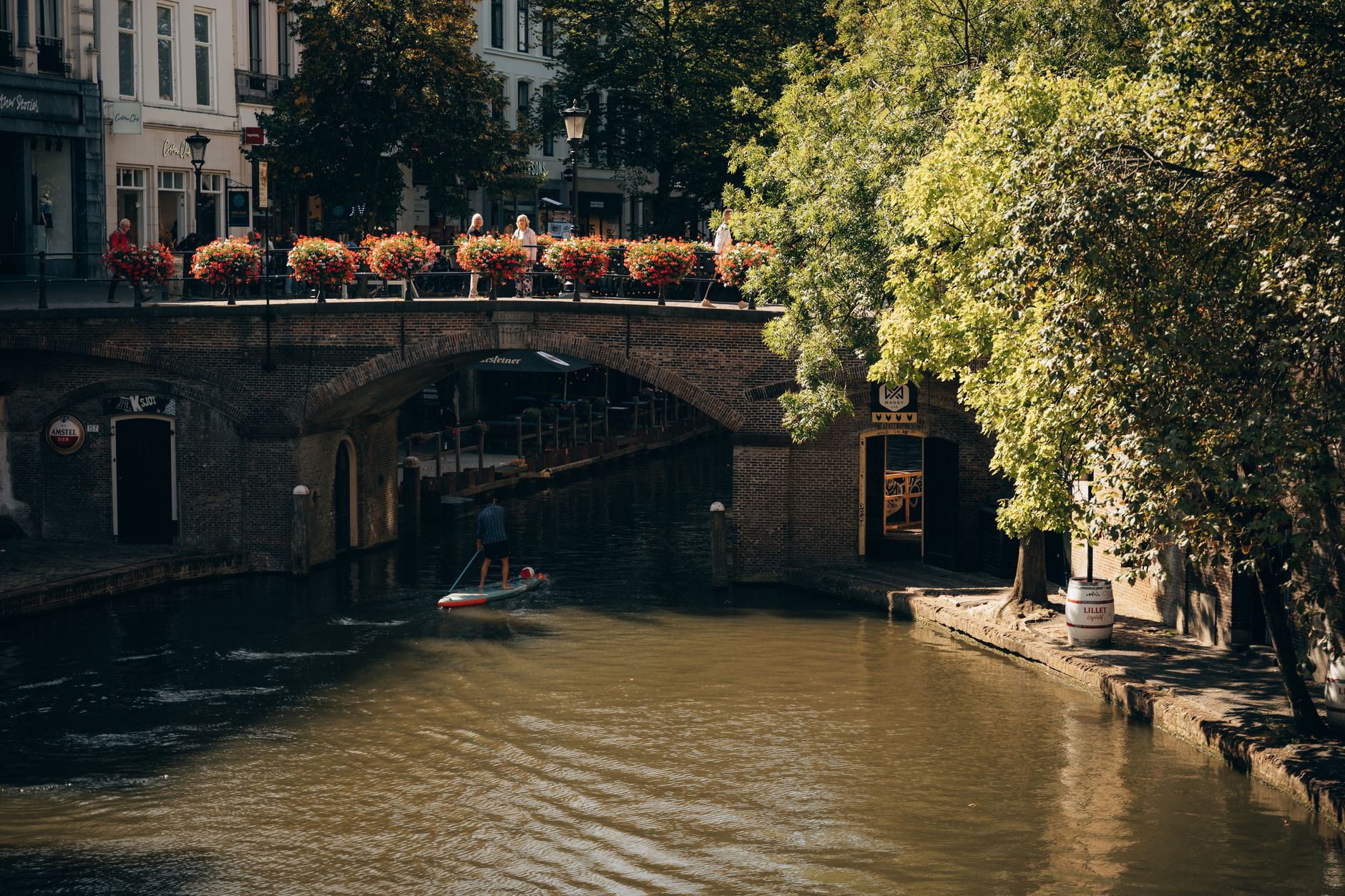
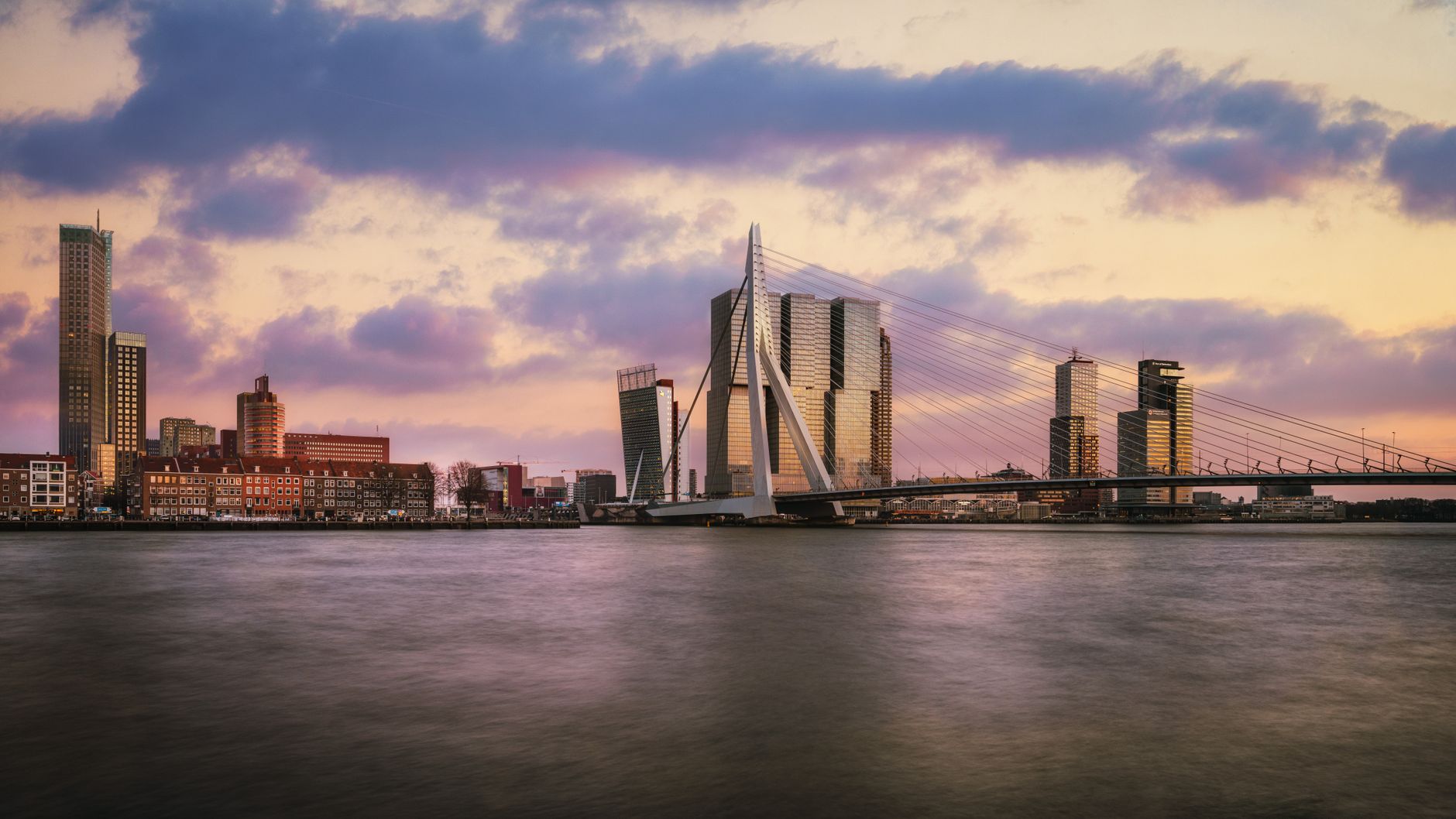
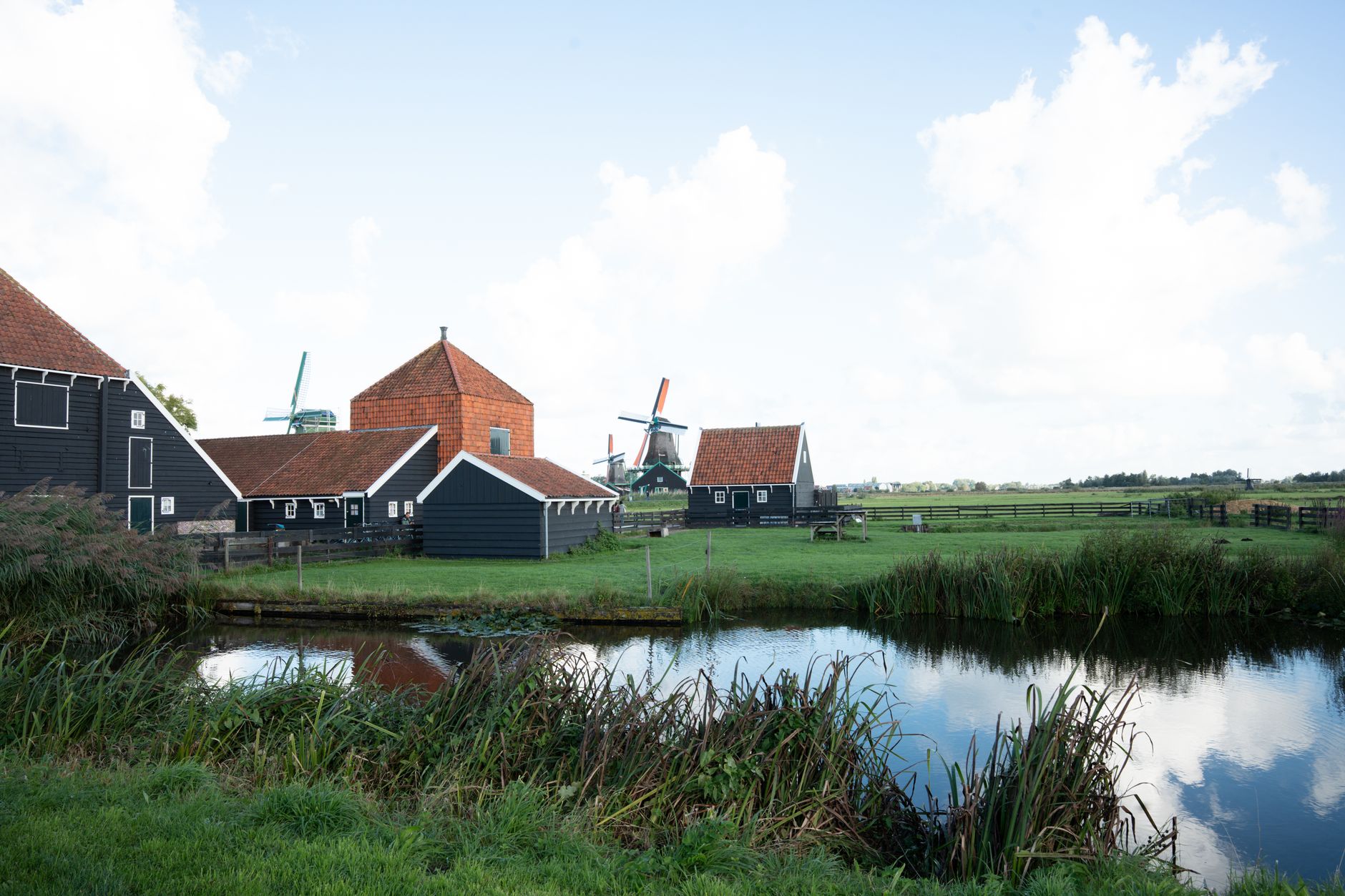
The Netherlands feels like two countries in one. In the cities, you see centuries of art and architecture standing next to radically modern design. Rotterdam shows you futuristic buildings, while Utrecht pulls you into historic streets where you lose track of time. Outside the city, something else waits: flat meadows, lakes you can swim in, and cycle paths that lead you to quiet villages where nothing's in a hurry.
What really makes the Netherlands special is how it all connects. You cycle from a painting collection straight to a cheese market. You step off a canal boat into a museum full of Dutch masters. And everywhere you look, water isn't something to be kept at bay here - it's part of how the Netherlands lives and breathes.
The mentality here is straightforward: no fuss, plenty of humour, and a kind of gezelligheid you won't find in quite the same way anywhere else. You notice it in a brown café, on a terrace by the water, or simply when someone helps you with something before you even ask.
Don't just visit Amsterdam - towns like Delft, Utrecht and Arnhem have their own character and far fewer tourists
Dutch isn't as hard as you'd think, and most people speak English, but a few Dutch words are always appreciated
Respecting cyclists isn't optional here - bikes have right of way, so stay out of the cycle lane
When to go
The Netherlands offers something different in every season, and it helps to know that before you book. Spring (April-May) is tulip time - the fields around Lisse explode into colour, and the weather finally warms up. This is peak season, so expect more tourists and higher prices. But once you've seen it, you'll understand why.
Summer (June-August) is cycling weather and terrace season. It can get warm, but Dutch warm is different from many other places - you get sunny days with that one cloud drifting past. Autumn (September-October) is calm and beautiful: fewer crowds, golden light, perfect for walking and cycling. Winter (November-February) is still and sometimes wondrous - when it freezes, the canals can ice over and you can skate where you'd normally cycle.
If you want to travel cheaply, come outside peak season. A hostel dorm bed costs €30-40 a night in winter, while in Amsterdam during high season you'll pay twice that. The weather is changeable - you can get rain, wind and sudden sunshine all in one day.
Tulip season is short: early April to mid-May - check they're still blooming before you plan your trip around it
Check the Dutch weather forecast before you head out - it changes constantly, so pack layers instead of one thick coat
King's Day (27 April) is a huge celebration with tens of thousands of people and an orange haze over the whole country
Getting there and getting around
The Netherlands is small and densely populated, so you can get anywhere quickly. Schiphol Airport near Amsterdam is the biggest airport, and it's well connected by trains that reach every major city. From the moment you land, you barely need to think about logistics - the train takes you wherever you want to go.
The national rail network is excellent. A day pass costs €48 (off-peak) to €70 (peak), and it covers all trains, buses and metros. For shorter trips, or if you're travelling a lot, the OV-chipkaart is handy - you top it up with credit and pay per journey. Trams and buses in the cities work the same way.
But let's be honest: cycling is the heart of the Netherlands. You can rent a bike for €13 a day (€30 for an electric one). The roads are flat, cycle lanes are everywhere, and cyclists have rights pedestrians don't. This isn't something the Dutch do for fun - it's how they get around. The distances are short enough that a day's cycling can get you to the coast. Electric cars can charge up all over the country, so if that's your preference, the Netherlands is perfect for it.
Rent a standard bike, not an electric one, unless you're really unfit - Dutch cycling is easy and flat
The OV-chipkaart is more convenient than buying paper tickets, but you don't need cash - paying by app is normal here
Don't say 'fietskaart' to a Dutch person - it's called a 'dagkaart' (day pass), or you just say how many stations you're going
What you really must do
Amsterdam is where everyone starts, and you'll see why once you walk along the canals and step into museums like the Rijksmuseum, full of Rembrandts and Vermeers you'd only expect to see in your dreams. But don't spend your whole trip here. Delft is smaller, prettier, and feels like stepping back into 1650 without ever feeling fake. Rotterdam is the opposite: futuristic, green, and home to restaurants you won't forget in a hurry.
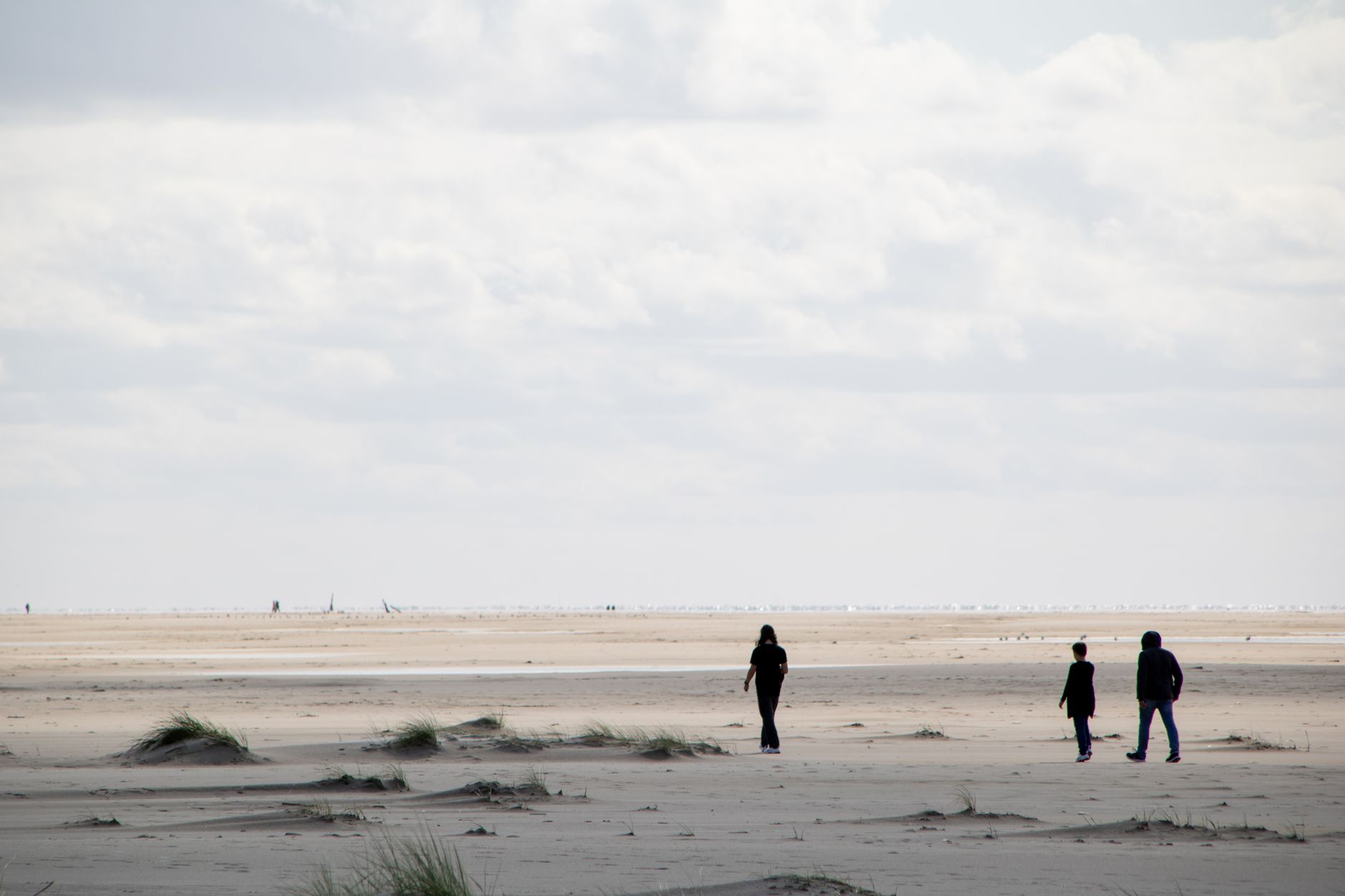
Outside the cities: the Wadden Islands (Texel, Terschelling, Ameland) are unique - each island has its own character, and you can walk, cycle, or just lie on the beach and watch the world go by. The blooming tulip fields in spring aren't just prettier in real life than in photos - you feel tiny standing among all that colour. The national parks offer everything from dunes to forest; Heuvelrug & Vallei is a name that feels calm just by saying it.
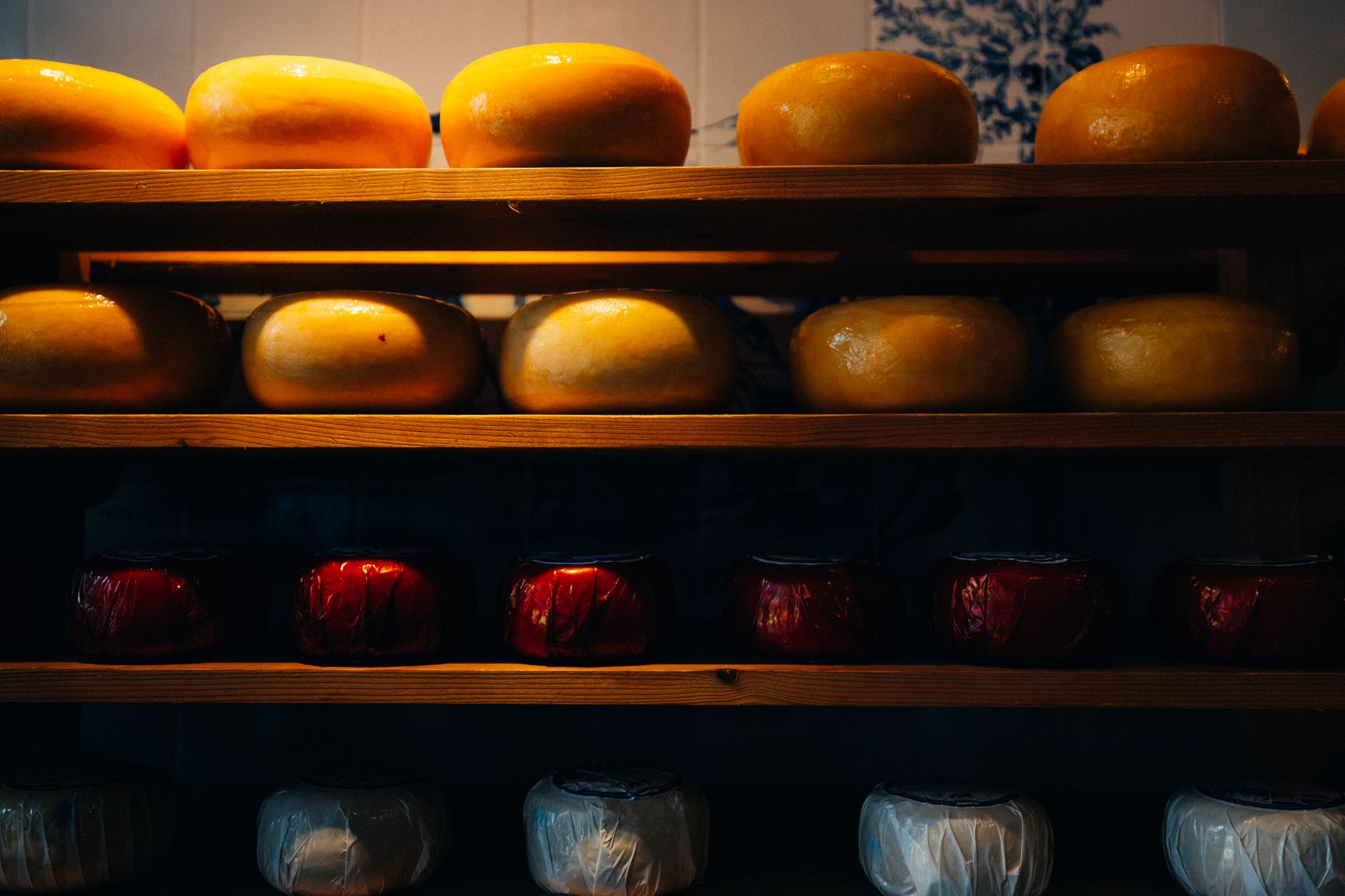
And then there are the hidden gems: brown cafés where locals actually go (not the ones tourists get pointed to), local cheese markets where you watch cheese being made and sold, and wine farms in the south where Dutch wine is made, yes, really. Villages where you arrive and instantly understand why the Dutch keep coming back.
Amsterdam is expensive (€140+ a day) - save money by staying in Delft or Haarlem and visiting Amsterdam on a day trip
Museum tickets cost €15-30 - buying them online saves you queuing, and often saves you money too
Amsterdam's red-light windows are a cliché and expensive - go to a local brown café instead, where everyone shares one table
Practical things you need to know
Money: the Netherlands isn't cheap, but it's transparent. A cup of coffee costs €3.50, a sandwich €4-11, and a pint of beer €3.50. A simple double hotel room runs €65-120 (€120-180 in Amsterdam). Cooking for yourself is cheaper than eating out. Everyone here pays by card or phone. You barely need cash, though a few small places still want it.
Language: English is spoken everywhere here, but the Dutch appreciate it when you try their language. 'Dank je wel' (thank you), 'alstublieft' (or the more informal 'alsjeblieft') and 'excuseer' will get you far. And remember: the Dutch don't mind being direct. They say what they think and expect you to do the same. It's not rude, it's just normal.
Safety: the Netherlands is safe. Amsterdam has some pickpockets around tourist spots, but that's about it. Bike locks are essential - bikes do get stolen. Medical care is good, and hospital staff speak English. For emergencies, call 112. And yes, what you've heard about coffeeshops is true - cannabis is decriminalised but not legal. They're strictly monitored, and tourists often go out of curiosity, but it's not something you need to do.
Tikkie is how the Dutch settle up with each other - it's an app people use to send money for shared costs
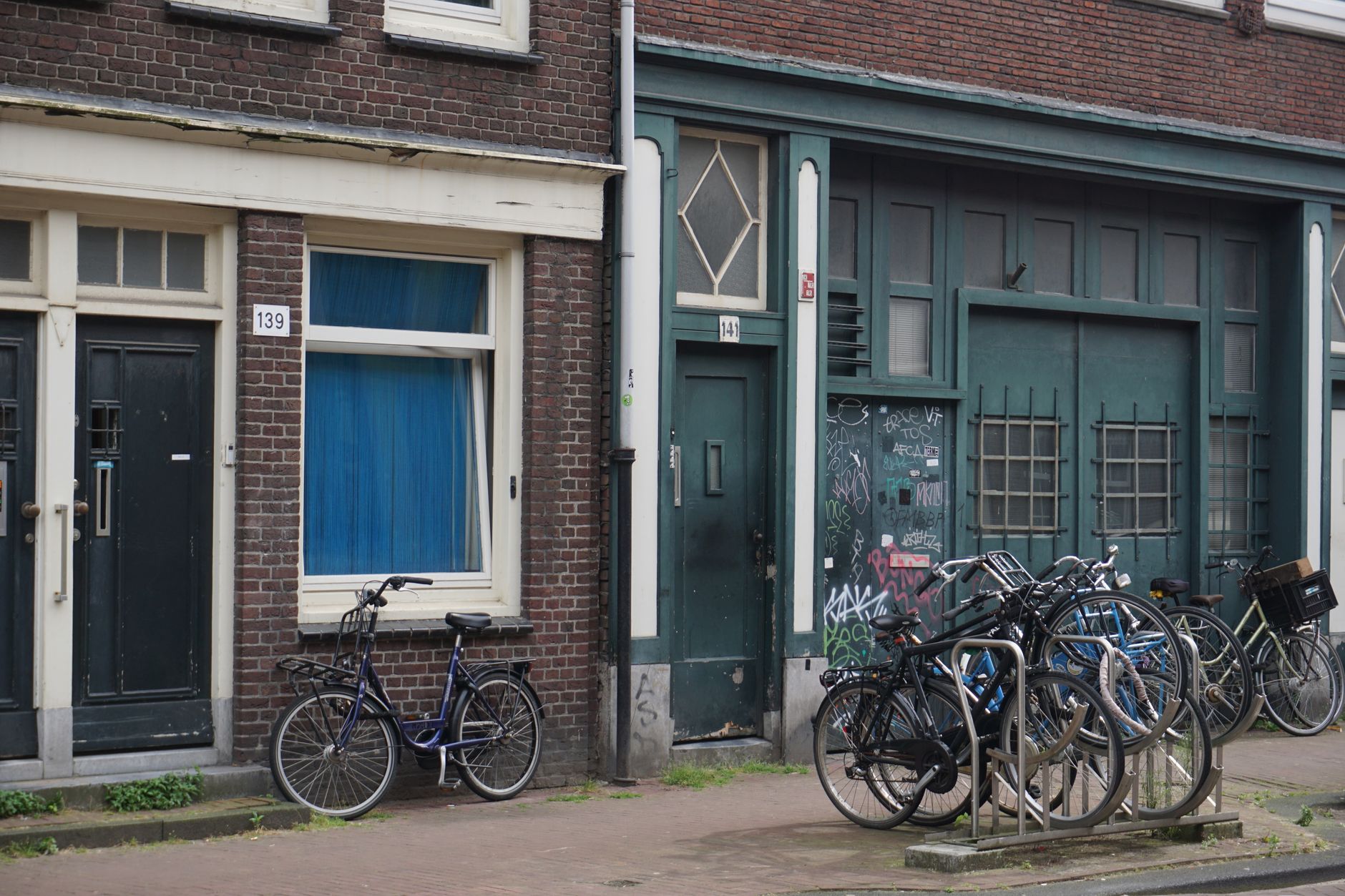
ALWAYS lock your bike, even for five minutes - theft is real, and it's awful when it happens
Pay cash where you can in small villages, though most places do accept cards
Generated from 4 travel guides and experiences · Sources