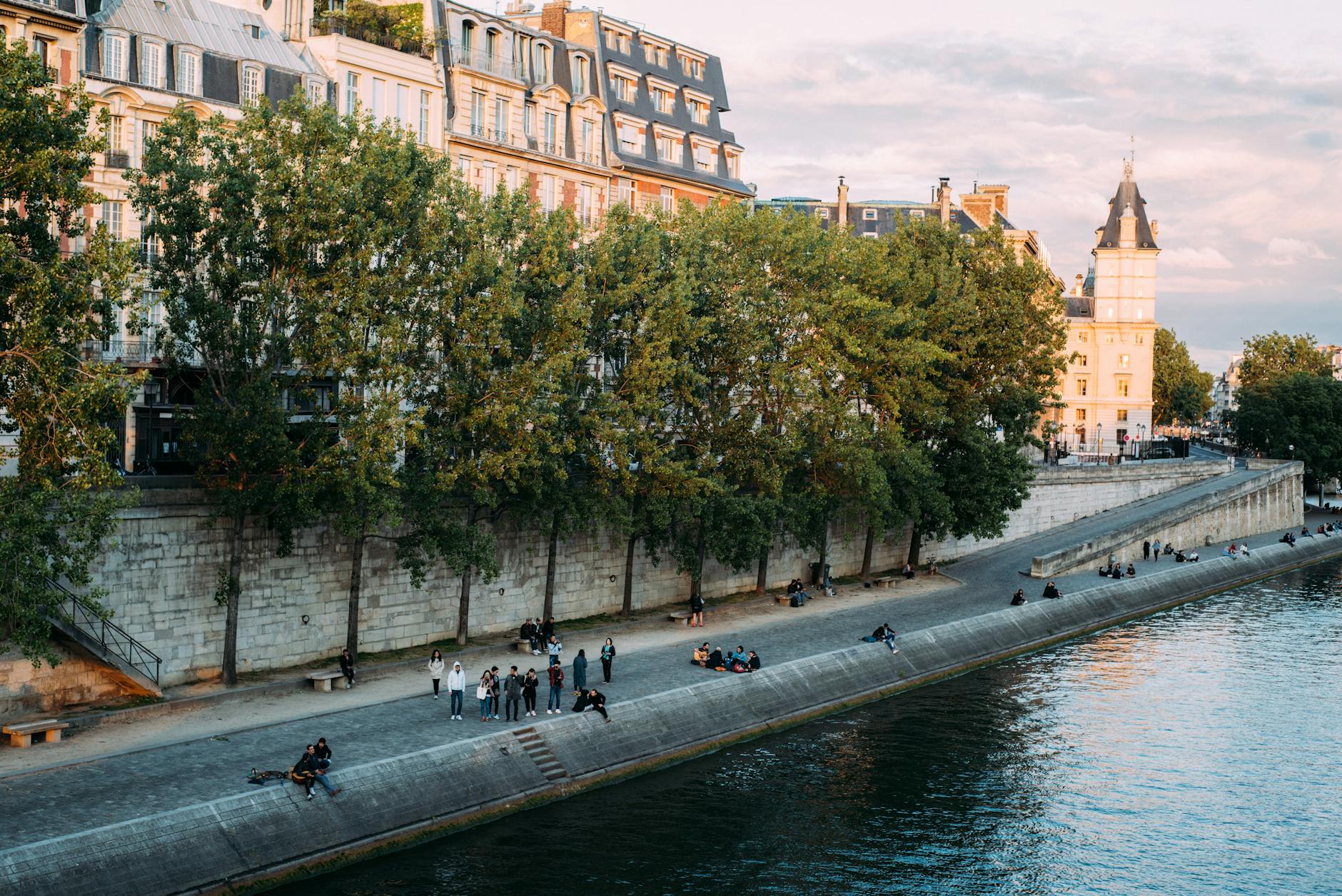
Eiffel Tower at sunset, then walk along the Seine to Notre-Dame
2
Louvre Museum, go early, skip the Mona Lisa crowd, find the Winged Victory
3
Montmartre: Sacré-Cœur at dawn, then coffee on Place du Tertre
4
Le Marais for vintage shopping, falafel on Rue des Rosiers, and hidden courtyards
5
Croissants at Du Pain et des Idées, then Canal Saint-Martin
6
Day trip to Versailles or Monet's garden in Giverny
Local tip
Before you go to Paris
Buy a carnet of 10 metro tickets (or use Navigo Découverte for a week). Most museums are free on the first Sunday of each month. Book Eiffel Tower tickets 2 months ahead.
Content is hosted on third-party platforms. Wayloha links to public hashtag pages and does not store any social media content.
Ready to visit Paris?
Tell Wayloha your travel style, budget and travel dates. We'll build your complete day-by-day Paris trip plan. Your first draft is on your screen within a minute.
Paris isn't just a destination. It's a feeling. The city speaks to you through the crackle of fresh croissant pastry, the glimmer of the Seine at sunset, and the architectural drama waiting on every corner. Whether it's your first time or you're returning, Paris never stops surprising you.
Why go to Paris?
Paris draws you in because it's more than a checklist of sights. It's a city where pedestrians stroll as slowly as the traffic crawls, where you can sit on a terrace and watch two hours vanish without noticing. The pull lies in the contrasts: ultra-modern galleries next to bakeries hundreds of years old, grand boulevards alongside intimate streets full of character. The city has a built-in romance that doesn't feel like tourism but like part of everyday life. When you wander through Le Marais or share a galette at a local market, you're not inside a museum but in a living, atmospheric landscape where art, culinary tradition and urban design all meet.
Paris lives in its streets, restaurants and cafés: there's far more than the museums
Each arrondissement has its own identity, well beyond the main tourist draws
The best moments are often the unplanned ones: a small pâtisserie, a quiet bridge, a chance conversation
When should you go?
Paris speaks to you year-round, but timing shapes your experience. Spring (April to May) brings mild temperatures and blooming parks, though tourists are already beginning to arrive. Summer is peak season with long light evenings perfect for river cruises and outdoor terraces, but also crowded and warm. Autumn (September to October) is actually the sweet spot: fewer crowds than summer, still pleasant weather, and Parisians returning from holiday so the city feels like a real place again instead of an open-air museum. Winter can be raw but authentic: fewer tourists, Christmas market energy, and a certain elegance only Paris has. Keep an eye on national holidays, art exhibitions and cultural festivals that might shape your plans.
September is ideal: the weather stays mild, tourists thin out, and the city has fresh energy
Avoid August if you dislike massive crowds; many Parisians leave the city then
Winter feels intimate and less commercial than summer
How to get there and move around
Paris is well connected by multiple routes. Planes land at two major airports, Charles de Gaulle (northeast of the city) and Orly (southeast), and trains arrive at several stations. For Dutch travellers, the train route via Amsterdam or Rotterdam is smooth. Once in the city, public transport is your best friend: the metro is fast and frequent, buses give you a better sense of the neighbourhood, and trams run along elegant routes. Many visitors hire bicycles or simply walk: Paris is compact enough that you can travel from one end to the other in two to three hours. Taxis and ride-sharing exist but cost more than public transport. Buy a Navigo weekly pass or day tickets; they pay for themselves in two or three journeys.
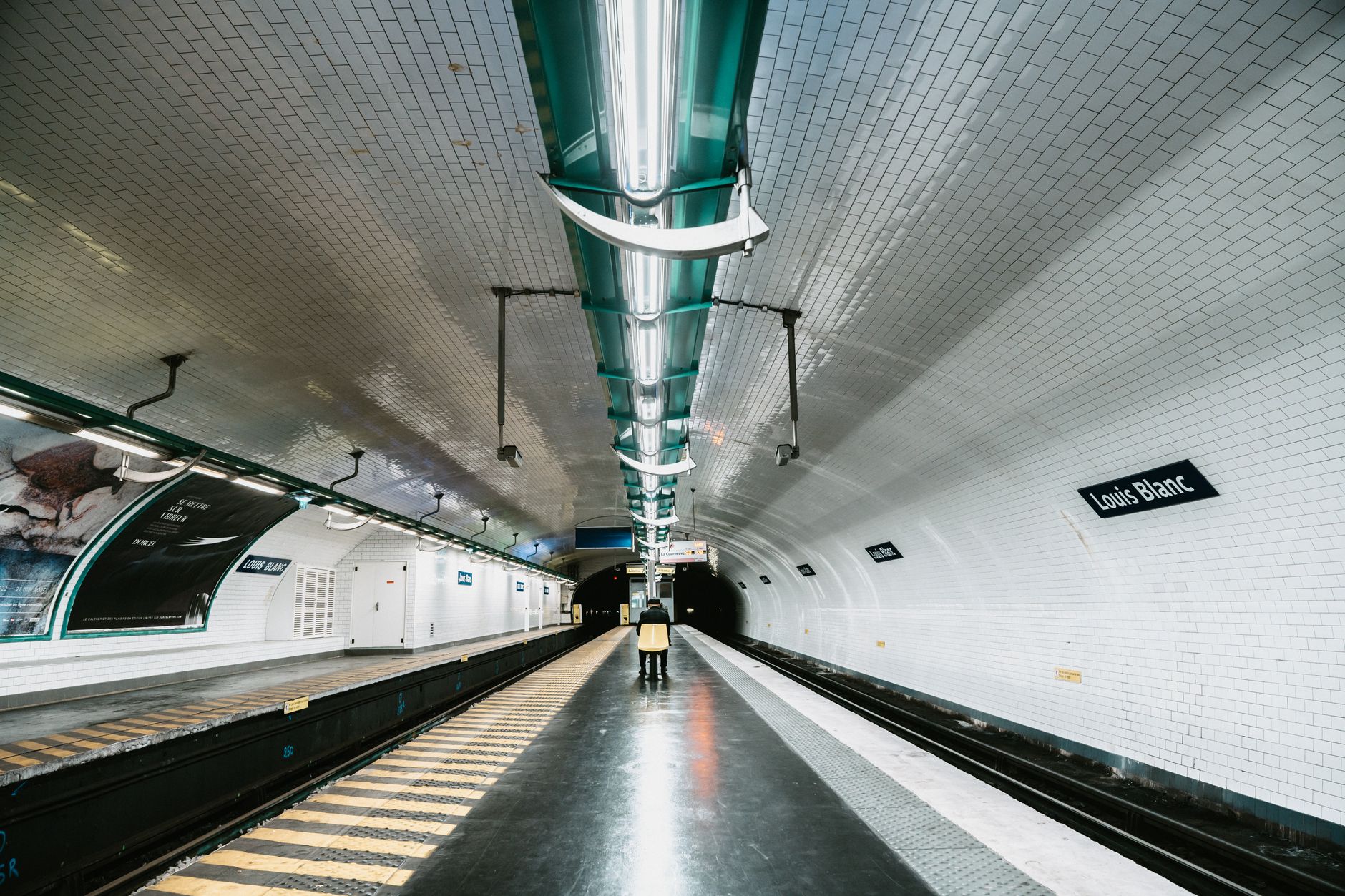
The metro is faster than you'd think. A paper map makes planning much easier
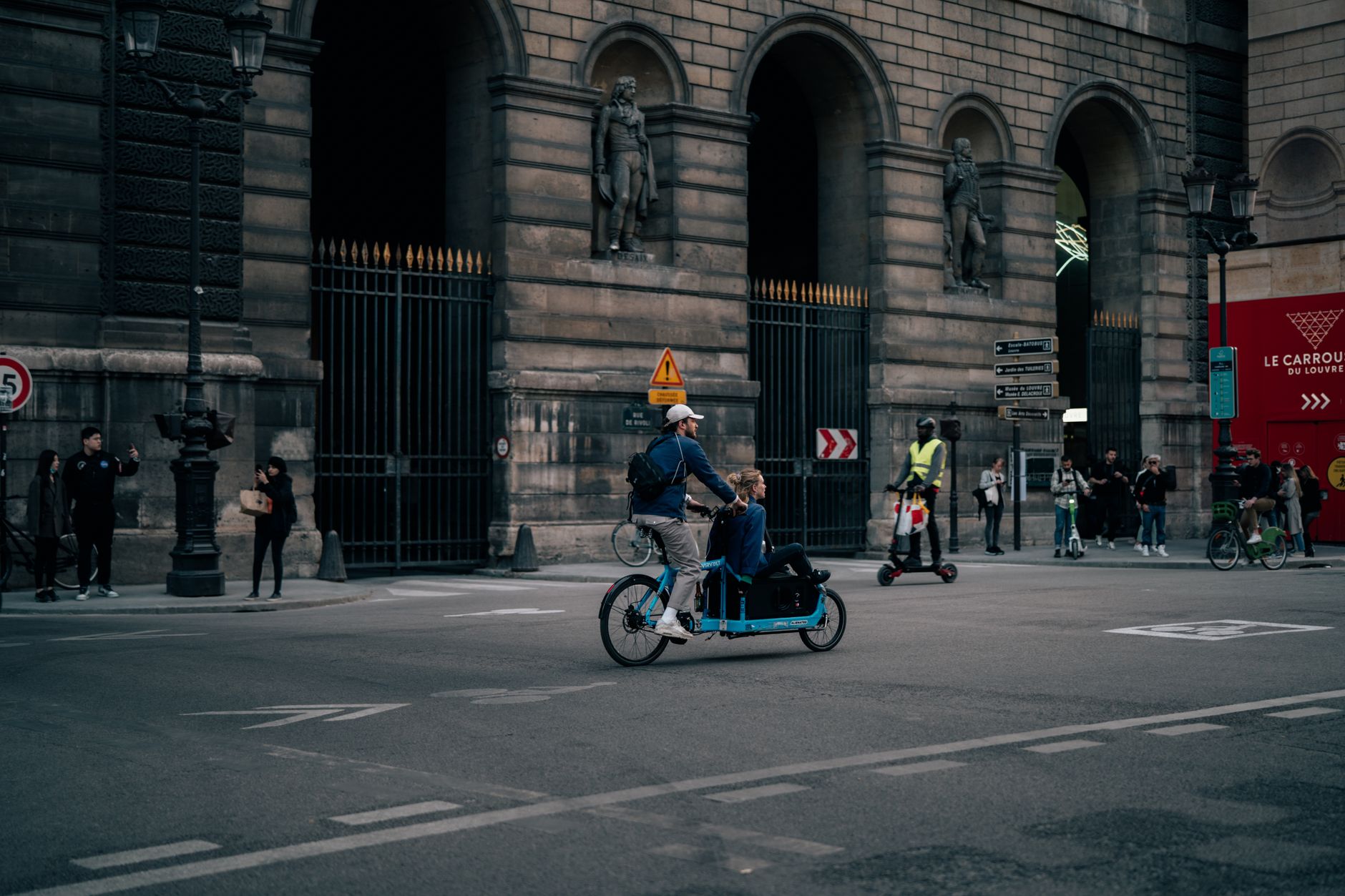
Cycling is fun but intense in heavy traffic; save your energy for walking
Many museums and attractions are walkable and close to each other
Top experiences in Paris
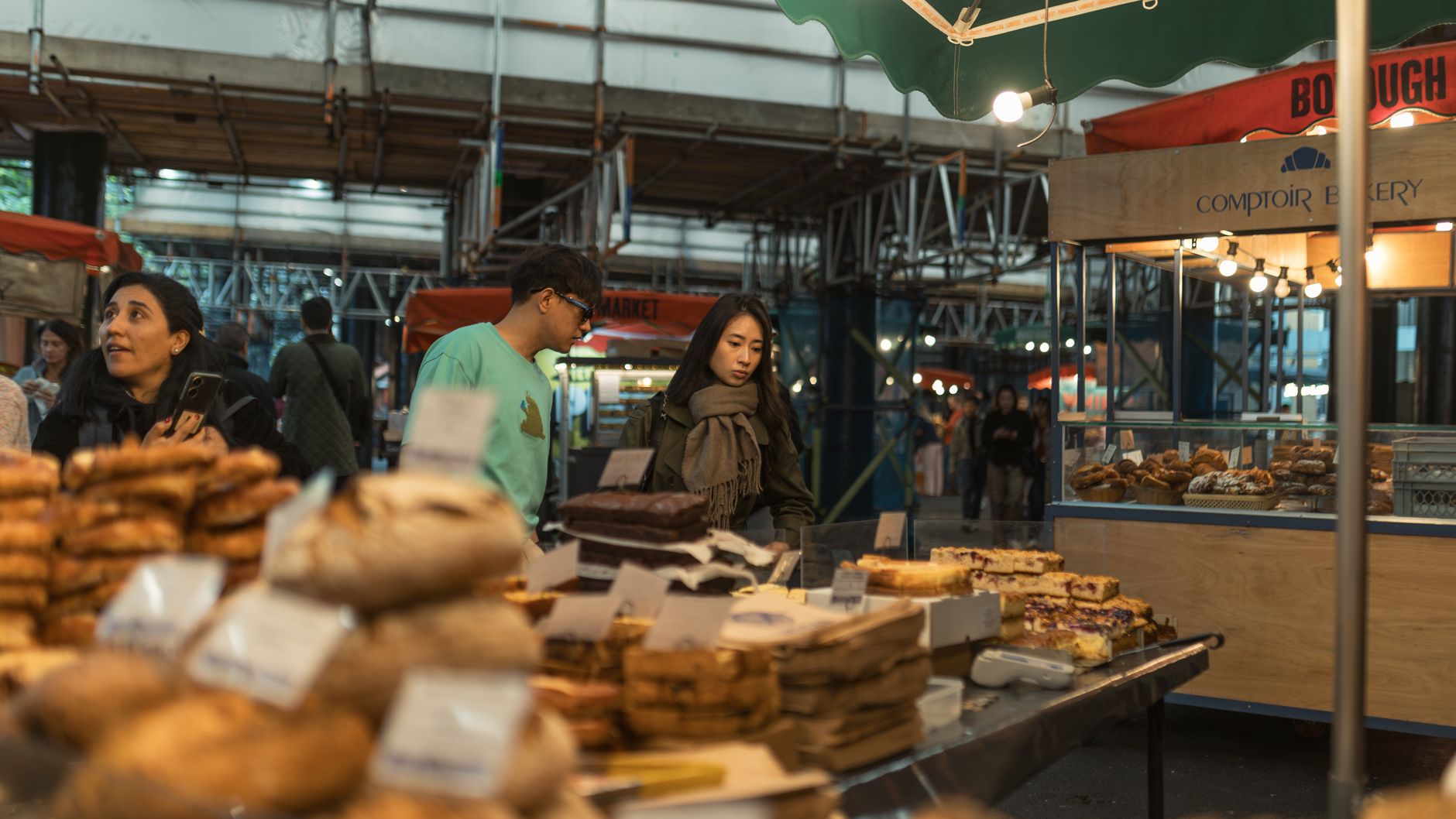
Start your journey with the classics but go beyond what's obvious. The Louvre is iconic. Arrive early with a plan, speed past the Mona Lisa, and give yourself time to truly take in everything else. Then seek out the Marché des Enfants Rouges, the city's oldest covered market, where you'll walk through French and international food stalls in ten minutes and set your appetite for lunch. A Seine river cruise with illuminated monuments is a cliché that works: it gives you a useful overview and the nighttime glow of the city is something special. Hunt for fresh croissants and pain au chocolat at local boulangeries like Du Pain et des Idées or Boulangerie Murciano, made today rather than this morning. For classic brasserie dining, Rue Montorgueil is a bustling pedestrian street packed with eateries, or try restaurants like Au Rocher de Cancale for authentic French bistro atmosphere. Many of your best moments will come as surprises: a small museum, a quiet spot between tourist sites, or a conversation in a corner café.
Arrive at the Louvre at 9 am or book tickets online beforehand
Don't skip the pedestrian zones like Rue Montorgueil: here tourists feel part of the real city
Explore beyond the big attractions: many neighbourhoods have their own museums, galleries and restaurants
Practical tips for your visit
Money: France uses the euro; many places take cards but keep some cash for markets and small cafés. Language: English helps in tourist areas but the effort to speak a little French is always appreciated. Safety: Paris is generally safe, though pickpockets work busy metro lines and tourist spots, so stay aware and leave non-essentials at home. Etiquette: greet shopkeepers with 'Bonjour', say 'S'il vous plaît' and 'Merci'; Parisians value formality. Clothing: Parisians dress classically without fuss - white trainers and backpacks scream 'tourist', but jeans and a nice jacket work fine. Meals: lunch around 12:00-13:00, dinner around 19:30-20:30; restaurants don't open early for dinner. Most museums close on Mondays; plan accordingly.
Learn a few key phrases - French people appreciate the effort more than you'd expect
Keep your bag close on public transport; pickpockets are real
Many museums offer free or reduced entry on certain days - check opening times
Generated from 12 travel guides and experiences · Sources