Provence, Loire Valley, and Dordogne need a car. A common pattern is to fly into Paris and out from Nice or Marseille so you don't drive back north.
Travel information
Before you go to France
✈️
Airports & entry
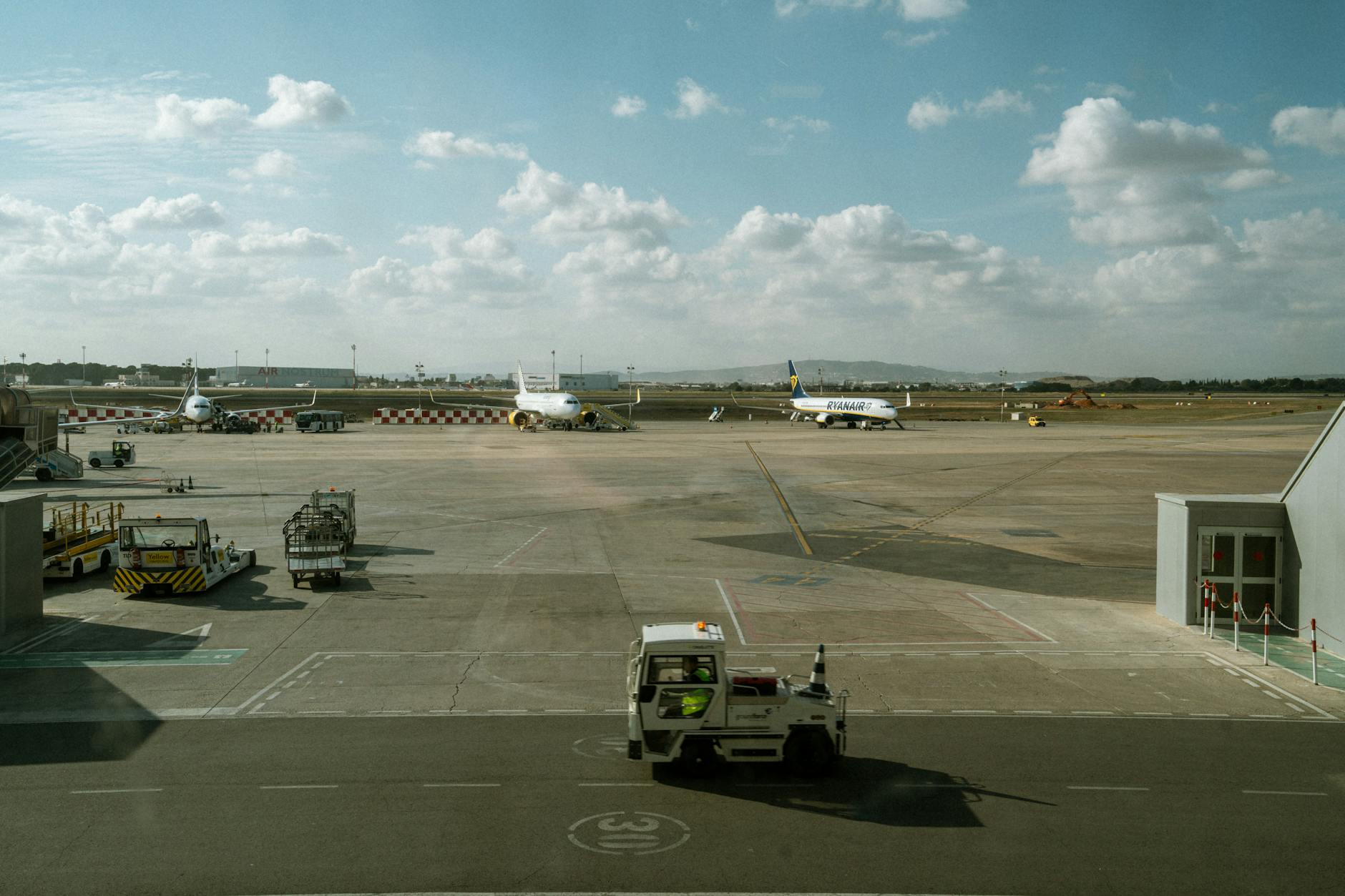
France has 8 major international airports. Consider Paris CDG (CDG) as your main entry point, or fly in and out from different cities to see more.
🗓️
Best trip length
Most visitors spend 7–18 days in France. Shorter trips work well for focused regions; longer trips let you explore more deeply.
🗺️
Regions to know
France has 7 distinct regions. Paris & Île-de-France and French Riviera are the most popular starting points for first-time visitors.
🚗
Getting around
Provence, Loire Valley, and Dordogne need a car. A common pattern is to fly into Paris and out from Nice or Marseille so you don't drive back north.
💡
Smart planning tip
Generate a personalised trip plan with Wayloha: just enter your budget, travel style and travel dates. Our AI reads 62 travel blogs to build your perfect route.
📋
Preparation guide
After generating your trip plan, Wayloha creates a full preparation guide, including packing list, visa info, SIM card tips, money advice and local customs tailored to your trip.
Travel inspiration
France in pictures
Real travel content from the community. See the latest photos, videos and stories from people who've already been.
Content is hosted on third-party platforms. Wayloha links to public hashtag pages and does not store any social media content.
Ready to visit France?
Tell Wayloha your travel style, budget and travel dates. We'll build your complete day-by-day trip plan. Your first draft is on your screen within a minute.
Booking.com affiliate links: Wayloha earns a small commission at no extra cost to you
Travel guide
All about France
France is more than iconic landmarks - it's a landscape of contrasting moods, where you can spend the same day between busy city streets and quiet vineyards. With more than 300 sunny days a year in the south, and castles nestled in green valleys, this country offers something for every traveller willing to take their time.
Why visit France
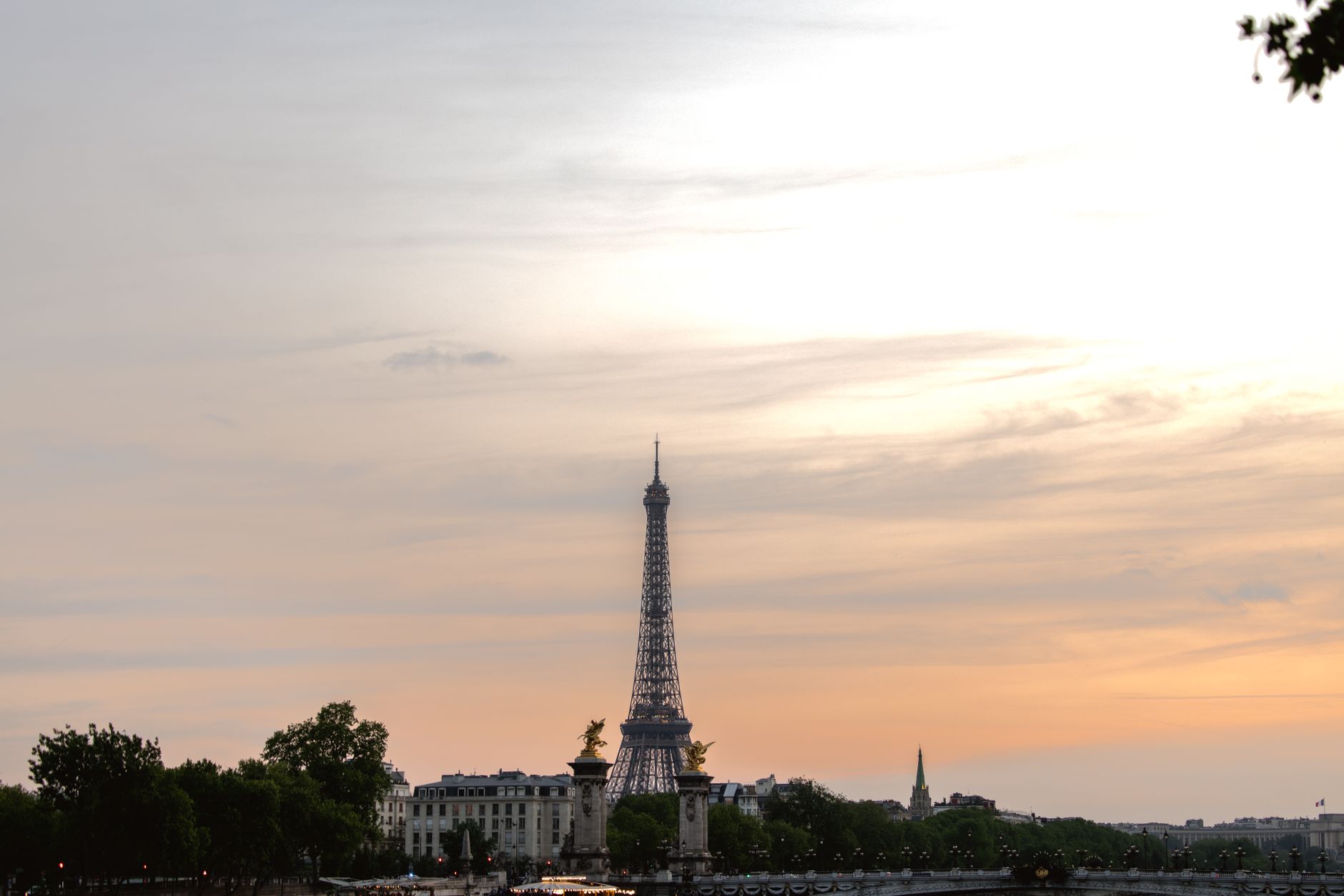
France draws in millions of visitors because it offers an unmatched range of experiences in one place. Architectural highlights like the Eiffel Tower and the Louvre share the spotlight with sprawling vineyards in Bordeaux, spectacular natural formations like the Gorges du Verdon, and charm tucked into every alley of picturesque villages. The landscape varies dramatically - from the sunny coast of the Côte d'Azur, where Menton and Nice shine, to the alpine peaks of the French Alps. What truly sets France apart is the way culture, nature and daily life flow together seamlessly, making both relaxation and excitement within reach.
Plan at least ten to fourteen days so you can explore several regions without feeling rushed
Combine city visits with rural discoveries - contrast makes every experience stronger
Each season reveals a different side of France; there's no 'wrong' time to go
When you should go
Your choice of season shapes not just what you see, but how you experience it. Late spring (April to mid-June) and early autumn (September to October) strike the ideal balance: mild weather, noticeably fewer tourists than in summer, and plenty of cultural events and festivals. These periods show France in full bloom or dressed in autumn colours. Summer (mid-June to August), by contrast, is peak tourist season - perfect if you're after beach holidays or lively outdoor festivals, but be ready for bigger crowds and higher prices. In the south, you still get more than 300 sunny days a year, while the north and inland areas go through the usual four seasons, which means February to March is colder (around 6-11°C) and October to December can be rainy.
Avoid July and August if you want to dodge the crowds; April, May and September offer better value
Check weather patterns by region - the south is noticeably drier than the north
Book accommodation early for the shoulder seasons, since these popular periods fill up fast
Arrival and transport
Reaching France is easy, with plenty of options. Flying into major cities like Paris, Nice or Marseille gives you international connections, while the Eurotunnel (the underground rail link) is a popular route for travellers from the UK. Once you've arrived, the network keeps going: trains connect clusters of cities efficiently, so you can hop between regions without any hassle. For maximum flexibility, and to reach remote villages in Provence or the Dordogne, renting a car is often essential - local roads open up landscapes that public transport doesn't reach. The logistics can be a bit of a headache, though; at the very least, get your head around route planning, fuel costs and parking rules before you set off.
Book your rental car at least a week ahead; it saves money and guarantees availability during busy periods
Combine trains for long distances with a rental car for regional exploring - the best of both worlds
Download offline maps before you leave, especially for areas where mobile signal is patchy
Highlights and unmissable experiences
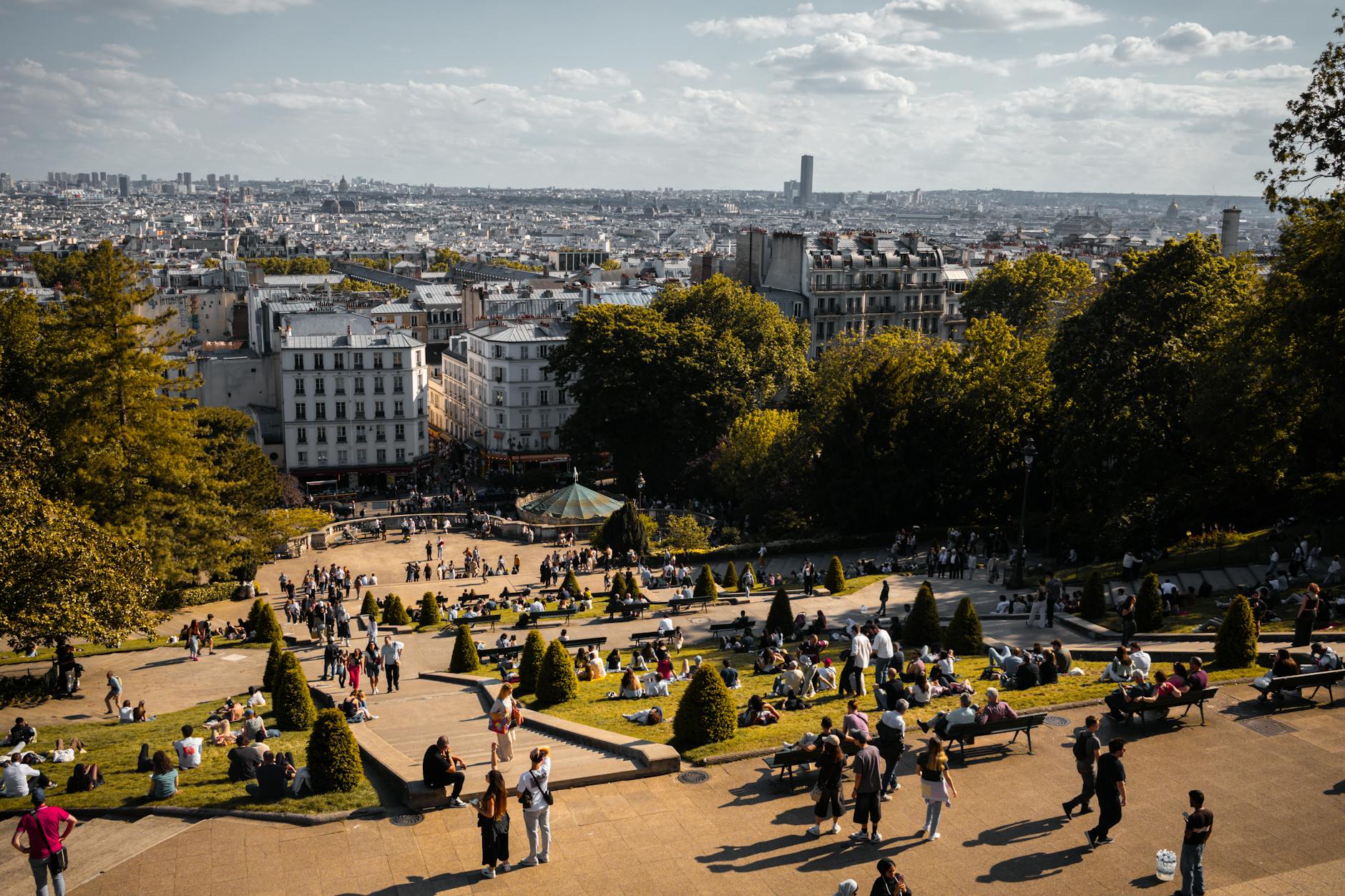
Paris deserves attention for both its world-famous landmarks and its neighbourhoods full of character - Montmartre offers an artistic atmosphere and views across the city. Beyond the capital, a world of variety unfolds. Provence draws visitors with its purple lavender fields in Valensole, colourful villages like Gordes, and natural wonders such as the Gorges du Verdon, one of France's most beautiful canyons. The French Riviera - Nice, Marseille and the small gem of Menton - offers coastal charm and sunny days. For wine lovers, Bordeaux offers not just famous vineyards but also an affordable city experience. If you're after more picturesque experiences, the cliffside houses of Cotignac and the peaceful beaches of the Atlantic coast (Île de Ré, La Rochelle) are less-visited gems. Every type of destination - castles in the Loire Valley, alpine villages in Colmar, picturesque riverside towns - is waiting to be discovered.
Prioritise geographic clusters to cut down travel time; combine Nice and Menton in one region, Paris with nearby castles in another
Explore lesser-known villages on the same day as popular attractions, for balance
Set aside at least one morning for unexpected discoveries - the best memories often come from taking a random turn
Practical tips
Money and language are worth thinking about. France uses the euro, and cash machines are available everywhere. English is spoken in tourist areas, but basic phrases - bonjour, merci, excusez-moi - are always appreciated and often open doors. As for safety, France is safe, though caution is advisable at popular tourist spots. Travel insurance protects you against unexpected setbacks and gives you peace of mind. Budget tips vary: the country can be expensive in big cities, but visiting in the shoulder season, avoiding renowned tourist restaurants and staying in smaller villages save you a good amount. Many attractions offer discounts for early bookings through platforms; look into what's available beforehand.
Learn basic French phrases; locals appreciate the effort and service noticeably improves
Get travel insurance that covers medical emergencies and cancellations - it pays off in an emergency
Book popular attractions (the Louvre, castles) online and in advance to avoid crowds and extra costs
Generated from 7 travel guides and experiences · Sources