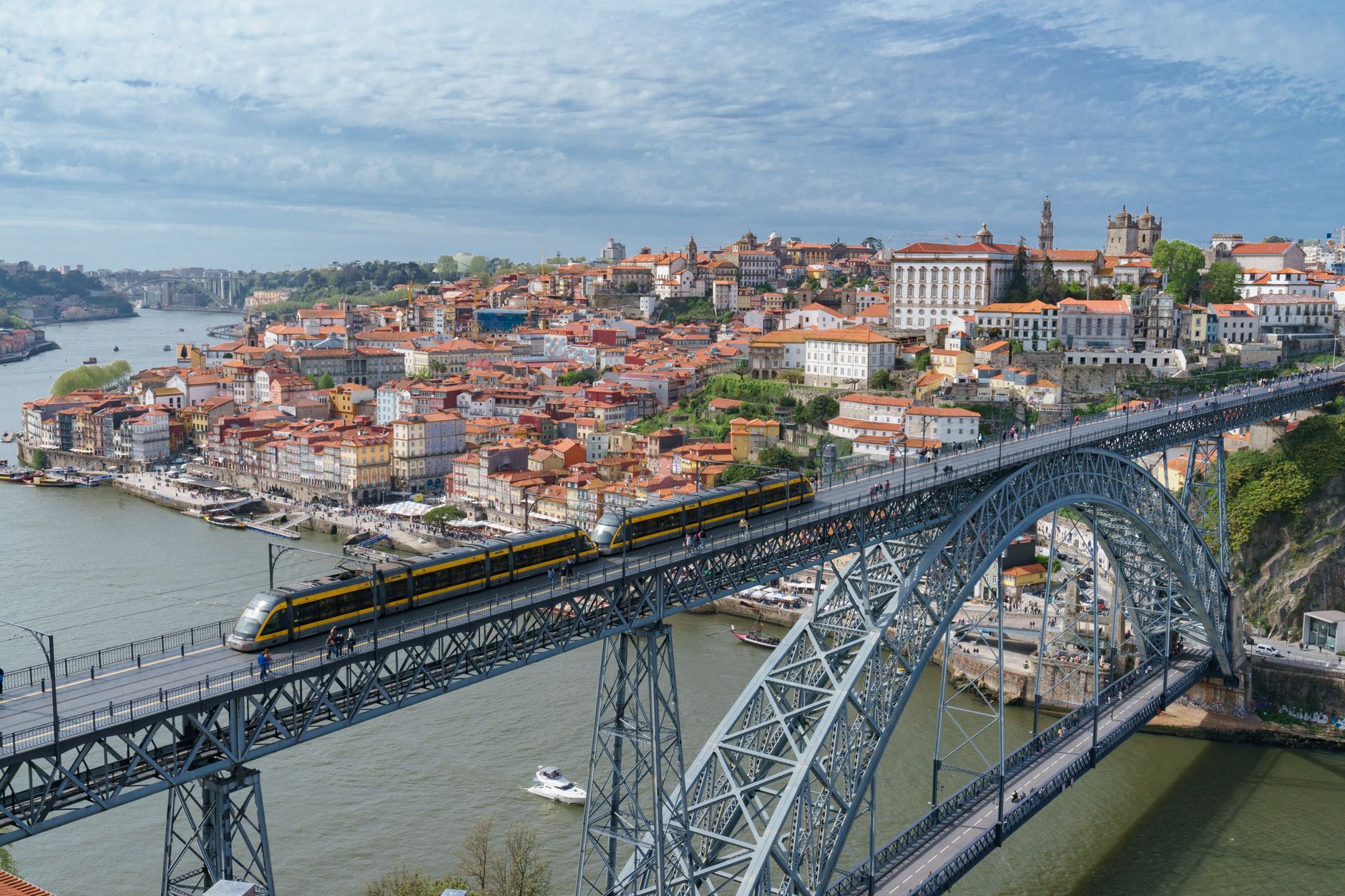
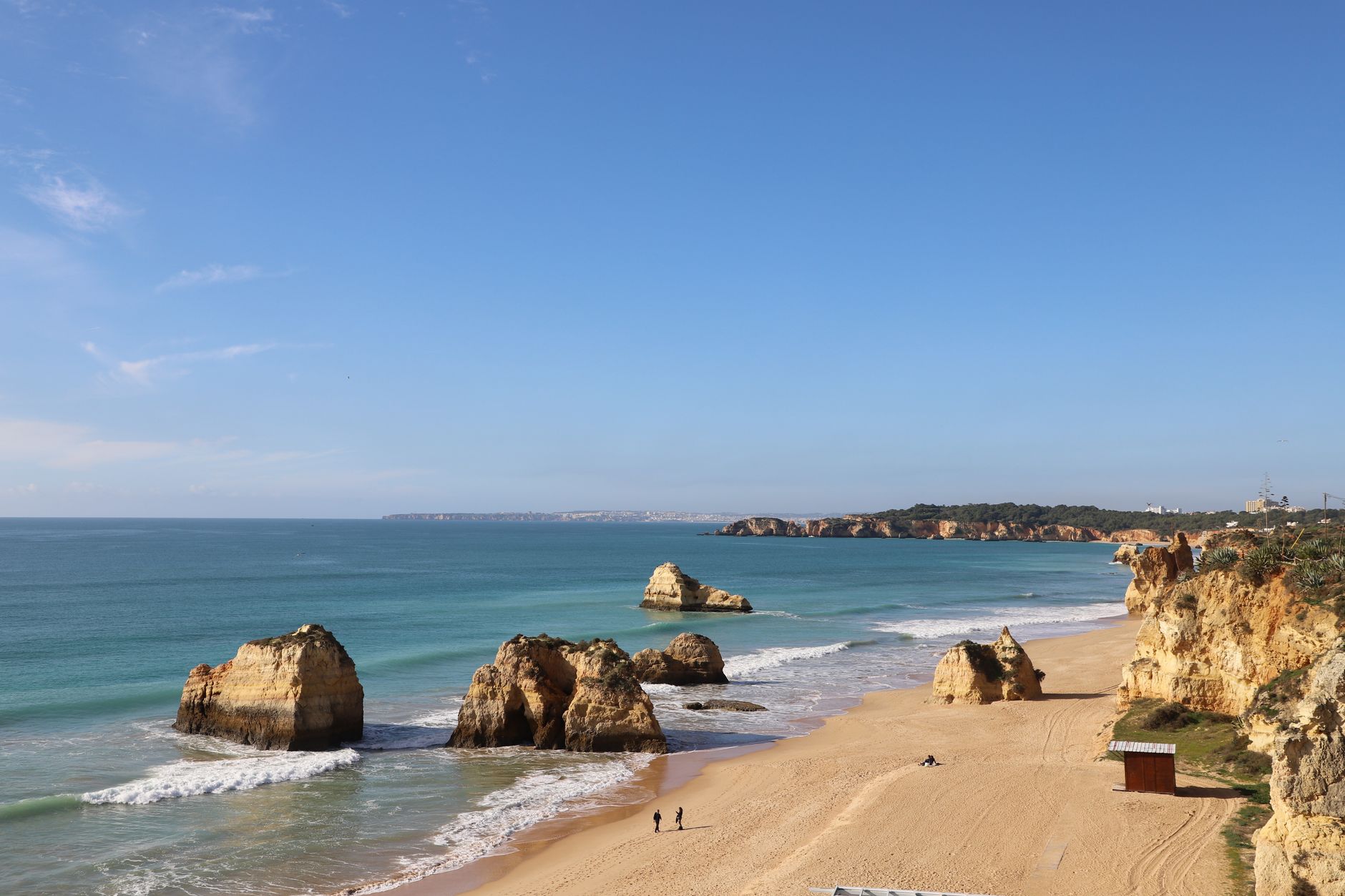
Alentejo and rural Algarve need a car. Flying into Porto and out from Faro (or LIS→FAO) lets you drive the country end-to-end without backtracking.
Travel information
Before you go to Portugal
✈️
Airports & entry
Portugal has 5 major international airports. Consider Lisbon (LIS) as your main entry point, or fly in and out from different cities to see more.
🗓️
Best trip length
Most visitors spend 6–18 days in Portugal. Shorter trips work well for focused regions; longer trips let you explore more deeply.
🗺️
Regions to know
Portugal has 5 distinct regions. Lisbon & Around and Algarve are the most popular starting points for first-time visitors.
🚗
Getting around
Alentejo and rural Algarve need a car. Flying into Porto and out from Faro (or LIS→FAO) lets you drive the country end-to-end without backtracking.
💡
Smart planning tip
Generate a personalised trip plan with Wayloha: just enter your budget, travel style and travel dates. Our AI reads 62 travel blogs to build your perfect route.
📋
Preparation guide
After generating your trip plan, Wayloha creates a full preparation guide, including packing list, visa info, SIM card tips, money advice and local customs tailored to your trip.
Travel inspiration
Portugal in pictures
Real travel content from the community. See the latest photos, videos and stories from people who've already been.
Content is hosted on third-party platforms. Wayloha links to public hashtag pages and does not store any social media content.
Ready to visit Portugal?
Tell Wayloha your travel style, budget and travel dates. We'll build your complete day-by-day trip plan. Your first draft is on your screen within a minute.
Booking.com affiliate links: Wayloha earns a small commission at no extra cost to you
Travel guide
All about Portugal
Portugal is a country where history breathes through narrow alleyways, where the sun shines 300 days a year, and where you can enjoy a glass of port wine in the Douro valley just as easily as fresh fish in a harbour town. From the steep cliff coastlines of the Algarve to the romantic palaces of Sintra, this is a destination that feels like a secret waiting to be discovered.
Why visit Portugal
Portugal isn't known as one single big attraction. It's more of a mosaic of different experiences that complement each other. The two big cities, Lisbon and Porto, form the heart of the country with their iconic architecture and lively nightlife, but the real character lies in the finer details. The Algarve offers more than just beaches: its 200-kilometre coastline hides secluded caves like Benagil, unspoiled islands reachable by ferry, and waves that appeal to surfers and walkers alike. What sets Portugal apart is how deeply the Moorish legacy still shows, in weathered castles, intricate tilework, and the country's culinary heritage. This is a country where you don't just tick off the highlights. You get real room to breathe and explore.
Skip the tourist resorts and spend time in local neighbourhoods like Faro's old town, where narrow alleyways hide small restaurants serving real Algarve specialities
Portugal is big enough that you won't feel overwhelmed, but small enough to get around easily. You'll have time for both famous palaces and unexpected discoveries
Nature plays a leading role here, from the Ria Formosa nature reserve with its bird paradise to the Costa Vicentina, with over 400 kilometres of hiking trails (Rota Vicentina)
When to go
Portugal's seasons don't shift drastically, but they do set the mood of your trip. Spring (mid-April to early June) and autumn (mid-September to early November) offer the best balance: pleasant weather without the stifling summer crowds and higher prices. In summer, Lisbon and Porto fill up with travellers, which means popular attractions get busier, hotel rooms cost more, and temperatures climb sharply. Winter is noticeably quieter and cheaper, though you should expect more rain and cooler days. The Algarve breaks a lot of travel rules: the region gets around 300 days of sun a year, so even the winter months can feel pleasant. If beaches and outdoor activities are your priority, May or September are ideal. The sea is warm enough to swim in, but the crowds of July and August are gone.
Avoid July and August in the big cities. You'll find better prices and shorter queues in May or September
Winter (December to February) doesn't mean bad beaches. Many coastal towns feel fuller of character and less commercial
Plan your Sintra visit for the wetter season. Mist around the palaces adds a touch of mystery, and there are fewer visitors
Getting there and getting around
Most international flights to Portugal land in Lisbon, where the international airport connects well to the city centre by public transport. If you have more time, Porto is an interesting alternative arrival point. Once you're in the country, the rail network is the backbone of getting around: direct trains link Lisbon, Porto and the Algarve, with daily connections. Regional trains are cheap (often under €10 for shorter routes), but take longer than the fast Alfa Pendular between Lisbon and Porto (around €25-35), which gives you time to relax and take in the landscape. For more flexibility, especially if you want to explore smaller villages and lesser-known coastal spots, renting a car is affordable and practical. The roads are well maintained and easy to navigate. Public transport within cities like Lisbon and Porto works reliably, with bus tickets and metro cars. When you arrive, try to land early in the day so you can make the most of your first day.
Book trains in advance for better fares. Regional trains save you money, fast trains save you time
A rental car gives you freedom along the Algarve coast and in villages in the Douro valley, but in city centres, parking is expensive and navigating is tricky
Use taxis or Uber for one-off trips. Budget around €50 a day for occasional transport
Unmissable experiences
No trip to Portugal is complete without Lisbon. Wander through Alfama's twisting streets, visit the Belém Tower, and watch the sunset from one of the many miradouros (viewpoints). Two days here gives you time for the highlights, though more is better. From Lisbon, Sintra makes an easy day trip: the Pena Palace and the gardens of Quinta da Regaleira show why this small town enchanted noblemen for centuries. Porto has an entirely different character to Lisbon. Its ribeiras (riverside quarters) are worth exploring, and tasting port wine in the wine cellars along the banks of the Douro isn't just a tourist thing, it's intimate and full of flavour. If you have two weeks or more, a trip to the Douro valley adds real depth: the hillside vineyards and small villages offer a calm that city travel can't match. The Algarve ends your trip with drama: you can reach Benagil Cave by boat, where sea water glitters in caves lit by sunlight, and the Seven Hanging Valleys Trail runs along the coast with endless views. If you want to stay active, the west coast around Praia da Bordeira has waves and walking trails; if you prefer something reliable, the beaches around Praia de Dona Ana and Praia da Falesía are easy options.
Put Sintra on day 3 of your trip. It's easy to reach from Lisbon and feels like a taste of Portugal's deeper history
Book boat tours to Benagil Cave in advance, especially in season. Spots are popular and limited
Combine Algarve beaches with lesser-known towns like Olhão (known for its street art) or Faro (its old town) to avoid mass tourism
Practical tips
Budget: Portugal is affordable compared to many Western European destinations, though prices rise in the big cities. A standard hotel room costs between €50 and €150 a night, depending on the season and location. Food is a bargain: restaurant meals range from €8 to €25 a course, with local snack bars and pastelarias (bakeries) even cheaper. It's worth picking a hotel with breakfast included and packing picnic lunches to keep costs down. Language: many young Portuguese speak English, but the country's main language is Portuguese. Learning a few basic phrases helps with locals, especially outside the tourist areas. Restaurants and hotels are more likely to speak English. Safety: Portugal is one of the safest countries in Europe, and serious crime against tourists is rare. In busy spots like central Lisbon, stay alert for pickpockets, especially on public transport. Stick to normal precautions: keep valuables out of sight, and avoid walking alone at night in unfamiliar neighbourhoods. Food and culture: Portuguese cuisine centres on fresh fish, rice and traditional dishes like cataplana (a fish and shellfish stew). Restaurants usually serve lunch from 12:00 to 14:30 and dinner from 19:00 to 22:00; many close outside these hours. Tipping isn't required, but 5 to 10% is appreciated if you're happy with the service.
Use tourist passes in Lisbon and Porto for unlimited public transport. They pay for themselves quickly
Download offline Google Maps and a translation app before you go. Interactions with local business owners feel more rewarding when you try their language
Book accommodation in central neighbourhoods (Alfama in Lisbon, Ribeira in Porto) for a walkable experience, but expect more noise in the evenings
Generated from 2 travel guides and experiences · Sources