Scooter rental is the way to explore. Car rental with driver is affordable for day trips.
Travel information
Before you go to Vietnam
✈️
Airports & entry
Vietnam has 4 major international airports. Consider Hanoi (HAN) as your main entry point, or fly in and out from different cities to see more.
🗓️
Best trip length
Most visitors spend 14–20 days in Vietnam. Shorter trips work well for focused regions; longer trips let you explore more deeply.
🗺️
Regions to know
Vietnam has 4 distinct regions. North and Central are the most popular starting points for first-time visitors.
🚗
Getting around
Scooter rental is the way to explore. Car rental with driver is affordable for day trips.
💡
Smart planning tip
Generate a personalised trip plan with Wayloha: just enter your budget, travel style and travel dates. Our AI reads 62 travel blogs to build your perfect route.
📋
Preparation guide
After generating your trip plan, Wayloha creates a full preparation guide, including packing list, visa info, SIM card tips, money advice and local customs tailored to your trip.
Travel inspiration
Vietnam in pictures
Real travel content from the community. See the latest photos, videos and stories from people who've already been.
Content is hosted on third-party platforms. Wayloha links to public hashtag pages and does not store any social media content.
Ready to visit Vietnam?
Tell Wayloha your travel style, budget and travel dates. We'll build your complete day-by-day trip plan. Your first draft is on your screen within a minute.
Booking.com affiliate links: Wayloha earns a small commission at no extra cost to you
Travel guide
All about Vietnam
Vietnam feels like coming home for backpackers and adventurers. From the green rice terraces in the north to the busy streets of Ho Chi Minh City, this country pulls you in with irresistible food, warm-hearted people and natural wonders that take your breath away.
Why visit Vietnam?
Vietnam is one of Asia's most loved destinations, and for good reason. The country offers a perfect mix of everything a traveller wants: striking landscapes with limestone caves and island bays, a coherent culture you can really feel, and food you won't forget. Prices are incredibly low. You can eat a bowl of pho for a couple of euros, sleep in a clean hostel for less, and pay next to nothing to visit temples and natural sites.
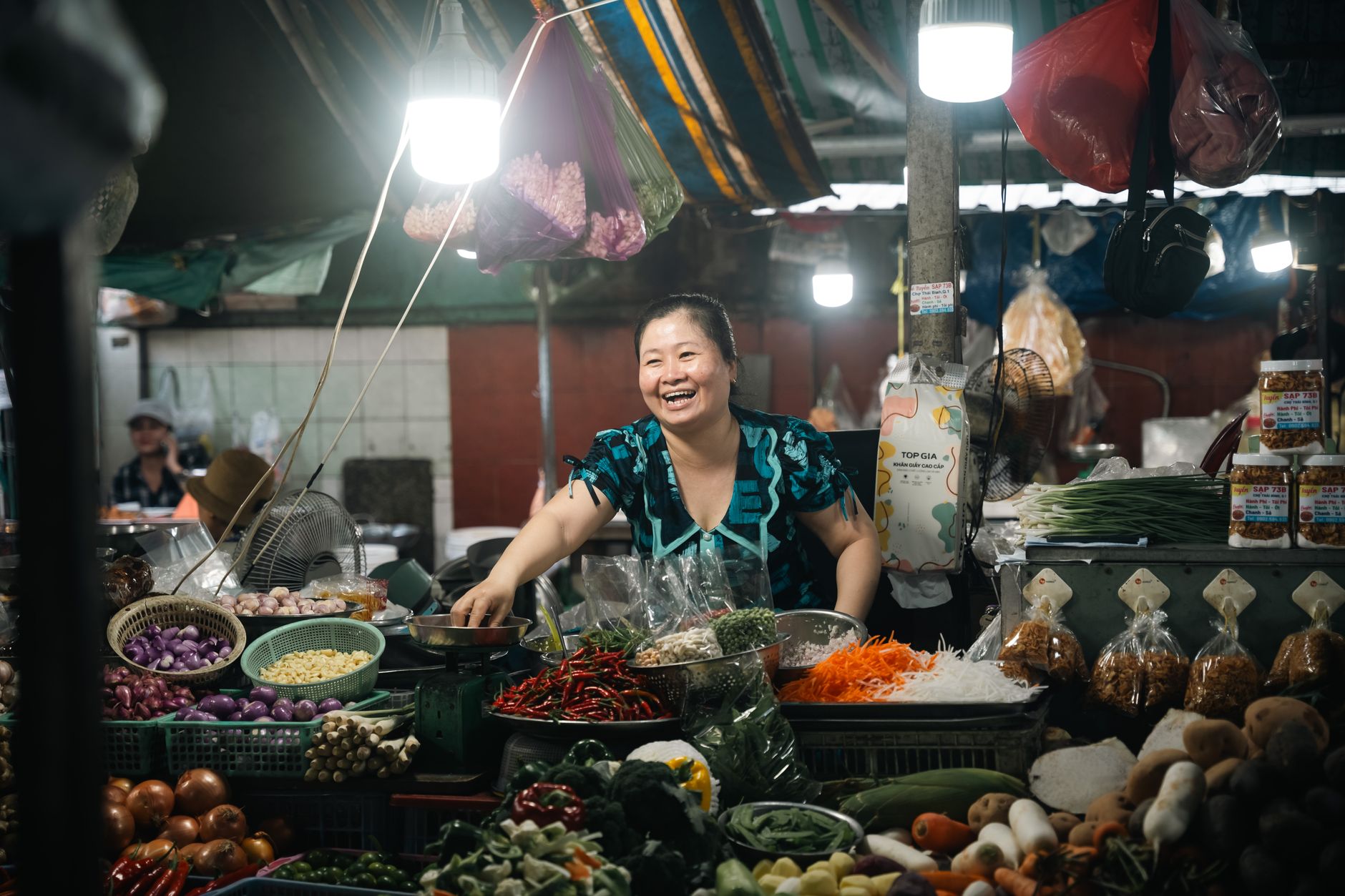
What makes Vietnam truly special is how genuine everything feels. Beyond the busy tourist hotspots, you'll find small villages where locals invite you in for tea, markets where you buy fresh fruit and vegetables straight from the farmer, and quiet spots where you won't see another tourist. Vietnamese people are known for their real warmth - they're happy to help you and share their culture with you.
Plan at least three to four weeks if you want to really feel what the country is like
Spend more time in fewer places instead of racing through everything
Learn a few basic words - even a simple thank you in Vietnamese makes locals happy
Best time to visit
Vietnam is big - stretching more than 1,000 kilometres from north to south - so the weather varies from region to region. The north has proper seasons: from April to October it gets hot, humid and rainy, while winter (November to March) is dry and cool. In the south, it rains heavily from May to October, but the rest of the year is warm and sunny. This means you can almost always find good weather somewhere in Vietnam.
November to April is the golden window for most travellers. The north is dry and mild then, around 20 degrees, perfect for trekking in the mountains around Sapa. The south is pleasant too during this time. If you don't mind rain and want fewer tourists, May or October can still work well - it rains more, but beaches are quieter and prices drop. Avoid July and August if you don't like sweltering heat.
Always pack a rain jacket, even in the dry season - showers can hit anywhere
Book your transport in advance if you're travelling at weekends, as buses fill up
Travelling early in the morning avoids the worst heat and leaves you more energy for exploring
How to get there and get around
Many international airlines fly direct to Hanoi or Ho Chi Minh City. Most backpackers start in the north (Hanoi) and work their way down to the south (Ho Chi Minh City), or the other way round. A visa is required for most nationalities - you can easily arrange this online, and it gets you up to 90 days with multiple entries.
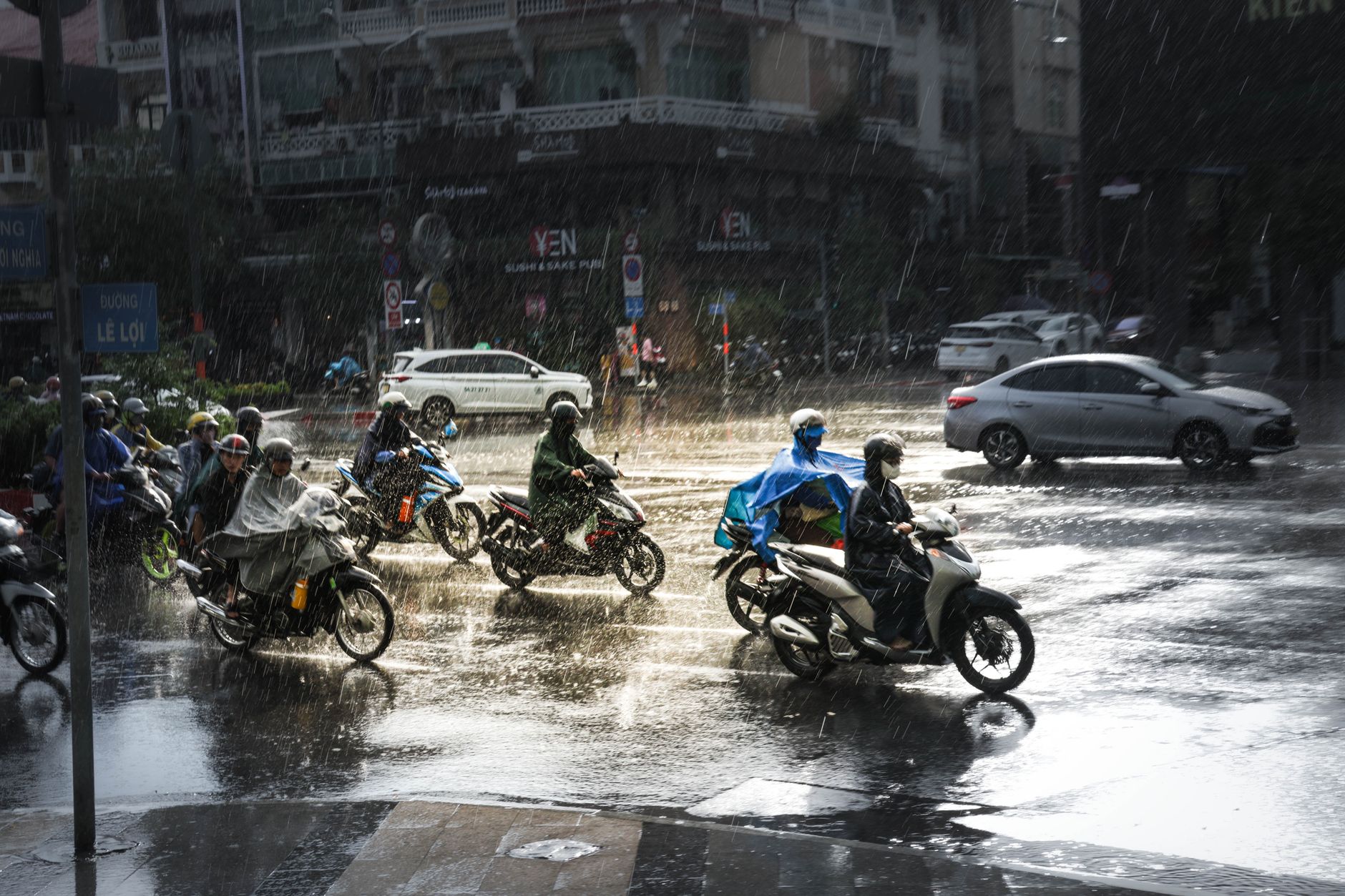
Within Vietnam, you travel by bus, train or plane. Buses are the cheapest option and popular with travellers: night buses save you a night's hotel bill. Trains run along the whole coast and are comfortable for longer distances. Or you can rent a motorbike - many backpackers do this for the freedom and adventure, but always wear a helmet and get insurance. For more control over your route, you can also travel by car with a driver. The website 12go.asia helps you book everything in advance.
Bring a universal power adapter - Vietnam uses type A, C and F plugs
Wear a helmet when you ride a motorbike, even if it feels odd in the heat
Book bus tickets through trusted websites, not from street sellers - avoid tourist traps
Experiences you shouldn't miss
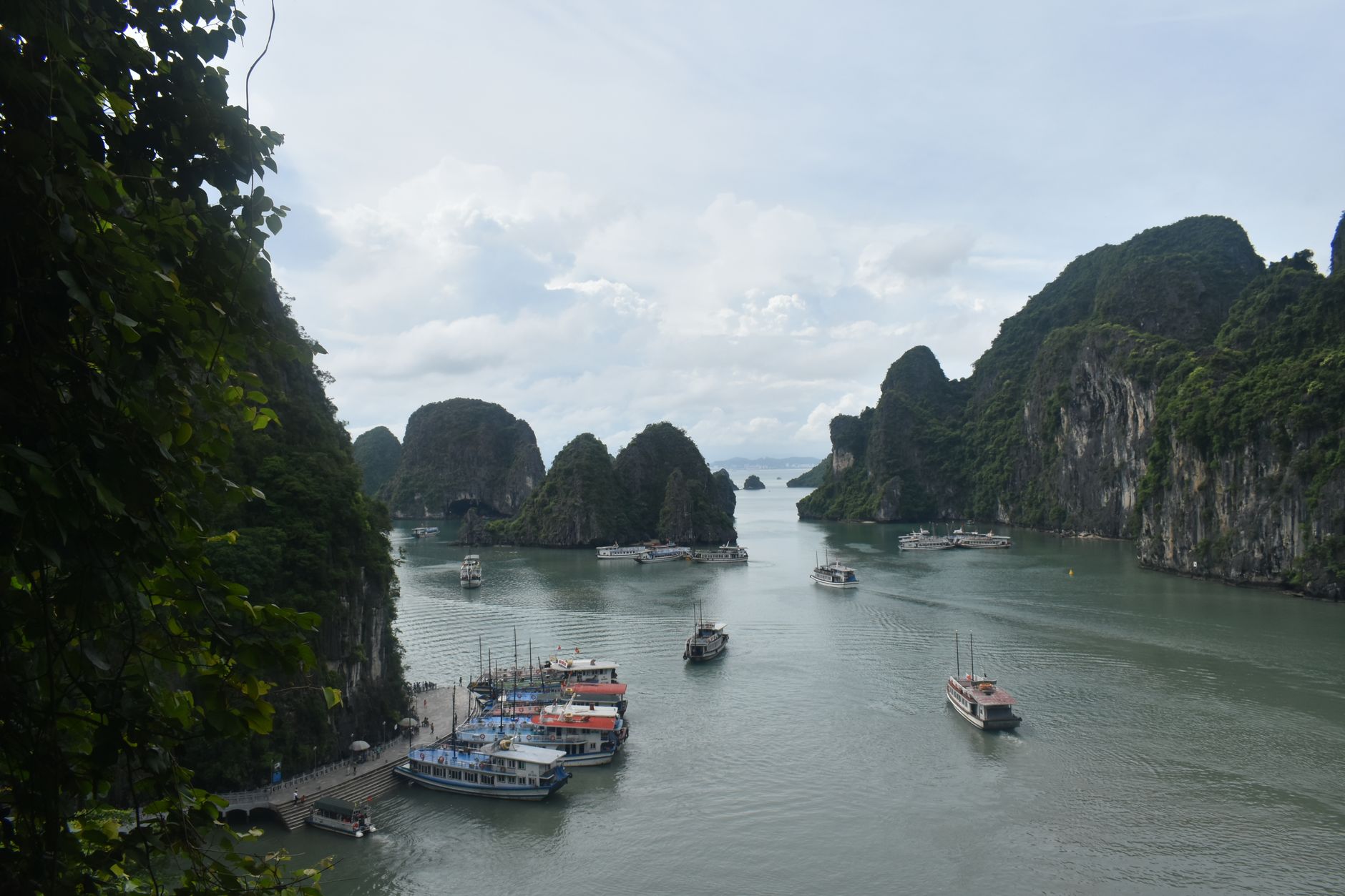
Start in Hanoi, the busy heartbeat of the north - walk through the Old Quarter with its narrow streets, eat pho at a soup stall and visit Jade Mountain Temple. From there, head to Halong Bay, where you sail among 1,000 limestone islands; many travellers book this from the larger island of Cat Ba, which works out cheaper. Ninh Binh, a bit further south, gives you rice fields, caves and a calmer side of Vietnam without all the hassle.
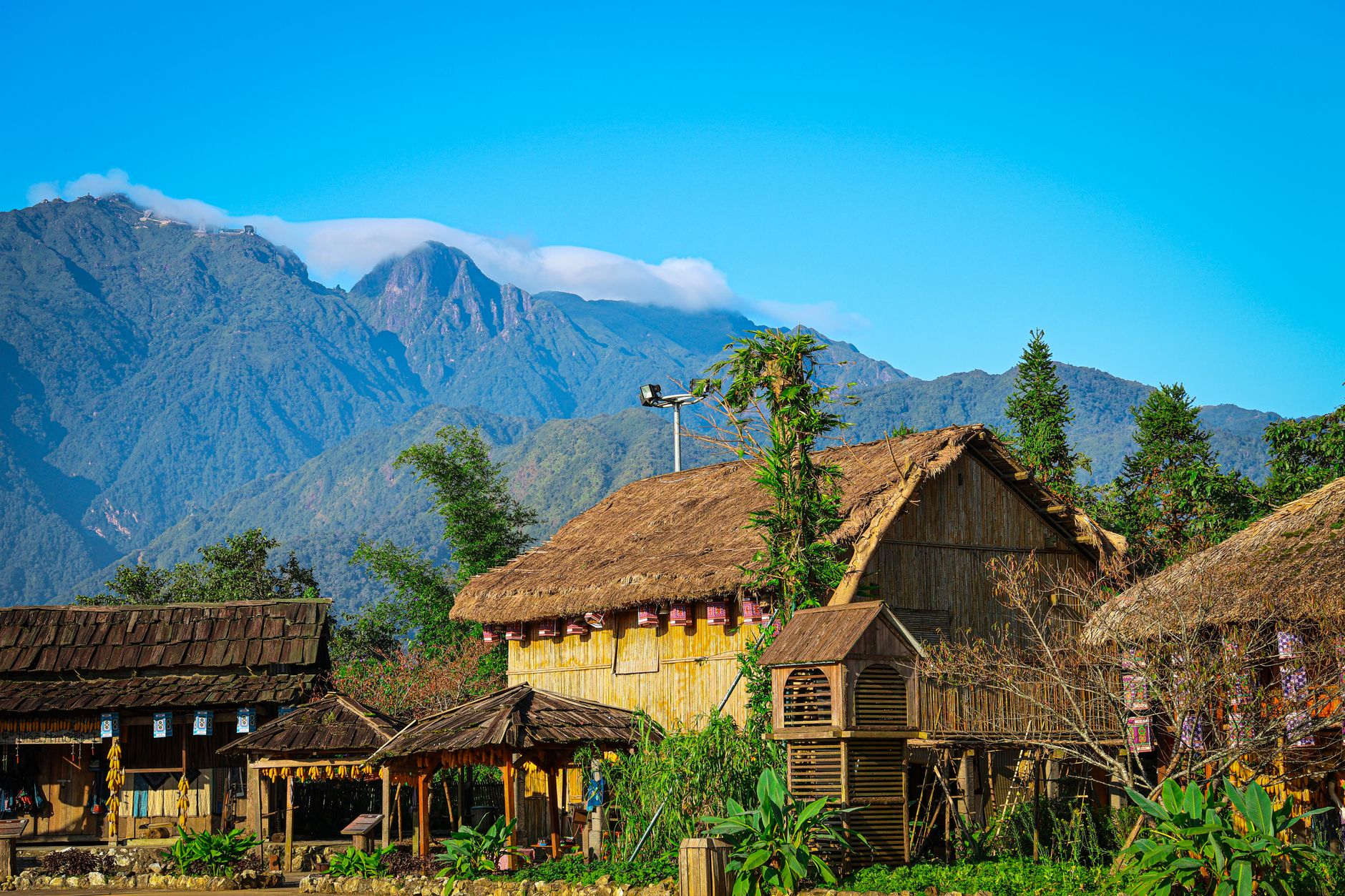
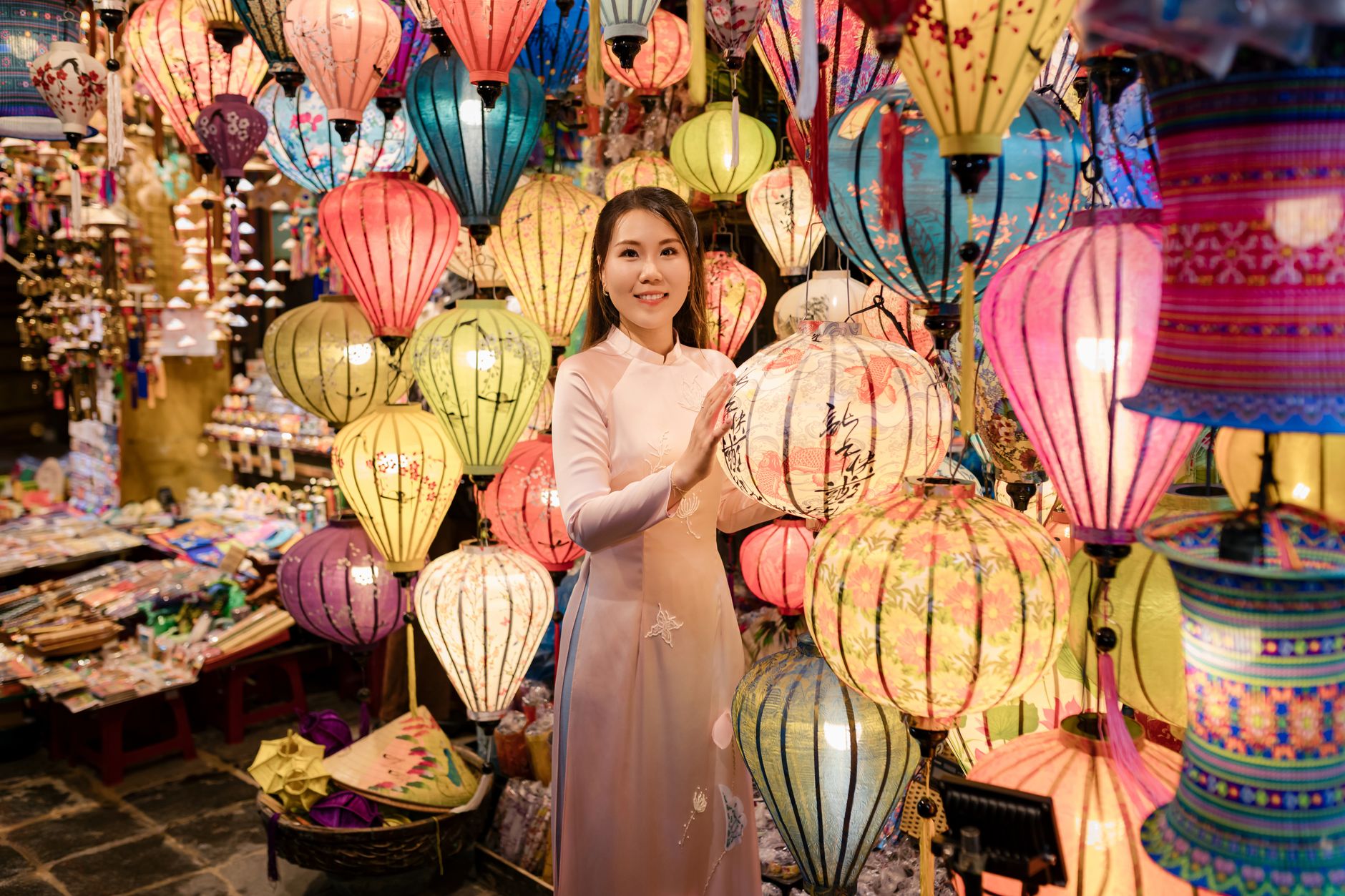
Hoi An, further along in the centre, is a former port town with yellow colonial houses, lanterns that glow at night and excellent tailor shops - you can have a suit made here for 50 to 100 euros. In the south, you'll find islands like Phu Quoc, with beaches and diving, and Mui Ne, with sand dunes and kitesurfing. The mountains around Sapa offer trekking through rice terraces with homestays among local tribes. How you travel depends on your budget and how much adventure you want - some go by motorbike, others join guided tours.
Book Sapa treks locally and cheaply through hostels, not online in advance
Halong Bay gets busy - choose smaller boats or overnight cruises for more peace and quiet
Ninh Binh feels like the real Vietnam - with far fewer tourists than other places
Practical tips for your travels
Vietnam is one of the cheapest countries in the world. A good meal from a street stall costs 1 to 3 euros, a hotel room costs 5 to 20 euros, and buses between cities are cheap too. Budget travel costs around 20 to 30 euros a day if you're careful with money. Exchange money at banks or use an ATM, not street traders - their rates are often dodgy. Tipping isn't required, but round up your bill or leave 5 to 15 percent in restaurants if you're happy with the service.
The official language is Vietnamese. English is spoken in tourist areas, but learning a few words makes a difference: xin chào means hello, cảm ơn means thank you, and bao nhiêu means how much does this cost. Most Vietnamese people are Buddhist, so be respectful in temples - take off your shoes, don't point your feet at statues, and respect prayer times. Tap water isn't safe to drink; use a reusable bottle with a filter or buy filtered water. Vietnam is safe for travellers, but watch out for pickpockets on busy buses and in markets, and avoid walking alone on empty streets at night.
Bring insect repellent and reef-safe sunscreen - you'll protect yourself and the marine life
Loose, light clothing helps in the heat; pack a rain jacket and a quick-drying towel
Stomach medicine is a smart precaution - your stomach needs time to adjust to new food
Generated from 4 travel guides and experiences · Sources