Rental car essential for the Garden Route and Winelands. Safari lodges arrange game drives. Drive on the left.
Travel information
Before you go to South Africa
✈️
Airports & entry
South Africa has 3 major international airports. Consider Cape Town (CPT) as your main entry point, or fly in and out from different cities to see more.
🗓️
Best trip length
Most visitors spend 10–16 days in South Africa. Shorter trips work well for focused regions; longer trips let you explore more deeply.
🗺️
Regions to know
South Africa has 4 distinct regions. Cape Town & Winelands and Garden Route are the most popular starting points for first-time visitors.
🚗
Getting around
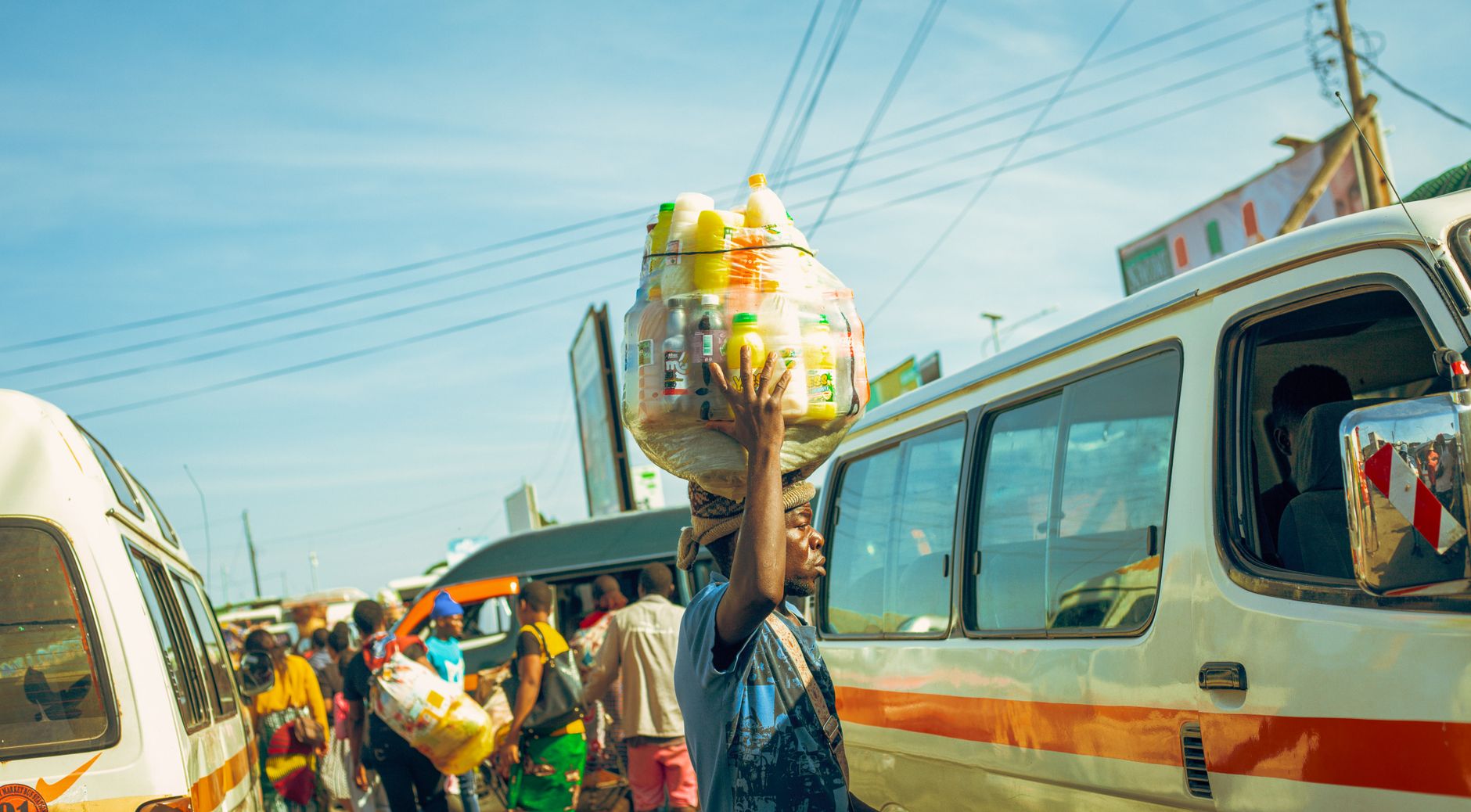
Rental car essential for the Garden Route and Winelands. Safari lodges arrange game drives. Drive on the left.
💡
Smart planning tip
Generate a personalised trip plan with Wayloha: just enter your budget, travel style and travel dates. Our AI reads 62 travel blogs to build your perfect route.
📋
Preparation guide
After generating your trip plan, Wayloha creates a full preparation guide, including packing list, visa info, SIM card tips, money advice and local customs tailored to your trip.
Travel inspiration
South Africa in pictures
Real travel content from the community. See the latest photos, videos and stories from people who've already been.
Content is hosted on third-party platforms. Wayloha links to public hashtag pages and does not store any social media content.
Ready to visit South Africa?
Tell Wayloha your travel style, budget and travel dates. We'll build your complete day-by-day trip plan. Your first draft is on your screen within a minute.
Booking.com affiliate links: Wayloha earns a small commission at no extra cost to you
Travel guide
All about South Africa
South Africa is a country that demands your full attention, in the best possible sense. From the enchanting flavour profiles of local wines to stories shared by real South Africans opening their lives to you, this country leaves no room for superficiality. It's exhausting and unforgettable at once, which is exactly why you need somewhere quiet to let it all settle.
Why go to South Africa
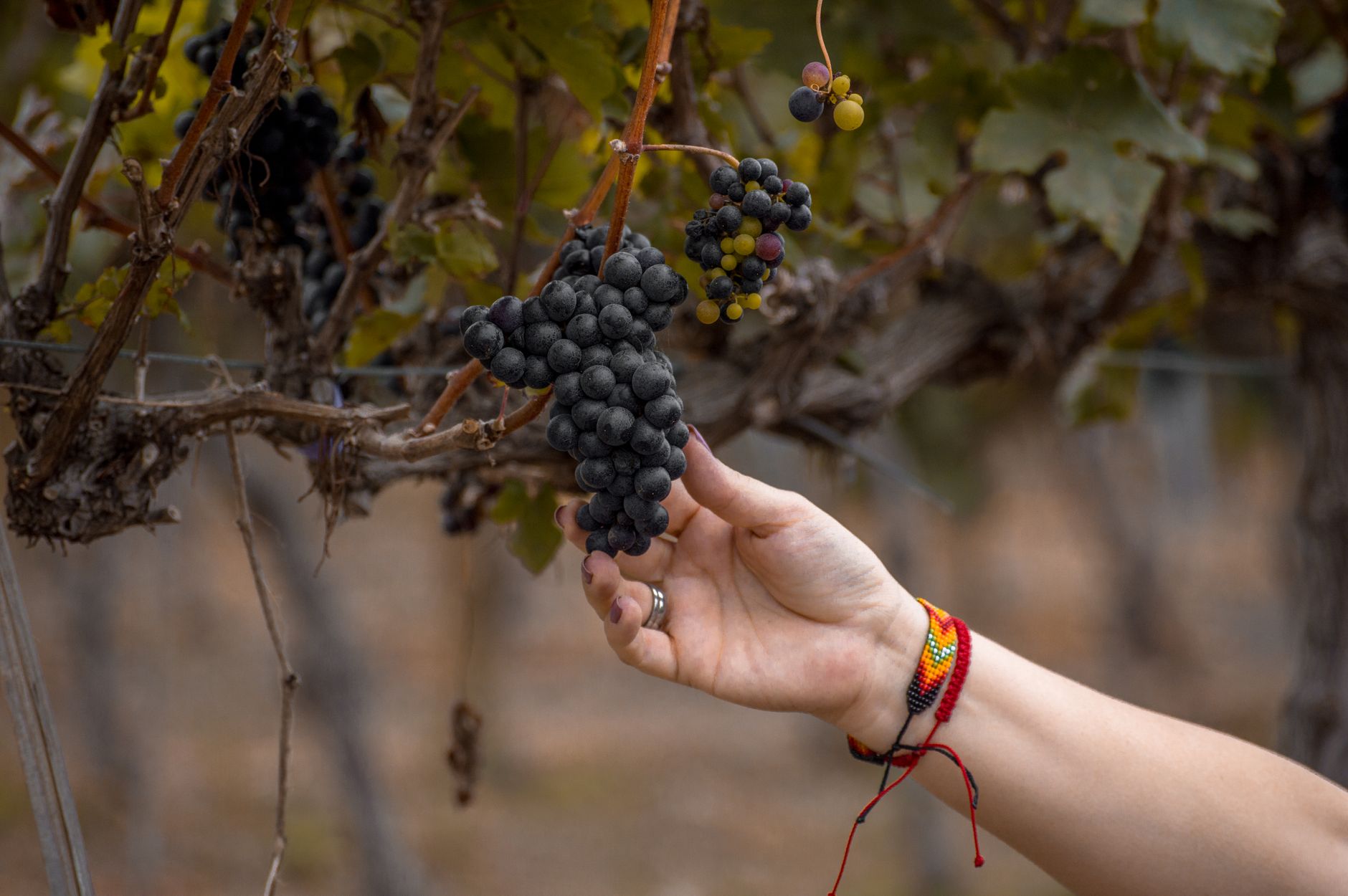
South Africa stands out in many ways, but its wine landscape is genuinely unique on the world stage. The wines here have characteristics you won't find anywhere else: think of the warm, vanilla-tinged notes of South African white wines that enchant your palate. Pinotage is iconic, but it's those unusual flavour profiles that make South Africa a wine paradise. The real surprise? This quality is remarkably affordable.
But the country offers far more than wine alone. The true value of a visit lies in human connection. When you talk to South Africans, hearing their personal stories about their lives and experiences, you gain insight into a complex history that goes far beyond what textbooks teach. This country demands respect and curiosity, and that fundamentally changes your experience.
Read Trevor Noah's 'Born a Crime' before you go - the audiobook is especially powerful because of his different accents and voices
Make real human connections instead of just ticking off tourist activities
Understand that South Africa is intense and demanding, which prepares you for both the physical and emotional journey
The best time to go
South Africa's climate shifts significantly depending on the season, so timing matters. Warmer periods bring more tourists to popular spots, while quieter seasons give you more room to explore at your own pace. For wine lovers, though, this matters less: the wine regions are worth visiting year-round and the quality of the experience doesn't shift drastically with the season.
If you're planning a longer trip through the country, say ten days or more, it can become overwhelming. This is exactly why spending a few days, ideally three or four, somewhere like Stellenbosch is essential. It gives your body and mind a chance to recover and process everything you've seen and learned. The university town offers that perfect pause thanks to its relaxed, youthful feel.
Plan at least 3-4 days in a quieter destination if you're travelling for more than a week
Remember that busy periods are busier, but they don't diminish what makes places special
Check for local events before you travel, as they can either enrich or complicate your experiences
How to get there and get around
To reach Stellenbosch from Cape Town you have several options. A taxi, bus, or train are traditional choices, but locals advise against the train. A private shuttle service is what most travellers prefer, because it's more reliable and comfortable. The journey takes roughly an hour and takes you from Cape Town's buzz into the quiet university town.
Stellenbosch itself is perfect for exploring on foot, thanks to its compact size of about 100,000 people. The centre is packed with hotels, restaurants, cafés and shops within easy reach. This is the advantage of a university town: everything is designed for accessibility and ease. For longer journeys through the country you'll need to account for bigger distances, so decent transport is essential.
Avoid the train from Cape Town to Stellenbosch; choose a private shuttle or taxi instead
Buy a South African power adapter before you travel - these are hard to find outside South Africa
Work with Stellenbosch's compact size by using your feet as your main form of transport
Experiences you can't miss
Wine tasting in Stellenbosch is of course the main draw, but go deeper than the famous big names. The real discovery lies in deliberately visiting black family-owned businesses and smaller wineries. This isn't just about ethics; it also gives you unique flavours and stories you won't find on standard tourist routes. Many travellers stop at Constantia or suburbs just outside Cape Town, but if you want to drink wine 'properly', you need to spend a few days in Stellenbosch. You won't believe how affordable premium wines are: you'll take home a bottle of excellent quality for less than €10.
Beyond the wines: take time to have real conversations with South Africans. Meet people from different backgrounds: black, white, coloured (mixed race, a non-derogatory term in South Africa), Asian. These interactions open your eyes in ways no museum or guide can match. Many South Africans will bring up apartheid themselves; listen more than you ask.
Make a point of visiting black winemakers and hearing their stories - this offers authentic experiences
Spend at least three full days in Stellenbosch to truly absorb the wine landscape
Have meaningful conversations with local people about their lives, without pushing them to rehash painful history
Practical information
Travelling to South Africa requires proper preparation on several fronts. First: get travel insurance. Whether you need unexpected medical care (appendicitis to hospitalisation), experience theft in Cape Town, or have to cancel your trip, insurance provides essential protection. Globally operating insurers offer cover for these situations.
Second: understand the context you're entering. Apartheid ended legally, but new forms of injustice replaced the old ones. This is like the United States after the civil rights movement: the law changed, but structural inequality took different forms. Understanding this reality helps you prepare and set realistic expectations. Communicate respectfully and come open to the country's complexity instead of shallow tourist clichés.
Book travel insurance through reliable providers like World Nomads before you leave
Buy a South African power adapter at home; it's not available elsewhere
Read material on South African history and contemporary reality before you go - it gives context to what you see
Generated from 3 travel guides and experiences · Sources