
Spain's white villages and coastal routes are best by car. Flying into one city and out from another makes a one-way rental perfect — no long drive back.
Travel information
Before you go to Spain
✈️
Airports & entry
Spain has 15 major international airports. Consider Malaga (AGP) as your main entry point, or fly in and out from different cities to see more.
🗓️
Best trip length
Most visitors spend 5–35 days in Spain. Shorter trips work well for focused regions; longer trips let you explore more deeply.
🗺️
Regions to know
Spain has 7 distinct regions. Andalusia and Catalonia are the most popular starting points for first-time visitors.
🚗
Getting around
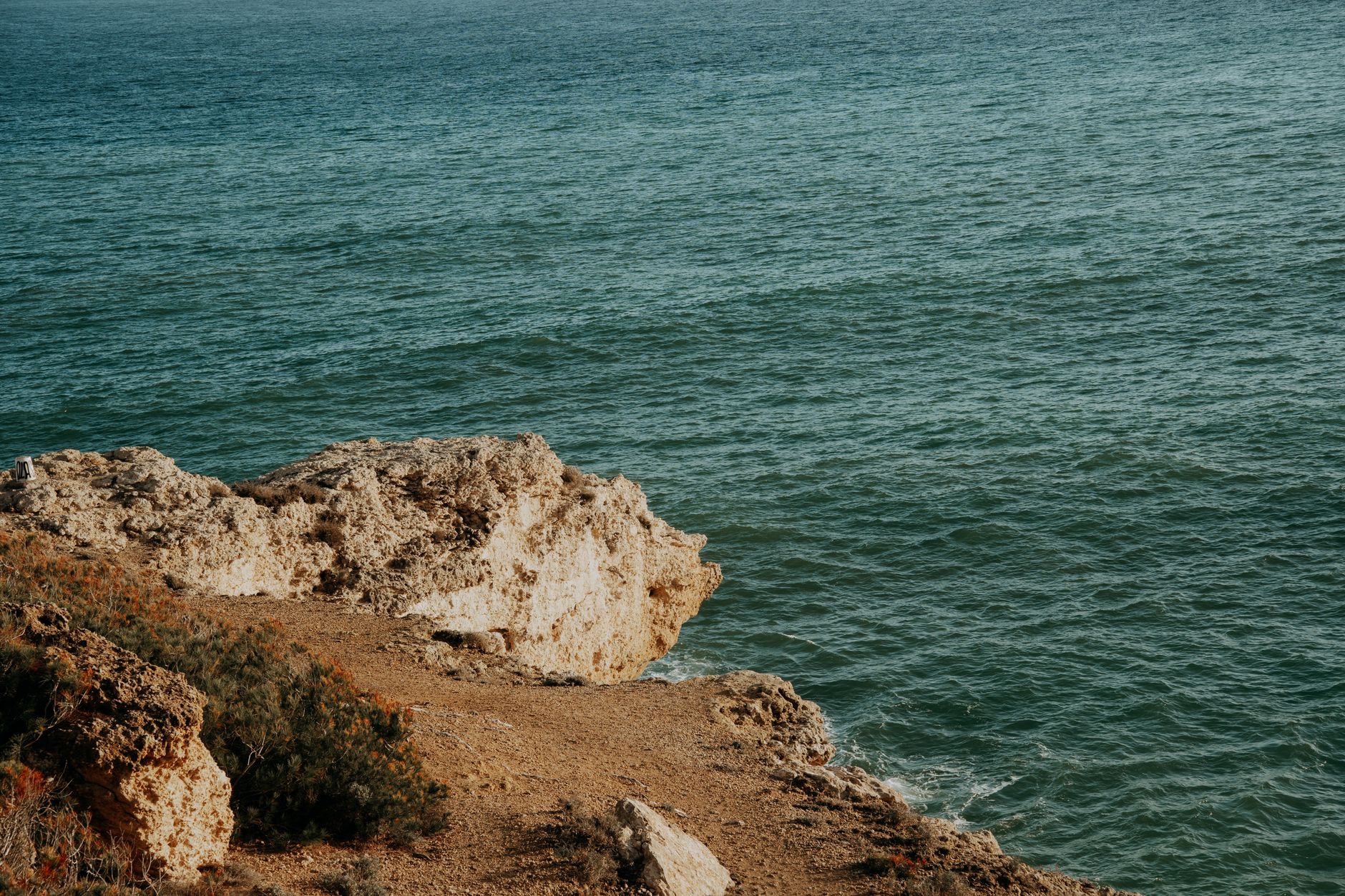
Spain's white villages and coastal routes are best by car. Flying into one city and out from another makes a one-way rental perfect — no long drive back.
💡
Smart planning tip
Generate a personalised trip plan with Wayloha — just enter your budget, travel style and travel dates. Our AI reads 50+ travel blogs to build your perfect route.
📋
Preparation guide
After generating your trip plan, Wayloha creates a full preparation guide — including packing list, visa info, SIM card tips, money advice and local customs tailored to your trip.
Travel inspiration
See Spain through the eyes of travellers
Real travel content from the community. See the latest photos, videos and stories from people who've already been.
Content is hosted on third-party platforms. Wayloha links to public hashtag pages and does not store any social media content.
Ready to visit Spain?
Tell Wayloha your travel style, budget and travel dates. We'll build your complete day-by-day trip plan — your first draft is on your screen within a minute.
Booking.com affiliate links — Wayloha earns a small commission at no extra cost to you
Travel guide
All about Spain
Spain enchants you on more than one level, from the warmth of its people to the architectural wonders woven through its streets. Whether you're captivated by world-class art museums, Andalusia's enchanting landscape, or the convivial atmosphere of tapas bars where conversation carries on late into the night, Spain gives you an experience you won't easily forget.
Why visit Spain
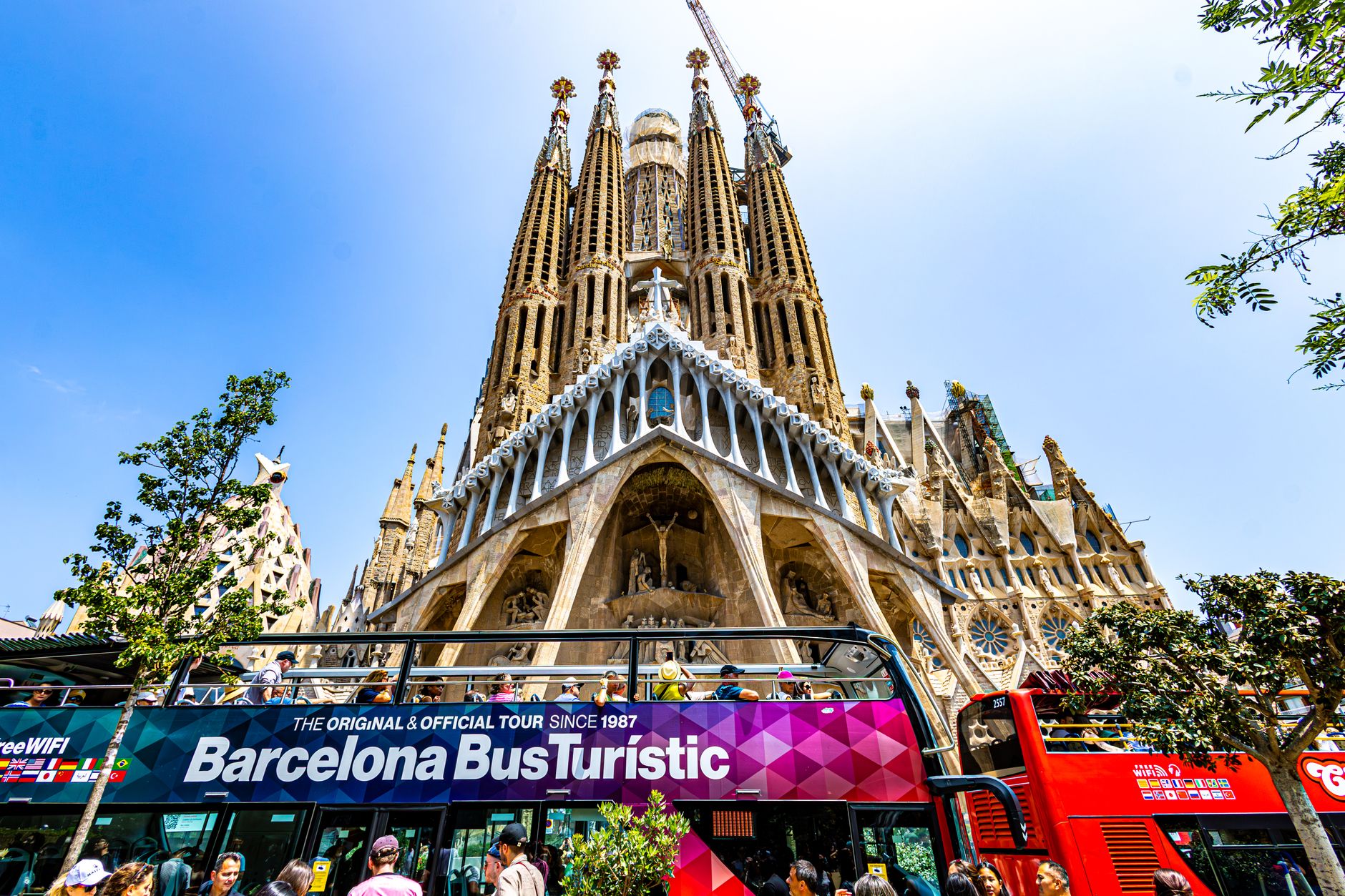
Spain welcomes you instantly with its hospitable culture and energy. This is a country where hostesses won't hesitate to point you in the right direction if you're lost, and where you can feel that convivial atmosphere on every corner. The diversity is remarkable: Madrid pulses with art museums and cosmopolitan energy, Barcelona enchants with architectural masterpieces, while the Andalusian cities of Seville, Córdoba and Granada take you on a journey through centuries of history. What truly makes Spain unique is how these elements come together - in one country, you get spectacular landscapes, architectural gems, green spaces, a thriving art scene and a culinary tradition that enchants your palate. Its efficient public transport network makes it easy to explore these different worlds without any hassle.
Plan at least 10 to 14 days if you want to see the highlights without rushing past them
Spanish culture is all about slow pleasures, so let your pace match the Spanish rhythm
Many museums and attractions require advance booking, especially in high season
Best time to go
You can visit Spain all year round, but timing can change your experience a lot. The best time is April to early June and mid-September to October, when the weather is warm and sunny without extreme heat or crowds of tourists. These periods are perfect for both city exploring and countryside adventures. If you like warmer weather, July and August are an option, but expect busy tourist spots and intense heat. Spring is especially beautiful in Spain, with green landscapes and blooming cities. Autumn offers similar benefits, with pleasant temperatures that are ideal for wandering medieval towns and exploring vineyards.
Avoid the peak months of July and August if you want to dodge the crowds
Winter months can be cool - even in March it can be colder than expected, so pack warm clothing
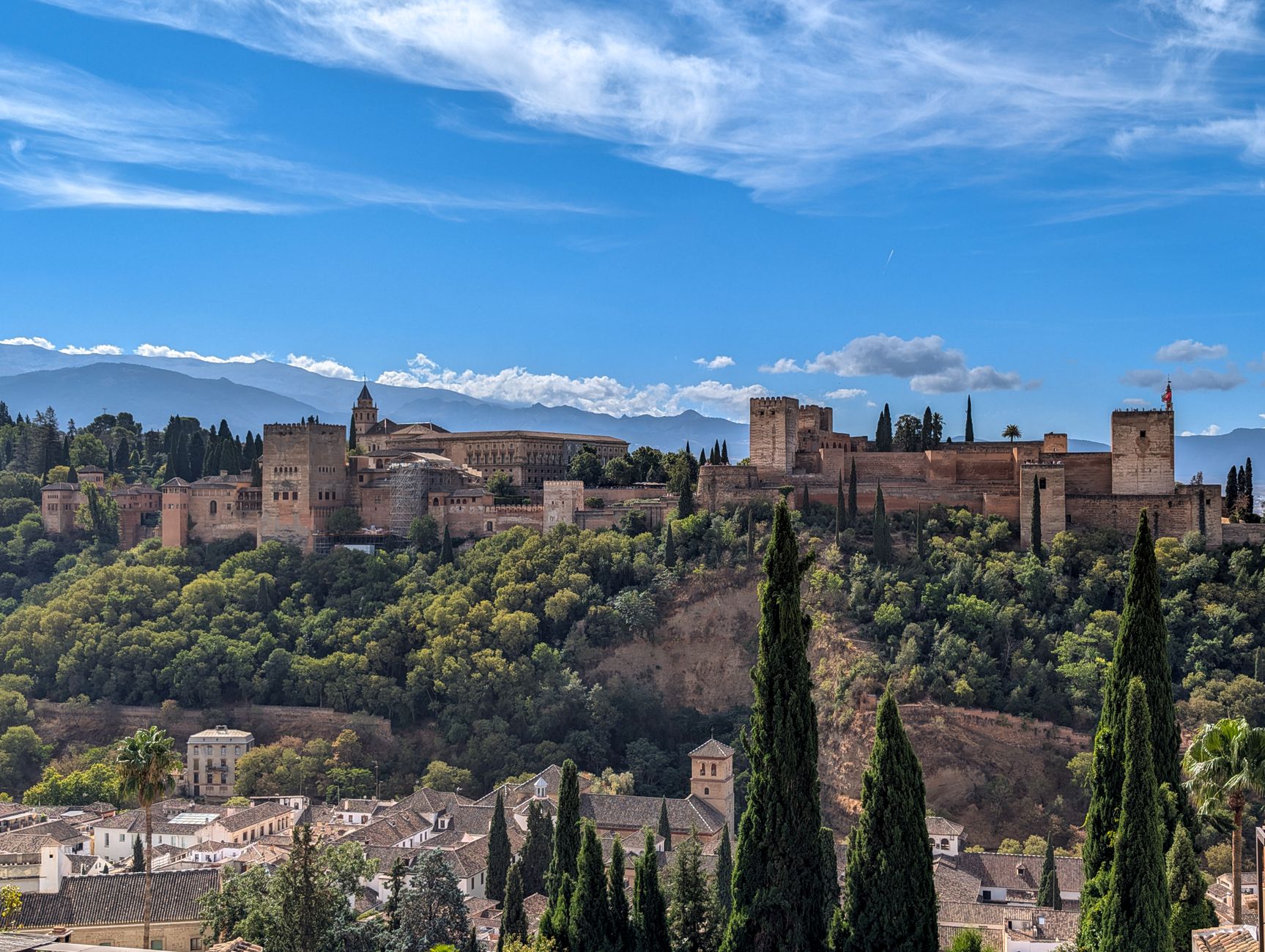
Book popular attractions like the Alhambra weeks in advance, especially in season
How to get there and get around
Spain is easy to reach from Europe, with direct flights to the major cities of Madrid, Barcelona and Málaga. Once you're there, getting around is straightforward thanks to a reliable, efficient multi-modal public transport network. Trains connect the major cities well, so you can easily travel from Madrid to Barcelona, Seville to Granada, or Córdoba to the coast without needing a car. For a more flexible itinerary, especially if you want to explore small villages or experience the Caminito del Rey, a rental car is worth considering. A popular route follows Andalusia: start in Seville, head to Córdoba, then Granada with the Alhambra, then Ronda with its spectacular bridges, and finish on the coast. Many people combine this with a side trip to Portugal for extra variety.
Book train tickets in advance, especially on popular routes between Madrid, Barcelona and Granada
A rental car gives you maximum flexibility for villages and natural attractions, but you don't need a car in big cities
If you're travelling without a car, plan a route around central hubs like Seville, Granada and Madrid as your bases
Essential experiences
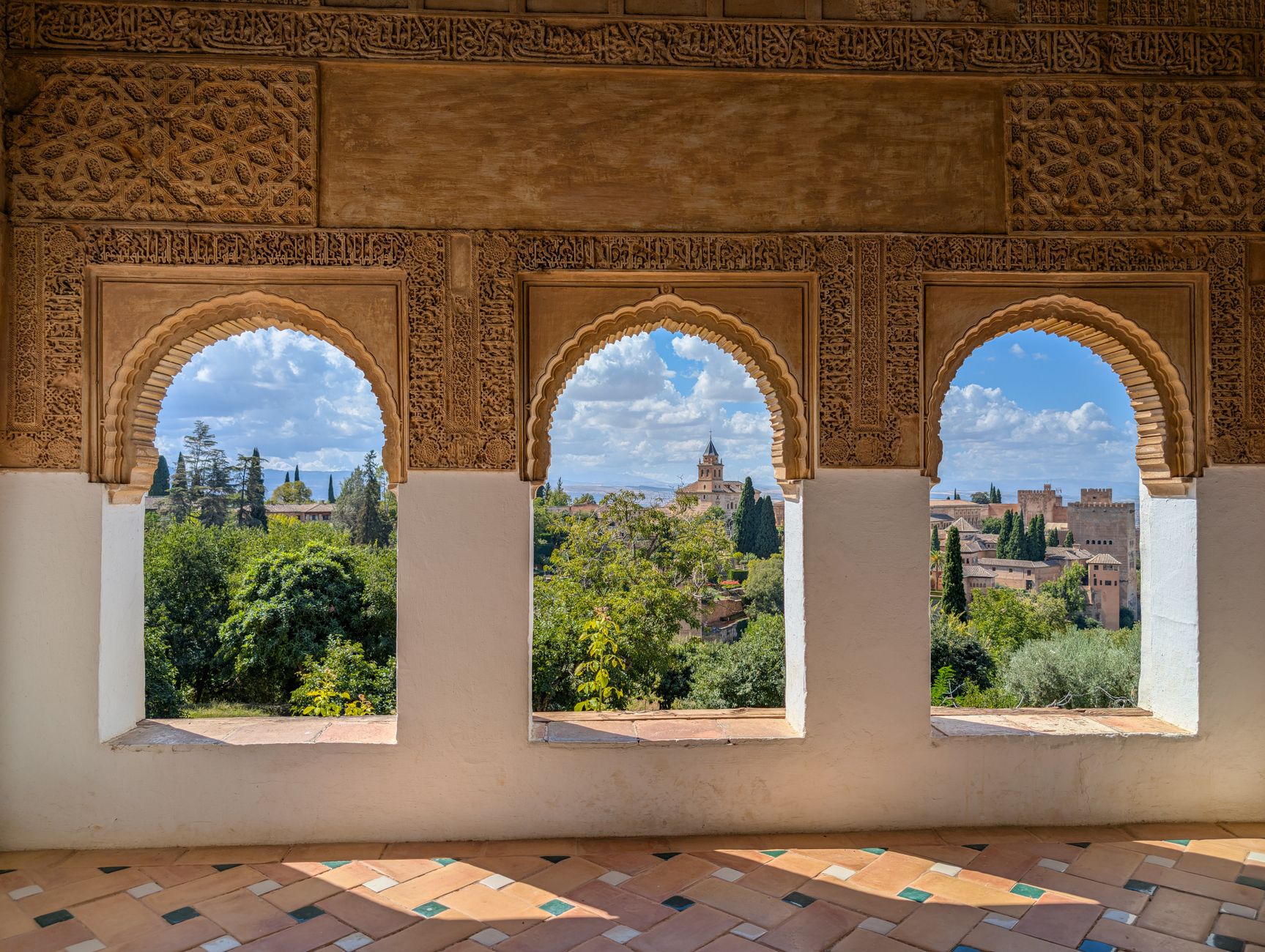
Madrid is your first stop: spend your day at the Prado National Museum, wander through the historic Barrio de la Latina, and admire the imposing Royal Palace. Toledo, just an hour and a half away, is an absolute must, with its setting that seems to hang in mid-air and its picturesque streets. Barcelona mesmerises with architectural wonders, and it's easy to fit in day trips to places like Montserrat (a Benedictine monastery in a mountainous setting) and medieval Girona (famous for its Game of Thrones filming locations). But the soul of Spain lies in Andalusia: Córdoba's Mosque-Cathedral and Roman bridge are incomparable, Granada's Alhambra is a Moorish architectural masterpiece that takes your breath away, and Seville's Plaza de España feels like the set of a dream. For adventurers, a trip to Ronda and the Caminito del Rey - a spectacular path that cuts through a gorge - is unforgettable. Take your time in the white villages of Cádiz province, taste tempranillo wines in La Rioja, and finish with a few days on the beaches along the coast.
Book Alhambra tickets months in advance; it's Spain's most popular attraction
Plan 2 to 3 days in Madrid, 1 to 2 in Barcelona, and 3 to 4 days in the Andalusian cities for a balanced trip
Day trips are easy - many people use big cities as their base and explore from there each day
Practical tips for travellers
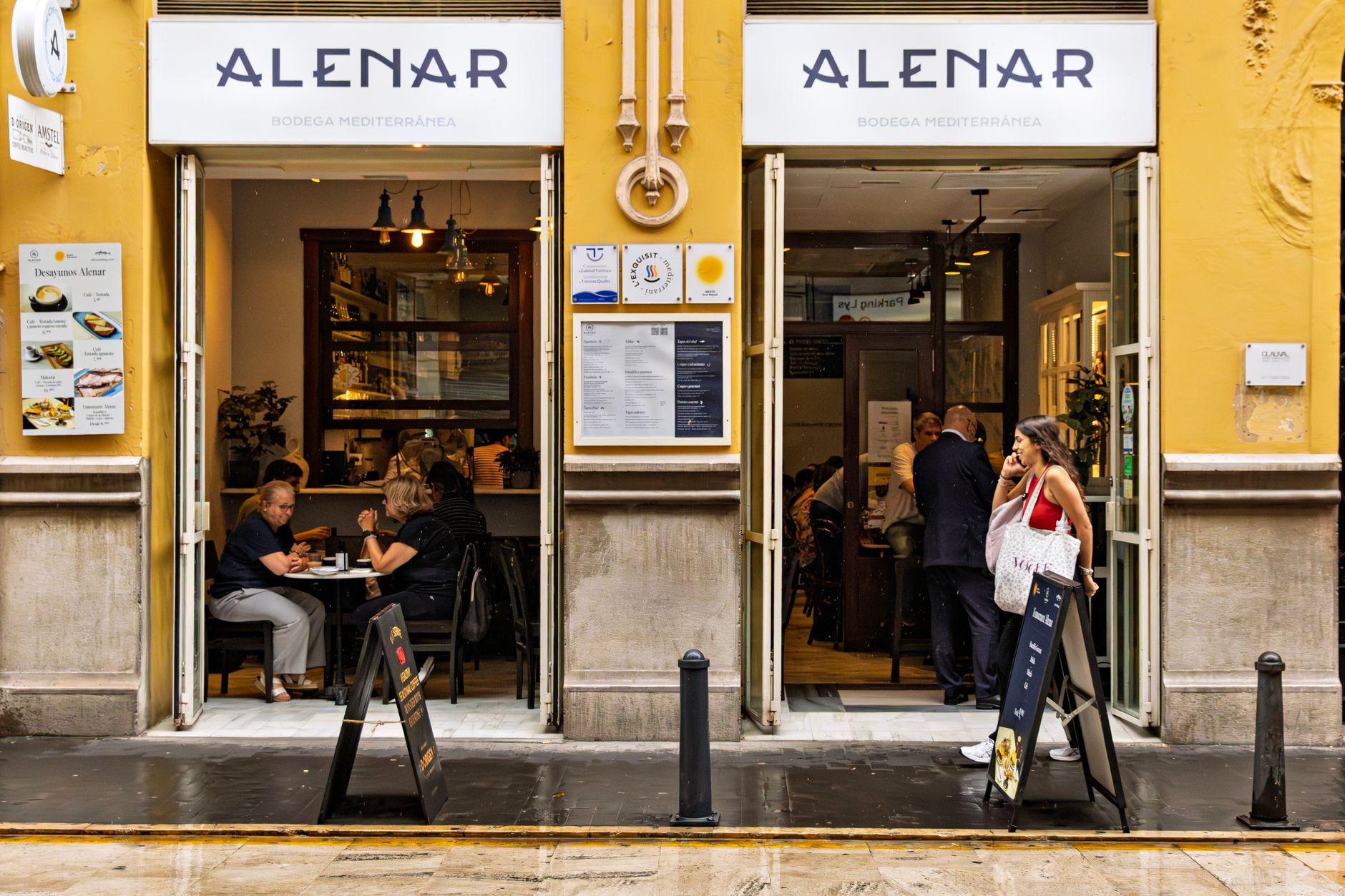
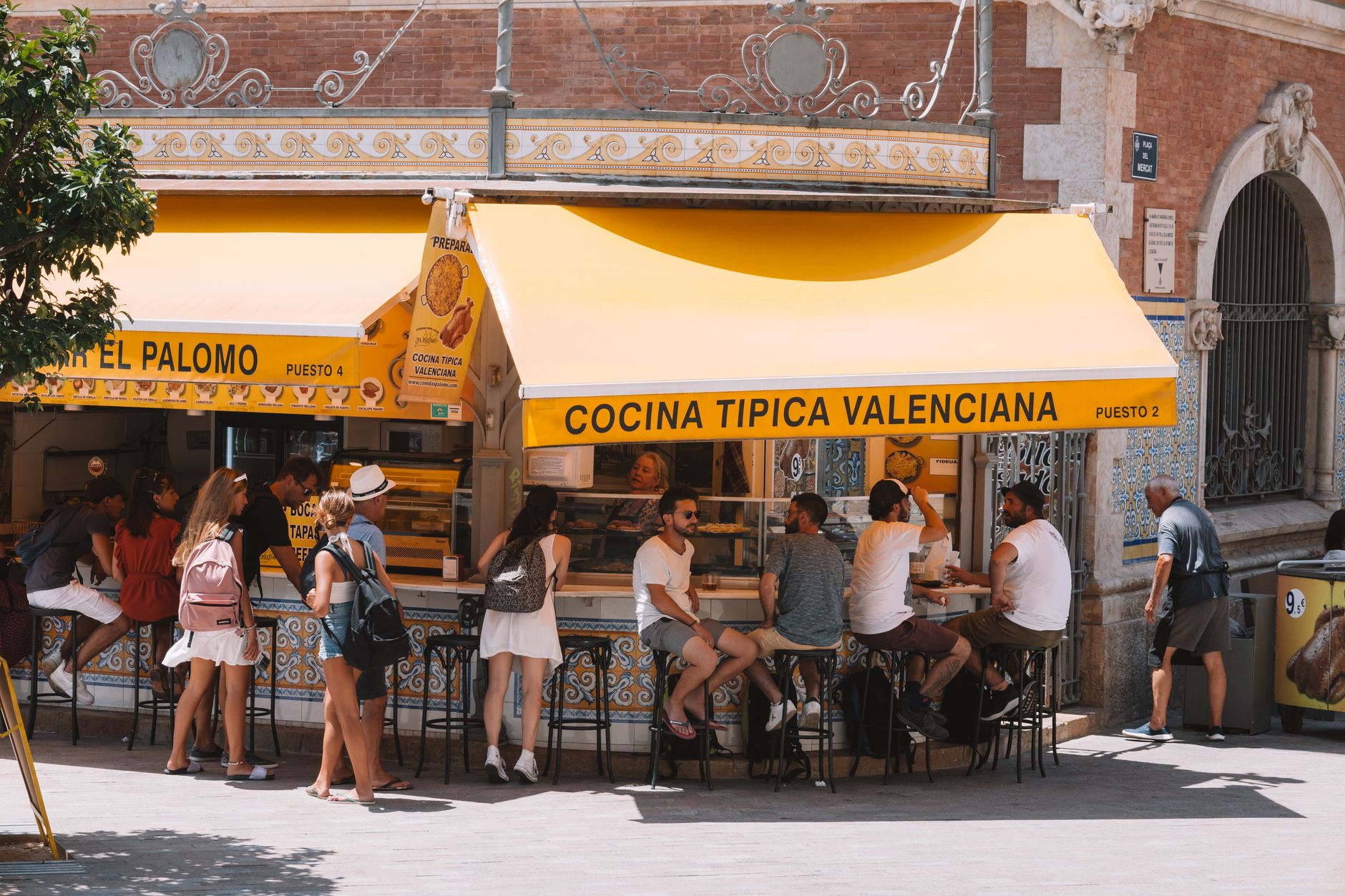
Spanish eating habits revolve around much later mealtimes than you're used to - don't expect to have dinner before 21:00, and lunch happens around 14:00. This takes some adjusting, but it's part of the rhythm the country lives by. It's worth learning at least a few basic phrases in Spanish. Although English is spoken in tourist areas, locals really appreciate the effort of speaking their language. Spain is generally safe, though you should take the usual precautions against pickpockets in busy areas. Culturally, Spaniards are extremely sociable - be ready for long goodbyes and lengthy conversations. Saying farewell after a get-together can genuinely take an hour. Pack a jacket whatever the season; even in spring and autumn, evenings can be cooler than you'd expect. Cash is handy, although credit cards are accepted everywhere, especially in cities. Planning ahead matters for popular attractions, trains and restaurants, but leave room for spontaneous discoveries too.
Learn 'hola', 'gracias', 'perdón' and 'dónde está' - they open doors and hearts
Visit popular restaurants early (20:30) or book ahead; waiting until 21:30 for a table is normal
Allow an extra 30 to 60 minutes for saying your goodbyes after a get-together - that's not impoliteness, it's normal
Generated from 2 travel guides and experiences · Sources