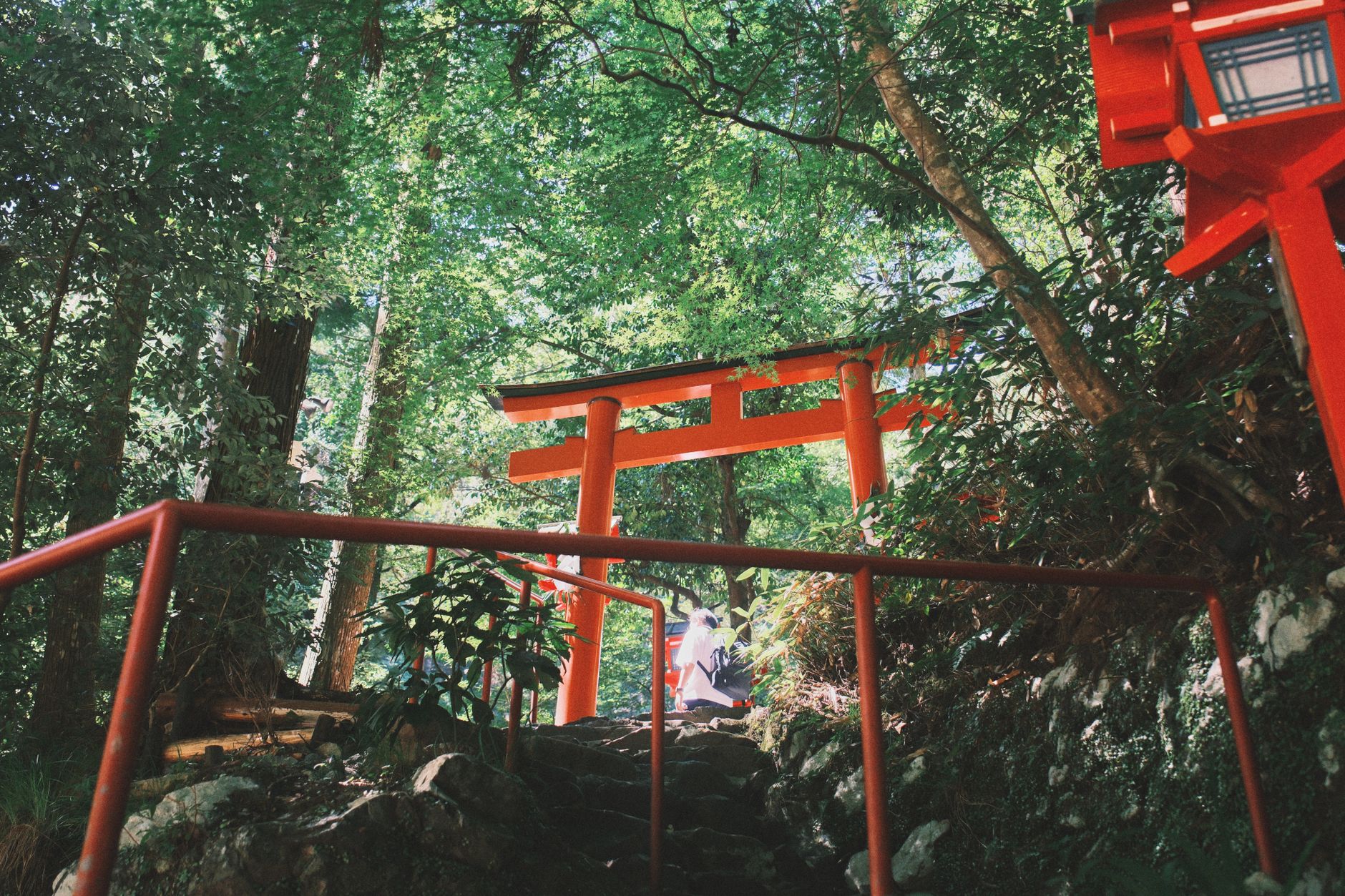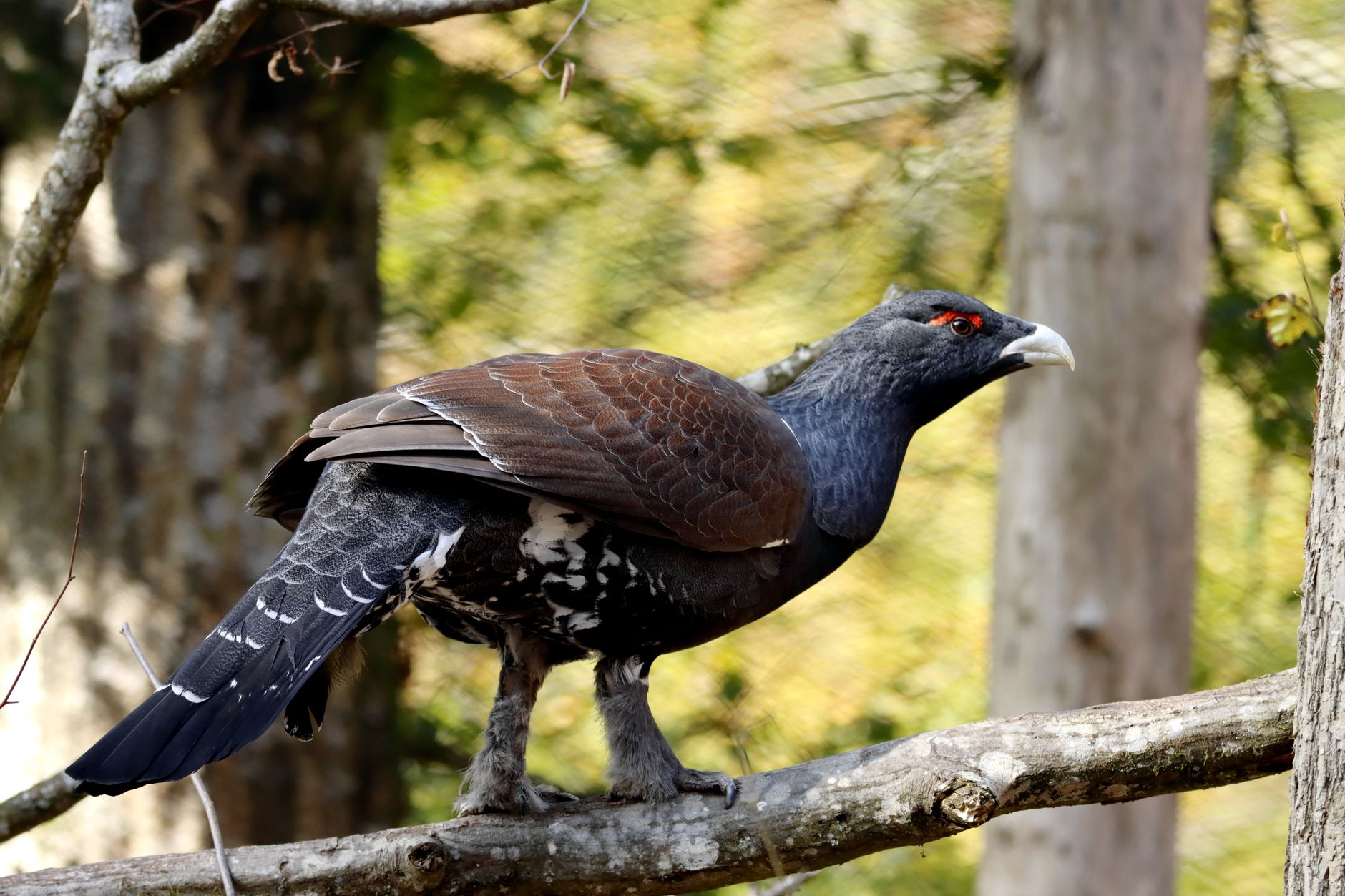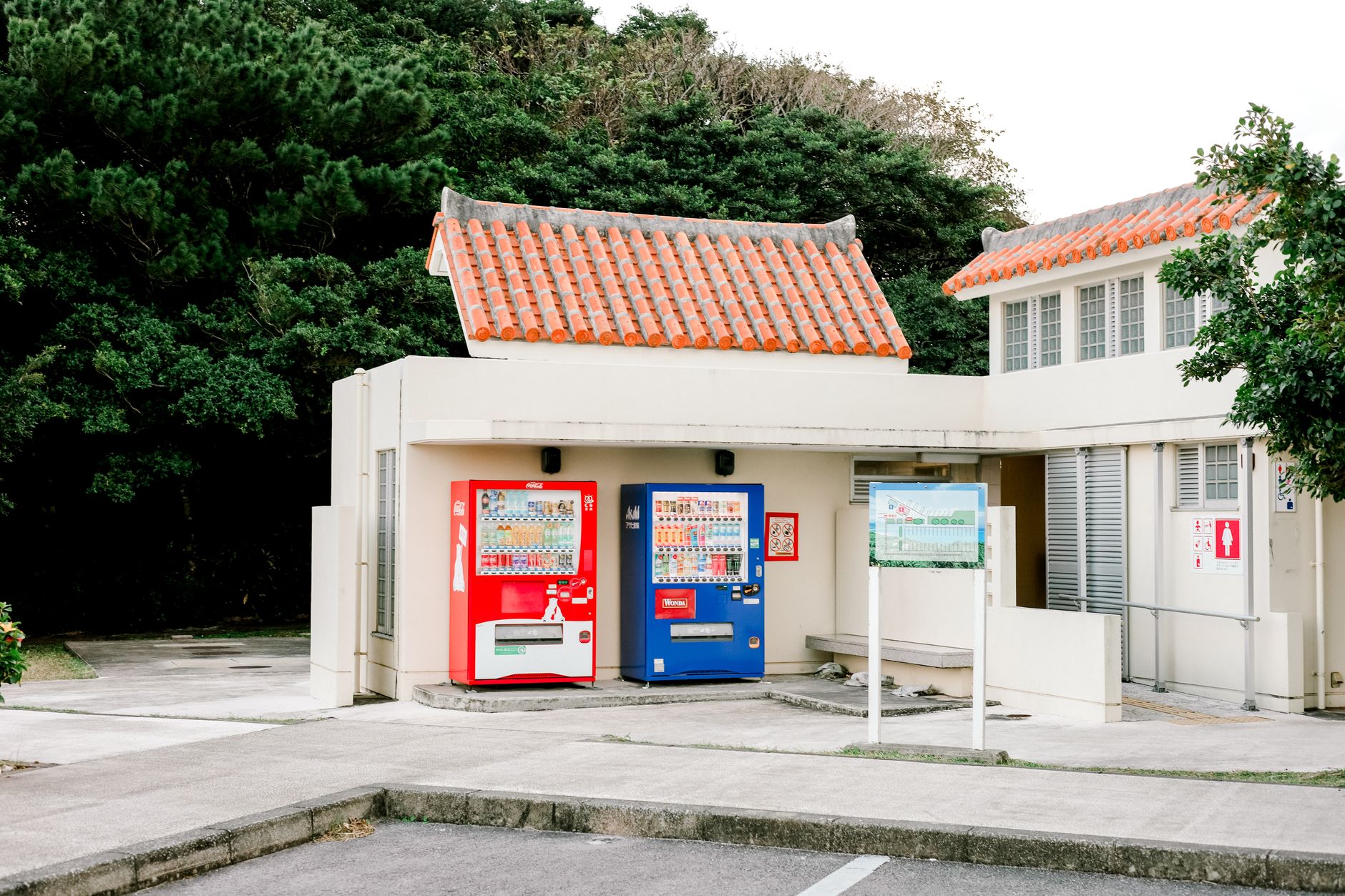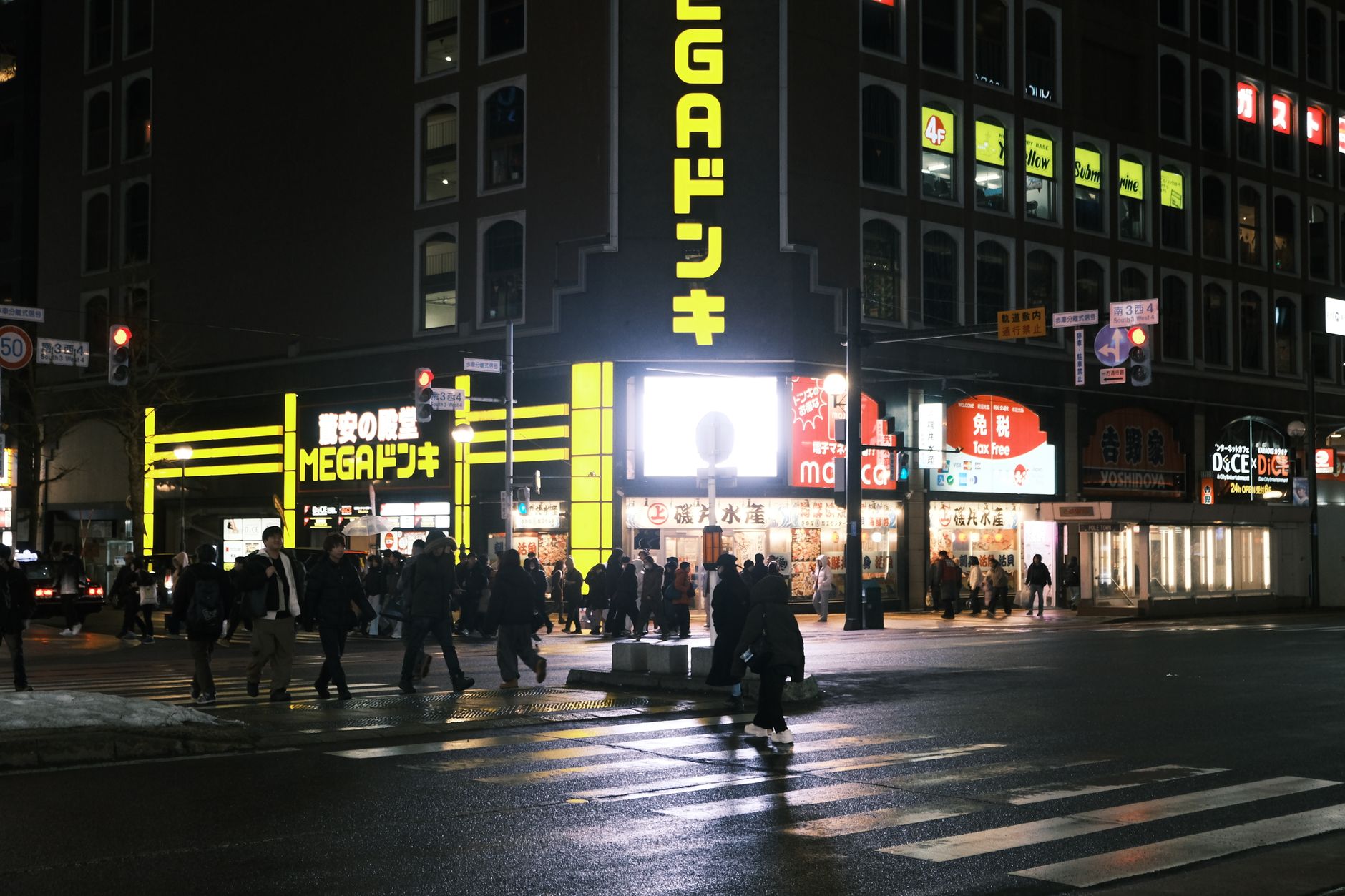

Japan's rail network is so good a car is rarely needed. Exceptions: rural Hokkaido and Okinawa islands.
Travel information
Before you go to Japan
βοΈ
Airports & entry
Japan has 7 major international airports. Consider Tokyo Narita (NRT) as your main entry point, or fly in and out from different cities to see more.
ποΈ
Best trip length
Most visitors spend 10β35 days in Japan. Shorter trips work well for focused regions; longer trips let you explore more deeply.
πΊοΈ
Regions to know
Japan has 7 distinct regions. Tokyo & Kanto and Kyoto & Kansai are the most popular starting points for first-time visitors.
π
Getting around
Japan's rail network is so good a car is rarely needed. Exceptions: rural Hokkaido and Okinawa islands.
π‘
Smart planning tip
Generate a personalised trip plan with Wayloha β just enter your budget, travel style and travel dates. Our AI reads 50+ travel blogs to build your perfect route.
π
Preparation guide
After generating your trip plan, Wayloha creates a full preparation guide β including packing list, visa info, SIM card tips, money advice and local customs tailored to your trip.
Travel inspiration
See Japan through the eyes of travellers
Real travel content from the community. See the latest photos, videos and stories from people who've already been.
Content is hosted on third-party platforms. Wayloha links to public hashtag pages and does not store any social media content.
Ready to visit Japan?
Tell Wayloha your travel style, budget and travel dates. We'll build your complete day-by-day trip plan β your first draft is on your screen within a minute.
Booking.com affiliate links β Wayloha earns a small commission at no extra cost to you
Travel guide
All about Japan
Japan is a country where centuries-old traditions blend seamlessly with futuristic innovation, and where every season reveals a different face of the land. From quiet ryokans to buzzing cities and nature reserves found nowhere else on Earth, Japan invites you on a journey that will genuinely change you.
Why visit Japan
Japan has a magnetic pull on travellers looking for something beyond standard tourist experiences. The country offers a unique combination of untouched natural wonders and cultural richness that will genuinely shift your perspective on travel. Japan's World Heritage sites are home to wildlife and ecosystems found nowhere else on Earth - these natural wonders aren't just beautiful places, they're fundamentally transformative experiences. At the same time, places like Asuka reveal a Japan that will completely change your expectations; here you lose yourself in the silence of shrines, the rhythm of the seasons, and the depth of a culture that can't be exhausted in just a few days. The combination of sustainable tourism in regions like Chugoku, birdwatching in primary forests, and the chance to share authentic experiences with locals make Japan more than a destination - it's a rediscovery of yourself.
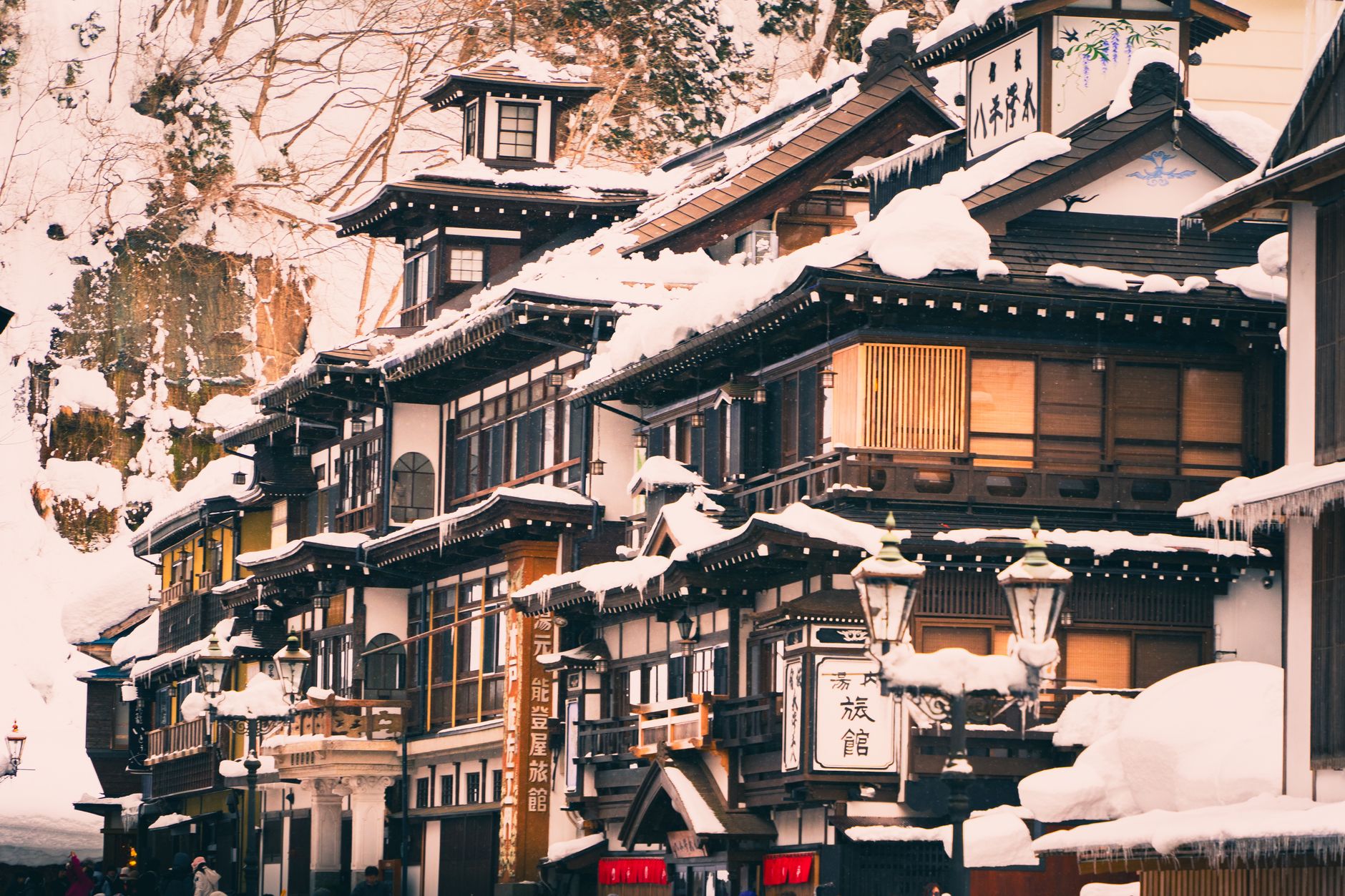
Book a ryokan stay in advance; these traditional inns offer a window into Japanese hospitality and aesthetics
Make time for both big cities and small villages; the contrast deepens your understanding of the country
Take time for lesser-known heritage sites that will change how you see Japan
When to go to Japan
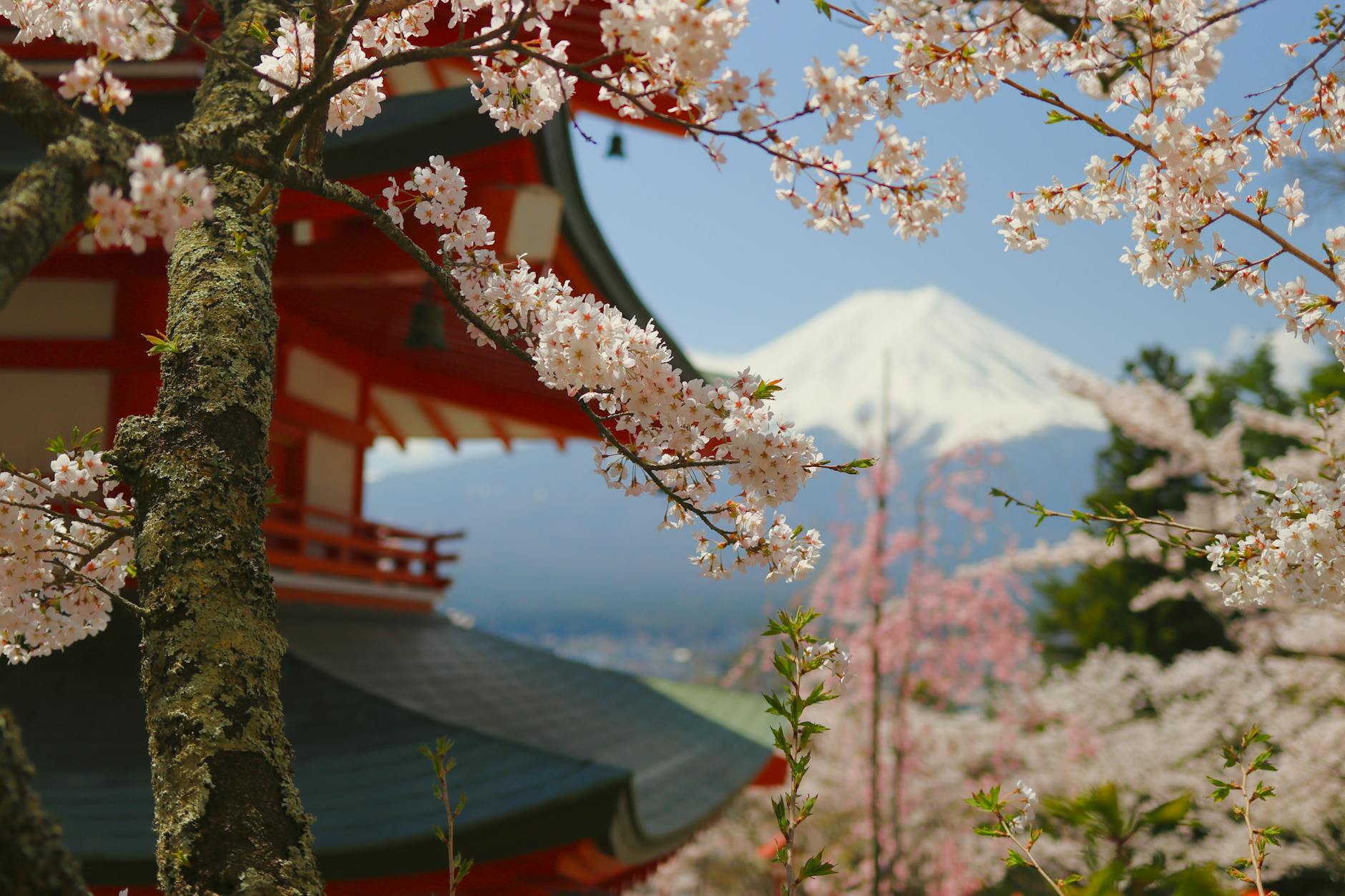
When you visit Japan largely shapes what you experience - not just the weather, but the energy and spirit of the country itself. Each season brings its own character, and knowing what to expect helps you plan your trip well. It's crucial to factor in peak-season crowds, especially around national holidays and school breaks, since these periods can significantly affect both your experience and your costs. Weather varies a lot by region and season, so even a two-week shift in your travel dates can mean you see a very different Japan. Sustainable tourism in regions like Chugoku calls for respect for seasonal cycles, and planning around natural events, such as certain plants blooming or bird migration, can enrich your trip enormously.
Check national holidays and school breaks before you lock in your dates
Look up weather patterns for the regions you plan to visit - mountains can be very different from coastal towns
Consider travelling off-season for more genuine interactions with locals and smaller crowds at popular sites
Arrival and getting around
Getting around Japan is far easier than many Western travellers expect, thanks largely to the excellent public transport network that crisscrosses the country. You'll usually arrive in Japan through one of the major international airports, which gives you access to one of the world's most efficient train networks. Transport within Japan, from trains to buses to local services, is designed with precision and reliability; it's not just functional, it's an experience in itself. You'll pick up how the system works quickly, and that independence gives you the freedom to travel at your own pace and discover places that never make it into the standard guidebooks. For families travelling with children, the safety and organisation of public transport is a big plus, since you don't need to worry about navigation or road safety.
Consider a Japan Rail Pass if you're planning several long-distance trips; it can save you a lot of money
Download offline maps and transport apps before you arrive; internet connections can be unreliable on the road
Get familiar with how to forward your luggage to your next stop - it lightens the load on your travels
The best experiences in Japan
The most unforgettable moments in Japan aren't always where you'd expect them. Yes, the big temples and cities attract a million visitors, but Japan's real magic unfolds in its quieter corners - a birdwatching trip through primary forest in a World Heritage site, where you'll spot species found nowhere else; spending a day at a small ryokan in a thermal area, taking in scents and sounds that carry you far from everyday life. The Chugoku region offers sustainable tourism experiences that connect you with the land in a deeper, more respectful way, while places like Asuka help you understand how Japan's deepest culture really works. There's plenty for families too, not just the usual attractions but hands-on experiences where children can learn something real about Japanese culture and connect with the country at their own level.
Book ahead instead of walking in for popular attractions, especially during peak season
Take excursions or guided tours in lesser-known areas; local guides reveal what you'd otherwise miss
Try at least one experience that pushes you outside your comfort zone - a traditional ceremony, a mountain climb, or a wild, remote spot
Practical information
Travelling to Japan calls for a bit of preparation, since small details can make your trip much easier or much harder. Health is worth thinking about before you leave - check which vaccinations or precautions apply to your specific travel plans, and take out good travel insurance. Money generally isn't a hassle in Japan, but understanding how the system works, cash versus cards, cash machines, banking, saves you stress and mistakes. Language can be a challenge outside the big cities, so learning a few basic phrases and having translation apps on your phone helps. Etiquette and cultural norms differ subtly from many Western countries; what feels normal at home can unintentionally cause offence in Japan, so a little preparation and an open mind help you build genuine connections with locals and deepen your trip.
Look into health guidelines beforehand and take out travel insurance specifically for Japan
Bring some cash with you; many smaller places don't accept cards
Learn the basic etiquette - take off your shoes at traditional places, stay quiet on trains, and show respect at shrines
Generated from 12 travel guides and experiences Β· Sources