

 Photo: Jolurove (Wikimedia, CC BY-SA 3.0 es)
Ancient, intimate, quiet, and hotter than you'd expect in summer
Córdoba
The Mezquita, Judería and patio gardens found nowhere else in Spain.
Córdoba makes no noise. It doesn't need to. There is one building that placed this city on the world's map: the Mezquita-Catedral. And that building is so compelling that architectural historians still debate it. An eighth-century mosque with 856 columns in marble, granite and jasper, expanded again and again until it became one of the largest in the world, and then, in 1236, after the Christian reconquest, it was not demolished but taken over. They built an entire Gothic cathedral inside it. Not in front of it. Not next to it. Inside it. The result is surreal: you walk through a forest of horseshoe arches and suddenly come upon a baroque choir surrounded by gilded organ pipes. Beyond that: white alleyways, the Calleja de las Flores, a medieval synagogue, patios full of geraniums. And then there is the heat. In summer, Córdoba is Spain's hottest city. Planning like a local means this: early starts, long midday breaks, and the evening on the Puente Romano at sunset.
Country
Spain
Region
Andalusia
Currency
Euro (€)
Language
Spanish (Andalusian accent)
Time zone
Same as Amsterdam
Best time
Apr, May · Sep, Oct
Train
AVE ~45 mins from Sevilla · ~1h 45 mins to Madrid
Per day
€45, €250+ p.p.
Safety
Safe · pickpockets around the Mezquita/market
Who it suits
- If you want to see one monument you won't forget: the Mezquita-Catedral is unique in the world, an eighth-century mosque with 856 columns into which a Gothic cathedral was later built.
- If you want to taste Spain beyond the big cities: Córdoba is cheaper than Sevilla, quieter than Granada and authentic in a way you only understand once you're there.
- If you're travelling in May: the Patio Gardens competition opens white courtyards full of geraniums and orange trees to the public, free, and unlike anywhere else in Spain.
Less suited if…
- If you're looking for beach and sea: Córdoba lies 160 km from the coast. It's an inland cultural city, not a coastal destination.
- If you arrive in August and struggle with heat: Córdoba is consistently Spain's hottest city in summer, averaging 36-38°C and regularly exceeding 40°C.
- If you need more than two or three days: Córdoba is compact. You can walk the historic centre in a day; two days is comfortable, three is luxurious.
 Mood · Córdoba
The Mezquita is not a monument. It is a two-thousand-year argument about architecture.
Don't miss
Highlights
The things to plan your day around.
 Photo: Nicolas Vollmer (Wikimedia, CC BY 2.0)
Step inside a mosque with a cathedral within it
Mezquita-Catedral: 856 columns in marble, granite and jasper
 Mood · Córdoba
Visit Andalusia's most famous courtyards
Festival de los Patios · May & Palacio de Viana year-round
 Photo: Emily Gorman (Wikimedia, CC BY-SA 2.5)
The gardens of the Catholic Monarchs' Alcázar
Alcázar de los Reyes Cristianos: courtyards and views
 Photo: NaturalEarth (Wikimedia, CC BY-SA 3.0)
A medieval synagogue that survived the centuries
Synagogue of Córdoba: one of three medieval synagogues preserved in Spain
↗️ Worth the detour
Almost everyone who visits Córdoba walks from the Mezquita to the Judería and stops at the Calleja de las Flores. Almost nobody takes the bus to Medina Azahara. This is the palace-city that a tenth-century caliph built outside the city walls to astound his rivals: 4,000 workers, three storeys high, destroyed after 70 years and only excavated in the twentieth century. The shuttle runs Tue, Sun at 10:00 and 10:45 from Paseo de la Victoria (Glorieta Cruz Roja), costs €3 return, and the ruins are free for EU citizens. Half a day, the city's most unexpected outing.
 Mood · Córdoba
Eat
Where to actually eat
No tourist traps.
 Mood · Córdoba
Eat salmorejo in the city's oldest tavern
Taberna Salinas: since 1879
← swipe for more →


💡 Eat after 13:30
Don't eat before 13:30. The best tapas here are served as late as possible: turn up at 12:00 and you'll be treated kindly but served less well than the locals who arrive once the bar is half full. Also avoid the restaurants right against the Mezquita wall: it's almost always tourist-menu prices with lower quality. Five minutes' walk into the Judería and you're at the places where the city actually eats.
Most drinks come with a plate of food: that's how it works in the better Judería bars.
See
What you really must see in Córdoba
← swipe for more →


⚠️ Avoid this mistake
Do NOT walk up the Puente Romano in full sun between 12:00 and 16:00 in summer. The bridge offers no shade, the stone radiates heat back, and 40°C in full sun turns dangerous fast. Save the bridge for sunset, when the water turns gold, the Mezquita tower lights up, and it becomes one of the most beautiful spots in Andalusia. Plan your day: Mezquita before 11:00, a long lunch in a cool bodega, bridge after 19:00.
Discover
Everything on the map
Filter by what you're after.
 Mood · Córdoba
Go to the Calleja de las Flores early. After 10:00 there's a wall of smartphones.
Out and about
Best day trips
Out of the city within an hour.
 Photo: LauraCátedra (Wikimedia, CC BY-SA 3.0 es)
Medina Azahara
Shuttle Tue, Sun 10:00 & 10:45 from Paseo de la Victoria (Glorieta Cruz Roja) (€3 return) · taxi ~€15-18 · 15 mins' drive~8 km west of the city · Tenth-century caliph's palace: built to astound
Abd al-Rahman III built Medina Azahara in 936 to display his power: a palace-city for 25,000 people, spread across three terraces on the hillside, with marble halls, gardens and a mercury fountain that reflected the light. Construction took 40 years; destruction took 30 (Berber raiders, 1010). The rest lay hidden until archaeologists began digging in the twentieth century. Today part of it has been reconstructed and is open to visitors. The UNESCO visitor centre explains the scale; the reconstruction shows you what it looked like. Free for EU citizens, €1.50 for others. Bring water: there is little shade.
View day trips (opens in a new tab) Photo: MarisaLR (Wikimedia, CC BY-SA 4.0)
Priego de Córdoba
~1h 15 mins by car (A-45) · no direct rail connection~100 km southeast · The most beautiful baroque village in Andalusia: free to visit and almost tourist-free
Priego de Córdoba is Andalusian white village at its most overwhelming: perched on a high rock above the Subbética mountains, with four baroque churches that cities like Sevilla would envy. The Fuente del Rey, a fountain from 1803 with three basins, seahorse statues and a Neptune, is the finest grand fountain in Andalusia that no tourist knows about. There is a castle, an Arab quarter (la Villa) and a viewpoint over the mountains. Best visited by car: combine it with a stop in the olive groves of the Subbética.
View day trips (opens in a new tab) Photo: Mihael Grmek (Wikimedia, CC BY-SA 3.0)
Sevilla
~45 mins on the AVE high-speed train~120 km by AVE · The Real Alcázar, the Cathedral and the Giralda
Sevilla is the easiest day trip from Córdoba: in ~45 minutes on the AVE you arrive at Santa Justa station. From there it's a twenty-minute walk to the Real Alcázar and the Cathedral, or one stop on the metro. Book Alcázar tickets in advance. Plan your day around the views and architecture; for food, head back to Córdoba (cheaper and just as good). Take an early train back: evening connections are scarcer.
View day trips (opens in a new tab)Practical
Everything you need to know
Weather & best time
Córdoba has a semi-arid continental climate: dry, hot, and extreme in summer. From June to August, daytime temperatures routinely reach 38-42°C, with peaks above 45°C; Spain's heat record of 47.4°C belongs to Montoro, 45 km east of Córdoba. This is no exaggeration. Plan accordingly: sightseeing early in the morning (venues open by 11:00), rest during the scorching midday in the coolest bar you can find, and don't head back out before 17:00. Spring (April, May) and early autumn (September, October) are ideal: 20-25°C by day, the city in bloom, and long evenings on the Judería terraces. Winter is mild but can be rainy.
jan
🌤️
8-14°
may
🌸
20-27°
jul
🔥
25-40°
sep
☀️
22-32°
What does a day cost?
Budget
€45, €70 /dag
A hostel bed in the Judería (~€20-28), coffee with tostada for €2-3, tapas with every drink for free, walking the Judería and Calleja de las Flores for free, the Sinagoga (free for EU citizens), the Patio de los Naranjos free. Main costs: the Mezquita (€13-15, check in advance) and possibly the Alcázar (€5, free on Fridays). Córdoba is consistently cheaper than Sevilla or Barcelona.
Mid-range
€110, €160 /dag
A boutique hotel in the Judería (€70-120 per night), Mezquita and Alcázar, lunch at Taberna Salinas or Casa Rubio, an afternoon trip to Medina Azahara (shuttle €3 return, free for EU citizens), and a quieter dinner at Taberna La Viuda. Including local buses and taxis.
Luxury
€200, €250+ /dag
Hospes Palacio del Bailío (from €150 per night, built on Roman ruins), a private guide through the Mezquita, lunch at Garum 2.1 (Michelin Bib Gourmand), a private tour to Medina Azahara, and an evening of flamenco. The upper rate applies in high season or for last-minute bookings.
Good to know
Visa
Not required (EU)
Payment
Cards accepted almost everywhere
Plug
Type C/F · 230V
Getting around
On foot in centre · bus €1.30 outside
Tap water
Safe: bring a bottle in summer
Tipping
5-10%, not obligatory
 Mood · Córdoba
Córdoba in May: patios judged by law, overflowing with geraniums. Nowhere else in Spain.
Sleep
Pick your neighbourhood, not the stars
By travel style: book through our partners.

Hotels in Córdoba
From boutique palaces in the Judería to budget options outside the historic centre.

Local accommodation
An apartment or patio house in the Judería or historic centre.

Tours & tickets Córdoba
Mezquita tours, patio tours, day trips to Medina Azahara and Priego, bookable with free cancellation.
Before you go
Sorted before you set off
Worth booking ahead.
Questions
Frequently asked questions
When is the best time to visit Córdoba?
April, May, September and October are ideal: daytime temperatures run 20-32°C, the Patio Gardens bloom in May (festival first two weeks), September is pleasant and still sunny, and queues at the Mezquita are shorter. Avoid July and August if you want to escape heat above 40°C, as Córdoba becomes Spain's hottest city then. Winter (December, February) is calm and mild (~15°C), with few tourists and the lowest prices.
Should I book the Mezquita-Catedral in advance?
Yes, particularly in high season (April, September). Online tickets via mezquita-catedraldecordoba.es save you long queues. The ticket office has no significant wait outside season, but an online time slot is always safer. Early morning (10:00-12:00) is quietest.
Can I visit the patio gardens year-round?
The famous festival runs only the first two weeks of May, when residents open their private courtyards. Palacio de Viana (€8, closed Mondays) has twelve gardens accessible year-round. In Barrio San Basilio, some patios are also open outside the festival (small entry fee). Calleja de las Flores is always free.
How do I get from Madrid or Sevilla to Córdoba?
By AVE high-speed train: from Madrid (~1h45, multiple trains daily), from Sevilla (~45 min, easiest). From Granada the Avant runs (~1h40). Book via renfe.com; buy early for the best price. Córdoba has no commercial airport: the nearest are Sevilla (~130 km) or Málaga (~165 km).
What is salmorejo and where should I eat it?
Salmorejo is a thick, chilled tomato soup, thicker than gazpacho, richer in bread and olive oil, and traditionally topped with diced Serrano ham and a hard-boiled egg. It's a Córdoban invention. Best versions in the city: Taberna Salinas (walking distance from the Mezquita, operating since 1879) or Casa Rubio (finest outdoor terrace by the Mezquita wall).
How many days do I need in Córdoba?
Two days is comfortable for the core: day 1 for the Mezquita, Judería, Calleja de las Flores and the Alcázar; day 2 for the Synagogue, Palacio de Viana, a day trip to Medina Azahara and a leisurely lunch. One day is possible for a day trip from Sevilla or Granada (AVE makes it easy). Three days makes sense if you also combine Priego de Córdoba.
Wayloha editorial · Travel sources curation
Last updated: June 2026; first published with addresses and times verified at source.
Researched and verified from official sources (mezquita-catedraldecordoba.es, alcazarcordoba.es, turismodecordoba.org, renfe.com, madinatazahara.org) and travel publications. Prices, opening times and free hours vary: check closer to your visit.
Final word: editors
We update Córdoba whenever something changes: prices, opening times and free hours are always evolving.
Plan your Córdoba tripMore in Spain
More cities in Spain

Seville
City trip Seville: the Alcázar, the Cathedral, where you really should eat and how to beat the heat. Fact-checked at source. No made-up prices.
Read the guide →
Granada
City trip Granada: booking Alhambra tickets, free tapas, the Albaicín and what you really must do, fact-checked at source. No invented prices.
Read the guide →
Málaga
City break Málaga: the Alcazaba, Museo Picasso, El Pimpi and the espetos of Pedregalejo, verified at source. Costa del Sol at its most authentic.
Read the guide →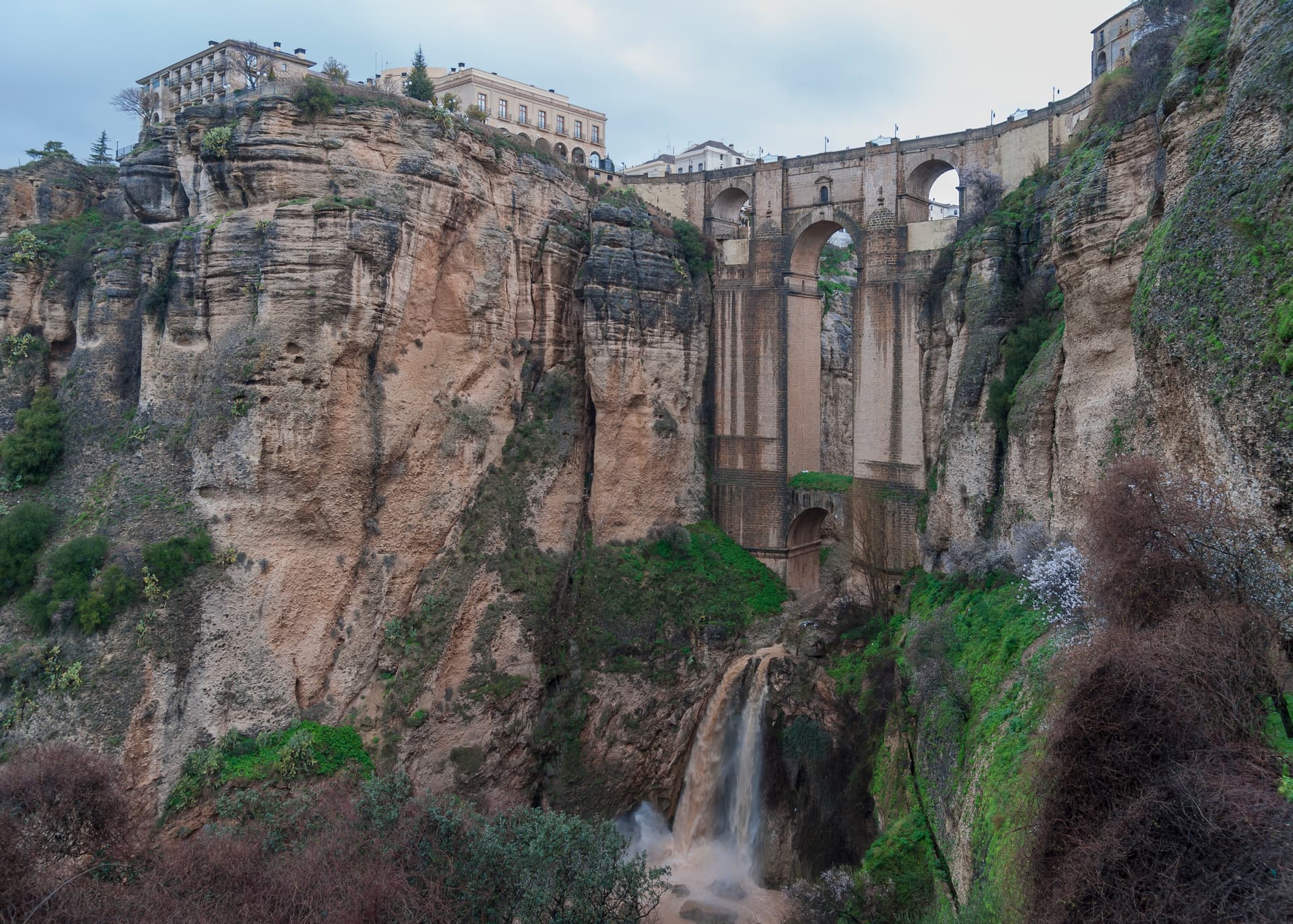
Ronda
Ronda city trip: the Puente Nuevo, the El Tajo gorge, the baños árabes and Bardal: the most dramatic city in Andalusia, verified at the source.
Read the guide →
Madrid
City trip Madrid: the best museums, where you really should eat and how to avoid the tourist traps. Verified at source. No made-up prices.
Read the guide →
Toledo
Toledo city trip: the Catedral Primada, El Greco in Santo Tomé, the Jewish quarter and the panorama of the Mirador del Valle: the city of three cultures, verified.
Read the guide →Part of Spain
New to Spain?
Read our complete Spain travel guide: regions, best time to go and practical tips before you plan your trip.